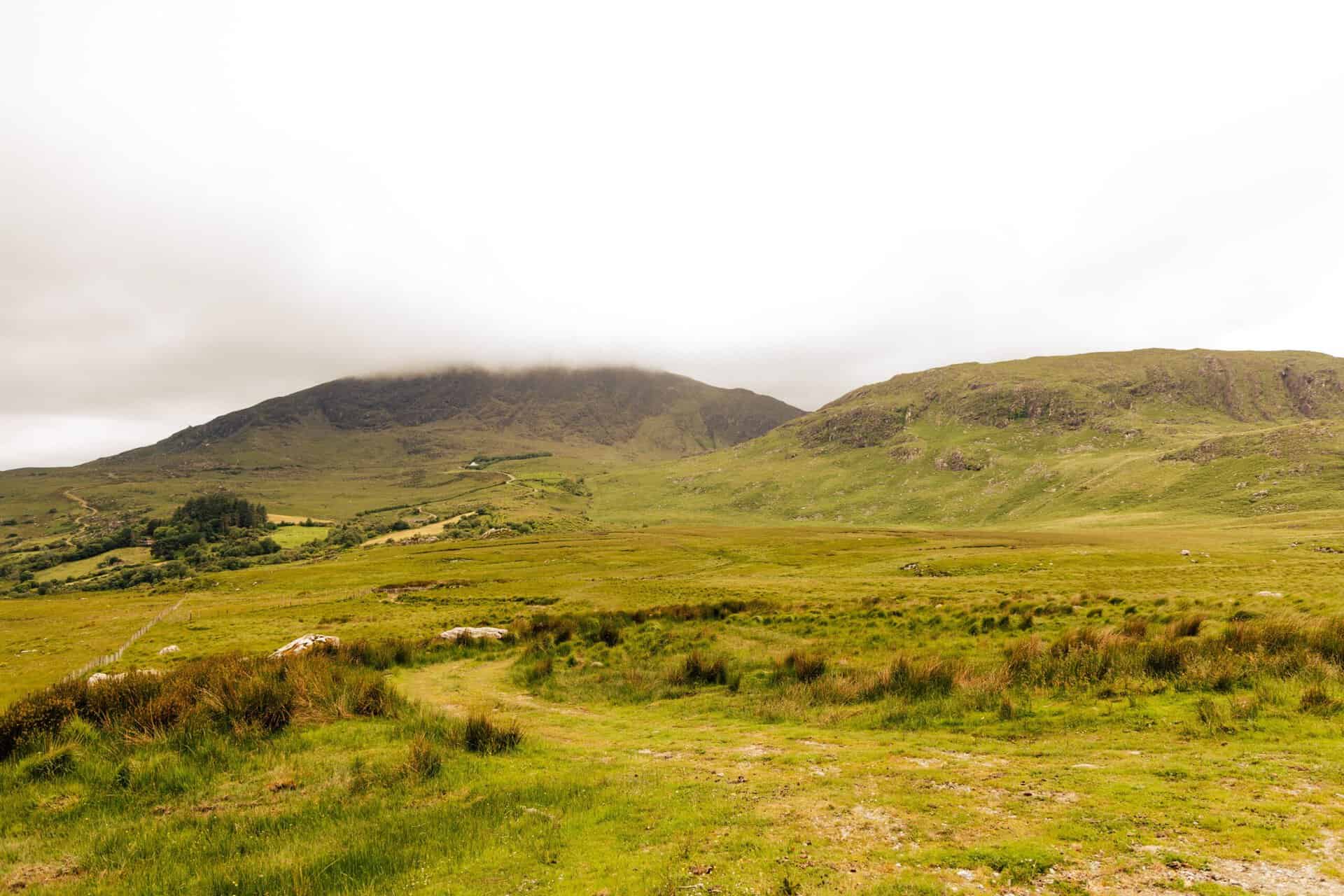


An Ireland self-drive tour packing list comes down to layers, rain protection, comfortable walking shoes, driving documents, phone charging and compact luggage. For one or two weeks, bring about seven days’ worth of clothes and plan one laundry stop. A car gives you room, yes, but an overstuffed boot becomes a nuisance surprisingly quickly.
Ireland’s weather can change over one driving day, especially on coastal routes and in upland areas. A light waterproof layer and clothes that work together will do more for your trip than a suitcase full of outfits with one very specific job.

Keep these in a small personal bag that stays with you on the flight and in the car. Lost checked luggage is irritating anywhere. It is particularly awkward when your rental booking starts a few hours after landing.
Check Irish Immigration Service guidance for visa-required nationals before booking. Requirements depend on the passport you hold and can change, so don’t rely on an old forum post from 2019. The internet has enough confidence already.
For a broader run-through of the small practical details before you go, see these tips for first-time visitors to Ireland.
Pack for changeable conditions rather than a fixed season. Summer can mean mild, damp days and breezy evenings, while spring and autumn call for warmer layers. Winter driving needs a warmer coat, gloves and a hat, particularly if your route includes exposed coasts or higher ground.
A waterproof jacket needs to be properly rainproof, not merely shower-resistant. An umbrella can be handy in towns but is less convincing on a windy cliff walk. Bring one if you like; just don’t make it your entire rain strategy. For a shorter version of the kit that makes the biggest difference, this guide to 10 essentials for an Ireland trip is a decent shout.

For 10 to 14 nights, add a few changes of underwear and socks, one extra top layer, and another pair of trousers or leggings. Do not double every item unless laundry genuinely will not be possible. Most hotels, guesthouses and self-catering stays can point you towards a laundrette, and some have washing facilities.
Routes that combine Dublin, the west coast and several overnight stops are easier with a flexible wardrobe. A 10-day Ireland itinerary with changing locations is exactly the sort of trip where layers and manageable luggage earn their keep.
Most self-drive trips involve more walking than the map suggests: car parks, castle grounds, town centres, beaches and short trails all add up. Take one dependable pair of shoes for daily touring, then add a second pair only if your plans call for it.
For hiking-focused days, use a separate checklist rather than assuming ordinary trainers will cover every route. The Blackwater Way hiking packing list is useful for the extra kit needed on a multi-day walk.

Bring your full driving licence, passport, rental confirmation and the payment card requested by your rental company. The lead driver should check the company’s age limits, licence-holding requirement, deposit policy, fuel policy and insurance excess before arriving at the desk.
The Road Safety Authority explains the position for foreign driving licences in Ireland. A licence issued outside the EU or EEA may be used by a visitor for a limited period, but rental firms can set their own document and age rules. Check the terms for your specific booking, especially if the licence is not in English or uses a non-Roman alphabet.
If you plan to drive into Northern Ireland, confirm cross-border permission, insurance cover and any fee with the rental provider before collection. Roads in Northern Ireland use miles per hour, while the Republic of Ireland uses kilometres per hour. That small detail deserves a note on the dashboard, at least for the first few miles. It is also worth reading through things not to do when visiting Ireland before a first road trip.
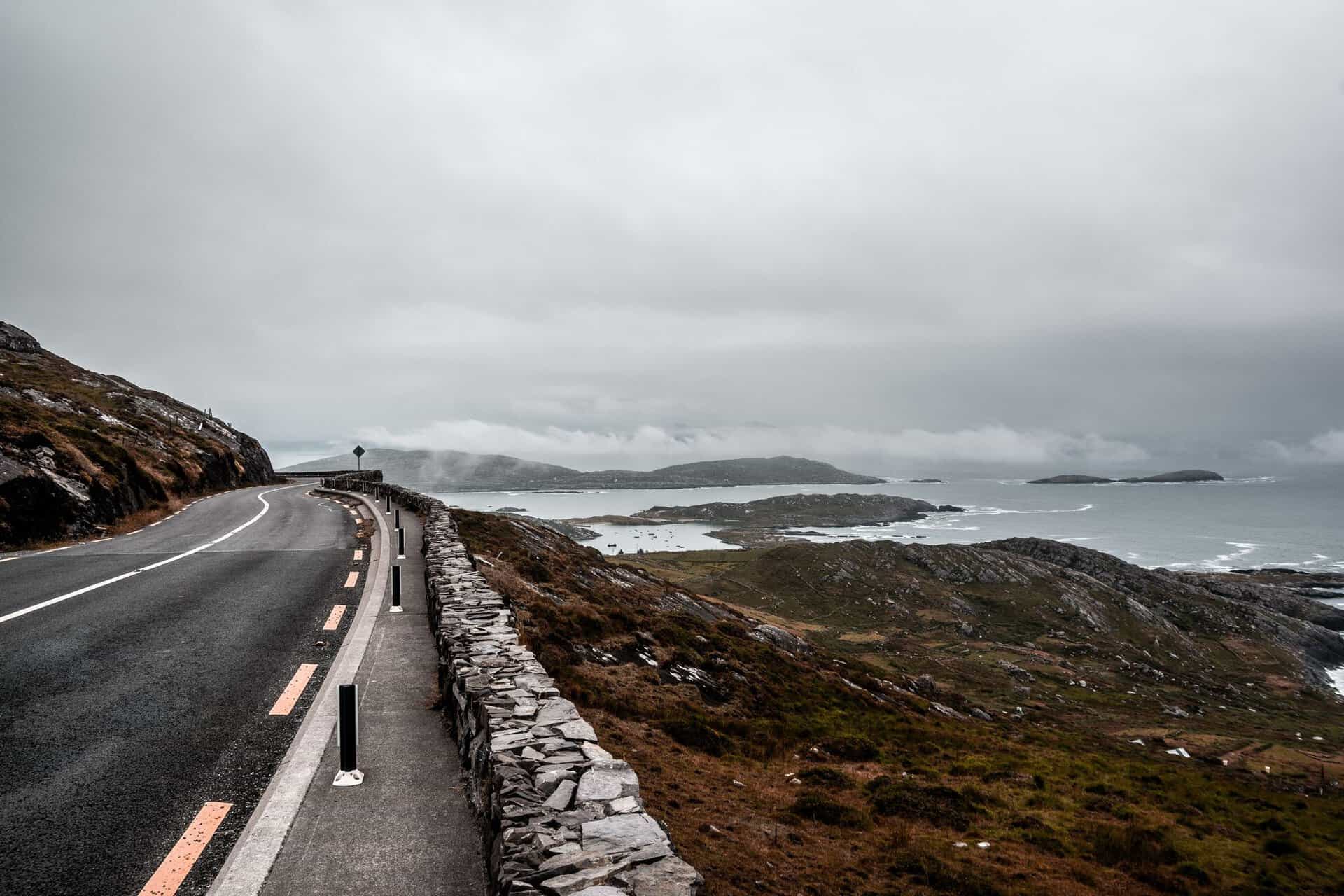
Your phone can handle navigation well, but it needs power and a backup plan. Download offline maps before leaving Wi-Fi, save each overnight stay and keep booking addresses in one notes app or on a printed sheet.
Ireland uses Type G plugs, the same three-pin style used in the United Kingdom, so travellers from North America and much of continental Europe need an adapter. Check device labels before packing a voltage converter; many modern phone and laptop chargers accept 100–240V, but not every appliance does.
The rental company should provide the legally required vehicle equipment, but ask what is in the car before driving away. Take photographs of existing damage, check the fuel type, learn how to adjust mirrors and lights, and find the spare wheel or repair kit if there is one.
Before setting off, read Ireland’s Rules of the Road. Visitors drive on the left, use kilometres per hour in the Republic, and should not use a handheld phone while driving. Give yourself time on narrow rural roads; a short distance on the map can take longer than expected.

Choose soft-sided cases or medium suitcases where possible. Car boots vary widely, and a compact rental can struggle with two large hard-shell cases, carry-ons and everyone’s rain gear. It’s a bit of a puzzle after a long flight.
One medium suitcase and one day bag per person is a sensible target for many couples or friends sharing a compact or midsize car. Families may need more space, so match luggage to the vehicle category rather than hoping it will fit once you arrive.
Conditions vary by location as well as month. The Atlantic coast often feels windier than inland towns, and rain can arrive even during a fairly dry spell. Check the local forecast shortly before departure through Met Éireann’s national forecast, then pack for the route you are actually driving. If golf is on the itinerary, this month-by-month guide to Ireland golf weather can help with seasonal planning too.
| Season | Useful Additions | What To Expect |
|---|---|---|
| Spring | Warm mid-layer, waterproof jacket, hat | Cool mornings, showers and changeable temperatures |
| Summer | Light layers, sunscreen, rain jacket | Milder days, cooler evenings and occasional rain |
| Autumn | Fleece or sweater, waterproof footwear | Cooler weather, wetter ground and earlier darkness |
| Winter | Warm coat, gloves, hat, extra socks | Short daylight hours, rain, wind and possible icy conditions |
For a route around Connemara, Galway and Mayo, conditions can feel especially exposed near the coast. The Connemara, Galway and Mayo road trip packing list has more region-specific ideas. Driving Ireland’s Ancient East coast? A separate coastal road trip packing list may suit that route better.

There is no need to bring everything from home. Groceries, bottled water, basic toiletries, pharmacy supplies and simple car snacks are easy enough to buy after collecting the car. Buying them locally also frees up luggage space and avoids airport-security issues with liquids.
Leave bulky items behind unless they serve a clear purpose on your itinerary. Formal outfits, several pairs of heavy shoes, full-size toiletries and too many “just in case” layers take up space you will notice at every overnight stop.
For everyday touring, a rain jacket, a warm layer and shoes you can walk in will cover most situations. If golf is part of the plan, this Ireland golf packing list covers clothing, clubs and travel gear without making the rest of the car feel like a sports shop. For more detail on clothing specifically, see what to wear golfing in Ireland.

Pack roughly seven days of mix-and-match clothing and plan to do laundry once during a two-week trip. Add spare socks, underwear and one extra warm layer, then avoid doubling every outfit.
It depends on the country that issued your licence and the rental company’s rules. Check Road Safety Authority guidance and ask the rental provider in writing if an International Driving Permit is needed for your licence.
Bring a lightweight or midweight waterproof jacket with a hood that fits over a fleece or sweater. A water-resistant fashion jacket may be fine for a brief shower but is less useful during a wet day of touring.
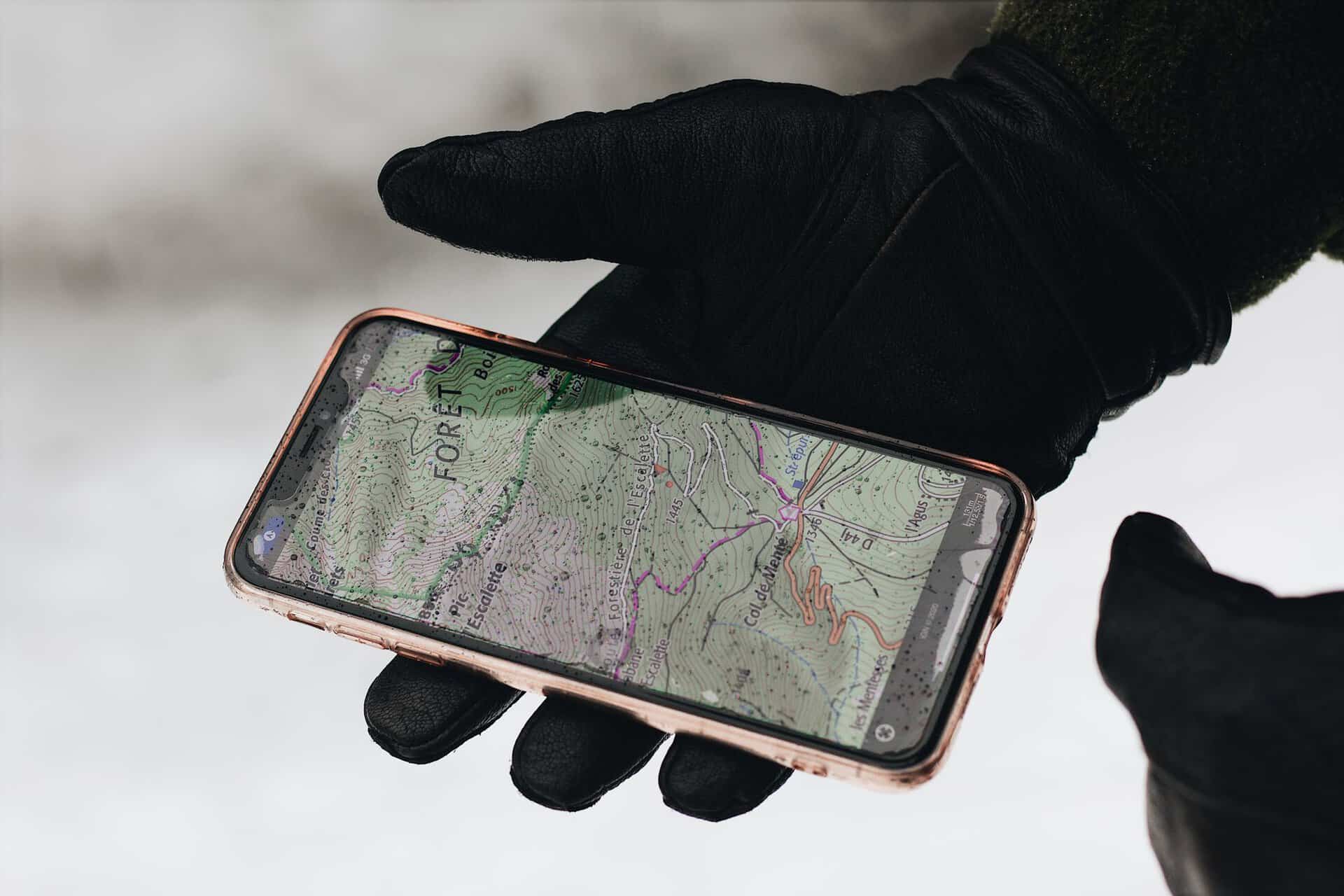
Yes, provided you have mobile data or offline maps, a charging cable and a secure car mount. Download maps before driving into rural areas, where signal can be patchy.
Cards and contactless payments are widely accepted, but carrying a small amount of euro is handy for minor purchases or places with temporary card-terminal trouble. Drivers crossing into Northern Ireland may also want a small amount of pound sterling, although cards are common there too.

Matt Hook is a Canadian writer of Scottish and Irish heritage. He built his writing career creating detailed gaming guides, turning complex mechanics, history and lore into useful information for readers. Matt brings that same research-focused approach to Ireland Wide, where he writes about Irish travel, heritage, history and culture. He also holds CMA and CPA designations as a professional accountant, giving him a strong background in research, accuracy and attention to detail.
At Ireland Wide, our aim is to bring authentically Irish insights to you, wherever you are.



Whether you have some feedback or would like to offer some of your own insights for everyone else to explore, don't hesitate to get in touch with us!