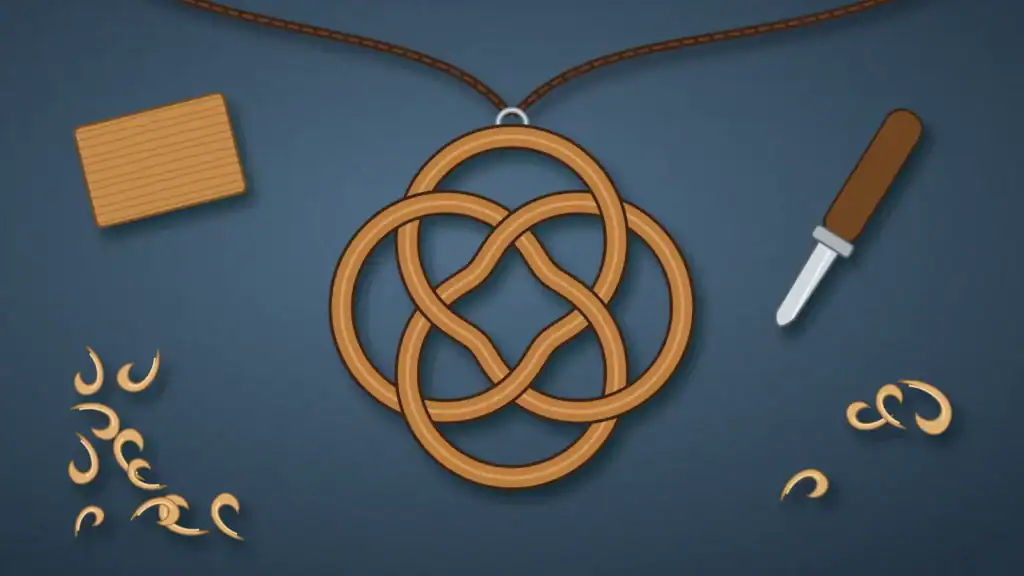
The Celtic father knot is a modern knotwork design used to represent a father’s love, protection and lasting bond with his children. It borrows the unbroken lines of early medieval Celtic interlace, but there is no single ancient “father knot”, and jewellers and tattoo artists use several different designs under the name.
The Celtic Father Knot is a powerful and meaningful design that combines the intricate artistry of Celtic knotwork with the enduring values of fatherhood. Representing paternal love, protection, and the eternal bond between a father and his children, this knot captures the essence of fatherhood in a visually stunning and deeply symbolic form. This article explores the origins, symbolism, and cultural significance of the Celtic Fatherhood Knot, celebrating its timeless appeal.
Quick answer:
- What it means: protection, guidance, strength and an unbroken bond between a father and his children.
- How old it is: the name and the designs are modern. The knotwork style itself goes back to early medieval manuscripts, metalwork and carved stone in Ireland and Britain.
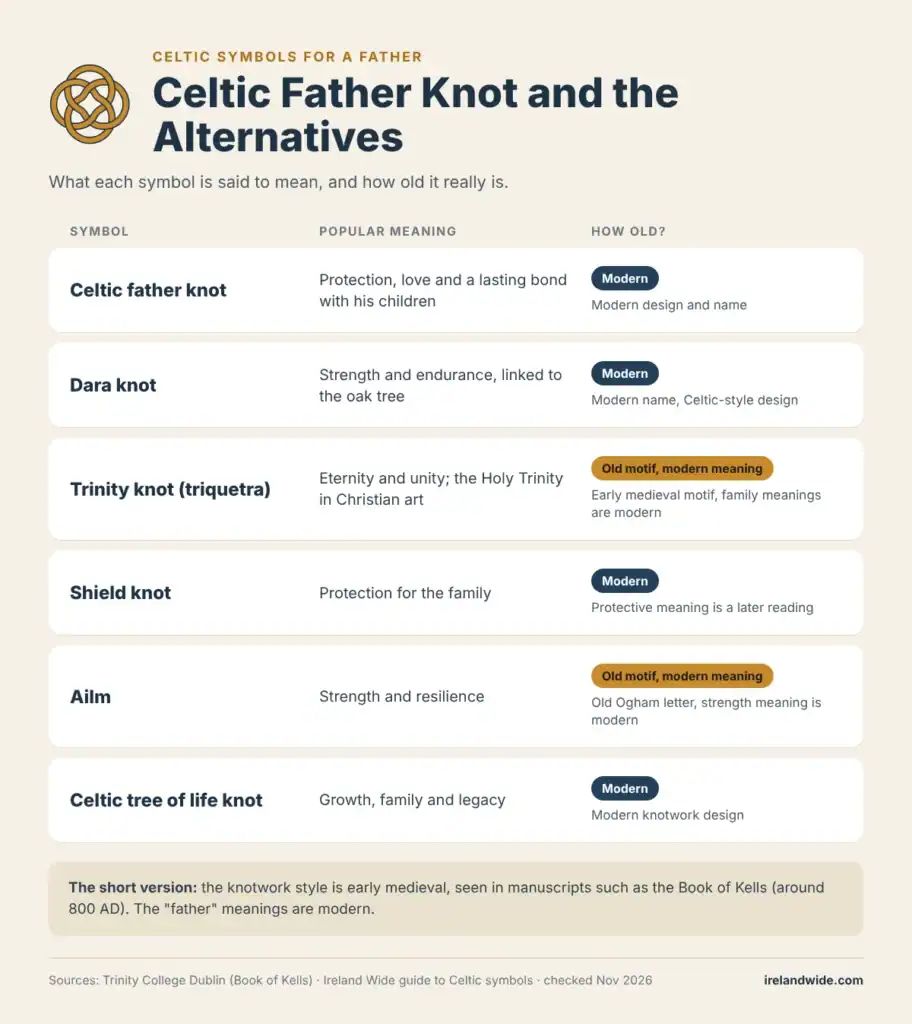
- Other symbols people choose for a father: the Dara knot, the Trinity knot, the shield knot and the ailm.
- Father and son? That is a separate design with its own guide, linked further down.
Origins of the Celtic Father Knot
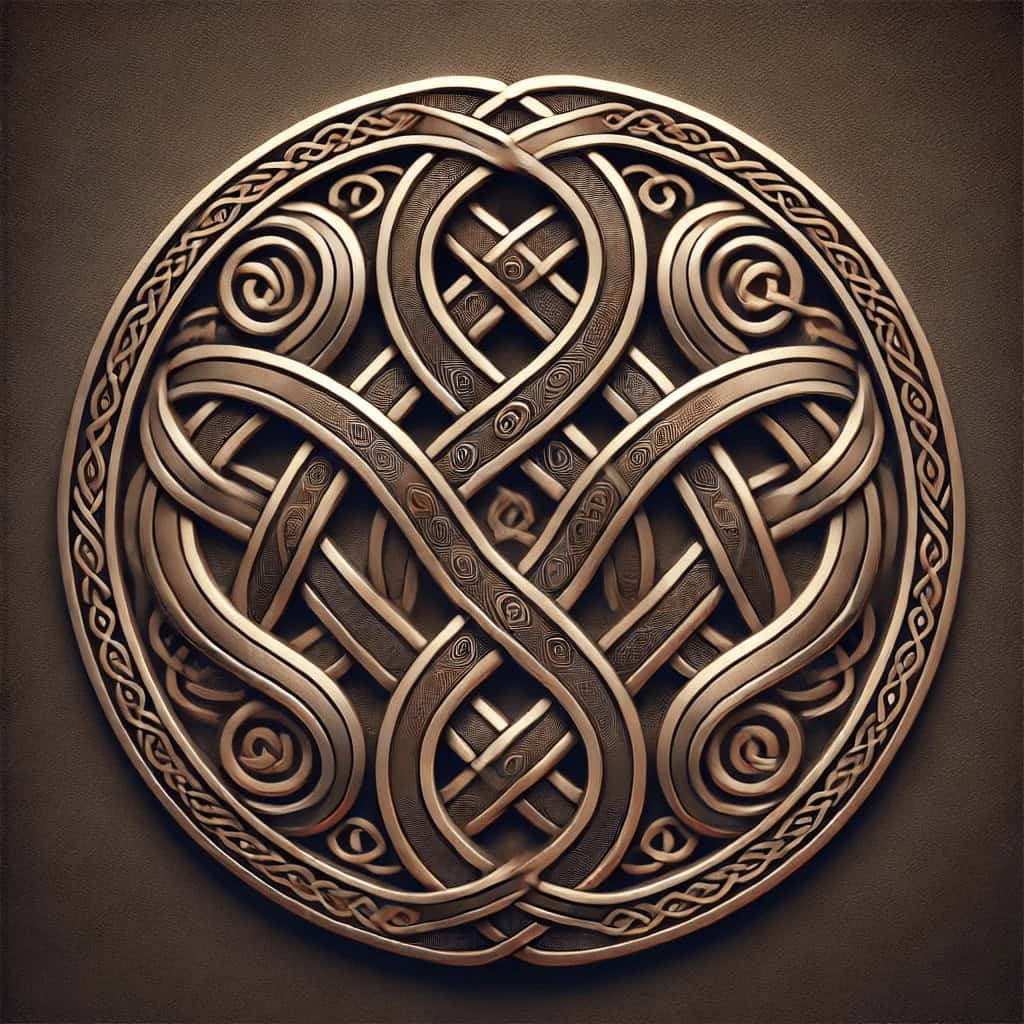
The Celtic Father Knot draws inspiration from the Celts’ reverence for family and their emphasis on strength, unity, and the interconnectedness of all life. While the Father Knot is a modern creation, it is deeply influenced by traditional Celtic designs and values, combining the timeless qualities of Celtic knotwork with the unique symbolism of paternal bonds.
The knotwork itself is far older than the name. Interlace became a defining feature of early medieval Insular art in Ireland and Britain, and you can see it all through the Book of Kells at Trinity College Dublin, written around 800 AD. None of those early pieces label a knot as a “father” knot, though. That meaning was added much later, by modern designers.
Celtic knotwork, known for its endless loops and interwoven patterns, symbolises eternity, unity, and life’s cyclical nature. The Celtic Fatherhood Knot incorporates these elements to reflect the enduring nature of a father’s love and the unbreakable connection between parent and child.
Celtic Father Knot Symbolism and Meaning
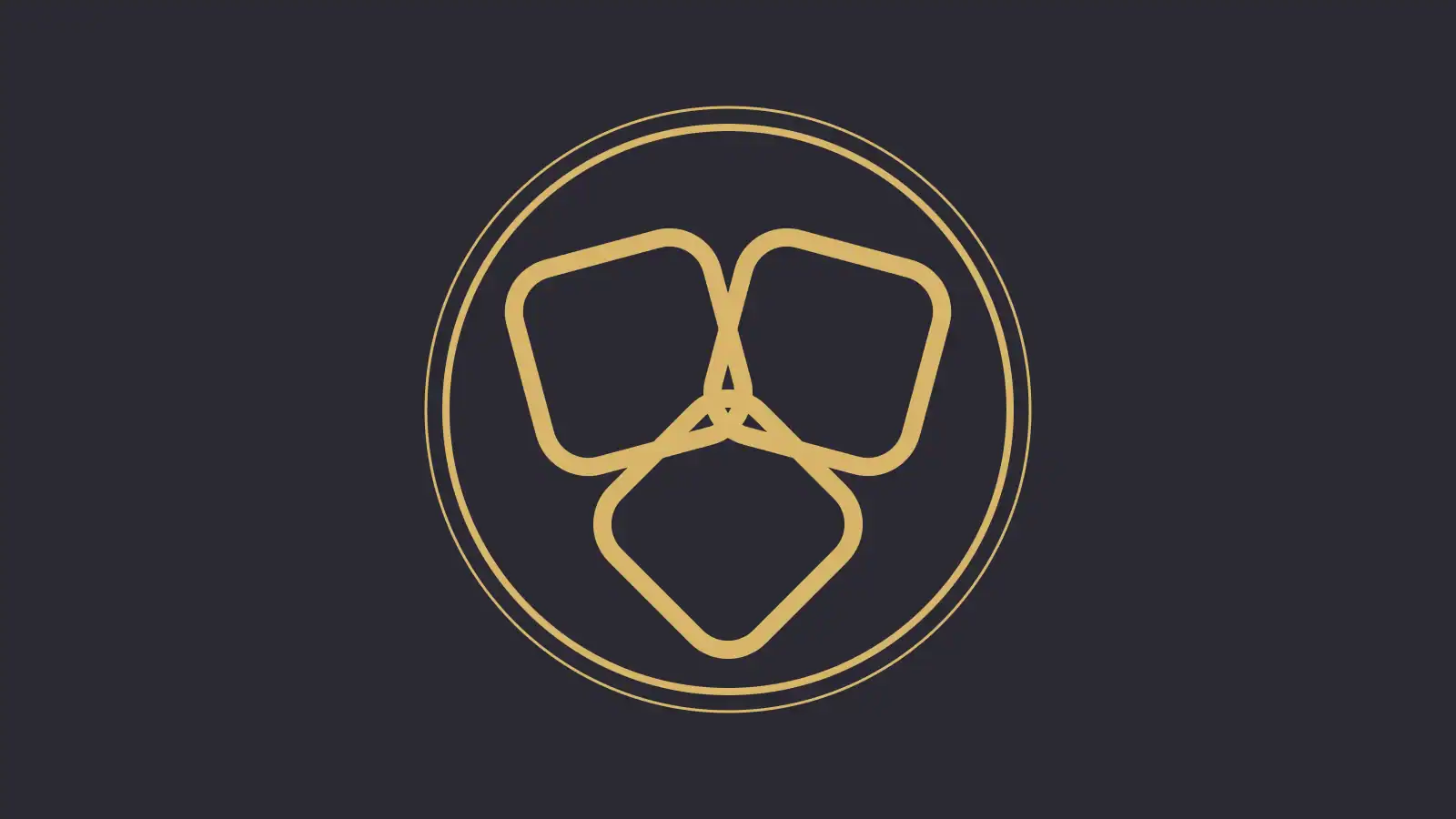
The Celtic Father Knot is imbued with profound meanings, blending the protective qualities of fatherhood with the spiritual depth of Celtic art. Its primary associations include:
- Protection and Guidance: Fathers are seen as protectors and guides, offering wisdom and support. The knot represents the strength and security a father provides.
- Eternal Love: The unbroken loops of the knot symbolise the infinite and unyielding love a father has for his children.
- Unity and Connection: The knot reflects the inseparable bond between a father and his children, as well as the unity of family.
- Strength and Resilience: The knot embodies the father’s role as a pillar of strength, resilience, and stability within the family.
- Eternity and Cycles: Like all Celtic knots, the Fatherhood Knot’s endless patterns represent the eternal cycles of life, love, and family connection.
What Is the Meaning of the Celtic Father Knot Today?
The Celtic Fatherhood Knot is a cherished symbol in modern times, resonating with those who value its themes of strength, love, and unity. Below are its key meanings:
- Paternal Love:
- Symbolises the unconditional and infinite love a father has for his children
- Serves as a reminder of the strength and depth of the paternal bond
- Family and Unity:
- Celebrates the interconnectedness of family and the enduring role of a father
- Highlights the shared journey of life within the family unit
- Protection and Support:
- Reflects the father’s role as a guardian and provider
- Inspires resilience and stability in nurturing relationships
- Legacy and Continuity:
- Represents the passing of values, traditions, and love across generations
- Celebrates the father’s role in shaping the future of his family
Design Elements of the Irish Father Symbol
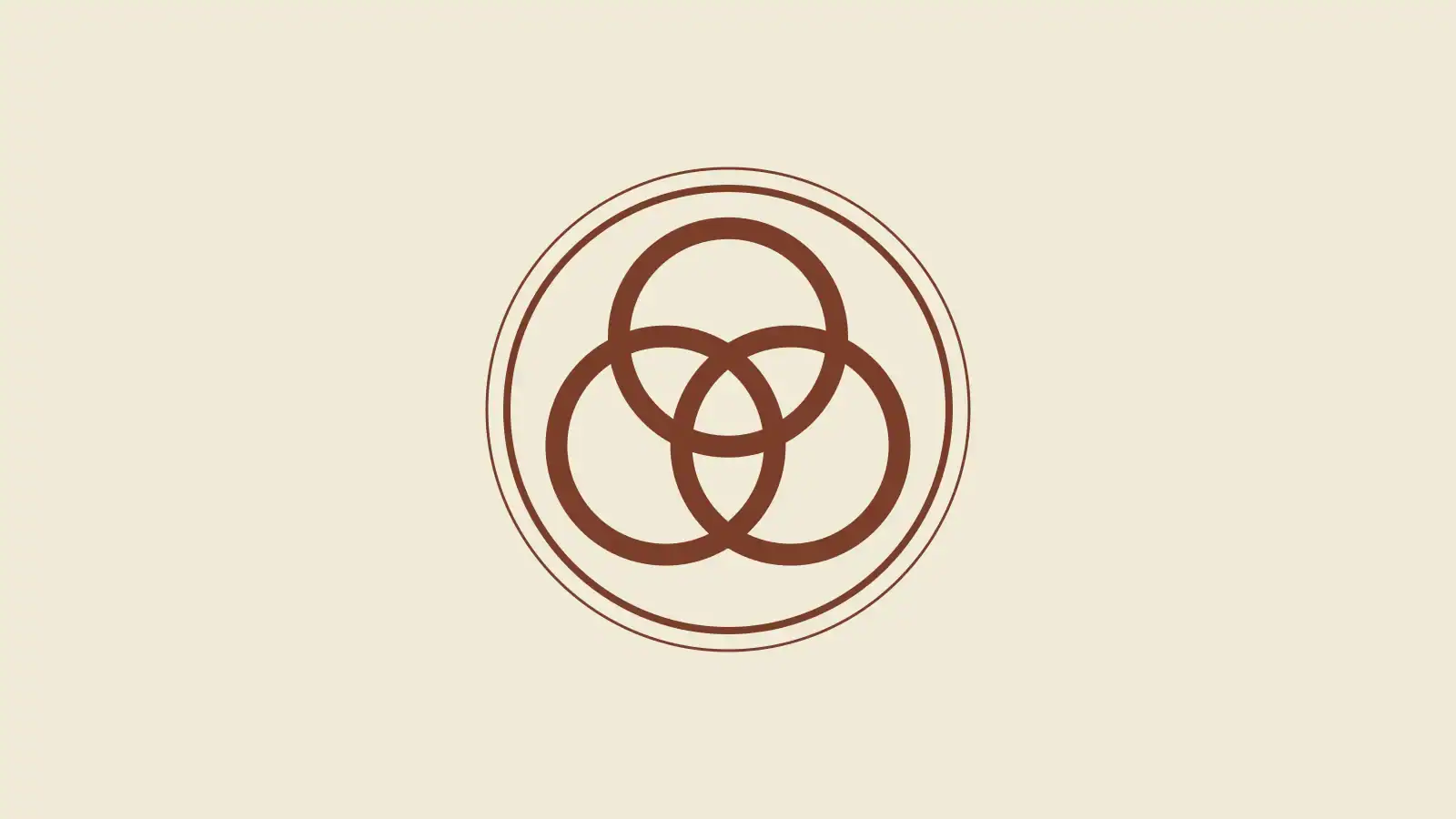
The Celtic Father Knot combines traditional knotwork with personal and familial elements, creating a design that is both meaningful and visually striking. Key design elements include:
- Interwoven Patterns: True to Celtic art, the knot features continuous, endless loops symbolising eternity and unity.
- Strong, Bold Lines: The knot often incorporates bold and defined patterns, reflecting the strength and stability associated with fatherhood.
- Triquetra (Trinity Knot): Many designs integrate the Trinity Knot to represent eternity, unity, and the cyclical nature of life.
- Child Symbols: Some Father Knots include smaller knots, dots, or spirals to represent individual children, making the design uniquely personal.
- Symmetry and Balance: The symmetrical nature of the knot reflects harmony and balance, aligning with the father’s role as a stabilising force.
Designs made for a father and one child, usually two linked shapes, are sold as separate knots. If that’s what you’re after, the Celtic father and son knot is the one to look at, and the Celtic mother and daughter knot is its counterpart on the maternal side.
The Celtic Father Knot in Modern Irish Culture
The Celtic Father Knot has become a meaningful symbol in contemporary culture, valued for its emotional resonance and aesthetic appeal. It is widely used in various contexts, including:
- Tattoos: The Father Knot is a popular tattoo choice for fathers wishing to celebrate their bond with their children. Custom designs often include initials or additional knots representing individual children.
- Jewellery: Many fathers wear the Celtic Father Knot as pendants, bracelets, or rings to symbolise their love, strength, and connection to their family.
- Home Décor: The knot is featured in carvings, wall art, and textiles, serving as a tribute to family unity and paternal devotion.
- Fashion Accessories: The Father Knot appears on clothing, scarves, and accessories, blending ancient symbolism with modern expressions of love.
- Gifts: It is a thoughtful gift for fathers, celebrating their role and the enduring bond they share with their children.
Celtic Father Knot Gift Ideas
Father’s Day falls on the third Sunday in June in both the Republic of Ireland and Northern Ireland, which is Sunday 20 June in 2027. A few things worth knowing before you order:
- Pick the design, not the label: two shops can sell completely different knots as the “father knot”. Look at the shape and choose the one you like.
- Count the children: the most personal versions add a loop, heart or initial for each child, so check whether the maker can adjust it before you buy.
- Think about daily wear: a plain knot on a ring, cufflinks or a wallet insert gets used. An ornate pendant he won’t wear stays in the box.
- For a tattoo: bring the design to the artist rather than a screenshot of someone else’s tattoo, and leave room to add a loop if the family grows.
Celtic Father Knot in Irish Mythology and Folklore
While the Celtic Father Knot is a modern adaptation, its themes align closely with Celtic mythology and folklore, which often celebrated the strength, wisdom, and protection of father figures. Deities such as Dagda, the “Good God” of Irish mythology, exemplify the nurturing and protective qualities of a father. Dagda was seen as a leader, a provider, and a figure of immense strength and wisdom, embodying the ideals of fatherhood. One of his titles, Eochaid Ollathair, the All-Father, says as much.
The Celts also revered the family unit as a cornerstone of their culture, often using art and symbolism to represent familial bonds. The Celtic Fatherhood Knot draws on this tradition, honouring the paternal role in fostering love, protection, and continuity within the family.
Other Celtic Symbols for a Father
The Celtic Father Knot is part of a rich tradition of Celtic art and symbolism. Here are other symbols and knots worth exploring:
- Trinity Knot (Triquetra): Symbolising eternity and unity, it is a genuine early medieval motif. In Christian art it came to stand for the Holy Trinity; readings such as mind, body and spirit are modern.
- Dara Knot: Inspired by the oak tree’s roots, it represents inner strength and resilience.
- Shield Knot: A protective emblem, though the idea that it was used to ward off harm in ancient times is a later interpretation.
- Eternity Knot: Featuring endless loops, it highlights the timeless cycles of life and connection.
- Ailm Celtic Symbol: A letter of the Ogham alphabet, now widely used as a sign of strength. The letter is old; the strength meaning is modern.
- Celtic Motherhood Knot: Representing maternal love and nurturing, it complements the Fatherhood Knot’s themes of protection and strength.
- Celtic Tree of Life Knot: Symbolising growth, harmony, and family, it pairs well with the Fatherhood Knot’s focus on legacy and unity.
The pattern across all of these is the same. The knotwork is old, but the idea that each knot has one fixed meaning mostly is not. Our guide to Celtic symbols and their meanings sorts the documented history from the modern readings, symbol by symbol.
Celtic Father Knot FAQs
Is the Celtic father knot an ancient symbol?
No. The father knot is a modern design that uses the look of early medieval Celtic knotwork. No surviving manuscript, stone carving or piece of metalwork marks a particular knot as a symbol for fathers, so treat any “ancient father knot” claim with suspicion.
What is the Celtic symbol for father?
There isn’t one official symbol. The Celtic father knot is the design most often sold for dads, and the Dara knot, the shield knot and the ailm are popular choices for strength and protection. All of these father meanings are modern readings.
What is the difference between the father knot and the father and son knot?
The father knot is about fatherhood in general and often has room for several children. The father and son knot is a separate design, usually two linked shapes, made for one father and one son. Both are modern designs in a Celtic style.
Can a Celtic father knot show how many children someone has?
Yes, if it’s made that way. Many jewellers and tattoo artists add a loop, heart, dot or initial for each child. It’s a modern custom rather than a traditional rule, so ask the maker before you order.
Conclusion
The Celtic Fatherhood Knot is a powerful and heartfelt symbol that merges the timeless artistry of Celtic knotwork with the enduring bond between a father and his children. As a representation of strength, protection, and eternal love, it inspires those seeking to honour their families and celebrate the role of fatherhood. Whether worn as jewellery, inked as a tattoo, or displayed as art, the Celtic Fatherhood Knot continues to captivate with its intricate design and profound symbolism. Built on early medieval knotwork but modern in its meaning, it serves as a timeless reminder of the enduring strength and love of a father and his unwavering connection to his family.