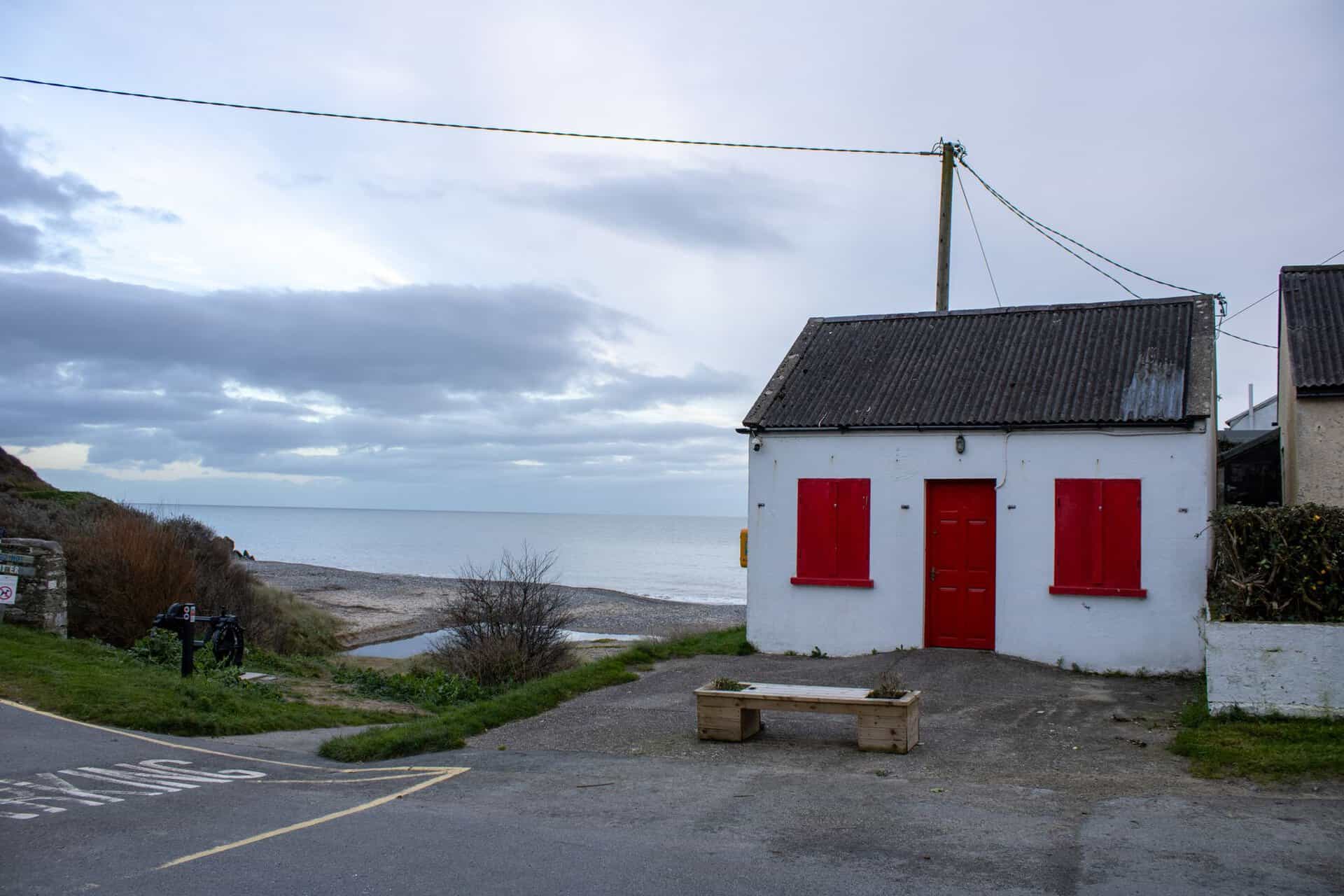

An Ancient East coastal road trip packing list needs to cover three things: changeable weather, time outdoors, and the practical bits that make a drive between heritage sites much easier. Pack layers, waterproof footwear, a rainproof outer shell, driving documents, a day bag, and enough charging kit to keep maps working when the signal gets patchy.
Ireland’s Ancient East coastal stretches can take in Wicklow, Wexford, Waterford, Cork, and plenty of smaller detours in between. One hour can involve a castle, a beach, a cliff path, and lunch somewhere that has very limited opening hours outside summer. A little preparation saves a lot of damp socks and low-battery navigation drama.
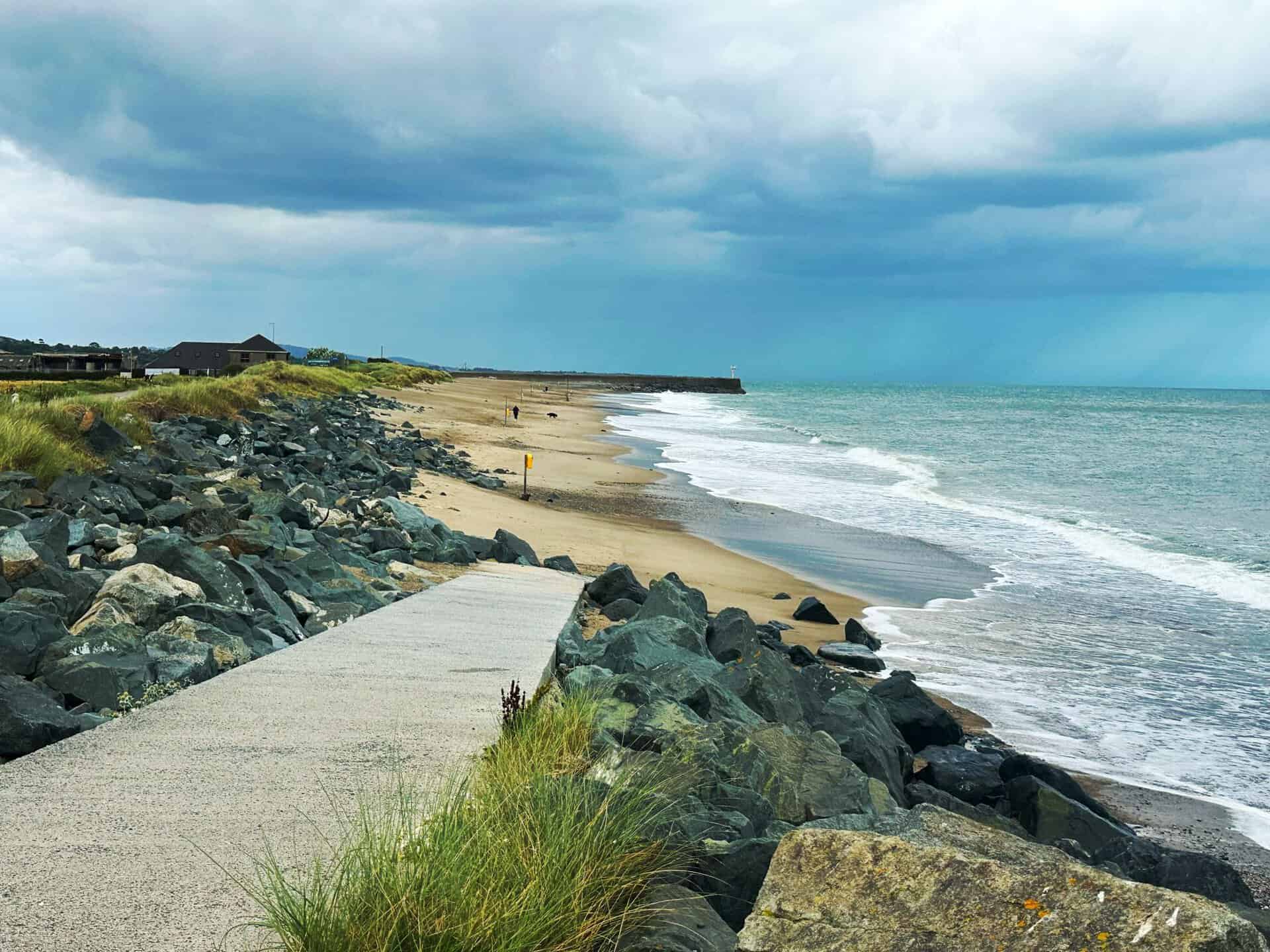
Keep the items you will use during the day in a backpack or roomy cross-body bag, not buried beneath the luggage in the boot. Parking areas at beaches, lighthouses, and heritage sites can be a short walk from the main attraction, and running back to the car because the rain has arrived is a bit of a pain.
A power bank is particularly useful on rural coastal routes. Mobile coverage is generally available, but it can weaken on remote roads and headlands. Download offline maps before leaving each overnight stop, then keep your route visible without relying on the car’s signal.
Pack clothes that can be layered, dried overnight, and worn more than once. Coastal weather can shift quickly with wind and showers, even when the morning begins bright and mild. A reading of 34°F with 95% humidity (as of September 2026) is a fairly blunt reminder that cold, damp air gets through a light outfit quickly. A waterproof outer layer and warm mid-layer are useful in every season.
For forecast information, check Met Éireann’s national forecast before setting out each morning, along with its weather warnings page during unsettled conditions. The forecast will help with timing, though a dry forecast does not make exposed coastlines wind-free.
Jeans are fine for towns, museums, and pub lunches, but they are slow to dry after a wet shoreline walk. Walking trousers or leggings are more practical for days involving the cliff paths around Wicklow or a long loop at Hook Peninsula.
For a wider rundown of clothing and daily touring basics, see this Ireland packing list for rain, walking, and daily touring.
Bring water-resistant walking shoes or lightweight hiking boots with grip. They are useful far beyond formal trails: grassy castle grounds, uneven paths, muddy car parks, and wet stone steps all turn slippery after rain.
You do not need heavy mountain boots for most coastal stops. A comfortable pair of walking shoes is usually enough for town walks, managed heritage grounds, and short coastal trails. If your itinerary includes longer hikes or rougher terrain, choose boots with ankle support and break them in before the trip.
Seaweed-covered rocks, wet boardwalks, and cliff-edge paths need more caution than they first appear to. Keep back from unstable edges, and do not climb down onto shorelines that may be cut off by the tide.

The Ancient East has plenty of coast that rewards an unplanned stop: a quiet beach outside a town, a lighthouse path, a harbour, or a headland with enough wind to rearrange your hair for the afternoon. Keep a compact coastal kit accessible.
Check tides before walking onto broad beaches, sandbars, or rocky coves. Coastal conditions can change quickly, and strong currents are a real risk. Water Safety Ireland publishes beach safety guidance, including advice on swimming at lifeguarded beaches and responding to rip currents.
A beach stop does not require a full expedition pack. A towel, dry socks, windproof layer, water, and a bag for wet items will do the job for most families and casual walkers.
A car makes it easier to connect coastal villages, heritage sites, and walks at your own pace, especially in Wexford and Waterford. The roads can be narrow, winding, and slow through villages, so leave room in the day for missed turns, tractors, photo stops, and the occasional road that looked larger on the map.
Pack your driving documents together in one travel wallet. Visitors drive on the left in Ireland, and Road Safety Authority guidance for drivers visiting Ireland covers valid licences, insurance, speed limits, and other legal requirements. Check the rental company’s rules before travel, especially if you plan to cross into Northern Ireland.
Do not assume every heritage attraction has a large car park or that every coastal café opens late. Check opening times, parking details, and ticket arrangements the day before. Some places operate seasonally, while popular sites can require advance booking.
Coastal drives in Ireland’s Ancient East often include castles, abbeys, historic houses, museums, and old harbour towns. A few small items make those visits smoother, particularly when you are fitting several stops into one day.
Some historic buildings have narrow staircases, uneven floors, and limited step-free access. Review access information directly with each site if mobility is a concern. Heritage Ireland lists visitor information for many Office of Public Works sites, including seasonal opening arrangements.
If your route reaches east Cork, Barryscourt Castle is a useful example of the sort of stop where sensible footwear, a rain layer, and a little time for access arrangements go a long way.
There is no month when a waterproof is a silly thing to carry along the Irish coast. The rest of the bag changes with the season.

Spring can bring crisp, clear days and cold winds, particularly near the sea. Pack layers, gloves, and a warm hat alongside sunglasses and sunscreen. Accommodation and major attractions can be quieter than summer, though Easter and school holidays are busier.
Bring lighter clothes, but keep the fleece and rain jacket in the car. Coastal towns, beaches, and popular heritage sites can get busy, so book accommodation and timed attractions early. A reusable water bottle, sunscreen, and a sun hat earn their place on longer outdoor days.
September can still be pleasant for touring, while October and November tend to bring shorter daylight hours and wetter conditions. Add a warmer mid-layer, spare socks, and a more reliable waterproof jacket. Rainy roads and early sunsets make it sensible to arrive at unfamiliar accommodation before dark.
Winter trips need warm layers, gloves, waterproof footwear, and a torch or headlamp for poorly lit paths and car parks. Many attractions and restaurants reduce hours, so confirm plans in advance. Pack a thermos if long beach walks or outdoor stops are on the agenda. Nothing fancy, but hot tea in a windy car park has its moments.

Most hotels, B&Bs, and self-catering stays provide basics, but a few additions make multi-stop road trips easier. This is especially true when you are moving on each morning and do not want to unpack your entire suitcase for one night.
Book accommodation with parking if you are using a rental car, particularly in busier towns. It is also worth checking breakfast times and check-in arrangements, as an early heritage-site slot can clash with a leisurely B&B breakfast. A nice problem to have, but still a problem.
Families benefit from a small car kit for the gaps between stops. Coastal drives can be scenic, but a child who has had enough of scenery may not share the general enthusiasm.
For a coastal day in southeast Ireland, this guide to Hook Peninsula’s walks, beaches, and historic stops can help you match the packing list to the kind of outing you have planned.
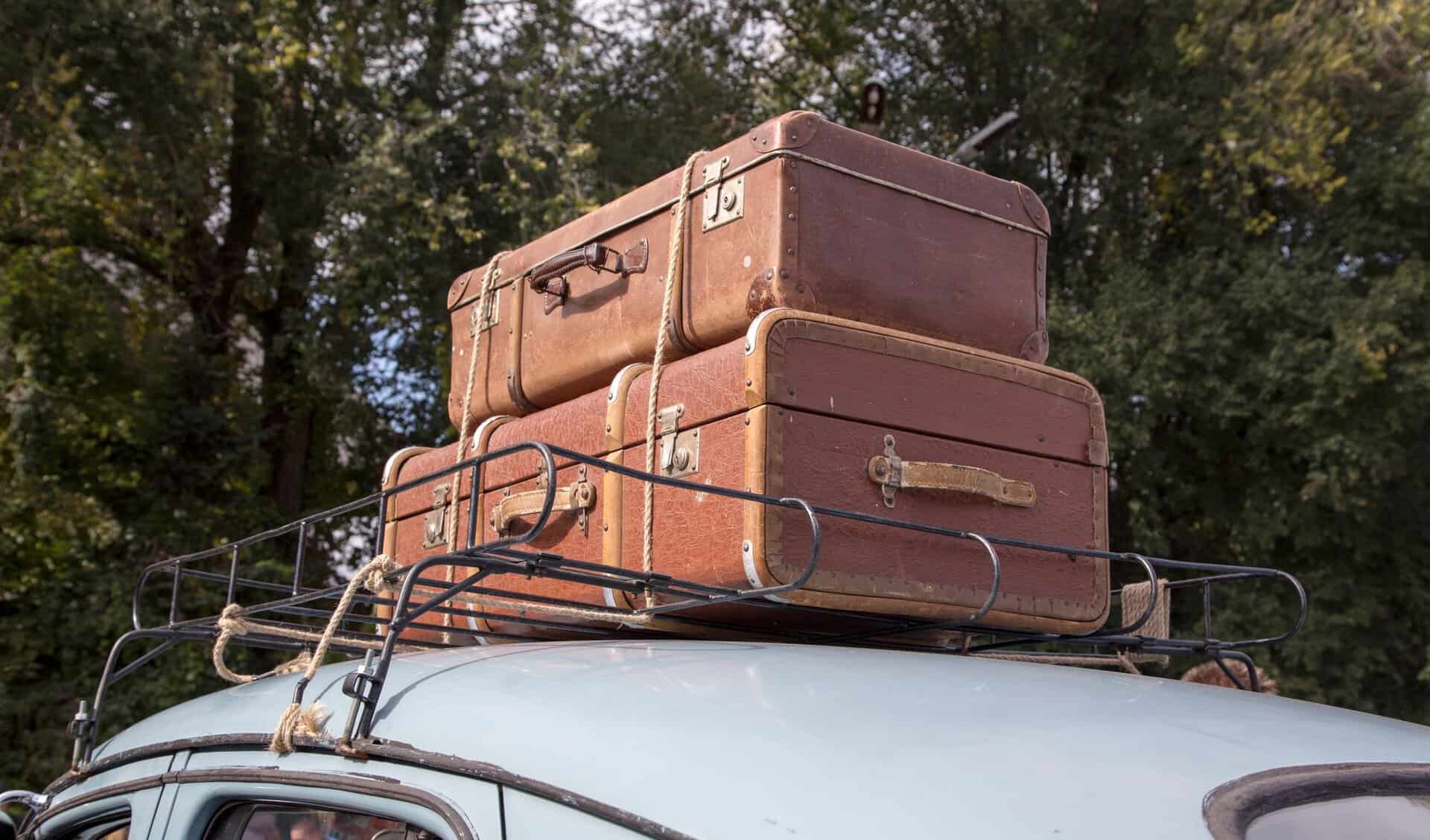
There is no need to fill the car with equipment for every possible version of Ireland. Keep the bag practical and save room for wet coats, groceries, and anything picked up along the way.
A medium suitcase or duffel, a day pack, and one small bag for wet gear is usually a sensible setup. Keep valuables out of sight in the vehicle and take passports, medication, electronics, and driving documents with you when leaving the car.
This approach keeps the trip flexible. If rain moves in, you can swap a beach walk for a castle tour, a museum, or a long lunch without having to reorganise the whole day.
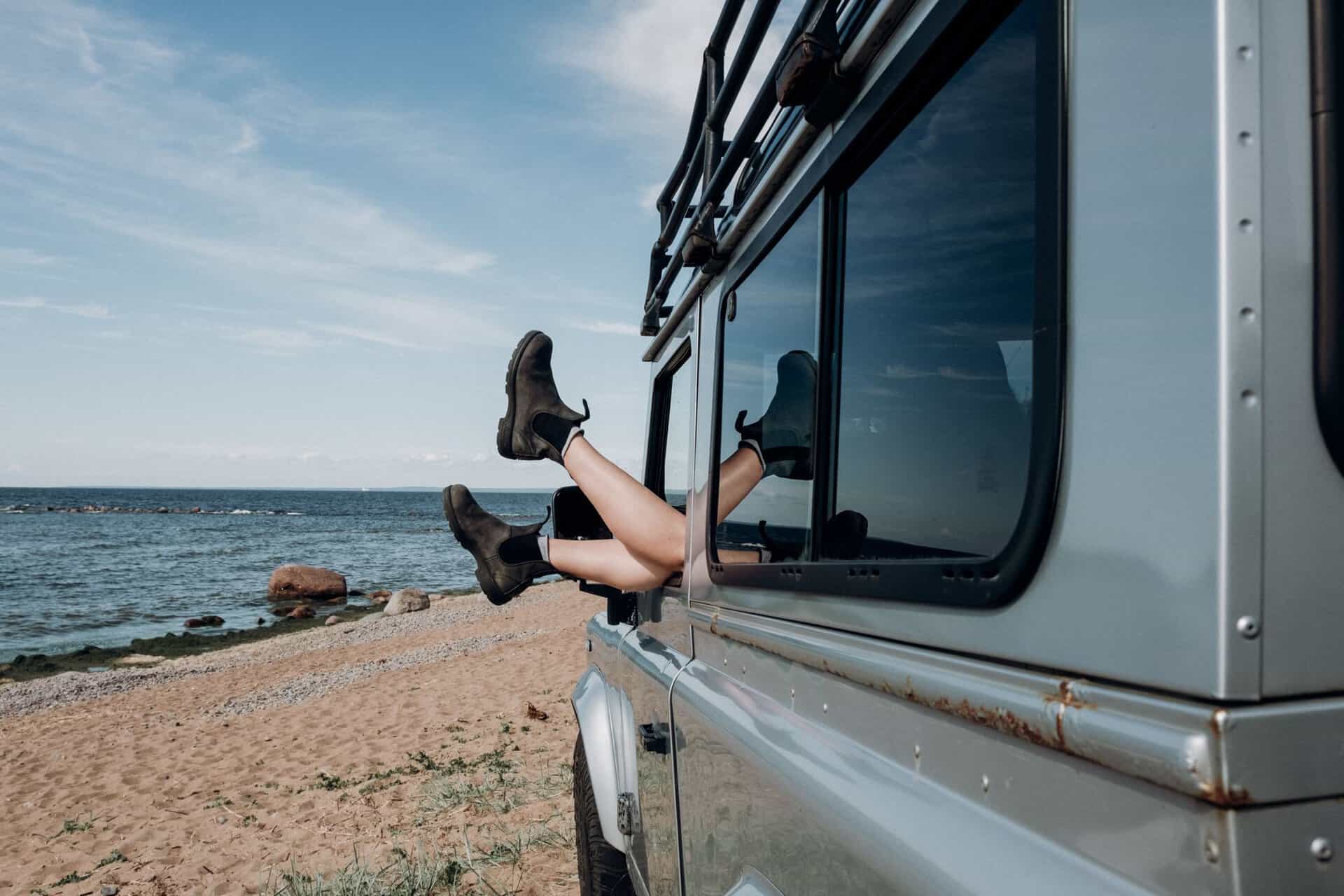
Hiking boots are useful for longer or rougher trails, but water-resistant walking shoes with good grip are enough for most heritage sites, beaches, and short coastal walks. Bring footwear that is already comfortable and can cope with mud and wet grass.
A waterproof jacket with a hood is the most useful single item for an Irish coastal road trip. Pair it with a warm layer, as wind can make mild temperatures feel much cooler near the sea.
A compact umbrella is handy in towns and at attractions, but it is less useful on exposed headlands and beaches where wind can make it awkward. A hooded rain jacket is the more dependable option for coastal stops.
You can swim at suitable beaches, but sea conditions can be cold and changeable throughout the year. Use designated swimming areas where possible, check local safety notices, and avoid entering the water alone or in rough conditions.
For a week, one medium suitcase or duffel plus a day bag is usually enough if you pack layers and plan to re-wear outer clothing. Add a separate small bag for wet shoes and rain gear so the rest of your luggage stays dry.

Matt Hook is a Canadian writer of Scottish and Irish heritage. He built his writing career creating detailed gaming guides, turning complex mechanics, history and lore into useful information for readers. Matt brings that same research-focused approach to Ireland Wide, where he writes about Irish travel, heritage, history and culture. He also holds CMA and CPA designations as a professional accountant, giving him a strong background in research, accuracy and attention to detail.
At Ireland Wide, our aim is to bring authentically Irish insights to you, wherever you are.
Whether you have some feedback or would like to offer some of your own insights for everyone else to explore, don't hesitate to get in touch with us!