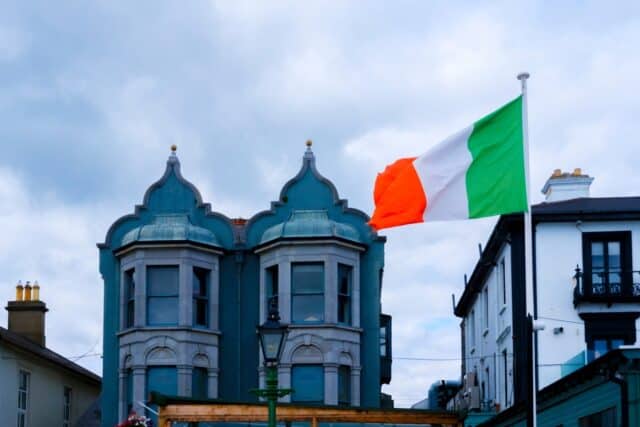
Ireland is easy to enjoy and surprisingly easy to misread. People arrive expecting short drives, simple weather, and a single neat version of Irish identity, then discover narrow roads, fast-changing rain, and a country where local context matters.
If you are searching for things not to do when visiting Ireland, the biggest mistakes are usually practical ones. Rushing through Dublin, underestimating the distance to Connemara or the Ring of Kerry, booking a huge rental car, or treating the Republic of Ireland and Northern Ireland as the same place can turn a good trip into a tiring one.
This guide keeps it straightforward. These are the habits and assumptions most likely to cause problems, plus what to do instead.
Do Not Assume Ireland Is Small Enough To See Quickly
On a map, Ireland can look manageable. In practice, a route that links Dublin, Galway, the Cliffs of Moher, Killarney, Cork, and Belfast can become a long series of hotel check-ins and windshield views.
Roads outside the main corridors are often slower than people expect. On secondary roads, average speeds can drop well below what the map suggests, especially once you are on coastal routes or inland roads with bends, tractors, and villages in quick succession. Scenic areas such as the Beara Peninsula in County Cork, Inishowen in County Donegal, and the Mourne Mountains in County Down reward unhurried time. They do not work well as quick detours squeezed between major stops.
A better approach is to build your trip around two or three bases. For example, combine Dublin with Galway for the west, or Cork with a few nights around Killarney. If you only have a week, trying to do the Ring of Kerry, Connemara, Belfast, and the Wild Atlantic Way in one loop is usually too much.
Do Not Spend Your Whole Trip In Dublin
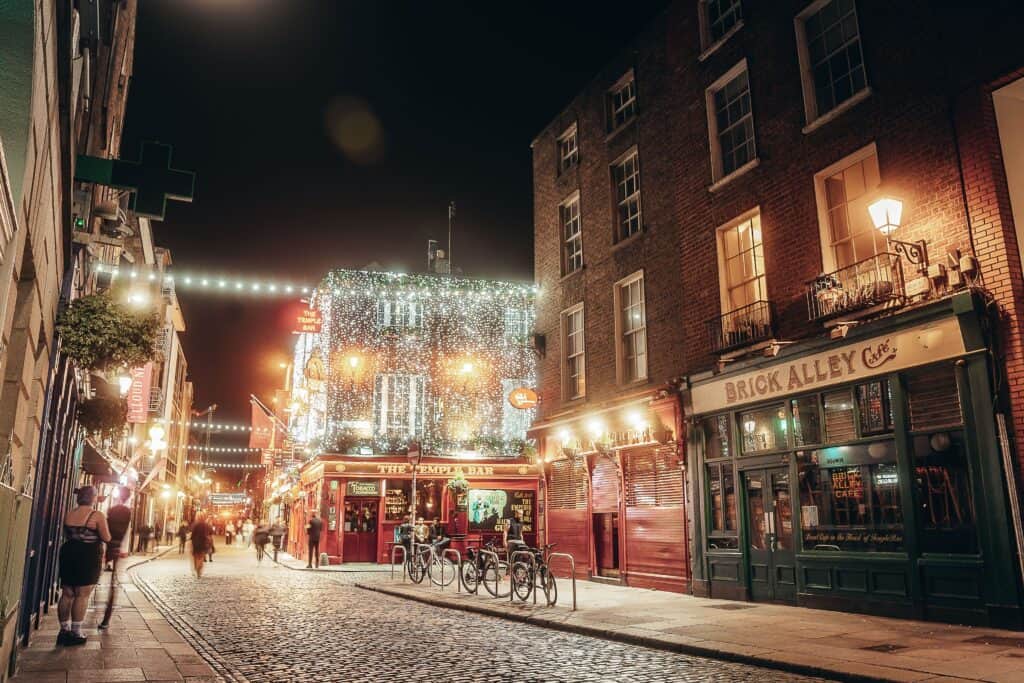
Dublin has plenty going for it, but it is not the whole story. Too many people fly into Dublin Airport, stay in the city center, visit Temple Bar, and leave without seeing much of the rest of the island.
The capital works best as part of a broader trip. A few days lets you cover the city well, then you can move on to places that feel very different, such as Galway, Cork, Cobh, Kinsale, or the coastal routes near County Clare and County Kerry. If you are staying a little longer, mixing city time with quieter stops works well; even nearby options can change the pace completely, and there are plenty of things to do in Naas if you want an easy break from central Dublin without committing to a full cross-country jump.
If you do not want a full road trip, Cork is one of the easier rail-friendly choices after Dublin. It gives you a city base with access to side trips like Blarney Castle, Cobh, and Kinsale.
Do Not Refer To Ireland As Part Of The UK
This is one of the fastest ways to sound careless. The Republic of Ireland is an independent country. Northern Ireland is part of the United Kingdom. If your trip includes both Dublin and Belfast, it helps to know which jurisdiction you are in.
This is not trivia. It can affect how people talk about identity, history, and even practical details during a road trip. Keeping your language precise is basic courtesy.
You also do not need to announce a distant family connection as if it settles the matter. If you have Irish ancestry, people may find it interesting. Claiming to be fully Irish while knowing little about the place usually lands badly. A little background helps, and reading up on Irish things everyone should know about is a decent way to avoid sounding like you learned the place from souvenir shops.
Do Not Joke Carelessly About Irish Stereotypes
Ireland is warm, funny, and full of talkers. That does not mean every old stereotype is welcome. Lazy jokes about leprechauns, drunkenness, or reducing the country to St. Patrick’s Day clichés get old quickly.
Even the holiday name can trip people up. “St. Patty’s Day” is widely disliked. Use St. Patrick’s Day or Paddy’s Day.
If you want an easy way to connect, show interest in things that actually matter locally: traditional music sessions, county rivalries in sport, Irish literature, or the difference between a city pub in Dublin and a quieter local place in West Cork.
Do Not Drink And Drive
This one is not a gray area. In Ireland, the legal blood alcohol concentration limit is 0.05, and roadside breath testing by the Gardaí is common. For professional, learner, and novice drivers, the limit is lower at 0.02, which catches people who assume one drink is harmless.
If your evening involves pints in Galway, Cork, or Killarney, leave the car parked. Ireland’s pub culture is one of the pleasures of the trip. Enjoy it without trying to drive country roads after dark.
Narrow lanes, stone walls, rain, and unfamiliar left-side driving already demand attention. Adding alcohol to that mix is a terrible idea.
Do Not Rent A Big Car Unless You Truly Need One
People often book a large vehicle out of habit, then meet their first rural road and regret it. Parts of Ireland are made up of narrow lanes, tight village turns, and parking spots that feel designed for a much smaller era.
If you are collecting a car at Dublin Airport and planning to drive through County Kerry, County Clare, or Donegal, a compact model is usually much easier to live with. You will feel the difference on roads with hedges close to the edge and no generous shoulder.

TUMELLA Strongest Windproof Travel Umbrella (Compact, 100MPH Wind-Tested) | Light, Portable, One-Handed Use, Automatic Folding Rain Umbrella, Durable, Premium Grip, Fits Car & Backpack
Do not forget the other adjustment, either: Ireland drives on the left. For many visitors, the first hour out of the airport is the hardest part of the trip. Keep that first driving day short if possible. Manual transmission is still common in rental fleets too, so book an automatic early if you need one; leaving it late can mean higher prices or limited choice.
Do Not Underestimate The Weather
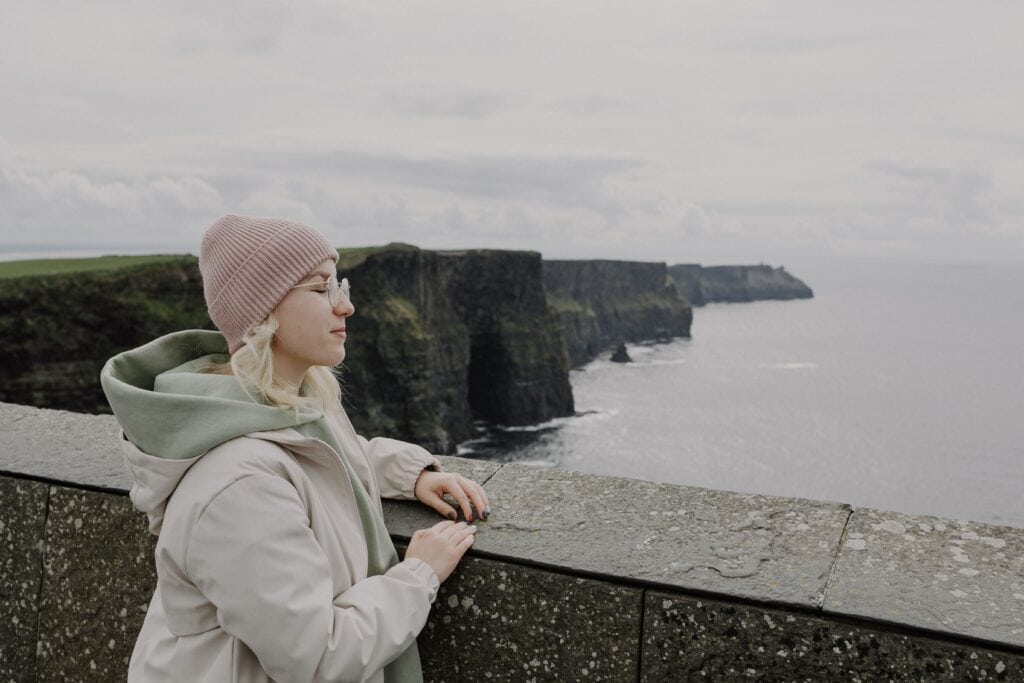
Ireland’s weather changes quickly, and the same day can bring sun, wind, and rain. This catches people who pack for postcard conditions and arrive at the Cliffs of Moher or the coast in flimsy shoes and a light sweater.
Bring layers and a waterproof outer layer. Even if you get lucky with sunshine in Dublin or Galway, exposed places on the coast feel very different. Wind matters as much as rain. Summer daytime highs often sit around the mid-teens to low 20s Celsius, and a bright morning can still turn cold on an Atlantic headland once the breeze gets up.
Good footwear also changes the trip. Wet paths, uneven ground around scenic stops, and slippery streets in old town centers are common enough that fashion-first packing is not much help.

NORTIV 8 Men's Waterproof Hiking Shoes,Black,11 | Lightweight Trekking Walking Fashion Sneakers with Arch Support for Camping Tennis Outdoor Training StreamRunner
Do Not Ignore The Value Of Planning Ahead
Ireland is not the place for a completely blank schedule if you are visiting in peak season or aiming for famous stops. Accommodation in places such as Killarney, Galway, and near the Cliffs of Moher can tighten up quickly, and popular attractions may need advance thought even when entry itself is simple.
A rough route is enough. Know where you are sleeping, how you are getting between places, and which days are for long drives. Leaving every decision until the morning sounds free-spirited and often turns into wasted hours.
Public holidays can complicate matters too. Ireland has 10 public holidays, including the early February holiday marking St Brigid’s Day. Holiday weekends can change traffic, room availability, and local opening patterns. Summer weekends and bank holiday Sundays can also bring heavier queues on routes into Kerry, Clare, and Connemara, so casual last-minute planning tends to work best in the shoulder season, not in July and August.
Do Not Assume You Always Need A Car
A car is useful for a lot of Ireland, but not every trip needs one from start to finish. In Dublin, it is more nuisance than help. Parking costs money, city traffic is slow, and many central sights are easier on foot or by public transport.
If your plan is Dublin plus one additional city such as Cork or Galway, train travel can make more sense. You can always pick up a rental later for the countryside portion. Dublin to Cork by rail is usually around 2 hours 30 minutes, and Dublin to Galway is often a little over 2 hours, which is much easier than fighting city traffic just to get out of town.
The reverse mistake is just as common: planning remote coastal routes without a car and assuming public transport will neatly connect everything. Some areas do, many do not. Match the transport to the route.
Do Not Get Tipping Wrong
Tipping in Ireland is much less rigid than in the United States. It is not mandatory across the board, and people are not expecting a tip every time a drink is poured or a card machine appears.
For a sit-down meal with table service in a pub or restaurant, around 10% is common when the service is good. Some larger groups leave more. In many pubs, particularly when you are ordering drinks at the bar, a tip is not expected.
This is one area where trying too hard can look as odd as doing nothing. Keep it simple and use your judgment.
Do Not Build Your Trip Around Only The Most Obvious Stops
The Ring of Kerry, Cliffs of Moher, Temple Bar, and the Book of Kells are famous for a reason, but they should not swallow the whole itinerary.
If you are heading for southwest Ireland, look beyond the usual loop and give some attention to the Beara Peninsula. In the north, Inishowen offers a very different feel from the standard first-timer circuit. If you are spending time around Belfast, the Mournes deserve more than a passing mention. Donegal in particular rewards extra time, and if you make it that far north there are plenty of fun things to do in Dunfanaghy that feel a long way from the standard coach-stop version of Ireland.
Even within popular routes, balance matters. A packed day of only headline sights can feel oddly shallow. Mixing one major stop with a smaller town, a longer lunch, or a non-touristy pub usually gives you a better day.
Do Not Force Temple Bar To Be Your Main Dublin Experience
Temple Bar is lively and central, and most first-time visitors end up there at least once. That is fine. Making it the center of your Dublin plan is where things go wrong.
You can dip in for the atmosphere, then move on. Dublin has plenty of other neighborhoods and pubs that feel less staged. Even if you stay near Temple Bar for convenience, there is no need to spend every evening there. If you are planning your nights out, it helps to look beyond the obvious and see what else is happening in the city; there are plenty of things to do in Dublin at night that do not involve paying premium prices for one crowded street.
The same logic applies across Ireland. Busy, famous places can be enjoyable in small doses. They just should not define the whole trip.
Do Not Rush Through Meals Or Assume The Food Is An Afterthought
Ireland still gets underestimated on food. That often leads people to eat badly in the most touristy streets and miss what is right in front of them.
Cities like Cork and Galway have strong food scenes, and smaller coastal towns can be excellent places for seafood. If you only grab convenience food between scenic stops, that is usually a planning issue, not a country issue.
Pub meals also vary a lot. A proper sit-down lunch in a well-run pub is a better use of time than racing from one viewpoint to the next with a packaged sandwich from a petrol station.
Do Not Skip Basic Courtesy In Pubs And Conversations

Irish people are often open and chatty, but there is still a line between friendly curiosity and performance. Listen more than you broadcast. Let conversations develop naturally.
In pubs, know whether you are at the bar for drinks or seated for table service. If there is a music session, treat it as something to enjoy, not as background noise for shouting over your group. In smaller towns especially, the session may be as much for the players and regulars as for the room, so barging in with loud singalongs is a quick way to annoy people.
And if someone makes a dry joke, do not panic. A bit of banter is part of the social rhythm.
Quick List Of Things Not To Do When Visiting Ireland
- Do not try to cover Dublin, Galway, Kerry, Cork, and Belfast in a few rushed days.
- Do not say Ireland is part of the UK when you mean the Republic of Ireland.
- Do not drink and drive. The legal BAC limit is 0.05.
- Do not rent a large car for rural roads unless you really need the space.
- Do not pack for dry weather only.
- Do not assume tipping works like it does in the U.S.
- Do not spend the whole trip in Dublin or the whole evening in Temple Bar.
- Do not reduce Ireland to stereotypes or call it “St. Patty’s Day.”
Final Advice For A Better Ireland Trip
The best way to avoid common mistakes in Ireland is to slow the trip down a little. Pick fewer bases. Leave room for weather. Keep your language respectful. Treat driving seriously. And let the country be more varied than the postcard version.
Do that, and the famous places like the Cliffs of Moher, Galway, Cork, and the Ring of Kerry tend to land much better. So do the smaller moments, which are often the reason people start planning a return trip before the first one is over.