Cahir Castle is worth visiting if you want a major Irish castle that still feels like a fortress, not just a shell. It suits day-trippers, families, road-trippers between Cork and Dublin, and anyone who wants strong medieval architecture, easy town access, and a visit that usually fits into about 60 to 90 minutes.
For the wider context, it also earns a place in any roundup of the best castles in Ireland. Cahir is not the grandest landscaped estate in the country, but for defensive design, preserved fabric, and straightforward sightseeing, it is one of the easiest castle visits to recommend.
The practical details matter here because they do change seasonally. Admission and opening times were checked July 2026 on the official Heritage Ireland listing, and this guide sticks to details supported by Heritage Ireland, Discover Ireland, and other primary tourism sources.
Search by castle, county or nearby town, then click a marker to open the complete IrelandWide visitor guide.
Cahir Castle stands on a rocky island in the River Suir, and that location does a lot of the work. Water acted as a natural moat, and access was tightly controlled. Even before you step inside, the setting explains why this site mattered.
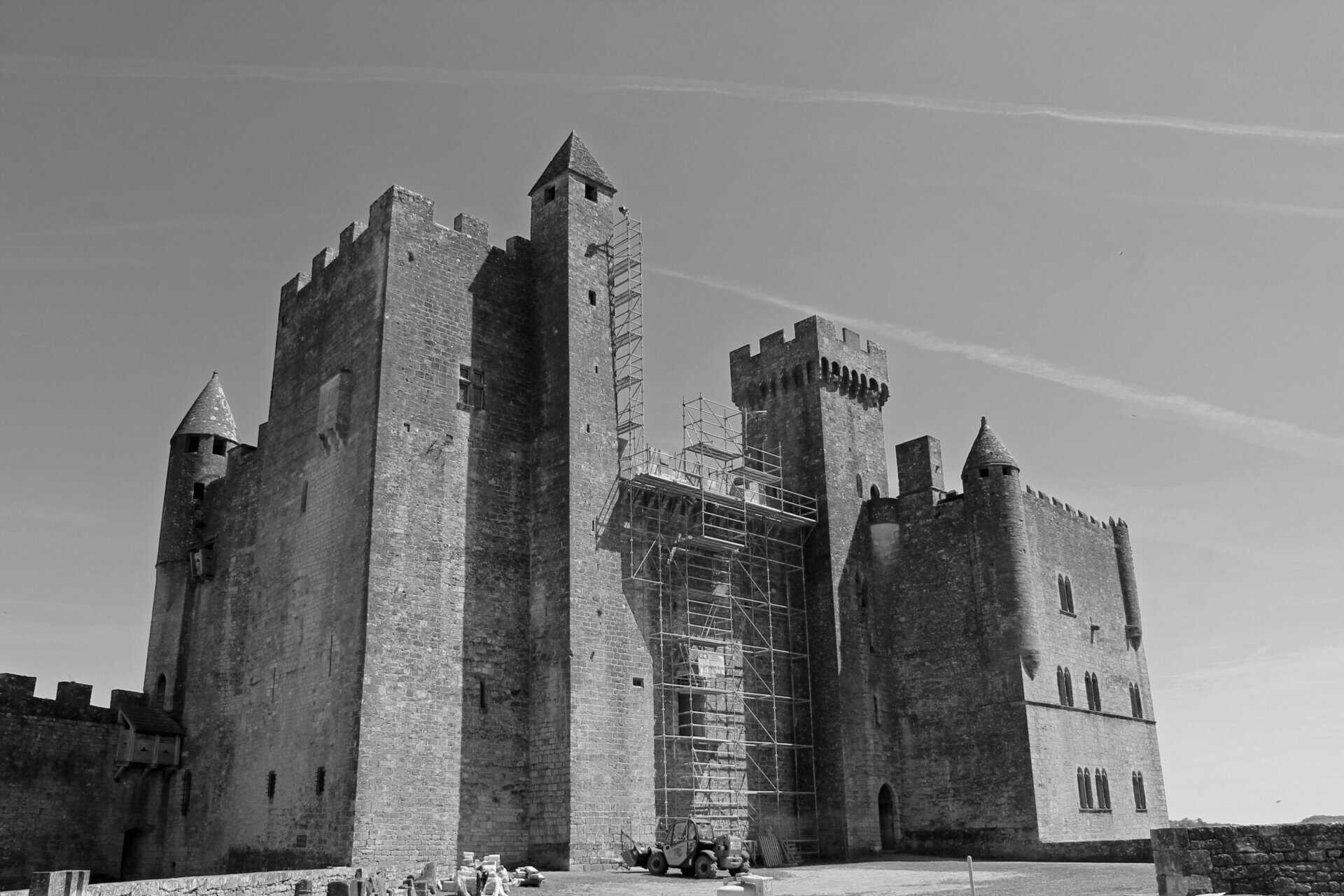
Heritage Ireland describes it as one of Ireland’s largest and best-preserved castles, which is the key reason to go. You are not turning up for a single photogenic tower. You are seeing curtain walls, towers, courtyards, and a keep in a layout that still reads clearly as a military stronghold.
It also avoids the problem some castle visits have, where the outside is better than the experience inside. Here, the surviving structure and the official audio-visual presentation help fill in the story without overcomplicating the visit.
According to Heritage Ireland, adult admission is €5, group or senior admission is €4, child or student admission is €3, and a family ticket is €13. These were checked July 2026.
Heritage Ireland also lists seasonal opening hours rather than one fixed schedule. The published pattern is:
Check the official page again before you go, especially if you are visiting around a bank holiday, in winter, or with a group. Heritage Ireland also states that bus groups must be pre-booked.
The documented story is strong enough without adding folklore. Heritage Ireland states that the castle was built in the thirteenth century and served as the stronghold of the Butler family. Discover Ireland adds that the Butlers came into possession of the castle in 1375.
The fortress was designed as a serious defensive work and was considered exceptionally hard to take. It finally fell to the Earl of Essex in 1599 after heavy artillery was used against it, according to Heritage Ireland. Discover Ireland records two later captures as well, in 1647 and 1650.
Later changes were comparatively modest. Discover Ireland says the castle had largely reached its present appearance by 1599, with later alterations in the 1840s. In 1961, after the death of the last Lord Cahir, it passed to the State.
Much of the original defensive structure survives, which is why the site works so well even for people who are not deep into castle history. Heritage Ireland highlights the eastern curtain walls, the keep, outer courtyard views, and riverbank perspectives.
You can expect a layout of multiple courtyards, towers, stout walls, and the keep, with the River Suir always close enough to remind you why the site was chosen. The visual appeal is not decorative in the stately-home sense. It is more about mass, angles, choke points, and the feeling that attackers would have had a miserable day here.
The official site also notes an audio-visual show that explains the castle’s long history. If you want context without reading every panel, start there.
If you are pairing this with another major stop, the Rock of Cashel is roughly 30 minutes away by road, making Cahir easy to slot into a South Tipperary day. It also fits neatly into a broader 7 day Ireland itinerary or a slightly slower 10 day Ireland itinerary if you are linking Dublin, Cork, and the south.
For most people, 60 to 90 minutes is enough. History fans can stretch that to two hours if they read displays carefully and spend time around the exterior viewpoints.
If you are also walking to the Swiss Cottage via the Coronation River Walk, make it a half-day outing. Discover Ireland notes the walk connection and places Swiss Cottage about 1.9 km from Cahir Castle.
This is a medieval fortress, so full step-free access is not realistic. Heritage Ireland lists a wheelchair-accessible toilet, while Discover Ireland notes limited access for visitors with disabilities and recommends calling ahead if arrangements are needed.
For families, the castle works best if children are happy with stairs, stone passages, and a bit of military history. It is less about interactive exhibits and more about being in the real structure. Keep a close eye on younger kids near edges, steps, and railings.
There is no official café listed among site facilities, so if you need a proper meal or snacks, plan that in Cahir town before or after your visit.
Best wide shots usually come from outside the castle. Heritage Ireland specifically highlights views from the banks of the River Suir and from Inch Field, and those angles show the walls rising from the island much better than a close-up at the gate.
Inside, aim for details that explain the fortification: thick walls, narrow passages, towers, and the way one courtyard leads to another. On bright days, the contrast between open courtyards and darker interiors can be harsh, so a phone camera often does best if you tap for exposure before shooting.
If film and TV locations matter to you, Heritage Ireland notes that the castle appeared in Excalibur and The Tudors. That tends to be more of a fun extra than the main reason to go.
Swiss Cottage is the obvious companion stop. Heritage Ireland lists it among nearby sites, and Discover Ireland points people toward the Coronation River Walk between the castle and cottage. If you want to see how elite taste shifted from military stonework to decorative rural fantasy, the contrast is half the fun.
Inch Field and the sculpture trail sit behind the castle area and give you space for those broader exterior views. It is a good breather after the tighter interior spaces.
Rock of Cashel works well as the bigger-name stop on the same day, especially if you are driving through County Tipperary. For broader planning, our guide to the best castles in Ireland helps place Cahir among the country’s major fortifications, and if this is part of a first big loop around the country, advice for first time visitors to Ireland will save you a few common planning mistakes.
Yes, especially if you want a castle that still reads clearly as a defensive machine. It is easy to reach, reasonably priced, and substantial enough to reward the stop even if you have already seen better-known sites elsewhere in Ireland.
It is a particularly good fit for people driving the Cork to Dublin route, anyone exploring County Tipperary, and families who want a manageable heritage visit without committing a whole day.
According to Heritage Ireland, standard admission is €5 for adults, €4 for group or senior tickets, €3 for child or student tickets, and €13 for a family ticket. These prices were checked in July 2026.
Allow about 1 to 1.5 hours for the castle itself. Add more time if you want the audio-visual presentation, exterior viewpoints, or the walk toward Swiss Cottage.
Yes. Public admission includes access to the castle interior areas open on the day, and Heritage Ireland also lists an audio-visual presentation and guided tours.
Yes, with supervision. Older children usually enjoy the walls, towers, and fortress layout, but the site has steps, uneven surfaces, and edges that require close attention.
Partly. Heritage Ireland lists a wheelchair-accessible toilet, but Discover Ireland says access within the monument is limited for visitors with disabilities, so it is sensible to contact the site before visiting.
The most logical nearby stop is Swiss Cottage, around 1.9 km away according to Heritage Ireland. The Rock of Cashel is also an easy add-on by car if you are touring Tipperary.

Dan is the founder and editor of Ireland Wide. Born and raised in Ireland, he researches the country’s history, mythology and cultural traditions using museum collections, heritage authorities and historical sources. He leads the site’s editorial team, with a particular focus on distinguishing documented history from later folklore and modern interpretations.
At Ireland Wide, our aim is to bring authentically Irish insights to you, wherever you are.
Whether you have some feedback or would like to offer some of your own insights for everyone else to explore, don't hesitate to get in touch with us!