
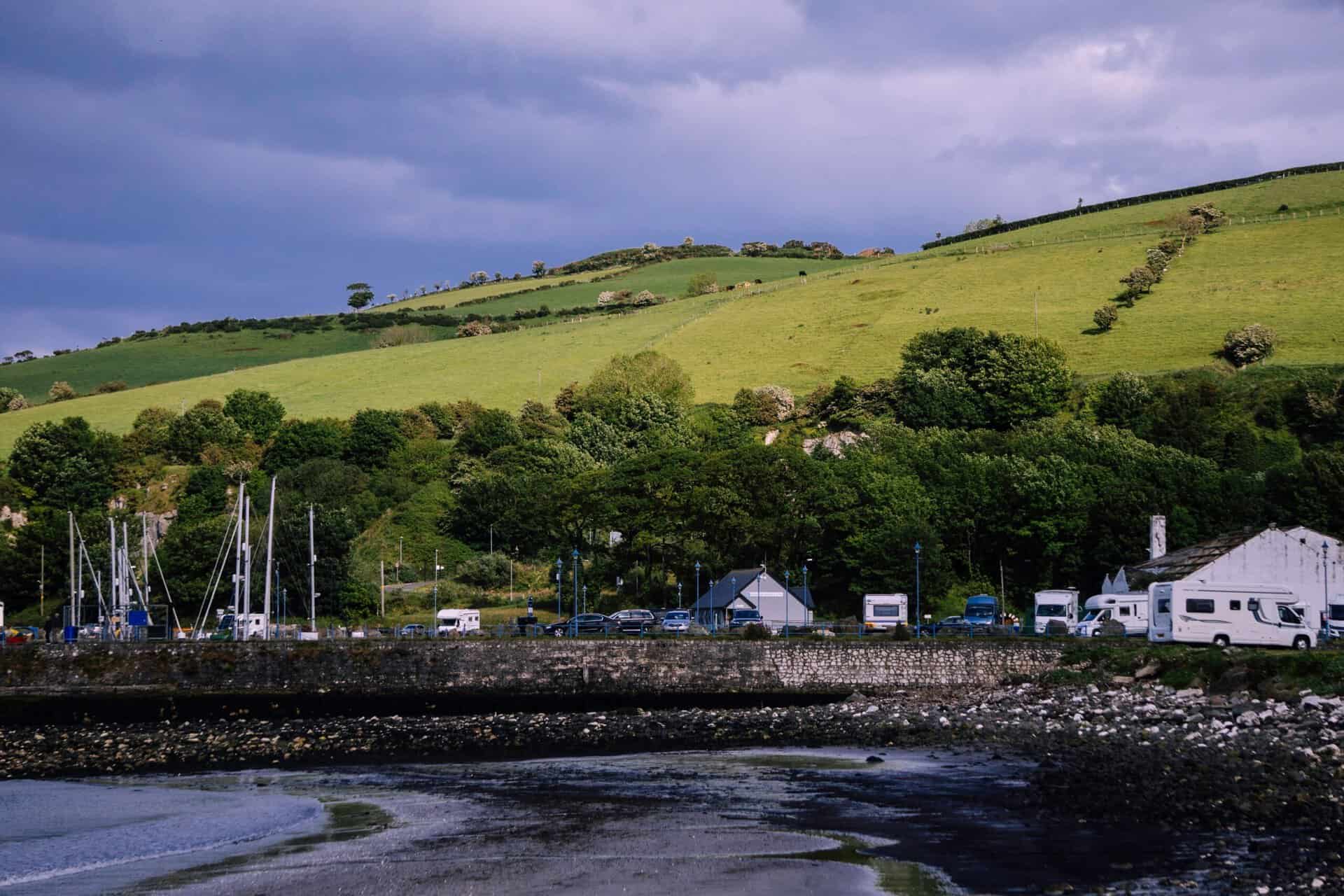
If you have one week and want a first trip to Ireland that actually feels complete, this 7-Day Ireland Itinerary: The Ultimate First-Timer’s Guide keeps the planning tight and the driving logical. It is built for people who want a real loop through Dublin, the south and west, and a taste of Northern Ireland without trying to cover the entire island in a panic.
The trick is accepting that seven days in Ireland is fast. You can still see a lot, though, if you keep the route focused, stay one night in a few different bases, and leave room for the weather to do its usual Irish thing. A car helps enormously for this version of the trip, especially once you leave the cities. Daytime temperatures usually sit around 50°F to 68°F depending on season and rain can show up in any month, so packing layers makes more sense than chasing a perfect forecast weather in Ireland.
This guide follows a practical route that starts and ends in Dublin, with major stops in Cashel, Kinsale, the Ring of Kerry, the Dingle Peninsula, Galway, and Belfast. It is a strong fit for first-timers who want scenery, pubs, castles, and a manageable amount of time behind the wheel.
This itinerary is designed as a road trip. If you plan to stay in Dublin only, or rely entirely on trains, you will need a different setup. The route here is mostly a clockwise or counterclockwise loop depending on where you start your days, but the practical idea is the same: spend less time backtracking and more time seeing the parts of Ireland people usually come home talking about.
For a first visit, that balance matters. You get Dublin for city life, Cashel and Kinsale for history and food, Kerry and Dingle for scenery, Galway for a lively western base, and Belfast if you want one day in Northern Ireland before heading back to Dublin.
Start in Dublin and keep the first day light unless you land early. The city rewards walking, and the best first-day plan is usually a compact central loop so you do not waste energy crossing town to see the same old river views from three angles.
Two easy anchor points are Dublin Castle and Christ Church Cathedral. Both sit close to the historic core, and both work well as exterior stops if you arrive late or simply want a shorter day. If you have time for a proper look, Dublin Castle offers a useful introduction to the city’s political history, while Christ Church Cathedral gives you one of the most recognizable church interiors in the center. If cathedral architecture is your thing, it is worth knowing Dublin is only one small part of the island’s church history, and there are plenty more standout stops covered in this guide to cathedrals in Ireland.
For a first night, staying near the city center keeps things simple. Areas around Temple Bar, the north side of the river, and the streets between St. Stephen’s Green and O’Connell Street are all practical for a short stay, especially if you are arriving by air and want to avoid a complicated first transfer. Temple Bar is lively but expensive, and plenty of people come away feeling the pints were more atmospheric than good value, so sleeping nearby without planting yourself in the middle of it is often the better move.
Leave Dublin and head south toward Cashel, where the big stop is the Rock of Cashel. It is one of the most famous historic sites in Ireland for good reason: the cluster of medieval buildings on limestone rises sharply above the plain and gives you a proper sense of how dramatic these old sites can look even before you know the backstory. From central Dublin, the drive is usually around 2 hours in normal traffic, which makes it a very manageable first road-trip leg.
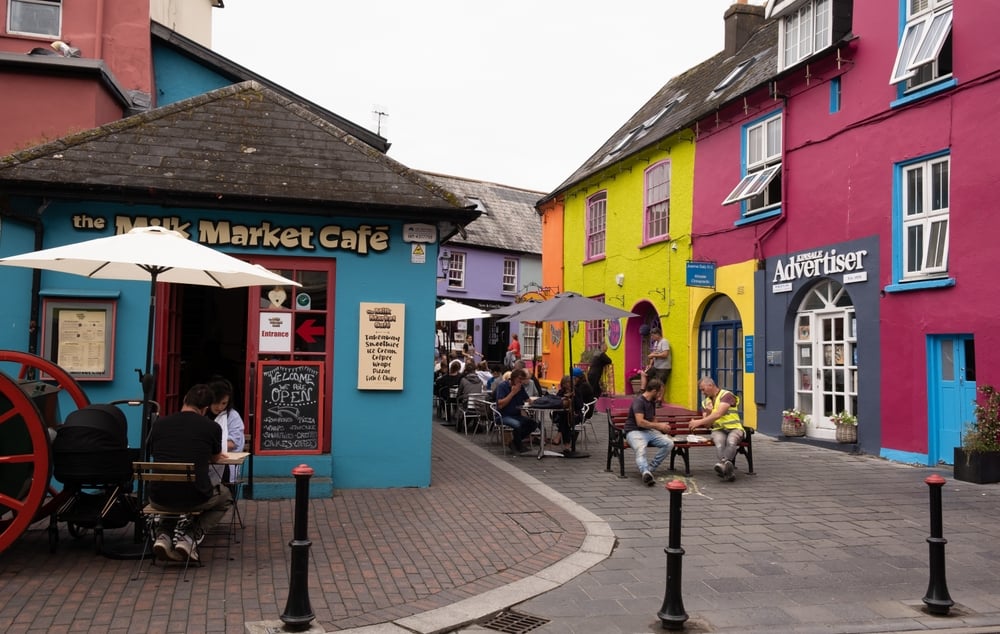
After Cashel, continue to Kinsale, a harbor town that works especially well as an overnight base. Kinsale is a good place to slow the pace after a few hours on the road, with compact streets, waterfront views, and enough pubs and restaurants to make dinner easy to solve.
If you are choosing where to sleep on this route, Kinsale is the one that feels more like a destination than a stopover. It suits couples, food-focused trips, and anyone who prefers a smaller town over another night in a bigger city. It also tends to book up quickly on summer weekends, so reserving ahead matters here more than in some larger towns.
Use the third day to move west through West Cork and on toward the Ring of Kerry. This is one of the classic Irish driving days, so it helps to leave early and keep expectations realistic. You are not racing the route. You are setting yourself up to enjoy the views without turning the car into a punishment chamber.
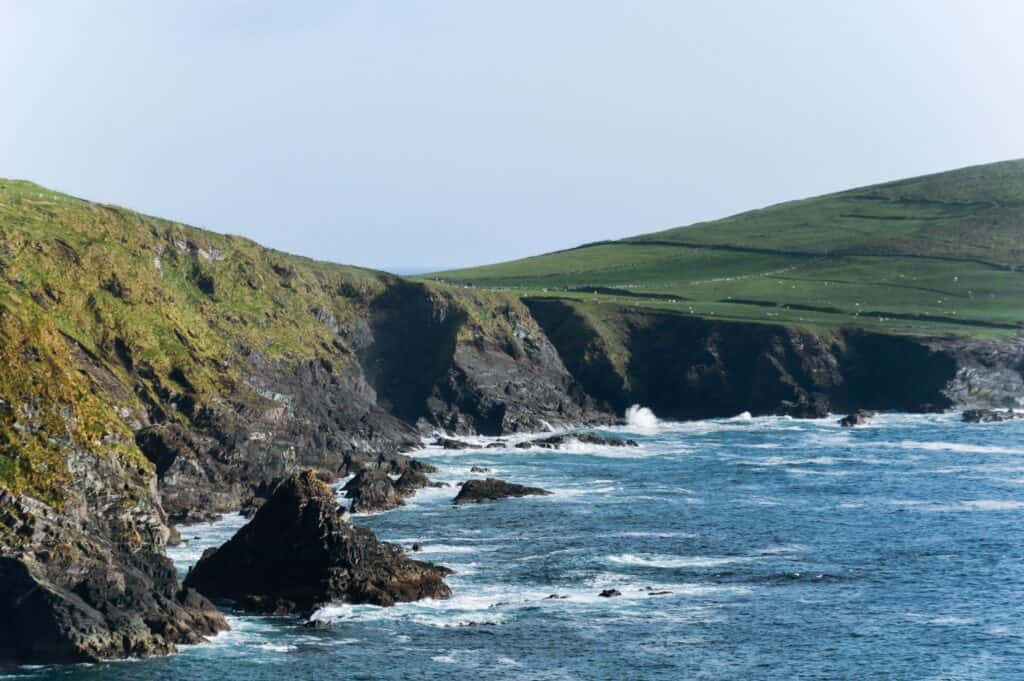
The Ring of Kerry is known for its coastal scenery, mountain stretches, and long views that can change quickly with the weather. It is the sort of drive where a sunny ten-minute window can make you forget the rain entirely, which is lucky because Ireland rarely asks permission before changing the forecast. If you want a more detailed breakdown of the stops and timing, this route overlaps nicely with the 1 day Ring of Kerry itinerary.
For an overnight stop, Killarney is the most practical base. It is well placed for the Ring of Kerry and gives you a straightforward place to find dinner, sleep, and reset before the next leg of the trip. In peak season, Killarney can feel busy and coach-heavy in the middle of the day, but it still wins on convenience.
For lodging, Killarney keeps the next day easy and avoids a tiring late drive after one of the longest scenic legs of the week.
From Killarney, head to the Dingle Peninsula. This is one of the most rewarding days on the route because the peninsula compresses a lot into a relatively small area: coastal views, harbor-town energy, and roads that feel more intimate than the bigger scenic circuits elsewhere in the country.
Dingle town makes the best base here. It is compact, walkable, and built for an overnight stay rather than a quick pass-through. If you want one place on the route where an evening drink, a harbor stroll, and a low-key dinner all make sense without a lot of planning, this is it.
The Dingle Peninsula is also a strong place to slow the pace a little. If you are already feeling the week in your legs, this is the day that usually gives people the best return for the least amount of logistical effort. Slea Head Drive is the big draw, but drivers regularly mention that the roads can feel very tight in places, especially if you meet a bus at the wrong moment. Beautiful, yes. Relaxing every second of the time, not always.

Use day five to cross toward County Clare and then continue to Galway City. This is the day where many first-timers try to cram in too much, especially if the Cliffs of Moher are on the list. The cliffs are the big headline stop in Clare, and they are genuinely worth seeing if your schedule allows.
If you include the Cliffs of Moher, keep the rest of the day realistic. The cliffs run along a dramatic stretch of coastline and can get busy, so the goal is to experience the place rather than sprint through it. After that, Galway makes sense as your overnight base because it gives you a lively city evening without adding another long countryside drive. This leg gives you a taste of the Atlantic side of the country, and if you end up wanting more time out west, it pairs well with this west coast of Ireland travel guide.
Galway is a good fit for people who want music, pubs, and a more urban finish to the western half of the trip. It is also a sensible place to break up the road trip before your final swing north. Parking can be awkward in the center, so a hotel with on-site parking or a nearby garage is worth paying attention to.
By day six, you have earned the right to move at a less frantic pace. If you want more scenery, spend the day in Connemara, which gives you a wilder western landscape and a very different mood from the previous cities and harbor towns. If you want a quieter day, stay in Galway and use the morning for coffee, a walk, and a lazy lunch.
This is the most flexible day in the itinerary, which is useful because weather, energy levels, and road conditions all tend to vary more than anyone would like. Keeping one day with room to adjust makes the whole week feel less brittle.
If you are traveling with someone who has already had enough of driving, Galway is also the easiest place to pause without losing the thread of the trip. It is one of the few stops on this route where doing less can honestly feel like the smart call, not the lazy one.
For the final day, head to Belfast if you want to include Northern Ireland in the week. A day here adds a different political and cultural perspective to the trip and gives the itinerary a useful sense of breadth without demanding a separate week.
After Belfast, return to Dublin for your last night or your departure. If your flight leaves early the next morning, staying near the airport or in central Dublin with an easy taxi plan is the least stressful option. If you have more time, one final dinner in the city center is a nicer ending than spending the evening worrying about airport logistics.
Seven days in Ireland sounds compact on paper, but the roads are slower than people expect, especially once you leave the motorways and move into scenic routes, peninsulas, and smaller towns. That is part of the appeal. It also means you should avoid stacking too many far-apart stops into one day just because they look close on a map. A week like this usually adds up to roughly 850 to 1,000 kilometers of driving, depending on detours.
A practical rule for this itinerary is simple: if a day already includes a major scenic drive, one major stop is usually enough. Trying to add three more can turn a good road trip into a long complaint session with better views.
This 7-Day Ireland Itinerary: The Ultimate First-Timer’s Guide is a strong match for first-time visitors who want a varied trip and do not mind a fast pace. It works especially well for people who like driving, want a mix of cities and countryside, and prefer a route that feels coherent rather than random.
It is less ideal if you want a slow base-and-day-trip holiday, or if you are trying to avoid car rental entirely. In that case, you would be better off trimming the route and focusing on Dublin, Galway, and one additional region.
If you want a first trip that touches Ireland’s major highlights without pretending seven days is enough for everything, this route is a strong place to start. It gives you the essentials, keeps the drive sensible, and leaves room for the kind of unplanned detours that usually become the best part of the trip.

The Irelandwide Editorial Team is a group of travel writers, researchers, and content creators dedicated to publishing accurate, up-to-date information about Ireland. Our content covers travel guides, castles, attractions, Irish culture, tourism news, and official data to help visitors and locals alike. We prioritize reliable research, clear writing, and trusted sources to create practical resources for exploring Ireland with confidence.
At Ireland Wide, our aim is to bring authentically Irish insights to you, wherever you are.
Whether you have some feedback or would like to offer some of your own insights for everyone else to explore, don't hesitate to get in touch with us!