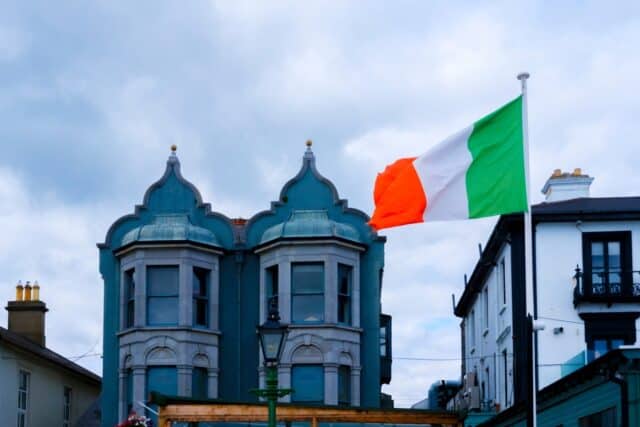
A trip that includes Dublin Ireland streets, a windy stop at the Cliffs of Moher, and a walk through Killarney National Park can leave you dealing with drizzle, sun, damp grass, and a warm pub all in the same day.
That is why a good Ireland packing list is less about cramming in more stuff and more about choosing the right things. If you pack well, you stay comfortable, move more easily, and avoid buying emergency replacements after you land.
Here are the 10 essentials you need to pack for your Ireland trip, with practical notes on what actually earns space in your bag.
1. A Waterproof Jacket With a Hood
If you pack only one Ireland-specific clothing item, make it a lightweight waterproof jacket. Ireland’s rain is often steady and annoying rather than dramatic, and western counties usually see well over 1,000 mm of rain across the year, so a breathable rain shell works better than a bulky coat in many seasons.
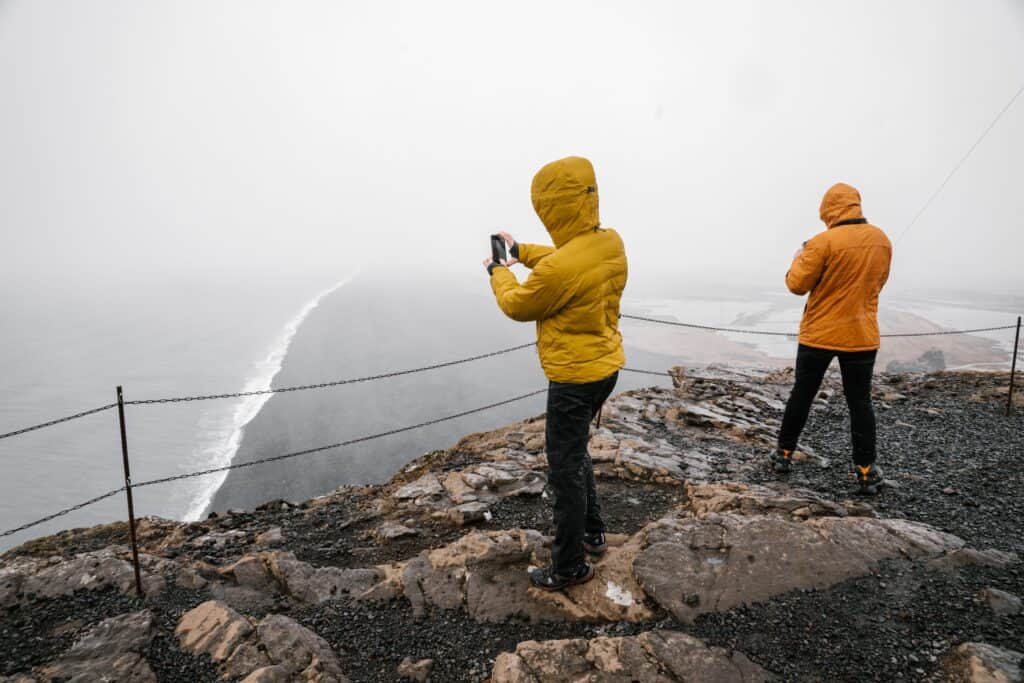
A hood matters. Wind plus light rain is common on exposed coastal stops such as the Cliffs of Moher in County Clare, and umbrellas are not always much use there. A jacket you can zip up quickly is far more practical when the weather flips halfway through a walk.
Skip heavy outerwear unless your trip is centered on winter. Layers under a rain shell are usually easier to manage when you move between outdoor sites and warm indoor spaces like pubs, hotels, and museums.

Little Donkey Andy Men's Waterproof Long Rain Jacket Dark Blue XXL | 1OO% Waterproof 3 layer Long Jacke,Hidden Hood, Lightweight Outdoor Rain Coat for Hiking Golf Travel
2. Comfortable Waterproof Walking Shoes
Waterproof walking shoes or boots are close to non-negotiable. Ireland is full of places best seen on foot, and wet ground shows up fast, even when the day looked dry at breakfast.
Cobblestones in older city centers, damp grass at monastic ruins, and muddy edges on scenic trails can make ordinary canvas sneakers feel like a bad decision very quickly. Good tread helps on uneven surfaces, especially if your itinerary includes coastal viewpoints or rural stops.
If hiking is not on your plan, you do not need heavy mountain boots. A sturdy waterproof walking shoe is usually enough for city touring, most popular outdoor stops, and full museum days in the capital, especially if you are hopping between sights listed in these free museums in Dublin.
3. Layers You Can Add and Remove Easily
The best clothing strategy for Ireland is simple: pack layers, not one giant outfit for every weather scenario. Light sweaters, fleece tops, base layers, and a couple of long-sleeve options work better than one thick coat you cannot adjust.
Merino wool gets recommended often for good reason. It stays comfortable when the air is damp and does a better job than cotton when the weather turns cool. A light sweater over a shirt, topped with a waterproof shell, covers a huge range of conditions. Summer highs in Dublin are often around the high teens to low 20s Celsius, while evenings in coastal counties can feel much cooler once the wind picks up.
For a weeklong trip, many experienced Ireland visitors keep things pretty lean with a compact mix of pants, shirts, socks, and sweaters. That usually works because casual rewearing is normal, and most people are not dressing up every night.
4. Wool or Quick-Dry Socks
Socks sound boring until you are halfway through a wet day. Wool or quick-dry socks are far better for Ireland than thin cotton pairs that stay damp and rub your heels raw.
If you plan to spend time outdoors in places such as Killarney National Park or along parts of the Wild Atlantic Way, bring enough socks that you are not trying to dry a pair on a hotel radiator. It is a small packing decision that pays off fast. The same goes for night outings in colder months if you are heading somewhere dark and open to try seeing the northern lights in Ireland.
Three or four good pairs are often more useful than stuffing in a week’s worth of cheap ones.
5. A Small Day Bag That Can Handle Weather
A day bag does a lot of work in Ireland. You need somewhere to keep your phone, charging cable, rain layer, booking details, medication, and a small amount of cash in euros. A small backpack or crossbody bag is usually the sweet spot.
It should be comfortable enough for full days in places like Dublin, where you may walk between sights, stop in museums, and carry an extra layer all afternoon. A bag that closes securely is useful in busy transport hubs and city centers. Water resistance helps, but even a basic bag works better if you keep electronics inside a zip pouch. Pickpocketing is not an everyday disaster in Ireland, though complaints do come up around crowded central areas and late-night transport, so a bag that zips fully is the sensible option.

BAGAIL 8 Set Packing Cubes Luggage Packing Organizers for Travel Accessories-Cream
6. A Universal Plug Adapter and Charging Setup
A plug adapter is essential. Ireland uses Type G plugs with a 230V supply, the same chunky three-rectangular-pin setup used in the UK, so charging on arrival is not something to leave to chance.
Bring one good universal adapter, your phone charger, and any cables for watches, cameras, or earbuds. A power bank is also handy if you rely on your phone for maps, tickets, and photos during long day trips.
If your whole trip lives on your phone, losing battery in the middle of a transit day between Dublin Airport, a rail station, and your hotel is more annoying than dramatic, but still very avoidable.
7. Your Passport, Booking Details, and Any Driving Documents
Your passport belongs at the top of the list. For most international visitors, a valid passport is required for arrival in Ireland, and it should remain valid for the full stay. If you are still sorting paperwork, it helps to check whether U.S. citizens need a visa for Ireland before you fly.
Keep your booking confirmations accessible on your phone. Many operators send tickets or vouchers by email and accept digital presentation, so paper printouts are often unnecessary.
If you are renting a car for routes through County Kerry, Connemara, or the Causeway Coastal Route in Northern Ireland, bring your physical driver’s license. For many U.S. visitors, an International Driving Permit is not required in Ireland, but the physical license is.
It also helps to carry a small amount of euro cash, even if you expect to pay by card most of the time. Card acceptance is widespread, including contactless, but small rural businesses and the occasional taxi still catch people out.
8. Prescription Medication and a Small Health Kit
Bring enough prescription medication for the full trip and keep it in its original labeled packaging. A brief note from a medical professional can be useful if you carry anything that might raise questions during travel.
For a simple personal kit, many people do well with:
- Pain reliever
- Motion sickness tablets for bus tours or ferry trips
- Bandages or blister care
- Stomach medication
- Hand sanitizer
- Tissues
This is especially handy if your itinerary includes long scenic drives, boat crossings, or remote stops where buying what you need means waiting until the next town. Pharmacies are easy enough to find in larger Irish towns, but Sunday hours can be shorter and smaller villages may have only one chemist or none at all.
9. Smart Casual Clothes for Evenings
Ireland is generally relaxed, but smart casual works well for dinners, live music nights, and nicer hotels. You do not need formalwear for most trips, though one slightly dressier outfit is useful if you are staying somewhere upscale such as a manor house or castle hotel.
A dark pair of trousers or jeans, a knit layer, and shoes that look decent after a rainy day usually cover it. This is also where packing fewer, more versatile pieces makes life easier.
If your hotel has a spa or heated pool, a swimsuit can earn its place too. Quite a few Irish hotels include leisure facilities, and people often forget that until check-in. The same goes for distillery stops or restaurant bookings where you may want to look a touch sharper than you did on the cliff walk earlier that afternoon, especially if your route includes Northern Ireland whiskey distilleries.
10. A Suitcase You Can Manage Without Regret
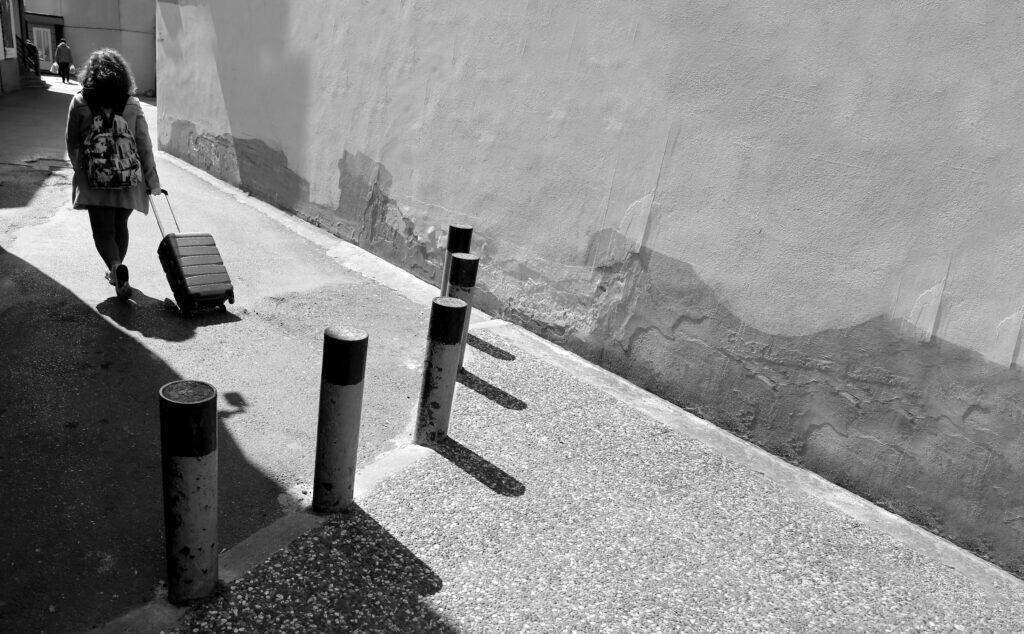
The final essential is not glamorous, but it affects the entire trip. Pack light enough to move your own bag comfortably. That means lifting it into a car boot, carrying it up a stairwell, and rolling it across old pavements without cursing your past self.
Some multi-day tour operators in Ireland set a limit of one large bag per person, and one published size cap is 31 inches or 79 centimeters on the longest side, including wheels. Even if you are not joining a tour, that is a sensible upper limit to keep in mind.
A medium suitcase plus a small day bag is enough for most Ireland trips. Packing cubes help keep layers, socks, and smaller items from turning into one damp-looking mess by day three.
What Not to Pack for Ireland
Leaving the wrong items at home is almost as helpful as packing the right ones.
- A giant hard-shell suitcase if you are changing hotels often
- Several heavy coats when one rain shell and layers will do the job
- Too many shoes, especially pairs that are not waterproof
- Fragile umbrellas for exposed coastal days
- All-cotton outfits that stay damp and uncomfortable
Ireland rewards practical packing, not optimistic packing.
A Simple Ireland Packing Strategy That Actually Works
If you like a formula, use this one:
- Wear your bulkiest items on the plane, especially walking shoes and your sweater.
- Build outfits around layers, not around single-use pieces.
- Assume one bag and one day bag unless you have a very specific reason to bring more.
- Keep documents, medication, and chargers in your personal item.
- Leave extra room for snacks, gifts, or the inevitable last-minute additions.
That approach works well for city breaks in Dublin, road trips through County Clare, and guided circuits that mix towns, countryside, and coastal stops.
Where to Stay While Planning an Ireland Route
If you are still mapping out your trip, a few classic bases make packing and planning easier. Dublin works well for arrival nights, museums, and public transport connections. Galway suits west-coast day trips and a lively evening scene. Killarney is a practical base for Ring of Kerry days and time in Killarney National Park.
Final Thoughts on the 10 Essentials You Need to Pack for Your Ireland Trip
The best Ireland packing list is not the longest one. It is the one that keeps you dry, comfortable, and mobile without making every train platform and hotel stairwell feel like a punishment.
If you cover the basics with a waterproof jacket, solid shoes, adaptable layers, the right documents, and a manageable bag, you are in good shape. Ireland can throw a bit of weather at you. It usually rewards people who packed for it without overreacting.