An Ireland travel-tech packing list starts with a Type G plug adapter, an unlocked phone or a roaming plan you have actually checked, and offline maps downloaded before you leave. Ireland is easy enough to navigate by phone, but a flat battery or surprise data charges can make a straightforward drive a bit of a pain.
The Republic of Ireland and Northern Ireland use the same three-pin socket style. Mobile coverage is generally useful in towns and on major roads, though rural routes, hills and coastal areas can still produce the odd blank patch.
Ireland Travel Tech Packing List: The Essentials
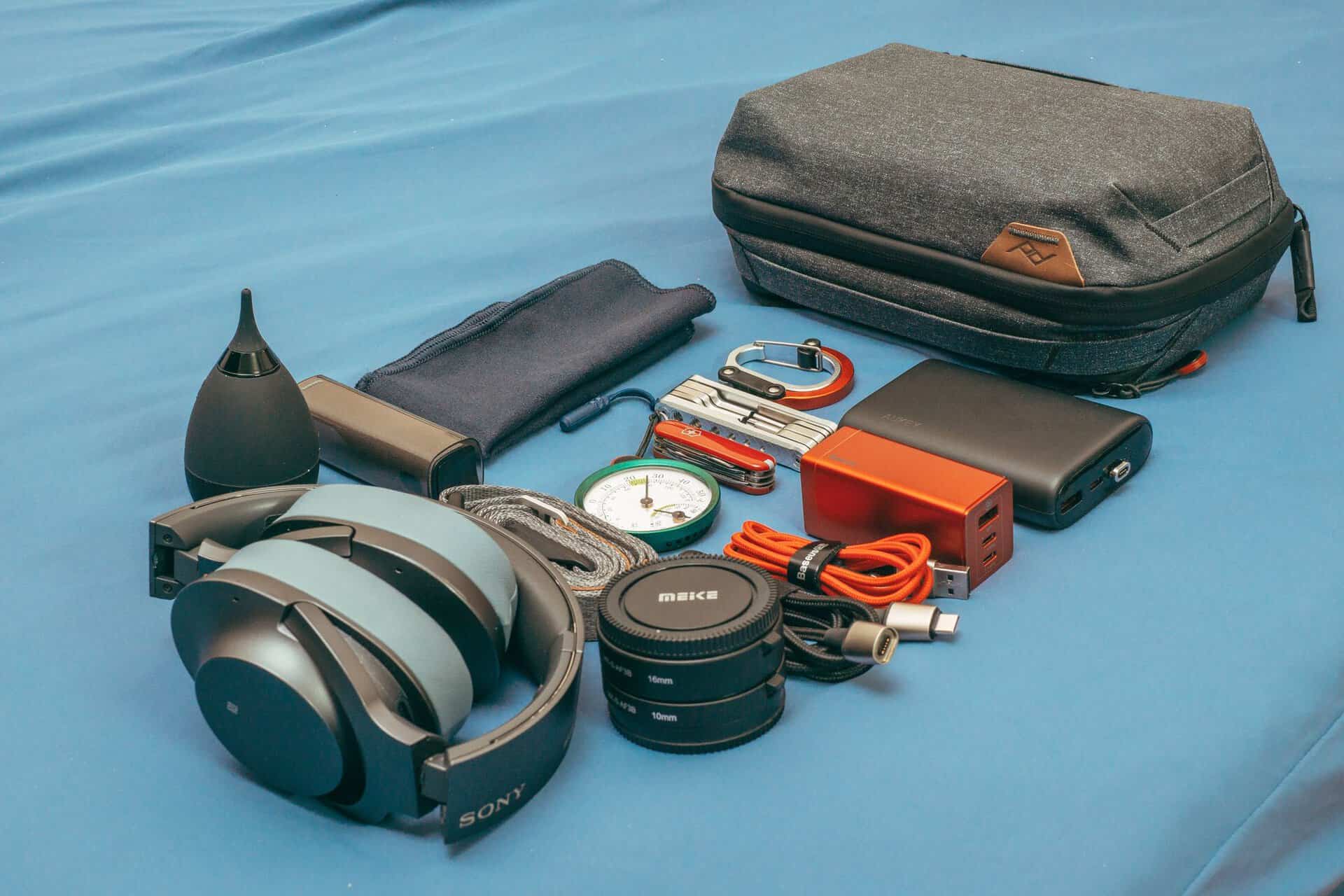
- Type G travel adapter: Ireland uses the large, rectangular three-pin plug also used in the UK.
- Phone charging cable and wall charger, plus a spare cable if yours is prone to dramatic exits.
- Portable battery pack for long travel days, flights and full-day walks.
- An unlocked smartphone if you may use an Irish SIM or eSIM.
- Downloaded offline maps for driving routes and key towns.
- Earbuds or headphones for flights, train journeys and audio guides.
- A small car charger or USB-C car cable if hiring a car.
- A water-resistant pouch or zip bag for electronics in a day bag.
For the rest of your suitcase, see this Ireland packing list for rain, walking and daily touring. Tech is only one part of the job, sadly.
Bring the Right Plug Adapter and Charger
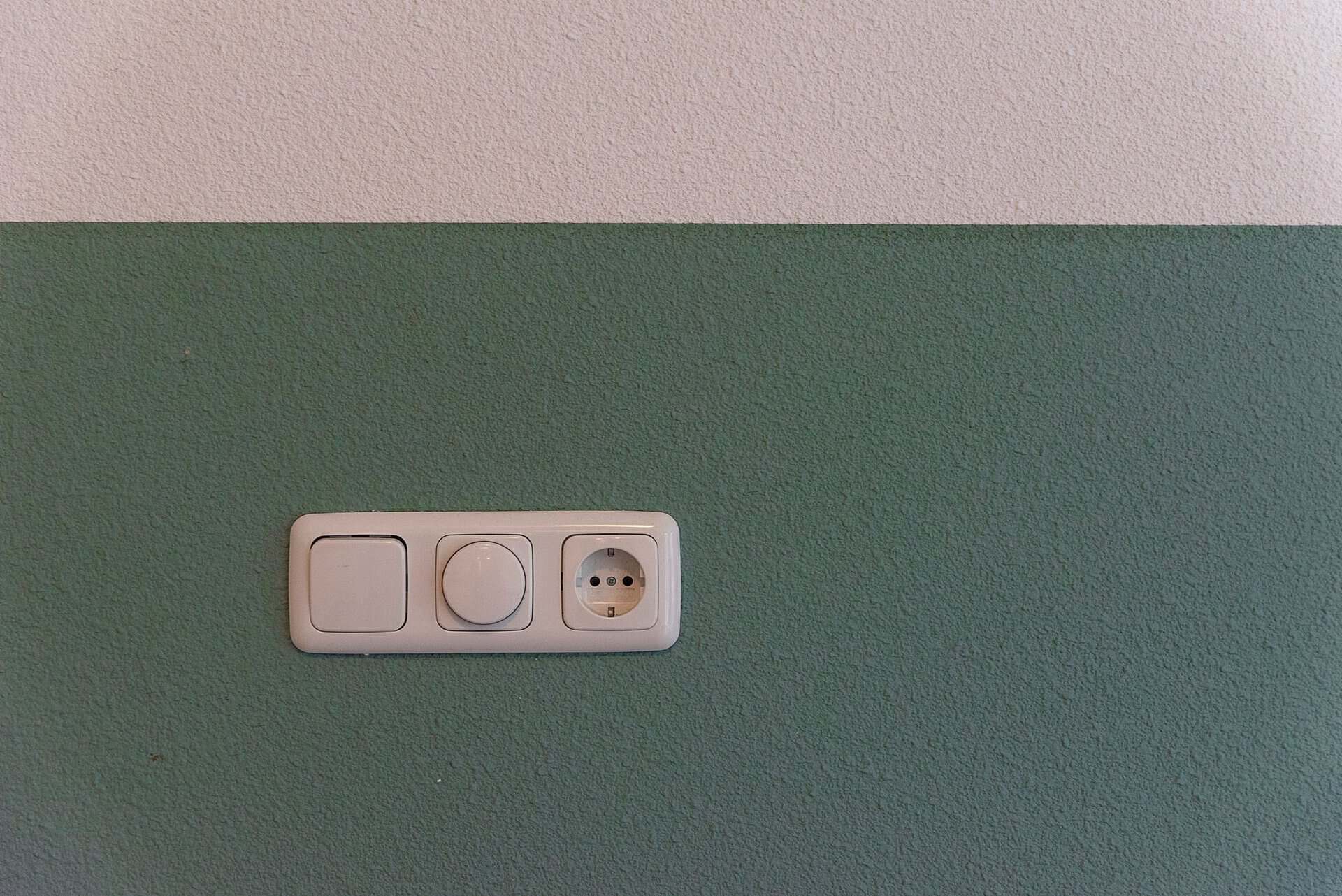
Ireland’s domestic supply is 230 volts at 50 hertz. The Type G socket has three rectangular pins, and many wall outlets have an on-off switch. A basic plug adapter changes the shape of your plug; it does not change the voltage.
Most current phone, tablet and laptop chargers are dual-voltage. Check the small print for wording such as “100–240V, 50/60Hz.” If it has that range, an adapter is normally all you need. Devices designed only for 110–120V, including some hair tools and older electronics, may need a voltage converter or should stay at home.
Choose a solid adapter with a fuse and safety shutters, particularly if you are charging several devices. BS 1363 plugs and sockets are the standard used for Irish and UK-style plugs. A multi-port USB charger can cut down on cable clutter, but check its total output before expecting it to charge a laptop, tablet and two phones at once.
Sort Out Roaming, SIMs and eSIMs Before You Fly
Check your carrier’s Ireland roaming terms before you go. US plans vary a lot: some include high-speed data for a daily fee, some reduce speeds after an allowance, and some charge by the day as soon as the phone connects. Keep data roaming off until you have confirmed the plan, particularly after landing, when the phone may immediately start syncing photos and apps.
An eSIM can be a practical alternative for an unlocked phone. It is a digital SIM profile that can provide Irish or Europe-wide data without replacing your physical SIM. Confirm that your exact phone model supports eSIM, that it is carrier-unlocked, and that the plan covers the Republic of Ireland, Northern Ireland or both. Northern Ireland is part of the UK, so a plan described only as “EU data” may have separate terms.
EU and EEA residents can usually use regulated roaming in Ireland under the EU’s “roam like at home” rules, subject to fair-use conditions. Visitors from outside the EU should rely on their provider’s written terms, not a hopeful assumption made at the airport.
For broader planning details beyond the phone setup, this practical advice for first-time visitors to Ireland is a decent shout.
Keep Navigation and Tickets Available Offline
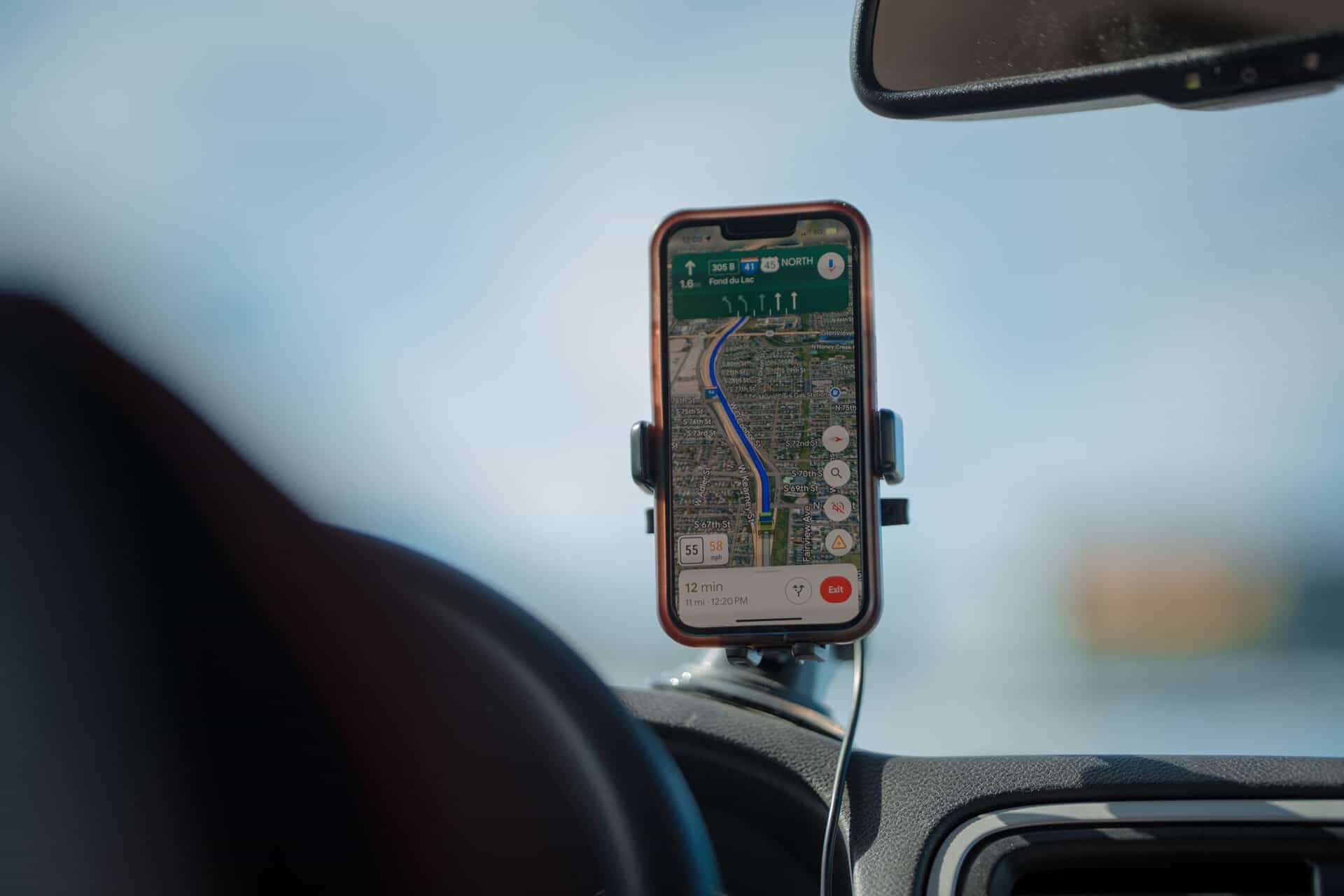
Download map areas before travel, including Dublin, your airport, accommodation, planned road-trip route and any rural stops. Google Maps can download maps for offline use, though live traffic, transit updates and some route features need a connection. Save accommodation addresses and booking references as screenshots too.
Keep boarding passes, attraction tickets, car-hire documents and travel insurance details in a secure offline folder. Print or write down the most important reservation numbers as backup. A phone with 2% battery is very confident until it is asked to show a QR code.
If you are taking the train rather than driving, a 10-day Ireland itinerary by train can help you work out which tickets and routes are worth saving in advance.
If your trip includes a self-drive route, a rental-car packing mistake can create unnecessary trouble before the navigation even begins. This Ireland road-trip packing guide covers the wider driving essentials. Bring a charging cable that suits the car’s USB port, or use an adapter for its 12V socket.
Pack and Charge Your Power Bank Properly
Bring a power bank with enough capacity for a full phone recharge or two, then keep it in your carry-on luggage. Portable chargers and power banks containing lithium-ion batteries are permitted in carry-on bags but prohibited in checked bags. Airlines can set their own capacity limits and rules on using or charging battery packs during a flight, so check with the carrier before packing.
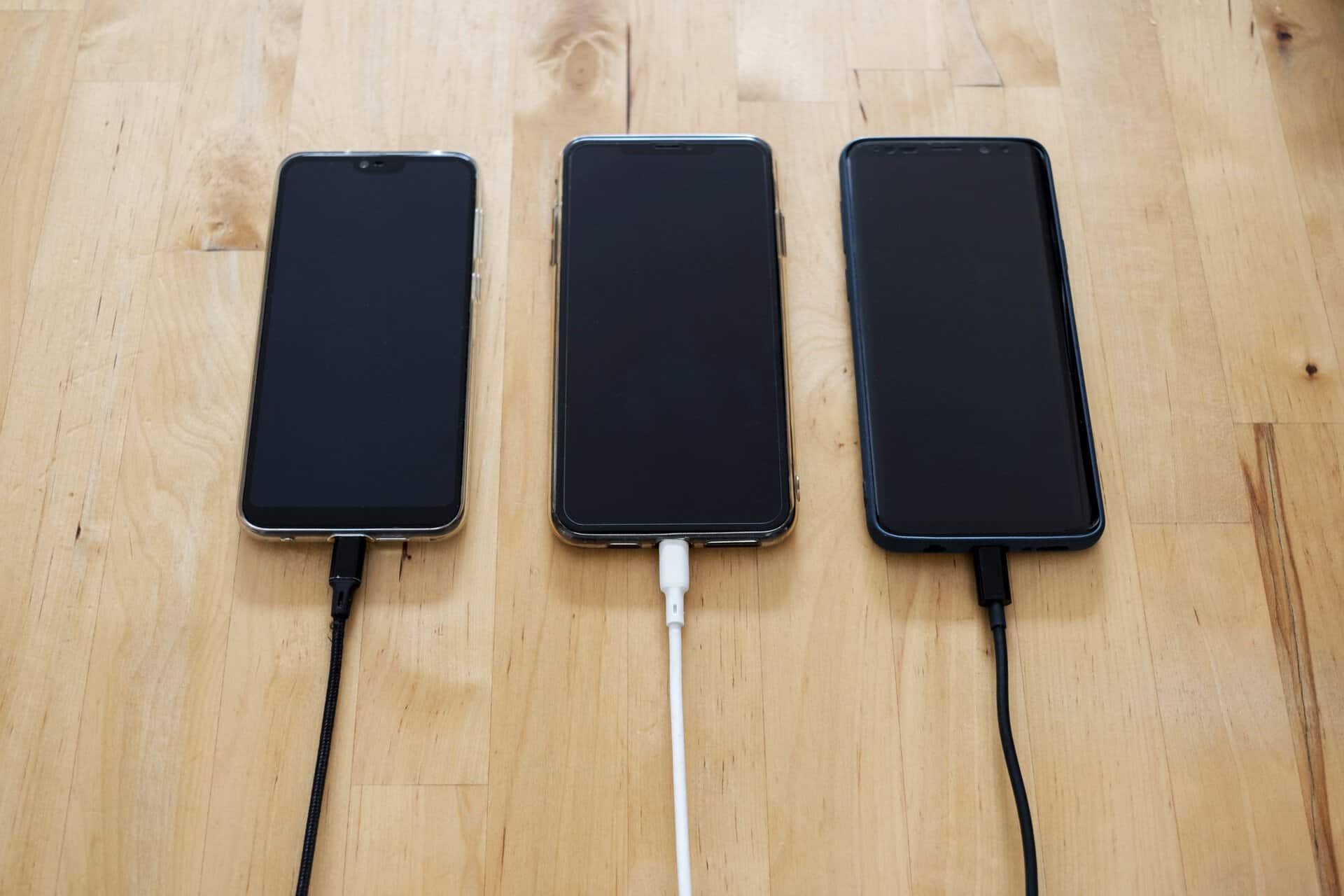
Charge the power bank the day before departure and use a short cable for day trips. It is also sensible to keep one reliable cable in your personal item, separate from the main charger in your suitcase. Lost luggage is annoying; lost luggage with your only phone cable has real commitment to the bit.
For longer routes away from towns, add the same tech basics to a multi-day walking packing checklist. Offline maps and a charged power bank are not glamorous, but they do the job.
Frequently Asked Questions
Do US Phone Chargers Work in Ireland?
Most recent US phone and laptop chargers work in Ireland with a Type G plug adapter because they support 100–240V input. Check the voltage label on each charger before connecting it to a 230V Irish outlet.
Will My US Phone Work in Ireland?
A US phone can work in Ireland if it supports the local network bands and is not locked to a carrier. Check roaming eligibility with your provider, or confirm that the phone is unlocked before buying an Irish SIM or eSIM.
Do I Need a Different Adapter for Northern Ireland?
No. Northern Ireland also uses Type G plugs and a 230V, 50Hz electrical supply, so the same adapter and compatible charger work across the island.
One last practical point: the usual mistakes to avoid when visiting Ireland include leaving key travel details until the last minute. Sort the charging, maps and data plan before departure, and there is no harm in having a paper backup.