
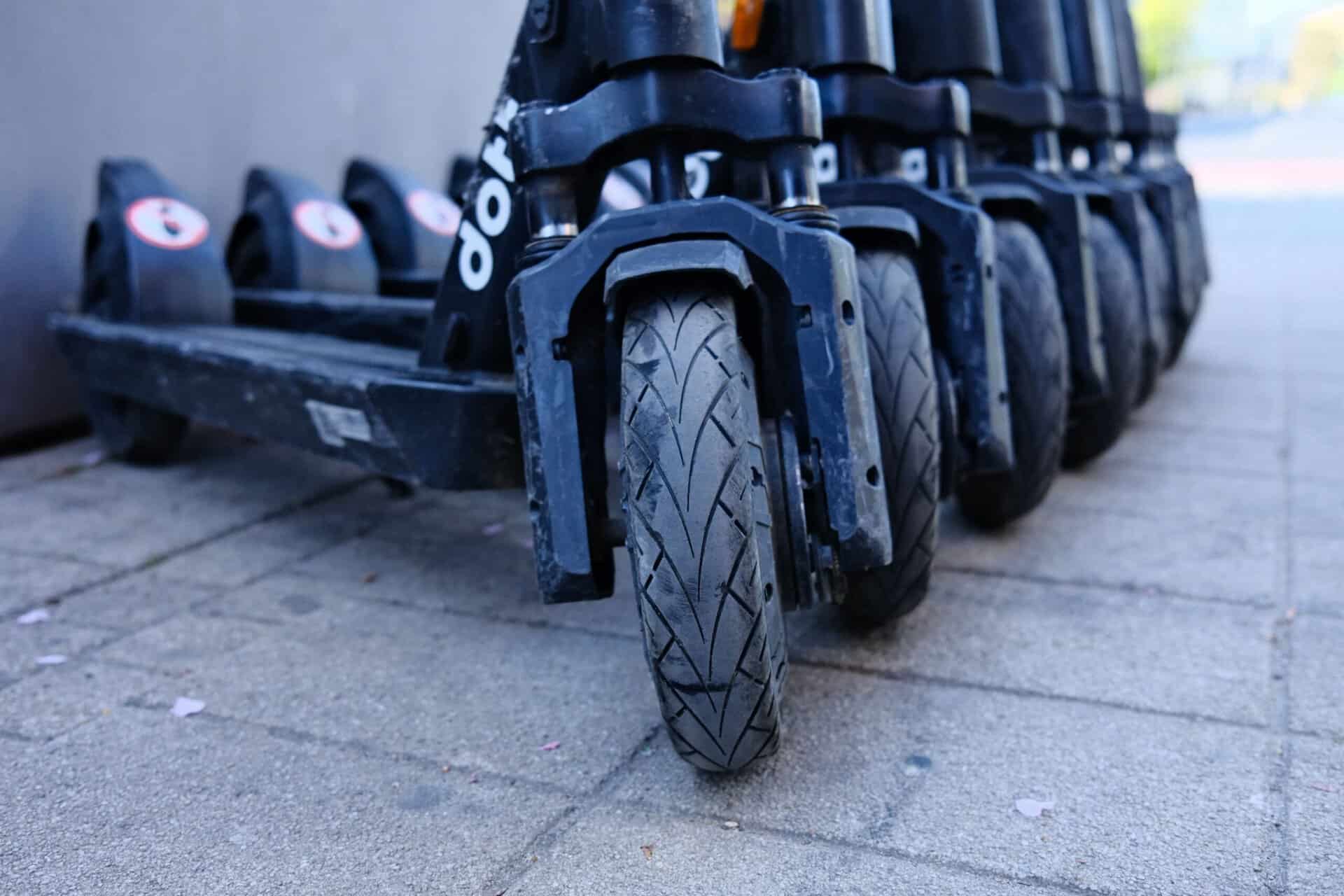
Irish shoppers hunting for an e-scooter online may have just hit an awkward little wall. Amazon has stopped selling some models to Ireland, and the reason sits in the usual swamp of battery safety, shipping rules, and compliance checks.
For anyone trying to dodge traffic, save money, or get around a city without committing to a full taxi budget, that matters. The change could mean fewer checkout options, more listings that refuse Irish delivery, and a bit more work before buying a battery-powered ride. It also lands at a time when getting around cheaply is already high on the list for students, commuters, and visitors trying to keep a lid on the cost of living in Ireland vs US expectations.
The timing also lands in a market where e-scooters are already part of everyday transport chatter in places like Dublin, Cork, Galway, and Limerick. So yes, this is consumer news, but it also has a very practical angle for anyone who planned to buy one online and be done with it. For travelers piecing together a cheap city stay, it is one more reminder that local buses, bikes, and even traveling Ireland by train may be the less chaotic fallback.
The restriction appears to be tied to updated compliance requirements for battery-powered products, especially those using lithium-ion batteries. Those batteries power most e-scooters, but they also bring fire and transport risks if a product does not meet the right standards.
That means some listings may still appear online while becoming unavailable at checkout for Irish addresses. In other cases, the products may disappear from search results altogether. Either way, the message is the same: if the paperwork, certification, labelling, or shipping setup is not right, the item is not getting on the truck.
For shoppers, that is not exactly the most thrilling plot twist, but it is a familiar one in cross-border e-commerce. When safety rules tighten, delivery options often shrink first and explanations arrive second. On battery items, couriers and marketplaces tend to get twitchy fast, and not without reason.
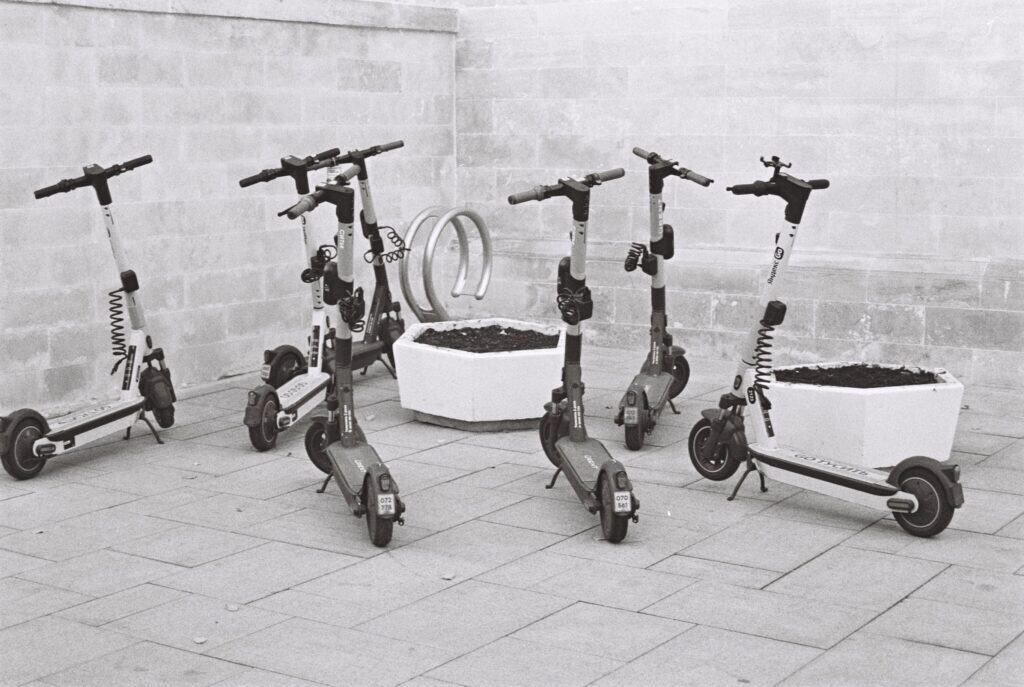
The immediate effect is straightforward. Some e-scooters that were previously easy to order may no longer be eligible for delivery to Ireland.
That last point matters for budget-minded buyers. A cheap online price can look clever until shipping restrictions, warranty problems, or a missing spare part turn the bargain into a small administrative disaster.
There is also the usual online marketplace mess to factor in: seller ratings, unclear model names, and specs that somehow manage to be both long and unhelpful. If a listing is vague about battery watt-hours, charger type, or after-sales support, assume the hassle arrives before the parcel does.
If an e-scooter is still on your shopping list, the safer move is to slow down and check the details rather than chase the lowest sticker price. Battery-powered transport is not the place for lazy impulse buying. That is how people end up with awkward returns, dead chargers, or a scooter that is legally and physically unwelcome.
Those checks are boring, yes. They are also cheaper than learning the hard way that a supposedly good deal cannot be shipped, repaired, or supported where you live.
A few extra basics are worth adding to the list. Check the scooter weight before buying, because carrying a 20kg machine up hostel stairs gets old in about six seconds. Check water resistance too, because this is Ireland, and the local weather has never been famous for restraint. If you need a seasonal reality check, a general guide to weather in Ireland is more useful than wishful thinking.
The focus on lithium-ion batteries is not random. These batteries are widely used because they are lightweight and powerful, which is lovely until they are mishandled, badly made, damaged, or shipped without proper controls.
That is why regulators and marketplaces keep paying close attention to transport, storage, testing, and certification. E-scooters sit right in the middle of that debate because they are popular, portable, and loaded with the kind of battery technology that needs proper handling.
Airlines, ferries, couriers, and apartment managers have all become more cautious around larger battery devices in recent years. That does not mean every scooter is unsafe. It does mean documentation matters, and the days of casually mailing chunky battery gear across borders with minimal checks are looking increasingly over.
For buyers, the practical outcome is simple: less convenience, more checking. Not ideal, but probably preferable to a pile of unsafe devices arriving in the post like a mildly terrifying surprise.
The restriction may not change how people move around Ireland overnight, but it could affect how some buyers enter the e-scooter market. That matters in cities where short-distance transport and budget commuting are part of daily life.
If online imports become harder, more shoppers may turn to local retailers or authorised distributors. That could mean higher prices in some cases, but it may also mean better after-sales support and fewer delivery headaches. For a device you expect to use regularly, that trade-off is worth considering.
There is also a wider transport angle here. E-scooters are still part of discussions around road safety, urban mobility, and regulation, so changes in online availability can ripple beyond one marketplace. In plain English: when the rules shift, the whole market tends to shuffle a bit.
For visitors, the bigger point is simple. If your trip plan involved buying a scooter on arrival and using it as your cheap urban transport hack, that plan now looks a bit shakier. Rentals, buses, rail links, and plain old walking remain easier to arrange at short notice, especially in the bigger cities.
Before ordering any e-scooter or similar battery-powered device, run through this quick list:
If the listing looks vague, dodgy, or strangely optimistic, that is usually the product doing its best impression of a headache. Skip it.
One more practical note: make sure the charger uses the right plug and voltage for Ireland, and check where you would store the scooter securely. Budget accommodation is great for many things, but “private lockable battery garage” is not usually one of them.
This is not just about one product category. It is a reminder that online shopping rules can change quickly when safety and compliance come into focus. A listing that worked yesterday can be blocked today, especially when batteries and cross-border shipping are involved.
For Irish buyers, the safest approach is to compare price, delivery, support, and certification together. The cheapest option is not always the best value if it cannot arrive, cannot be repaired, or cannot legally be sold where you live.
That is particularly true for anyone trying to build a low-cost daily commute. Saving a few quid upfront is not much of a win if the battery support is nonexistent, the return process is a maze, or the model is effectively stranded once something small breaks.
And for anyone eyeing an e-scooter as a low-cost way to get around town, the new reality is pretty clear: check the paperwork before you chase the deal. It is less exciting than a bargain, but much more useful when the scooter actually has to show up.

Matt Hook is a Canadian writer of Scottish and Irish heritage. He built his writing career creating detailed gaming guides, turning complex mechanics, history and lore into useful information for readers. Matt brings that same research-focused approach to Ireland Wide, where he writes about Irish travel, heritage, history and culture. He also holds CMA and CPA designations as a professional accountant, giving him a strong background in research, accuracy and attention to detail.
At Ireland Wide, our aim is to bring authentically Irish insights to you, wherever you are.
Whether you have some feedback or would like to offer some of your own insights for everyone else to explore, don't hesitate to get in touch with us!