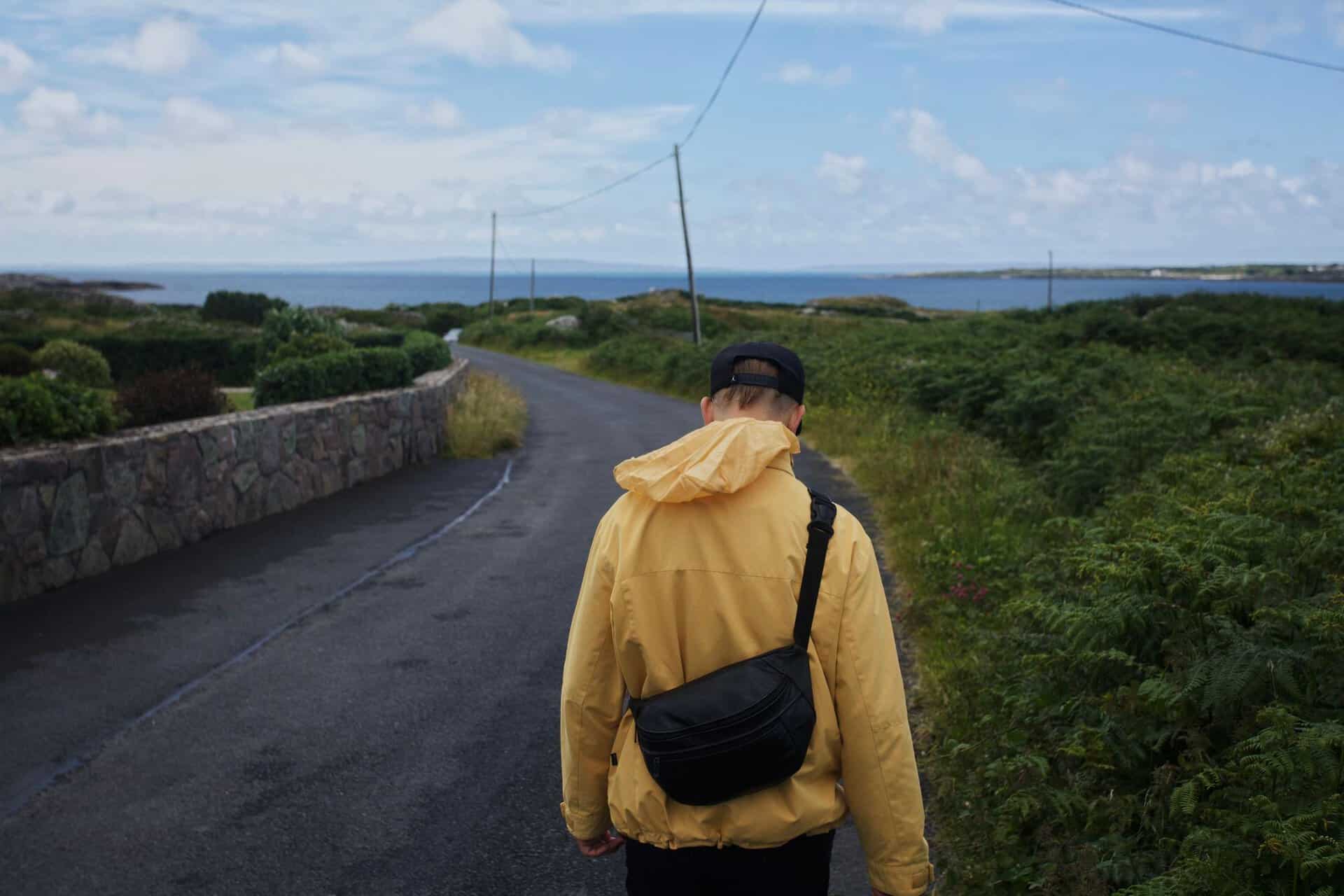
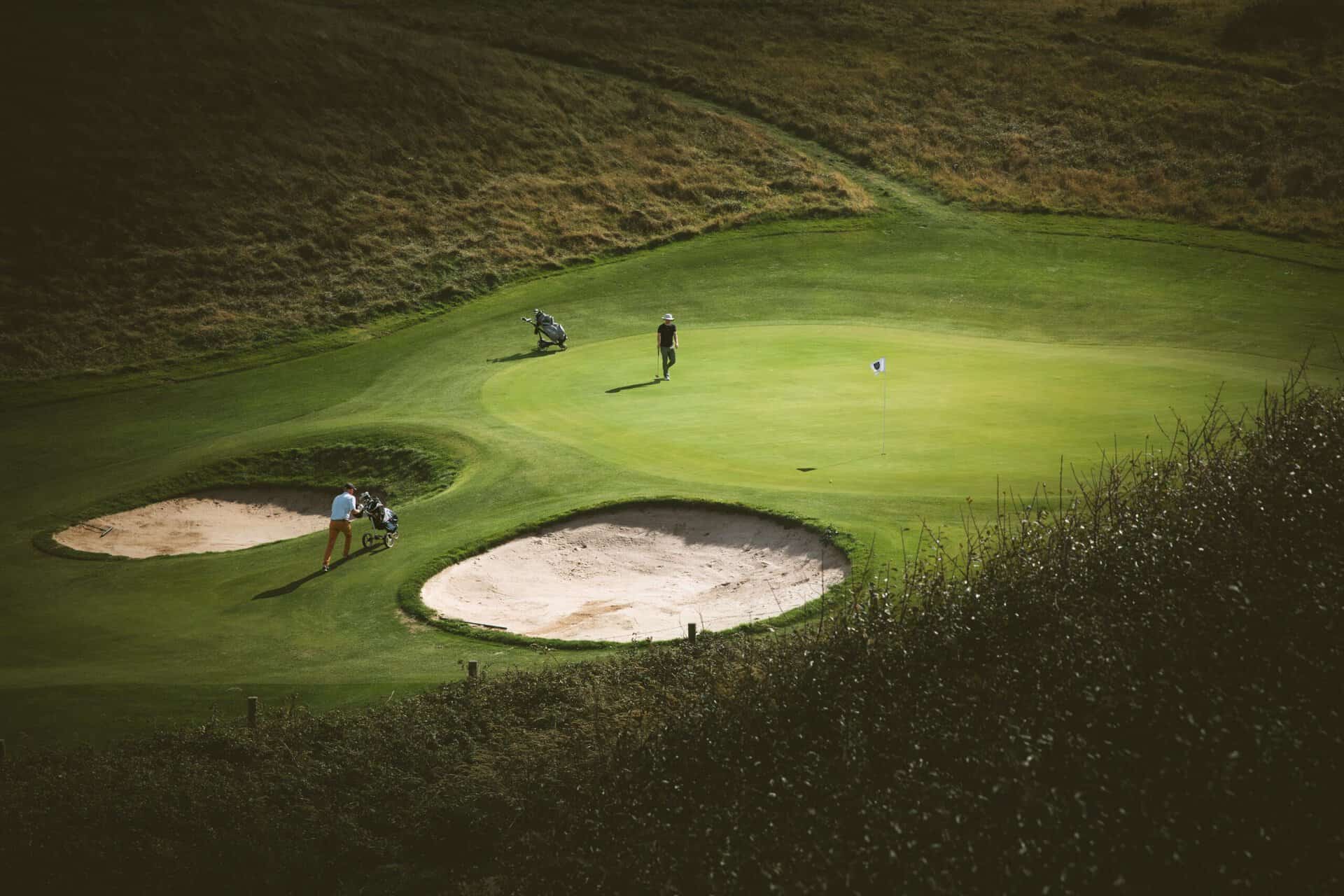
The most common mistakes first-time golf visitors make in Ireland are planning too late, booking too many rounds, and underestimating weather and driving time. A good Ireland golf trip needs breathing room around tee times, realistic transfers, and clothing that can handle a wet, windy day. The broader practical tips for planning a first trip to Ireland apply just as much when your luggage includes a set of clubs.
Ireland’s leading links courses can deliver the rounds people have dreamed about for years. Royal County Down, Royal Portrush, Ballybunion and Portmarnock are serious draws, but a trip built only around famous names can become an exhausting exercise in deposits, luggage transfers and motorway calculations.
Use this guide to build a trip that still feels like a holiday when the forecast changes and the first tee is a long way from the airport.
See our Golfing in Ireland Complete Guide here.
Leaving marquee tee times until the last minute is the fastest route to a compromised itinerary. Courses such as Royal County Down, Royal Portrush, Ballybunion and Portmarnock are heavily sought after, and their visitor times may be released well ahead of a planned trip.
Start with the courses that are non-negotiable for your group, then fit flights, towns and supporting rounds around them. Confirm each club’s visitor-booking procedure directly before committing to transport or accommodation. High-demand clubs can also have substantial deposit requirements and firm cancellation terms, so read the conditions before paying.
A flexible backup list helps. If a prime slot at Royal Portrush does not work, do not force an awkward cross-island journey just to chase it. A well-located local club can protect the rhythm of the whole week.

Ireland looks manageable on a map, but golf routes can be slow. Rural roads may be narrow and winding, while a route that appears simple can involve traffic, weather and a stop for fuel, food or a wrong turn near a coastal village.
Build each day around one area. Royal County Down is in Newcastle, County Down, while Royal Portrush is on the Causeway Coast in County Antrim. They may both sit in Northern Ireland, but that does not make them an effortless same-day pairing with a late-night dinner on the other side of the country.
For a southwest itinerary, keep Ballybunion, County Kerry, and nearby rounds in a sensible regional sequence. For a Dublin-focused trip, Portmarnock provides a much more logical anchor than trying to add it between far-flung links days. Schedule the drive before the tee time, not after it.
Summer daylight can tempt groups into ambitious plans, but one demanding links round is usually plenty. Golf in Ireland is commonly played on foot, and a round in wind and rain asks more of your legs and concentration than a calm cart round at home.
A packed schedule also leaves no room for jet lag, delayed baggage, a long lunch in the clubhouse or a weather-disrupted tee time. Play one round most days, then use an open afternoon for a short practice session, a relaxed meal or simply drying out your shoes.
If a group has the energy for an extra nine holes, treat it as a bonus instead of an obligation. Golf trips fall apart when every hour has been assigned a job.
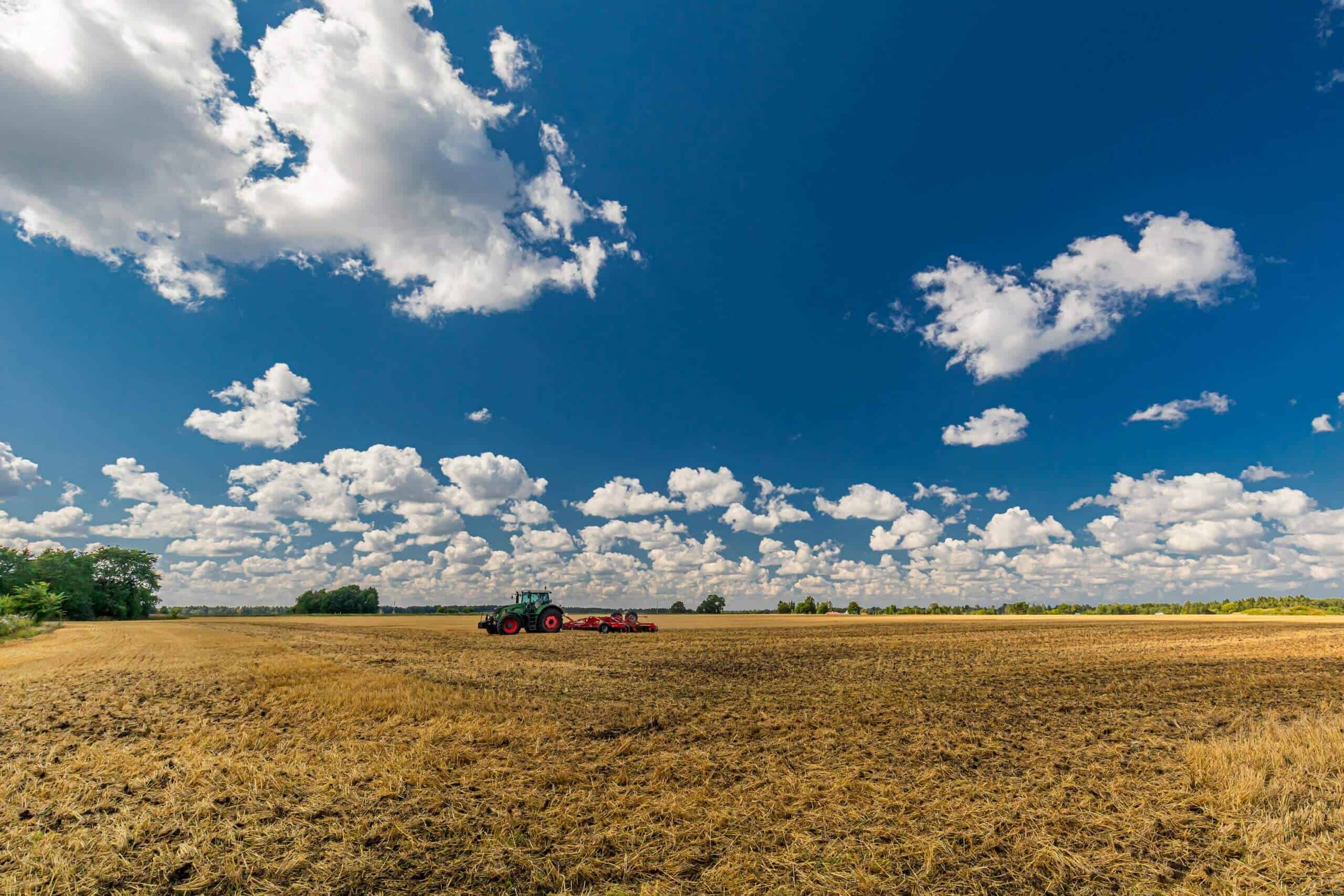
Irish weather can change quickly, especially on exposed links ground. Wind affects club selection, rain makes grips slick, and a sunny first tee does not guarantee a dry finish. Pack layers so you can adapt without carrying a full wardrobe around the course.
Bring a waterproof golf rain jacket, waterproof trousers, a warm mid-layer, a hat that stays on in wind, several gloves and a towel kept dry inside your bag. A rain cover is useful, but it will not rescue loose clothing, soaked scorecards or an unprotected phone.
Do not let a grim forecast automatically cancel the day. Links golf is designed to be played in elements that would send many inland rounds indoors. Check directly with the club if conditions look severe, and follow staff guidance on the day.
First-timers often pack for one neat outfit per round and discover that wet shoes and gloves do not reset overnight. Bring duplicate essentials: extra socks, spare gloves, a second pair of golf shoes if space permits, and enough layers to keep a damp day from derailing the next morning.
Keep golf clothes in your carry-on if possible, especially when a round is scheduled shortly after arrival. Lost checked baggage is inconvenient anywhere; it is particularly annoying when your booked tee time is at Portmarnock and your waterproofs are in another airport.
Club dress codes vary, so check the club’s guidance before packing. The safe approach is clean, practical golf clothing and suitable footwear, not assumptions based on what is normal at home.
Many famous Irish courses are best experienced on foot, over uneven terrain and in coastal wind. If someone in the group has mobility concerns, contact the club before booking to ask about buggies, caddie availability and any course-specific restrictions.
Caddies can be part of the experience at leading links venues, but do not assume one will be available without advance arrangements. They can also help with lines, wind and the ground game that links golf demands, especially for players used to launching every shot high into soft turf.
Practice low, controlled shots before departure. On a windy day, a punch shot is often more valuable than a heroic attempt to overpower the weather.

Big-name links belong on many first itineraries, but an all-star schedule can be expensive, rigid and logistically awkward. Mix one or two marquee rounds with well-located member clubs or regional courses that allow the group to spend less time in the car.
This approach also gives you a fuller view of Irish golf culture. Visitor green-fee offers and group rates may be available at some clubs, so ask each club or a golf tour operator about options when comparing dates. A less famous round can be the day that gives everyone time for a proper post-golf meal without another hurried departure.
Do not treat a tee-time confirmation as a casual hold. Premium Irish courses may require sizeable deposits or full payment, and cancellation policies can be strict. Put one person in charge of recording each booking reference, payment deadline, group size and cancellation condition.
Check what the quoted green fee includes. Caddies, carts, club hire, meals and transport can be separate costs. If a group is using a tour operator, ask for a written itinerary that makes those inclusions clear before everyone sends money.
Carry a payment method that works internationally and keep a second option available. Small businesses and clubs may have different card preferences, so relying on a single card is an avoidable gamble.
A trip involving Royal County Down or Royal Portrush includes Northern Ireland, while Ballybunion and Portmarnock are in the Republic of Ireland. Check the entry requirements, driving arrangements, mobile-data plan and payment setup for your own passport and route before departure.
This is also a transport issue. If you hire a car in Dublin and plan to cross into Northern Ireland, confirm the rental company’s cross-border rules in advance. Do not discover a restriction at the rental desk while a tee time is already on the clock.
Arrival day does not need to begin with the trip’s most important round. International flights, time differences and a new rental car are enough to manage without adding a championship links test immediately afterward.
Use the first day for a light activity, a range session if available, or a nearby easygoing round. Keep at least one unscheduled half-day during a longer trip. It can absorb a weather delay, a tired group, or the simple desire to enjoy the destination without checking a clock every 15 minutes. Booking comfortable Irish hotels and B&Bs for first-time visitors close to your next course also makes those recovery windows much easier to protect.
Some clubs may ask visitors for handicap evidence or apply course-specific playing requirements. Check the policy when requesting a tee time, and keep your handicap information accessible on your phone or in printed form.
Golf Ireland administers the game’s handicap system on the island, but individual clubs set their own visitor procedures. A quick confirmation before travel avoids an uncomfortable conversation at check-in.
Links golf rewards patience. Wind, firm turf and pot bunkers can make a familiar yardage feel unfamiliar, and a round at Royal County Down or Ballybunion is more enjoyable when the group accepts that a few holes will be humbling.
Arrive early enough to check in, warm up and learn any local guidance. Ask the pro shop about pace of play, caddie arrangements and the day’s conditions. Then put the phone away for a few holes. You did not travel to Ireland to spend every fairway hunting for signal.
Plan as early as possible if Royal County Down, Royal Portrush, Ballybunion or Portmarnock is essential to your trip. High-demand courses can release visitor tee times well in advance and may require deposits or full payment.
Yes. A waterproof jacket, waterproof trousers, spare gloves and dry socks are practical for Irish links golf because rain and wind can arrive during any season.
You can, but first-time visitors should avoid making 36 holes a daily commitment. Walking, wind, rain, travel and jet lag make one round per day a more enjoyable default.
A rental car can be useful for regional golf itineraries, but confirm cross-border rules if your route includes Northern Ireland. Leave generous time for rural roads and avoid scheduling long drives immediately before important tee times.
Some clubs may request handicap evidence or have visitor-playing requirements. Check directly with every club before travel and keep your handicap information available at check-in.
The best first Ireland golf itinerary is usually not the one with the most famous courses. It is the one with enough time to enjoy a morning at Royal Portrush, recover from a wet walk at Ballybunion, and reach the next tee without turning the holiday into a relay race.
Book the priority rounds early, stay regional, pack for weather and leave room for reality. Do that, and the inevitable Irish wind becomes part of the story instead of the reason the schedule falls apart.

Dan is the founder and editor of Ireland Wide. Born and raised in Ireland, he researches the country’s history, mythology and cultural traditions using museum collections, heritage authorities and historical sources. He leads the site’s editorial team, with a particular focus on distinguishing documented history from later folklore and modern interpretations.
At Ireland Wide, our aim is to bring authentically Irish insights to you, wherever you are.
Whether you have some feedback or would like to offer some of your own insights for everyone else to explore, don't hesitate to get in touch with us!