An Ireland golf trip can cost about $4,600 per person for a six-night, five-round arranged tour, while a self-planned trip can land well below or far above that figure. The big swing comes from the courses on your list, your travel dates, flights, lodging, transport and the practical extras around each round.
Five rounds on value-oriented courses can keep green fees in the hundreds of euros. Five rounds built around Portmarnock, Royal County Down, Adare Manor or other high-demand names can move the golf portion alone into four figures before a pint, a rental car or a caddie enters the conversation.
Ireland rewards planning, but it does not reward leaving the marquee tee times until the last minute. The famous links are the headline act. Your dates and route decide how expensive the ticket becomes, especially if you are mapping out a first visit with practical Ireland trip-planning advice in mind.
See our Golfing in Ireland Complete Guide here.
For a useful starting point, a published North West Ireland package price begins at about $4,600 per person for six nights and five rounds. Comparable Northern Ireland packages can begin around $6,300 per person, reflecting strong demand for courses such as Royal County Down and Royal Portrush.
Independent trips do not come with one reliable total because lodging, food and flights vary sharply. Use the components below to build a number that matches the kind of golf holiday you actually want.
| Cost Category | Research-Supported Guide Price | What Changes the Cost |
|---|---|---|
| Flights from the United States | $500 to $1,200 round trip | Season and departure airport |
| Flights from the UK or Europe | £80 to £300 round trip | Route, airline and travel dates |
| Value or mid-tier green fees | About €50 to €100 per round at examples such as Dooks | Course, season and tee-time demand |
| Well-known links green fees | About €200 to €250 per round at examples including Portmarnock and Adare Manor | Course and visitor season |
| Premium examples | Portmarnock: €475 for 18 holes; Royal County Down: £450 | Specific course, date and visitor availability |
| Rental car | About €40 to €100 per day | Vehicle, insurance and booking timing |
| Guided golf transport | About €150 to €300 per day | What the itinerary includes |

Green fees are the clearest dividing line between a sensible Ireland golf break and an expensive one. Ireland has more than 400 courses, and published top-100 green-fee ranges run roughly from €35 to €375 per person. That range is why two groups taking the same number of nights can spend radically different sums.
Dooks is a useful example of the lower-priced end of a quality Irish round, with cited green fees of roughly €50 to €100. A five-round itinerary at that level puts the golf spend around €250 to €500 per golfer before other trip costs.
At the better-known end, Portmarnock and Adare Manor have been cited in the €200 to €250 range for a round. A five-round schedule in that bracket comes to roughly €1,000 to €1,250 in green fees. Portmarnock has also published a €475 18-hole rate, showing why it is essential to check the exact visitor product and date rather than relying on an old rule of thumb.
Royal County Down, in Newcastle, County Down, has a cited 2026 green fee of £450 for its Championship Links. Royal County Down and Royal Portrush are in Northern Ireland, so their prices are usually quoted in pounds sterling, while courses in the Republic of Ireland generally quote in euros. Keep the two currencies separate in your planning sheet until you are ready to convert them.
These are planning frameworks, not fixed quotes. They use the published flight, transport and green-fee ranges above. Accommodation, meals, club rental, caddies, gratuities and insurance must be added based on your own choices.
A group choosing courses in the Dooks-style €50 to €100 green-fee range would spend roughly €250 to €500 on five rounds. Add a U.S. return flight priced between $500 and $1,200, plus a shared rental car at €40 to €100 per day. This is the route for golfers willing to build a trip around good courses instead of collecting only the most famous names.
A five-round itinerary weighted toward the €200 to €250 level places green fees around €1,000 to €1,250 per golfer. Flights, accommodation, meals and transport sit on top of that. This format suits a group that wants recognised courses such as Portmarnock or Adare Manor but does not need every round to be a global-ranking heavyweight.
A six-night, five-round North West Ireland tour beginning around $4,600 per person offers a useful benchmark for a professionally arranged holiday. Northern Ireland packages beginning around $6,300 or more reflect the draw of Royal County Down and Royal Portrush. Read inclusions closely: a package may bundle several major expenses, but a headline price is only useful when you know which ones.
Accommodation is the largest variable after golf. A room close to a marquee course during the busy summer period can be far pricier than a room in a town farther along your driving route. Ask each property about breakfast, parking and cancellation terms before comparing nightly rates, because those details can change the real total.
For food, set a daily amount that fits your habits and leave room for a proper post-round meal. Clubhouse lunch, dinner, drinks and snacks can become a meaningful line item over five or six golf days. A golf trip is a poor time to discover that every group member has a different definition of “just a quick bite.”
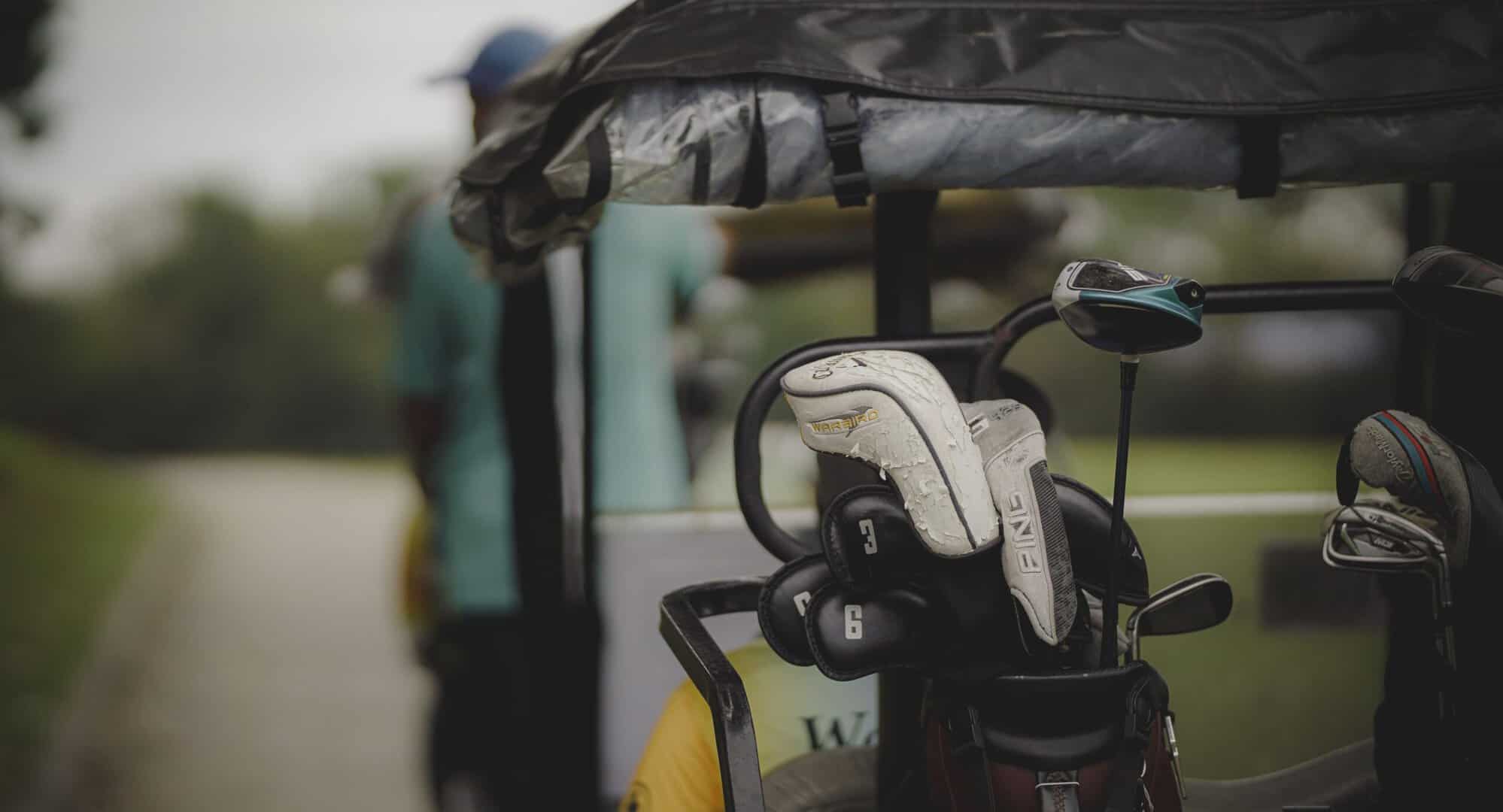
A rental car gives the most flexibility for groups playing several regions, with cited rates of about €40 to €100 per day. Split among four golfers, that can be more manageable than it first appears, although fuel, insurance, parking and any extra-driver charge should be included in the group calculation.
Guided golf transport is a higher-cost option, with published daily rates around €150 to €300. It can simplify a multi-course itinerary and removes the question of who is driving after an evening at the clubhouse. For a tightly scheduled trip involving Dublin, the south-west and Northern Ireland, that convenience deserves a price comparison alongside self-drive. If a Dublin stay leaves you with a spare day, these day trips from Dublin by train can work well before or after the golf itinerary.
If you bring your own clubs, confirm airline baggage rules and the vehicle’s luggage capacity before booking. A hard-shell golf travel case is a sensible safeguard for golfers flying with their own set, especially when the clubs will pass through several transfers.
Club rental can reduce airline-baggage hassle, but it should be requested early and priced directly with the course or tour operator. Do not assume rental sets are included in a green fee or package. Confirm the brand or specification if that matters to you, along with whether shoes and balls are available.
Caddies are another cost to identify before committing to a course list. Royal County Down’s published visitor information has specified an elite caddie programme for its Championship Links, so golfers should check the club’s booking terms for the applicable caddie requirement and charge. Add gratuities, range balls, pull trolleys, buggies where offered, travel insurance and souvenirs to the same extras column.

The main Ireland golf season runs broadly from April through October, with June through August the busiest period. Peak summer dates tend to bring the strongest demand for flights, accommodation and tee times.
April and October are practical shoulder-season targets for groups chasing lower rates and more availability. Conditions can be less predictable, so pack for rain and wind and preserve some flexibility in the schedule. A look through these Ireland packing essentials for rain and daily touring is useful when your golf bag is already doing most of the luggage work. Links golf has little interest in your carefully ironed itinerary.
Ballybunion Golf Club’s published visitor information illustrates another important booking detail: morning visitor tee times on the Old Course are available Monday through Friday from mid-April to early October, excluding Bank Holiday Mondays. Each course has its own access rules, so build the route around confirmed tee times, not around pins on a map.
Five rounds can cost roughly €250 to €500 at courses in the €50 to €100 range, or about €1,000 to €1,250 at courses charging €200 to €250 per round. Premium rounds such as Royal County Down can cost substantially more on their own.
Independent planning can be cheaper when you choose lower-fee courses, share a rental car and keep the route compact. A package can be easier to manage for high-demand courses and complex itineraries, with published examples beginning around $4,600 per person for six nights and five rounds in North West Ireland.
For many groups, premium green fees are the largest controllable expense. Flights and accommodation can also rise sharply during the June-to-August high season.
No. Club rental may be available through courses or tour operators, but availability and pricing should be confirmed before booking. Bringing your own clubs can make sense if you have a preferred set and are comfortable with airline baggage arrangements.
You can, but plan for prices in two currencies. The Republic of Ireland uses euros, while Northern Ireland uses pounds sterling, and a cross-island route can add driving time and transport costs. Groups spending extra time in the south-west can also use these day trips in Cork to extend the holiday without adding another long golf drive.
The most useful answer to how much a golf trip to Ireland costs is to start with the rounds. Set the course list first, add flights and either a shared car or guided transport, then price accommodation, food, club rental, caddies and the small extras that have a habit of becoming large ones.
A group happy with Dooks-level green fees can build a notably different holiday from one centred on Portmarnock, Royal County Down and Royal Portrush. Both can be excellent trips. They simply need different budgets.

Dan is the founder and editor of Ireland Wide. Born and raised in Ireland, he researches the country’s history, mythology and cultural traditions using museum collections, heritage authorities and historical sources. He leads the site’s editorial team, with a particular focus on distinguishing documented history from later folklore and modern interpretations.
At Ireland Wide, our aim is to bring authentically Irish insights to you, wherever you are.
Whether you have some feedback or would like to offer some of your own insights for everyone else to explore, don't hesitate to get in touch with us!