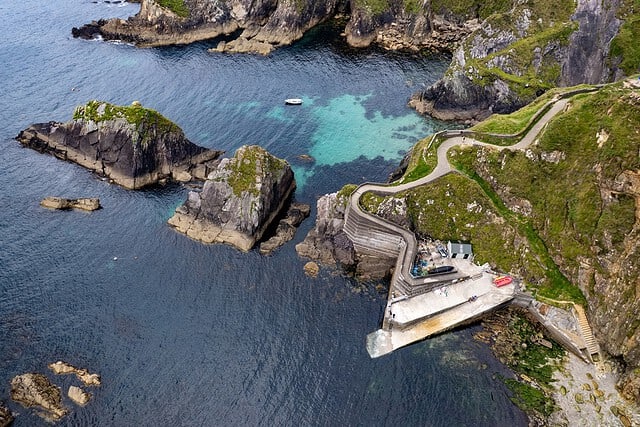
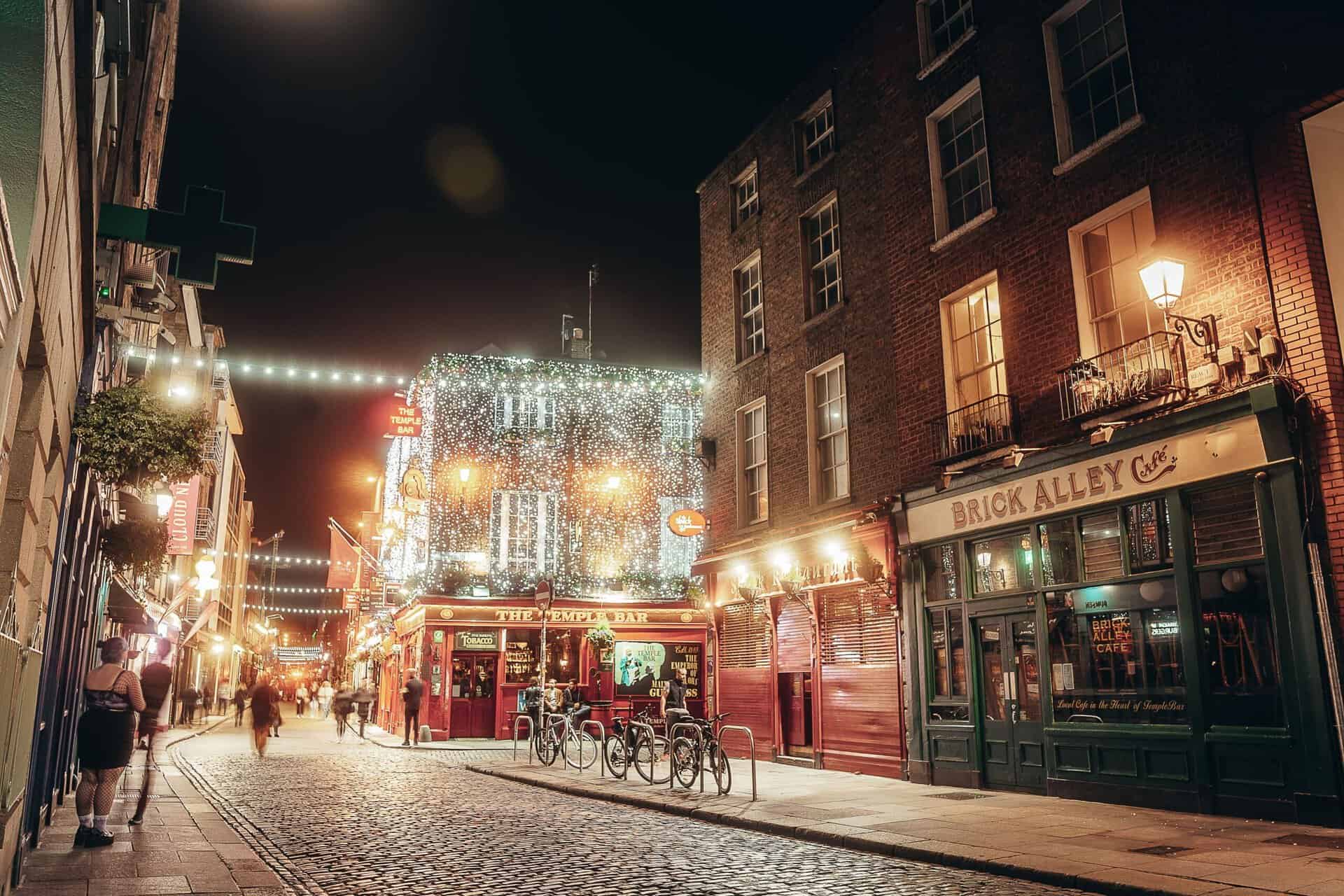
Ireland can be gloriously easy to love and mildly chaotic to plan. One minute you are picturing a pint in Killarney, the next you are trying to work out driving times, weather layers, and whether a B&B in Galway beats a hotel in Dublin.
This guide brings three common questions into one place: practical advice for first time visitors to Ireland, a plain-English overview of attaining Irish citizenship through naturalisation, and smart ways to choose hotels and B&Bs around Ireland.
It is not legal advice, and it is not a booking list dressed up as one. It is a practical starting point built for travelers and future applicants who want the essentials without the waffle.
Advice for first-time visitors to Ireland
For a first trip, the best strategy is simple: see less, enjoy more. Ireland looks small on a map, but cross-country drives, village stops, and weather can slow plans fast.
Start with a realistic route
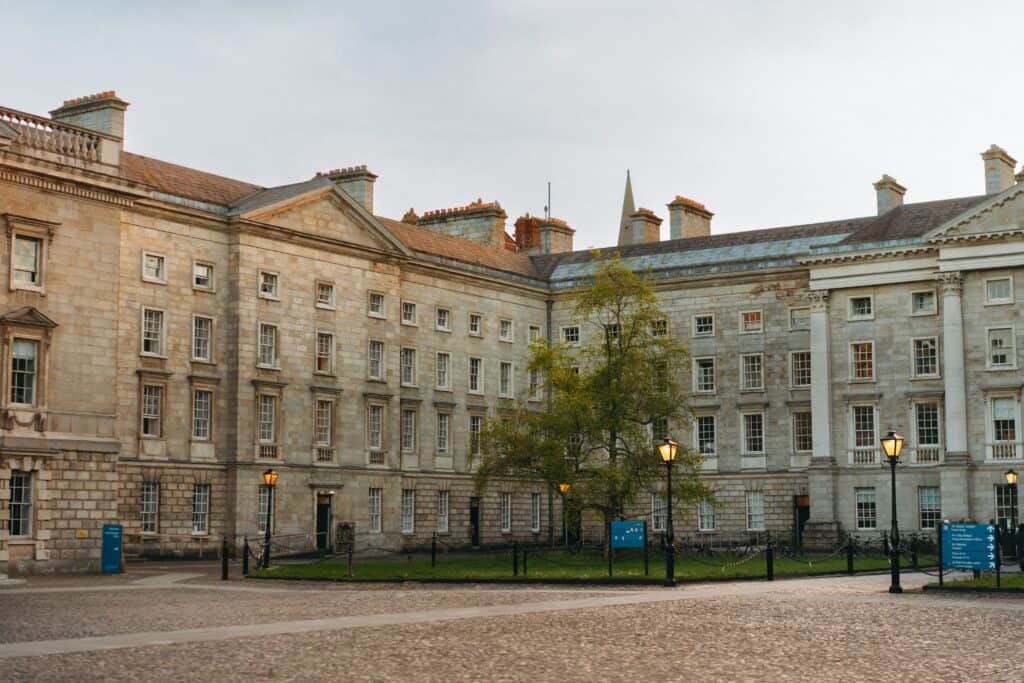
If you land in Dublin, give yourself time there. The National Museum of Ireland has several Dublin sites and is one of the easiest ways to get your bearings on Irish history without spending your whole day indoors. The Archaeology branch on Kildare Street, Dublin 2, usually opens Tuesday to Saturday from 10am to 5pm and Sunday to Monday from 1pm to 5pm, and it is free to enter. Pair that with a walk around St Stephen’s Green, a 22-acre Victorian park in Dublin 2 that is handy for shaking off jet lag, and a visit to Trinity College Dublin’s campus area if you want a first-day plan that does not require military logistics.
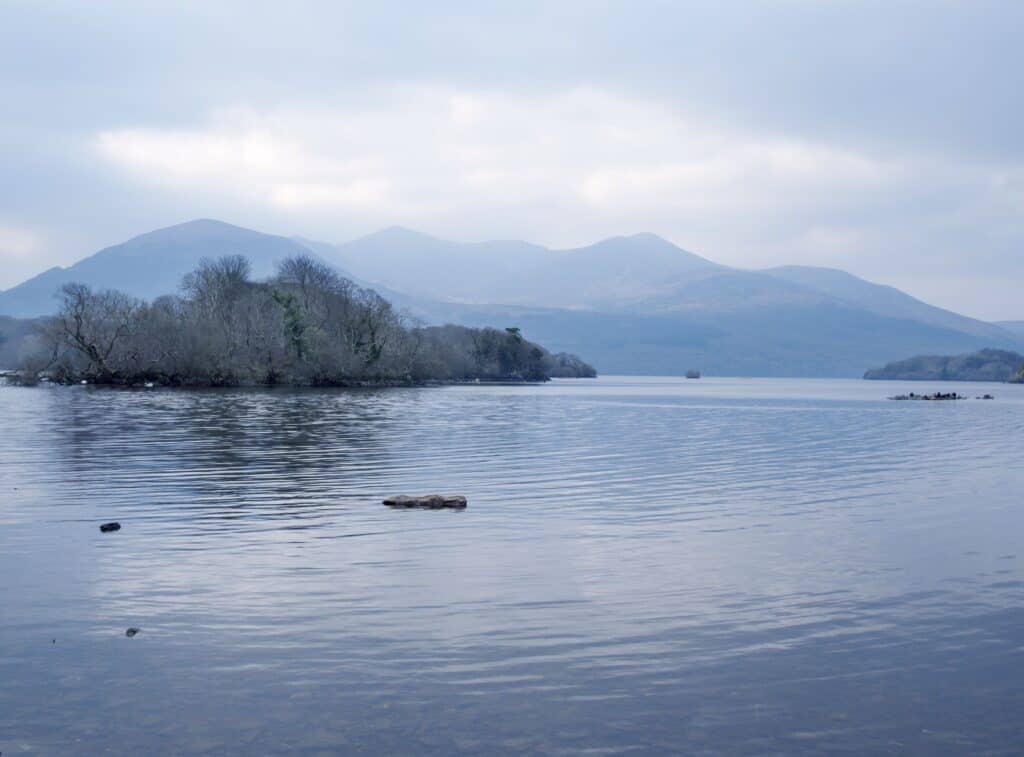
If you head west, Galway works well as a base for day trips. Killarney is another strong base if the Ring of Kerry, Killarney National Park, and County Kerry scenery are your priorities. Good bases matter because changing beds every night sounds romantic until you are dragging a suitcase through rain looking for parking. Character building, yes. Relaxing, not always. If you are weighing bases and safety at the same time, this guide on whether Ireland is safe for solo female travelers can help set
expectations.
Practical travel tips that save headaches
- Do not overload your itinerary. Dublin, Galway, Killarney, and Cork in a short trip is possible, but not always enjoyable.
- Pack for mixed weather. A waterproof outer layer matters more than a heroic umbrella. Day-to-day conditions can swing from bright sun to sideways drizzle with very little warning, which is almost part of the welcome.
- If you rent a car, expect narrow rural roads. They are part of the charm, but they demand patience. Speeds can look optimistic on paper, so build in more time than the map suggests.
- Book popular stops early in peak travel periods. That applies to accommodation in Killarney, Galway, and central Dublin in particular.
- Use official visitor information where possible. Tourism Ireland is a useful planning starting point for routes and regional ideas.
- Check entry requirements before you fly. Passport validity and visa rules depend on nationality, and this matters more than any packing list. For Americans, a quick read on whether US citizens need a visa for Ireland is worth five minutes.
Best time to visit
Late spring through early autumn is the easiest period for first-time visitors because days are longer and travel logistics are simpler. May and June are especially appealing if you want a good balance of daylight, greenery, and slightly less pressure on accommodation than the height of summer. July and August are lively, but prices are typically higher and the most popular towns can feel properly busy.
Winter trips can still work well in Dublin, especially if your plans are museum-heavy, pub-friendly, and less dependent on long scenic drives. Smaller towns can be quieter in a pleasant way, though some seasonal businesses reduce hours outside the main tourism months.
Attaining Irish citizenship through naturalisation: the basics
Naturalisation is the route many non-Irish nationals use to become Irish citizens after living in Ireland for a qualifying period. The process is handled by Immigration Service Delivery on behalf of the Minister for Justice, and applications are decided on an individual basis.
The short version is this: not everyone who lives in Ireland can apply right away, and eligibility depends on your category and your residence history.
How To Apply For Irish Citizenship If You've An Irish Born Grandparent: Preserve Your Irish Citizenship For The Generations To Come
What naturalisation means in practice
To become an Irish citizen through naturalisation, applicants generally need a required amount of reckonable residence in Ireland and must meet other conditions. In most standard adult cases, that has meant five years of reckonable residence in the previous nine years, including 12 months of continuous residence immediately before applying. The Minister has discretion in naturalisation decisions, so approval is not automatic just because a form is submitted.
Applications are made online. Paper forms remain available for people who cannot access the online system. Processing times can be lengthy, so patience is part of the deal whether anyone enjoys that fact or not.
Key points many applicants need to know
- There is an application fee of €175.
- If approved, a further certification fee of up to €950 may apply.
- Successful applicants usually complete the process through a citizenship ceremony, where they make a declaration before receiving citizenship.
Large ceremonies have taken place at the INEC Killarney in County Kerry, a major events venue on Muckross Road, V93 DYX2, where thousands of people have been conferred with Irish citizenship over multiple sessions. That detail matters mostly because it shows the process does not end with approval on paper. There is a formal final step.
Special note for spouses or civil partners of Irish citizens
If you are married to, or in a civil partnership with, an Irish citizen, the residence route can differ from the standard route. A commonly cited framework is:
- You must be 18 or over.
- You must have been married or in a civil partnership for 3 years or more.
- You must have lived on the island of Ireland for 3 out of the previous 5 years.
- You must have had 12 months of continuous residence before applying.
- You must intend to continue living in Ireland.
- You must be considered of good character.
There are also discretionary provisions in some cases involving Irish associations, but those are not blanket shortcuts. The points that tend to trip people up are proving residence cleanly and assuming time in Ireland always counts the same way across visa categories. It does not.
Where to verify the details before you apply
Because immigration rules and forms can change, the safest move is to check the official guidance on Immigration Service Delivery, along with the public guidance on Citizens Information. If your case is unusual, treat general articles like this one as a primer, not the final word.
Hotels and B&Bs around Ireland: how to choose the right stay
Ireland does accommodation well, but the right choice depends on what kind of trip you want. Hotels are usually easier for city breaks and short stays. B&Bs often shine on road trips and in smaller towns.
Here is the quick comparison that helps most first-time visitors.
| Type | Best for | What to expect | Watch for |
|---|---|---|---|
| City hotel | Dublin, Cork, Galway short breaks | Front desk support, central location, easier luggage handling | Higher prices, parking may cost extra or be limited |
| Country hotel | Scenic stays in Kerry, Clare, Connemara | On-site dining, more space, easier parking | You may need a car for nearby attractions |
| B&B | Road trips, small towns, local interaction | Home-style hosting, breakfast included more often, personal tips | Check check-in windows and private bathroom details |
| Guesthouse | Mid-range travelers wanting character | Often smaller than hotels, more personal than chains | Facilities vary a lot property to property |
What makes an Irish B&B worth booking
A good B&B can improve a trip more than a fancy lobby ever will. In smaller places around County Kerry, County Clare, and Connemara, hosts often know local driving conditions, restaurant booking patterns, and which scenic route is lovely versus which one is lovely but stressful if you have just met a single-track road.
Look for these details before booking:
- Whether breakfast is included and how early it is served if you are planning early drives.
- Parking arrangements, especially in towns with narrow streets.
- Private bathroom wording, because older properties vary.
- Check-in time, particularly if you are arriving from a late ferry or airport transfer.
- Noise expectations if the property is over a pub or on a busy street. Charming can drift into loud after midnight.
Where hotels usually make more sense
Hotels are often the simpler pick in Dublin, Cork, and larger Galway properties near the city center. If you are arriving by air, doing only a few nights, or want a staffed reception desk, a hotel reduces friction.
For travelers attending events or building a base around southwest Ireland, Killarney stands out because it connects well to scenic County Kerry routes and is used for major gatherings at the INEC Killarney. That combination of visitor demand and event traffic means booking early is wise. It is also one of the easier Irish towns for first-time visitors because there are plenty of dining options, tour departures, and day-trip possibilities without needing to reinvent your plan every morning.
Three strong bases for a first Ireland trip
Dublin
Dublin is the easiest place to start if you want museums, walkable neighborhoods, and transport connections. It suits travelers who prefer not to drive immediately after landing. Use it for a few nights before heading elsewhere, not just as an airport stop.
- Why stay here: big-city convenience, cultural sights, rail and bus links.
- Best for: first arrivals, short breaks, museum-focused trips.
- Tip: central hotels save time, but suburban stays can work if they are close to rail or tram links.
Galway
Galway is compact, lively, and well placed for western day trips. It works particularly well if you want city energy without Dublin’s scale. The pub and food scene gives evenings structure even if the weather turns moody. Ireland does moody weather very professionally.
- Why stay here: good base for the west, walkable center, strong dining scene.
- Best for: travelers mixing urban time with regional day trips.
- Tip: if parking matters, confirm it directly before booking central accommodation.
Killarney
Killarney is one of the most practical bases in Ireland for scenic travel. It opens up County Kerry while still giving you enough restaurants, accommodation choice, and tourism infrastructure to keep things easy. It also has the INEC Killarney, a major venue that can affect room availability during large events.
- Why stay here: access to Killarney National Park and Kerry touring routes.
- Best for: scenic road trips and travelers wanting a polished tourism base.
- Tip: if your dates are fixed, book early, especially around event periods.
A simple planning checklist
- For travel: choose two or three bases, not six one-night stops.
- For citizenship research: confirm your residence category and fees before starting an application.
- For accommodation: decide early whether you value hotel convenience or B&B character more.
- For busy areas: Dublin and Killarney often reward early booking.
- For official information: use government and official tourism pages first.
Final thoughts
The neat thing about planning Ireland is that the big decisions are not actually that many. For most people, it comes down to three questions: where to base yourself, how much ground to cover, and whether you are reading travel advice or immigration rules.
If you are looking for advice for first time visitors to Ireland, keep the trip simple and choose strong bases. If you are focused on attaining Irish citizenship through naturalisation, use official guidance and double-check your eligibility before paying fees. And if you are comparing hotels and B&Bs around Ireland, book the stay that fits your route, not the one with the fanciest description.
That approach is not glamorous, but it does leave more time for the part that matters, which is being in Ireland rather than endlessly reorganising it from a phone screen.