
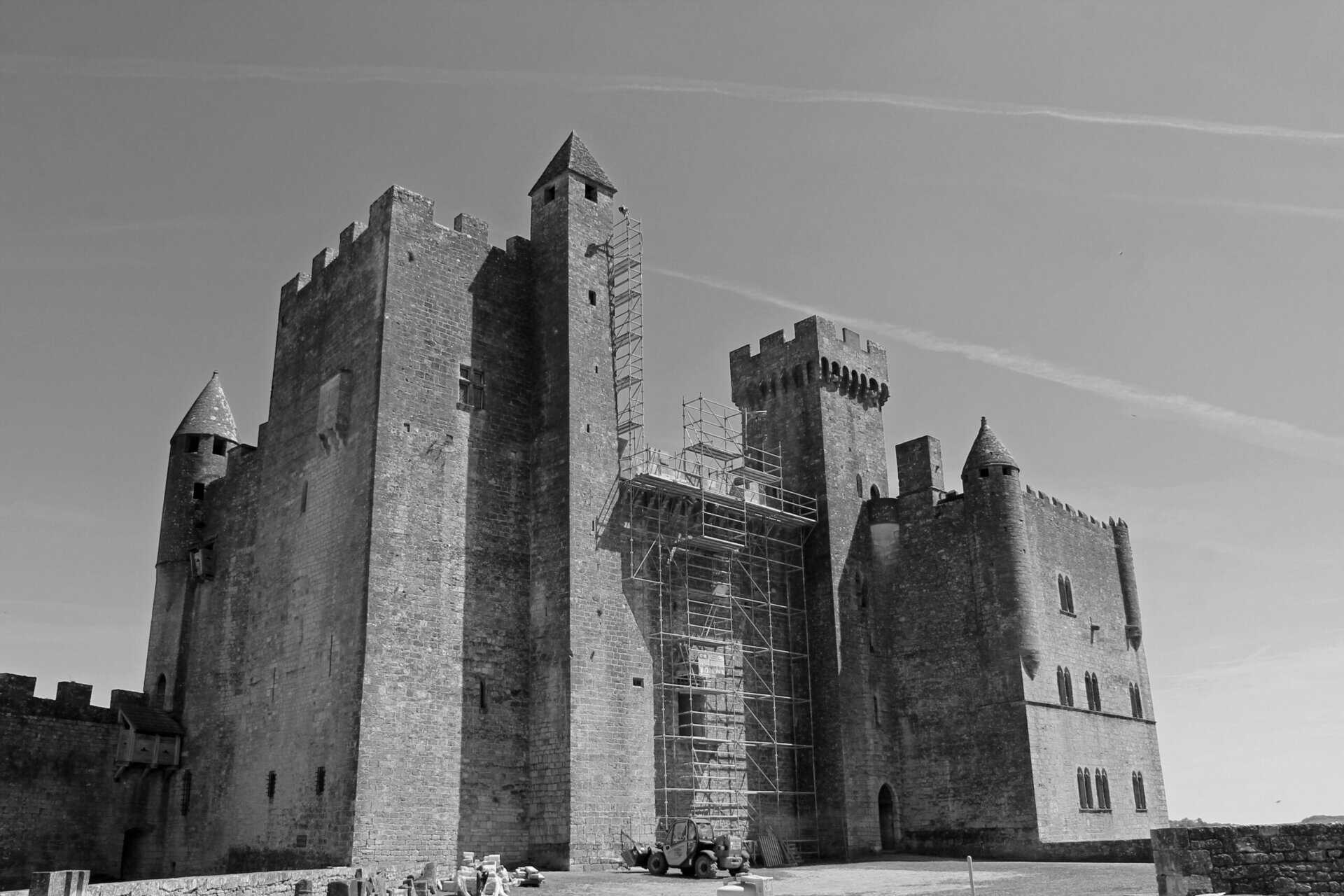
Pack waterproof layers, supportive shoes with good grip, a small day bag, water and a charged phone for touring castles in Ireland. Many sites involve damp paths, gravel, grass, stone steps and exposed grounds, so staying comfortable and dry will matter far more than dressing up for the photo.
Castle visits range from maintained houses and gardens to roofless ruins with uneven terrain. Check official visitor information for each stop before leaving, especially for opening dates, guided tours, access restrictions and photography rules. For many state-managed properties, Heritage Ireland lists practical details.
If you are still deciding where to go, this guide to castles around Ireland is a useful starting point. The packing basics stay much the same; the amount of mud is the variable.

A sensible castle day bag does not need to be enormous. You will appreciate keeping it light when there are steps, narrow staircases or a long walk back through the grounds.
If your trip includes several historic sites, our broader Ireland packing list for rain, walking and daily touring is useful for the rest of your suitcase as well.
Shoes with a grippy sole are the main item to get right. Castle grounds can include wet lawns, loose gravel, cobbles, old flagstones and steep staircases. A comfortable walking shoe, trail shoe or broken-in ankle boot is usually a decent shout.
A fully waterproof hiking boot can be useful in wet months or at ruined sites with rougher approaches, though it may feel like overkill for a mostly urban itinerary. For Dublin Castle, Swords Castle or similar sites near towns, comfortable water-resistant trainers with dependable tread may do the job. If Swords is on your list, see our Swords Castle visitor guide for the practical details before you go.
Avoid new shoes that have not had a few proper walks before the trip. Blisters have a way of becoming the main character when there is a castle keep to climb.

A waterproof outer layer and a warm layer are useful in every season. Castle grounds are often open to the wind, while stone interiors can feel cool even on an otherwise mild day. A light waterproof shell over a fleece or jumper gives you room to adjust without carrying a bulky winter coat around all day.
For official forecasts and weather warnings, check Met Éireann’s forecast service shortly before setting out. Conditions can differ noticeably between the east coast, inland areas and the Atlantic-facing west, so check the actual destination rather than assuming the weather at your overnight stop tells the whole story. That is especially worth doing for exposed coastal stops such as Dunluce Castle.
Jeans can be fine for dry, city-based visits, but they become heavy and uncomfortable once wet. Quick-drying trousers, leggings or other comfortable layers are easier on a day that mixes driving, short walks and indoor tours.
Pack sunscreen, sunglasses and a cap alongside your rain jacket. A bright morning at a castle garden can turn wet later, but exposed paths can also leave you dealing with sun and wind at the same time. No harm in preparing for both.

Add gloves, a warm hat and a scarf or neck gaiter. Daylight is shorter, and some seasonal properties may have limited opening periods, so give yourself a bit of extra time for arrival, parking and the walk from the entrance.
A compact backpack is usually more practical than a large tote bag for castle touring. It leaves both hands free for railings on stairs and gives you somewhere dry for a camera, map and spare layer.
Look for a bag with a water-resistant exterior or bring a lightweight rain cover. A couple of resealable bags are surprisingly handy for protecting phones, tickets and a wet folded jacket. They weigh next to nothing and quietly earn their place.

Your phone is enough for most castle visits, particularly if you bring a fully charged power bank. You may use maps, booking confirmations and audio guides during the day, and that battery percentage tends to disappear faster than planned.
If you bring a camera, pack it in a padded case and carry a lens cloth. Rain, sea spray and fingerprints are all fairly capable of spoiling a good view. A wide-angle lens can help with exterior walls, courtyards and compact interiors, while a modest zoom is useful for architectural details from paths where visitors are asked to keep back.
Tripods, drones and flash photography may be restricted at individual properties. Do not assume that access to the grounds includes permission to fly a drone or set up equipment indoors. Check the castle’s official rules before packing specialist gear.
Indoor castle tours can include narrow passages, worn stairs and rooms where large bags are inconvenient. Travel light, keep loose straps tucked in and use handrails where provided. Historic buildings were generally not designed with rolling luggage, wide stairwells or rushed groups in mind. For a stop that combines an interior visit with more to see outside, the Bunratty Castle and Folk Park visitor guide can help with planning.
For ruined castles, pack for an outdoor walk rather than an indoor attraction. A waterproof layer, sturdy footwear and a small first-aid item for minor blisters are sensible. Stay on marked routes and respect barriers; stonework and drops can be less forgiving than they look in a photograph. The Duckett’s Grove guide is useful if that kind of outdoor ruin is on your route.
Accessibility varies widely. Some castles have accessible parking, level visitor facilities and adapted routes, while tower climbs and ruins may involve unavoidable steps or uneven ground. Contact the site directly before travel if step-free access, seating, accessible toilets or mobility-aid access are important for your group.

Keep booking confirmations, parking information and the site address available offline. Mobile coverage is generally good on main routes but can be patchy in rural areas, and a castle entrance is not always exactly where a satnav decides it should be.
Many castle-focused trips work best with one major visit and one smaller stop in a day. It gives you time for a guided tour, the grounds, lunch and driving without turning every visit into a race against the closing gate. Build a route with realistic travel time rather than trying to tick off every castle on the map. For a driving-heavy heritage trip, this Ancient East coastal road-trip packing list has a few extra practical pointers.
Bring a payment card and a little cash for parking, cafés or small purchases, but do not carry more than you need. Opening hours, ticketing arrangements and car-park systems vary by site, so confirm them on the official property page before departure. If the Rock of Cashel is on the plan, check our Rock of Cashel visitor guide before setting off.
You can leave a few things in the accommodation or car. Heavy luggage, large umbrellas, formal shoes and bulky camera equipment tend to make historic sites harder work. Pack what helps you stay dry, comfortable and organised, then keep the rest out of the way.
For more general planning mistakes worth avoiding, see our guide to things not to do when visiting Ireland. A little preparation is less exciting than a castle tower, admittedly, but it does the job.

No. Supportive walking shoes with good tread are enough for many maintained castles, gardens and urban sites. Hiking boots are more useful for rural ruins, wet grass or routes with rougher ground.
A compact umbrella can be useful in light rain, but a waterproof jacket with a hood is usually more practical on exposed grounds. Wind can make an umbrella a bit of a pain around open courtyards and coastal locations.
Small day bags are usually easier to manage than large backpacks, but individual sites may have their own rules for guided interiors or exhibitions. Check the property’s visitor information before arriving with a large bag.
Wear layers, a waterproof jacket and comfortable shoes with grip. Choose clothes that let you walk, climb stairs and sit through a tour without fuss, then add warm accessories in cooler weather. If you are planning the rest of the trip too, our advice for first-time visitors to Ireland covers the wider practicalities.

Matt Hook is a Canadian writer of Scottish and Irish heritage. He built his writing career creating detailed gaming guides, turning complex mechanics, history and lore into useful information for readers. Matt brings that same research-focused approach to Ireland Wide, where he writes about Irish travel, heritage, history and culture. He also holds CMA and CPA designations as a professional accountant, giving him a strong background in research, accuracy and attention to detail.
At Ireland Wide, our aim is to bring authentically Irish insights to you, wherever you are.
Whether you have some feedback or would like to offer some of your own insights for everyone else to explore, don't hesitate to get in touch with us!