The Rock of Cashel is worth visiting if you want one of Ireland’s most important medieval sites in a stop that is easy to understand in a couple of hours. It suits first-time Ireland trips, families, history fans, and day-trippers driving between Dublin, Cork, and Limerick.
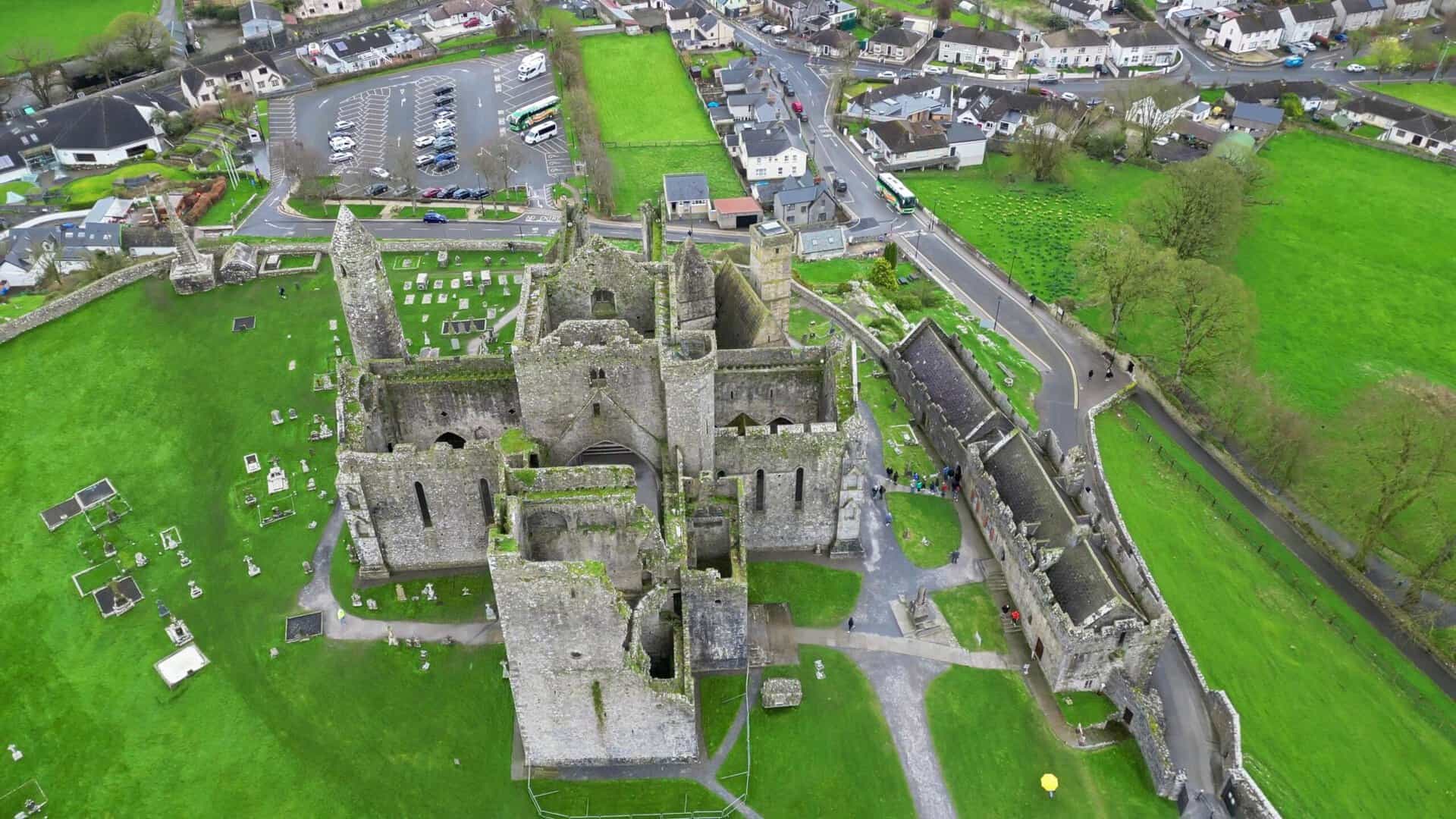
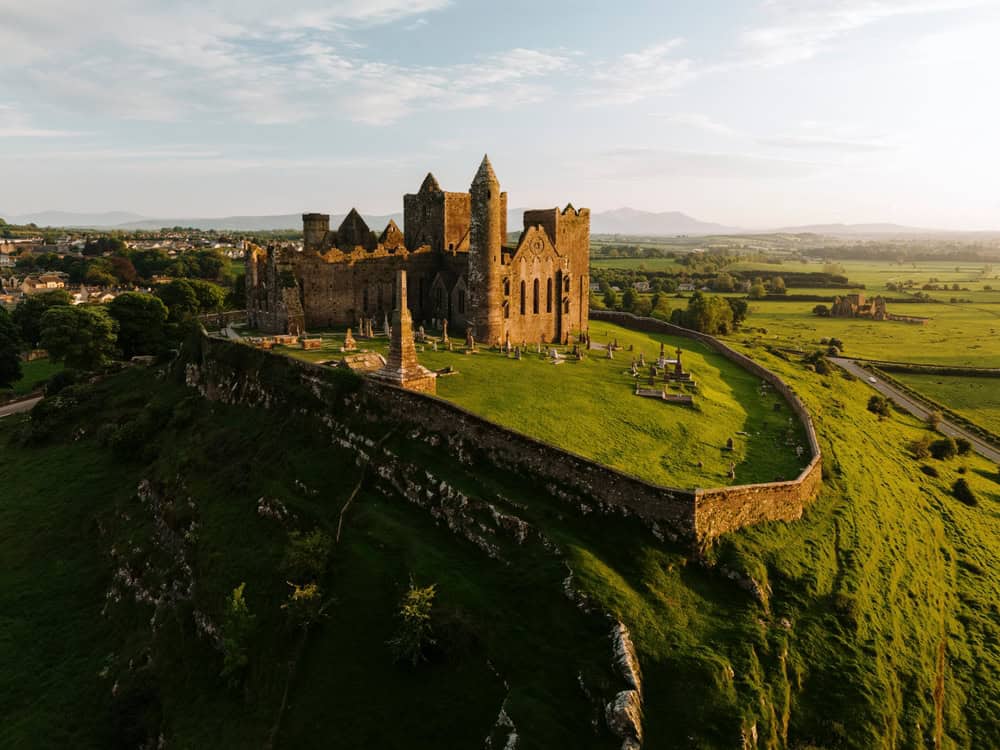
The site is compact, dramatic, and genuinely significant, with a round tower, cathedral, chapel, high cross, abbey buildings, and wide views over County Tipperary. If you are planning a broader trip, it fits especially well into a 7 day Ireland itinerary or a longer loop using our 10 day Ireland itinerary for context on where Cashel fits.
Use this Rock of Cashel Visitor Guide for the practical side as well as the history, especially because access to parts of the monument can change in bad weather and Cormac’s Chapel requires a guided interior visit.
Search by castle, county or nearby town, then click a marker to open the complete IrelandWide visitor guide.
Heritage Ireland lists standard admission at €8 for adults, €6 for seniors, €4 for students and children, and €20 for families. Group rates are listed at €6. These are the most useful headline numbers for trip planning, but opening hours and access conditions can shift, so check the official page before setting off.
The biggest practical detail is Cormac’s Chapel. Its interior is not open for casual walk-in wandering. You need a guided tour ticket purchased on site, and places are limited. Tour times can change at short notice, so ringing ahead is sensible if the chapel is the main reason for your visit.
The other big caveat is weather. The Rock of Cashel sits on an exposed hill, and the site can close at short notice in adverse conditions. Wind is often the bigger nuisance than rain, so a calm day can feel far better than the forecast suggests on paper.
The address listed by Heritage Ireland is St. Patrick’s Rock of Cashel, Cashel, Co. Tipperary, E25 KX44. If you are driving, this is one of the simplest major heritage stops in Ireland to fit into a road trip through the south or midlands.
Cashel itself is a small town, and the monument rises above it so clearly that navigation is rarely the hard part. Parking near the approach makes the final walk short. Once you are out of the car, you are usually at the entrance in a few minutes.
If you are using public transport, plan around bus services into Cashel and then walk uphill from town. This is doable, but it works best if you pack light and keep an eye on the weather. The climb is not huge, but it is exposed. If this is part of your first Ireland trip, our advice for first-time visitors to Ireland covers the small planning details that make these stop-and-go days easier.
Documented history first. The Rock of Cashel was the traditional seat of the kings of Munster before the Norman period. Heritage Ireland notes that Brian Boru was crowned High King at Cashel in 978 and made it his capital. In 1101, the site was granted to the church, after which Cashel became one of the country’s leading ecclesiastical centres.
The surviving complex reflects that shift. You are not looking at one simple castle. You are looking at a layered medieval power site with royal, religious, and defensive functions all visible at once.
Folklore is separate. One of the best-known local legends says the rock itself was formed when a piece of the Devil’s Bit was thrown here. Another tradition links the site with St. Patrick converting King Aenghus. Those stories are part of Cashel’s identity, but they belong in the realm of legend and religious tradition, not hard archaeological proof.
This is where Cashel earns its reputation. Heritage Ireland describes it as the most impressive cluster of medieval buildings in Ireland, and once you are inside the enclosure, that does not feel like overreach.
This Romanesque chapel is the site’s standout for many history fans. Heritage Ireland notes that it contains the only surviving Romanesque frescoes in Ireland. Because the interior is sensitive and access is controlled, this is the part to prioritize early in your visit.
The large Gothic cathedral dominates the skyline of the complex. Even as a ruin, it gives you the clearest sense of scale. Walk through it slowly and look up. The open arches and surviving stonework do most of the talking.
The round tower is one of the most recognizable silhouettes on the site. Nearby, you will also see the high cross tradition represented, though the original St. Patrick’s Cross has been protected indoors and a replica stands outside.
These structures round out the site and stop it from feeling like a one-building attraction. Cashel works because the full complex survives in one place, so you can follow the site’s changing religious and political life in stone.
The best wide shots usually come before you enter, when the full complex sits above the town on the limestone outcrop. If the sky is dramatic, even better. Cashel does not need golden sunshine to look good. A grey Irish sky often suits the stone.
Inside the site, go wide in the cathedral and tighter in the carved details around doors, arches, and the chapel exterior. If you are hoping for quiet photos, early morning on a weekday usually gives you a better shot than midday weekends.
Wind can be the spoiler here. Phones and light tripods are not always your friends on an exposed hill.
This is an easy site to understand but not a fully easy-access monument. Historic surfaces, slopes, and uneven stone are part of the experience. Heritage Ireland also warns that the location is extremely exposed, which affects comfort as much as safety.
For families, the site works well because it is compact and visually dramatic. Children can grasp quickly why the place mattered. The open layout helps, though you still need to watch for drops, steps, and weather shifts.
If you are travelling with someone who benefits from extra preparation, Heritage Ireland provides a social guide PDF for the Rock of Cashel.
The best time to visit is a calm, dry weekday morning when chapel access is running normally. Off-peak months usually mean fewer people, but poor weather matters more here than season labels.
Summer gives longer daylight and easier road-trip planning. Winter can be quieter, though wind and rain are more likely to affect comfort and access. Cashel is one of those sites where the weather forecast deserves almost as much attention as the ticket price.
If you are turning this into more than a quick stop, staying in Cashel makes the most sense. It keeps you close enough for an early start and leaves room to explore more of County Tipperary without backtracking.
If you are building a wider trip, pair Cashel with other heritage-heavy stops through the county and Ireland’s Ancient East. For broader planning, see our County Tipperary travel guide.
Hore Abbey is the obvious extra stop. It sits below the Rock of Cashel and gives you a strong reverse view back up to the main complex. If you want the classic postcard angle without actually saying postcard, this is it.
Cahir Castle is one of the best nearby fortified sites to pair with Cashel because it gives you a different kind of medieval monument, more recognizably a castle in the defensive sense. Read our Cahir Castle guide before you go.
King John’s Castle in Limerick also works if your route heads west, while Kilkenny Castle fits better on an eastbound or southeast itinerary. For another strong ruin in the area, our Hore Abbey guide is the natural companion read.
If you are planning a wider heritage circuit, our Ireland castles guide helps compare Cashel with stronger military castles, tower houses, and monastic sites.
Yes. The Rock of Cashel is one of the best short heritage stops in Ireland because the historical importance matches the visual impact, and the practical effort is low if you are already passing through Tipperary.
If you only like fully furnished castles with recreated rooms, this may not be your favorite. If you like ruins, medieval architecture, and places where the whole landscape seems arranged to show off the monument, Cashel is a very easy yes.
Standard admission is €8 for adults, €6 for seniors, €4 for students and children, and €20 for families. Group rates are listed at €6.
General admission can be booked online, but the main thing to know is that Cormac’s Chapel interior tickets are limited and sold on site. If the chapel is your priority, check arrangements before you travel.
Yes, but only on a guided tour. Tickets for the interior are limited and purchased on site.
Allow 1.5 to 2.5 hours for most visits. Add extra time if you want the chapel tour, a slower walk around the site, or lunch in Cashel.
Yes, especially for children who like towers, ruins, and open historic spaces. The site is compact enough for a family stop, though uneven ground and exposed edges mean close supervision is still needed.
Yes. The monument is extremely exposed and may close at short notice during adverse weather.
It is best understood as both a royal and ecclesiastical complex. The site began as a royal seat and later became a major church centre, which is why the surviving buildings include cathedral and chapel structures rather than a single castle keep.

Dan is the founder and editor of Ireland Wide. Born and raised in Ireland, he researches the country’s history, mythology and cultural traditions using museum collections, heritage authorities and historical sources. He leads the site’s editorial team, with a particular focus on distinguishing documented history from later folklore and modern interpretations.
At Ireland Wide, our aim is to bring authentically Irish insights to you, wherever you are.
Whether you have some feedback or would like to offer some of your own insights for everyone else to explore, don't hesitate to get in touch with us!