
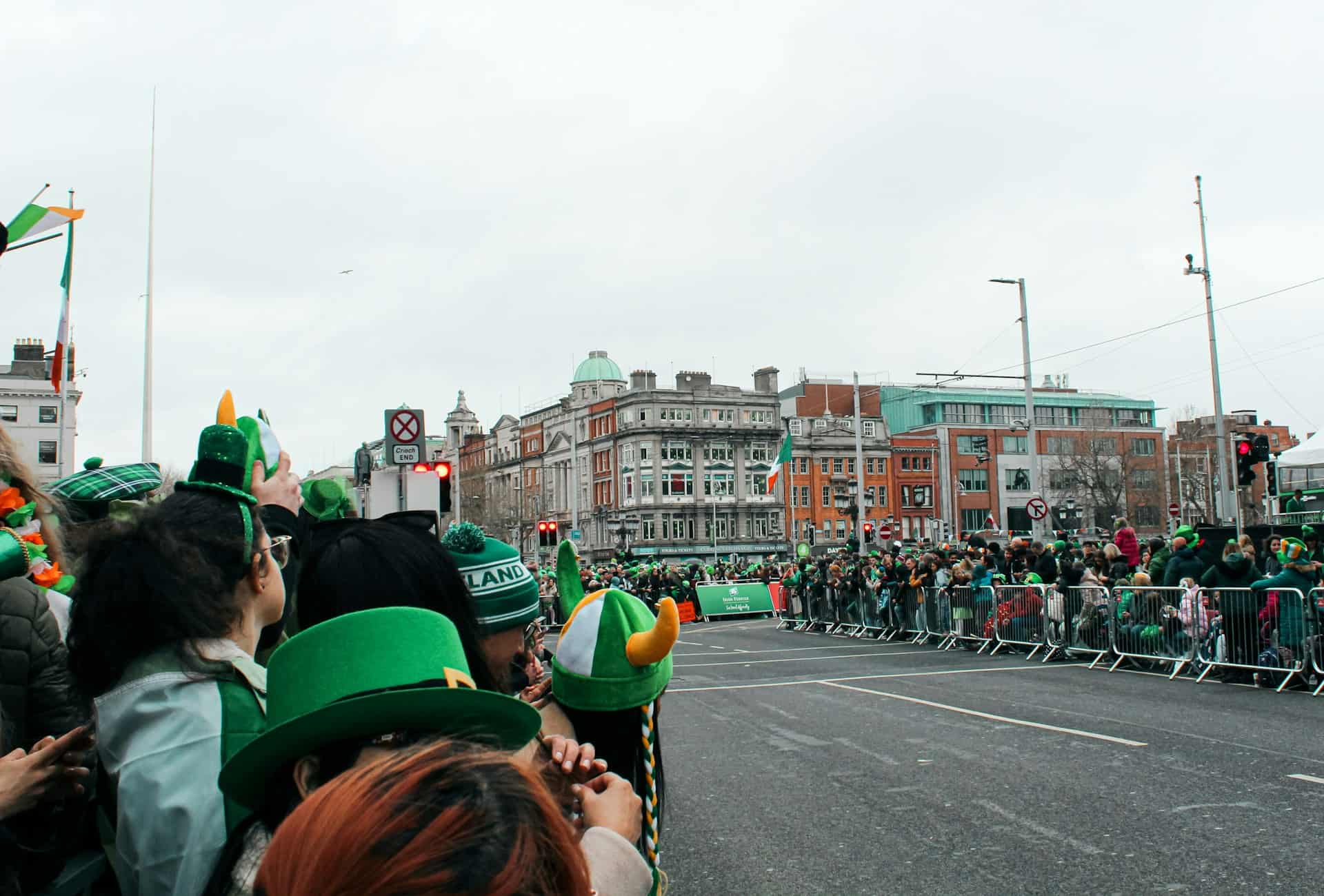
A Saint Patrick’s Day in Ireland packing list should start with a waterproof outer layer, comfortable walking shoes, warm layers, a small secure bag and a portable phone charger. March 17 can mean long stretches outdoors, changing weather and busy streets, especially around major city parades.
Bring green if you like, but dry feet and a charged phone will do more for your day than a head-to-toe novelty outfit. Parade routes, entry rules and transport arrangements change by location and year, so check the official event information shortly before you travel.
Use this as a realistic starting checklist for Dublin, Cork, Galway, Limerick, Waterford, Kilkenny and smaller-town celebrations. Conditions vary, but the basics travel well.
Pack for a day that may begin cool, involve standing around for a while and finish in a pub, restaurant or evening event. A bulky suitcase full of themed clothing is a bit excessive. One festive piece is usually plenty.
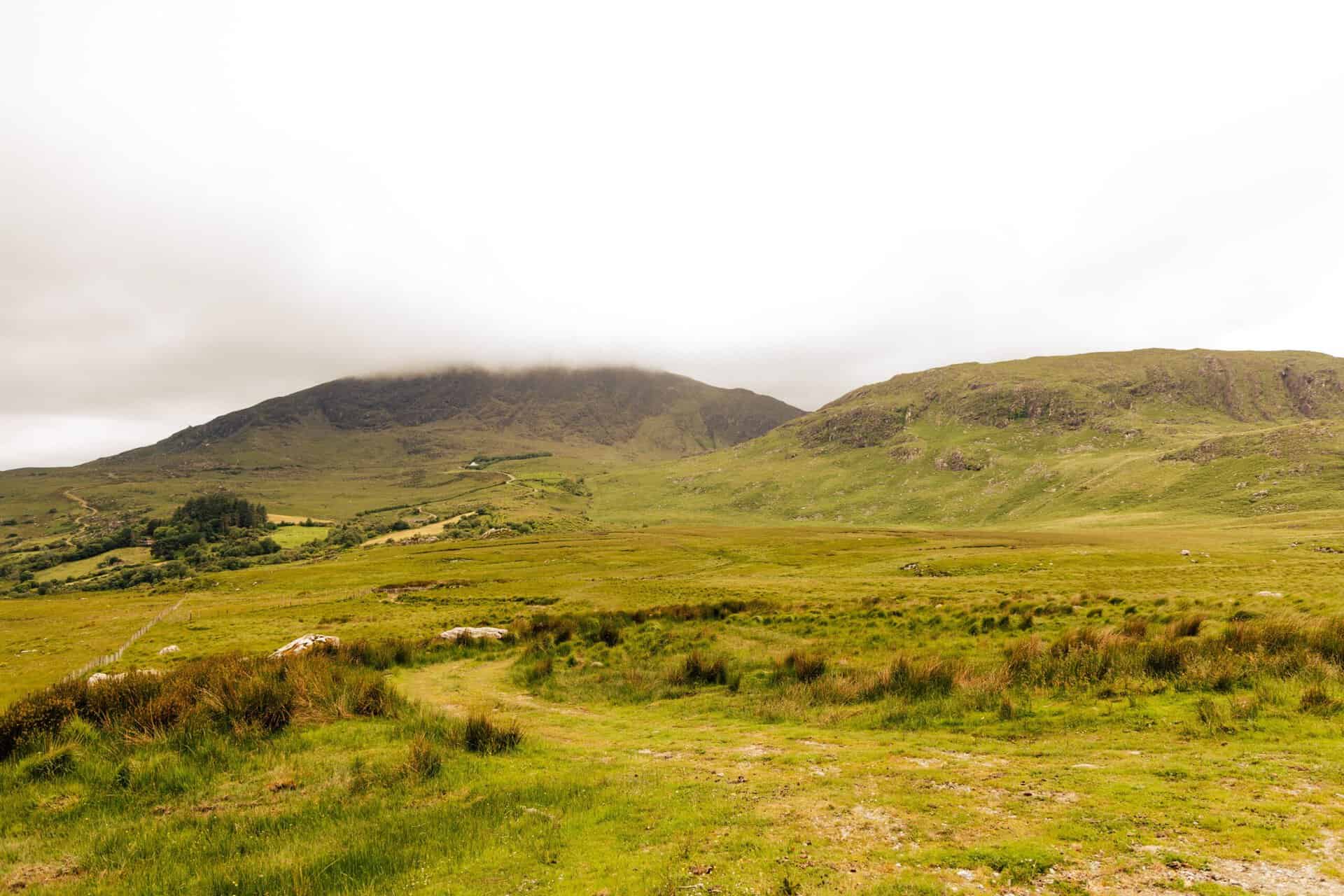
Ireland’s weather in March can shift quickly between sunshine, wind and rain. Met Éireann’s monthly climate data shows why layers make more sense than relying on one heavy item: temperatures and rainfall differ across the country, and a dry morning does not guarantee a dry afternoon.
A waterproof shell with room for a fleece or sweater is usually the most useful outer layer. Choose one with a hood that stays up in wind. A fashion coat that absorbs rain can become a fairly miserable commitment by lunchtime.

Check the local forecast a day or two before the parade, then make the final call on gloves, a heavier layer and the umbrella. Coastal cities can feel colder in wind than the temperature suggests.
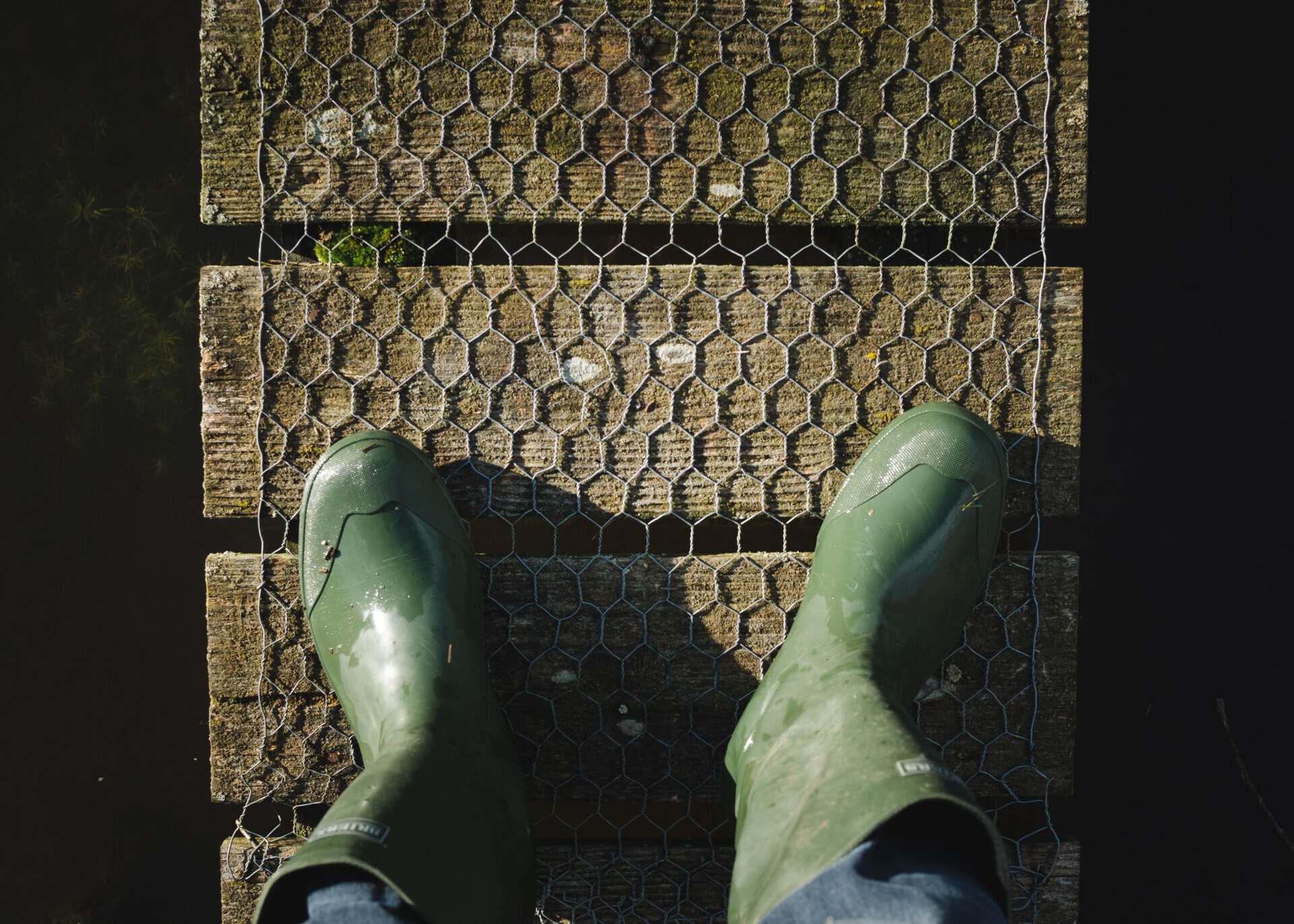
Comfortable waterproof shoes or trainers with decent grip are the sensible choice for Saint Patrick’s Day. You may walk farther than planned because streets close, buses divert, taxis are scarce and the last part of the journey can be on foot.
Leave brand-new shoes at home. Parade crowds can involve long waits on hard pavement, and wet cobbles or uneven surfaces are not kind to slippery soles. If you want something smarter for the evening, pack compact shoes and change after you return to your hotel or rental.
For the rest of your trip, this broader Ireland packing list for rain, walking and daily touring covers useful non-festival basics.
A small crossbody bag, belt bag or light daypack is easier to manage than a large backpack in crowds. Keep it zipped, carry valuables close to your body and avoid bringing anything you would hate to lose.
Pack only what you need for the hours you will be out:
Large bags may be awkward or restricted at certain venues, attractions and organized events. The official St. Patrick’s Festival website publishes programme details and event-specific information for Dublin. Read the guidance for the particular parade, concert or ticketed event on your itinerary.
Keep your day simple: bring your phone, a power bank, one payment card, ID and any travel documents needed for your wider plans. Mobile networks can slow down in dense crowds, so save accommodation details, meeting points and transport information before you leave.
A fully charged power bank is particularly handy if you are using maps, taking photos and trying to coordinate with friends after the parade. Carry a cable that fits your own phone. It sounds obvious, until it is 5 p.m. and someone has a charger for every device except yours.
International visitors should carry ID in a secure place and check entry requirements before travelling. If you are combining Dublin with other stops, this three-day Dublin itinerary can help with the rest of the schedule.
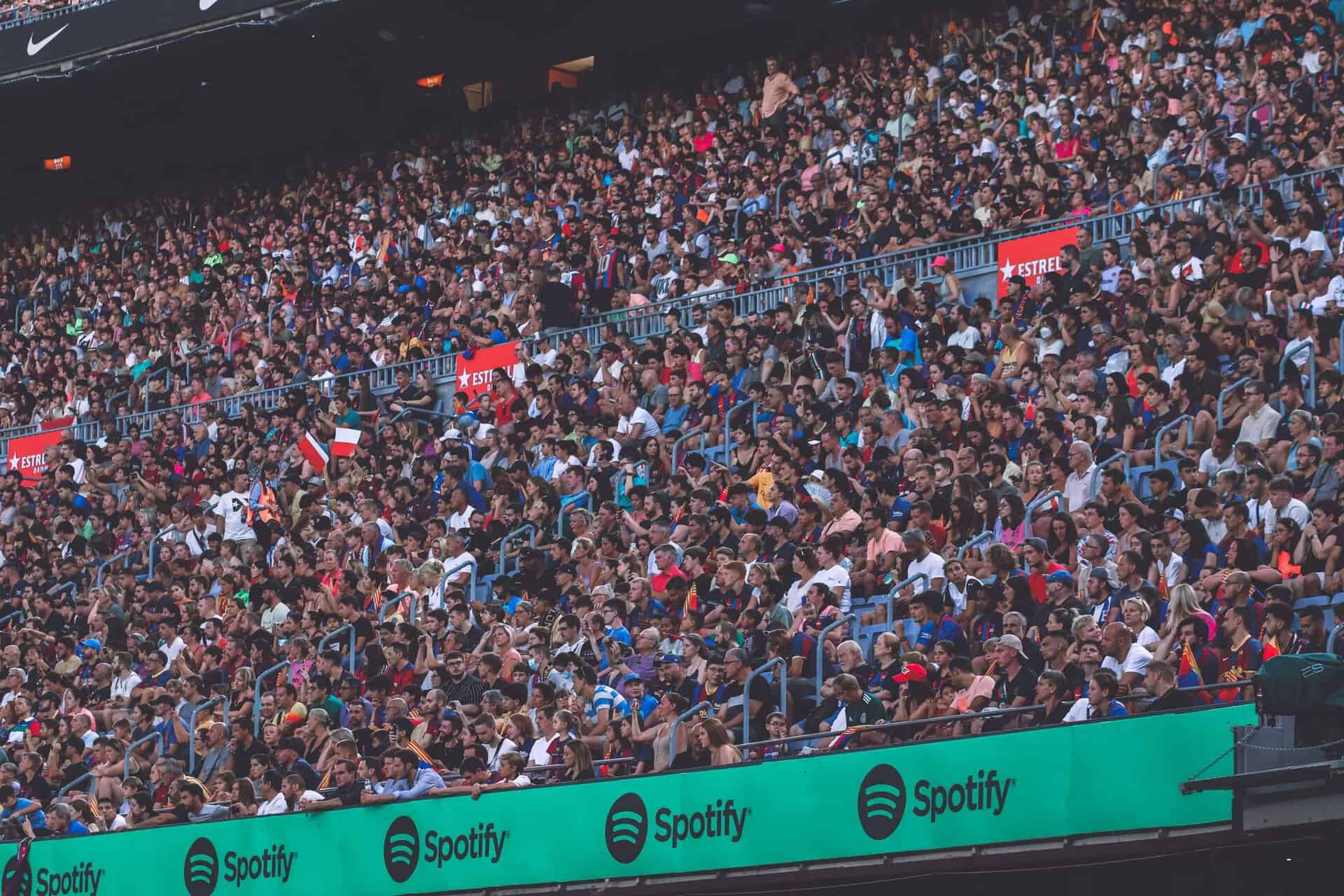
Parade day often requires more patience than complicated gear. Arrive with a clear meeting point, a backup meeting point and enough battery to contact each other. Pick a spot that is easy to identify away from the densest part of the route.
Parents should pack snacks, wipes, a warm extra layer and a clear plan for toilet breaks. A stroller can work on quieter streets, though navigating a packed parade route with one can be a bit of a pain.
Specific restrictions are set by each organizer, venue and local authority, so always read the current event terms. In general, avoid bringing bulky bags, glass containers, large umbrellas, valuables you do not need or items that could block someone else’s view.
Do not assume a pub, museum, concert venue or parade viewing area uses the same rules as the street outside. Ticketed events can have bag policies, age requirements and prohibited-item lists. Check those details directly with the organizer before setting off.
It is also sensible to leave expensive jewelry, large cameras and unnecessary documents at accommodation. Carrying less makes security checks and busy public transport easier enough.
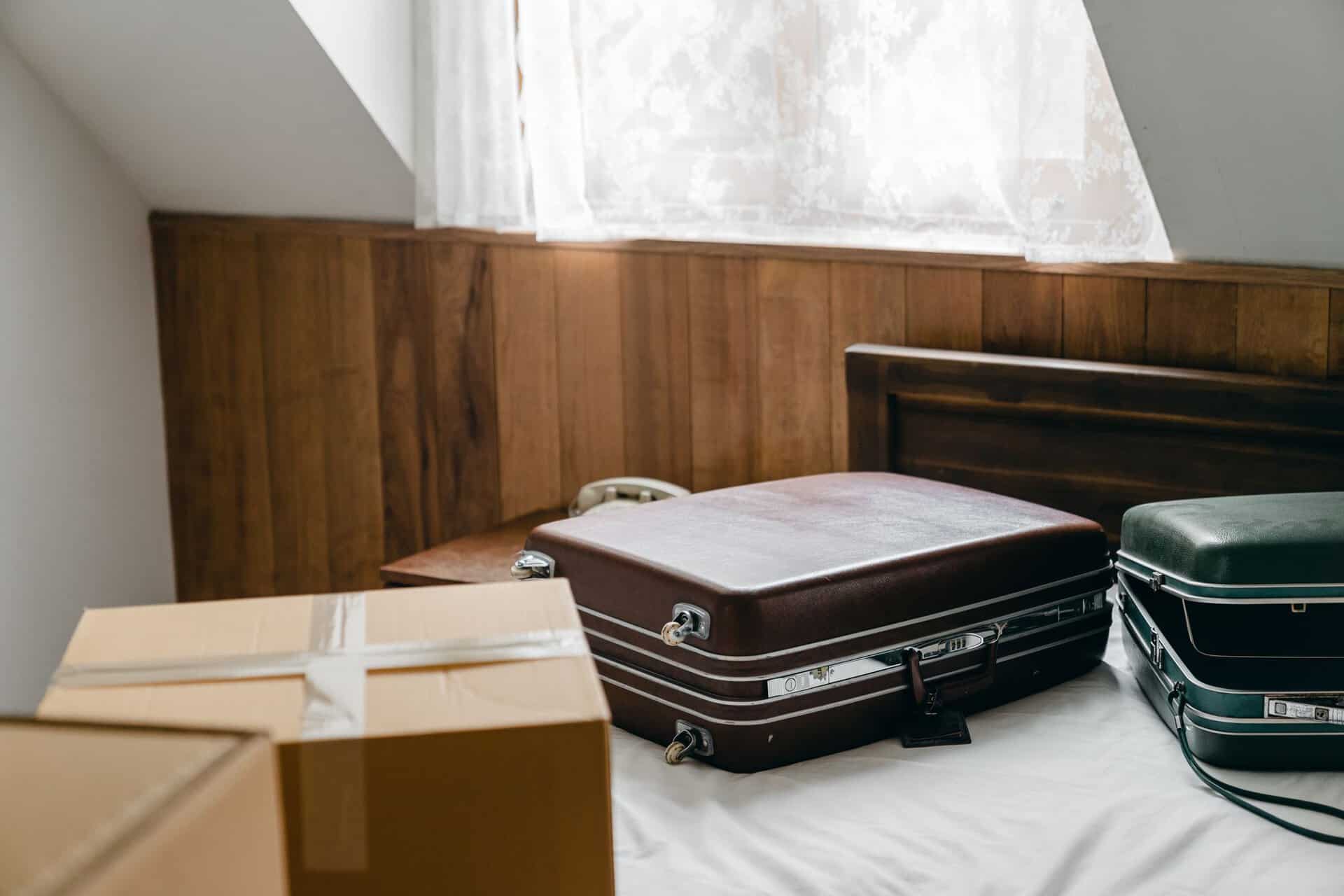
Pack a little patience alongside your rain jacket. Road closures and diversions can affect buses, taxis and private cars near parade routes, while trains and intercity buses may be busy around the holiday period.
For Dublin travel, check live notices and route planning through Transport for Ireland before leaving. If you are travelling by train, confirm the timetable with Irish Rail; if your plans involve Northern Ireland, use the relevant Translink service information. Save tickets or booking references offline where possible.
Book accommodation with walking distance in mind, not only the map pin. A hotel near the center can still involve a longer route when streets are closed. Give yourself time and do not plan a tightly timed connection immediately after the parade.
Lay these items out the night before. It reduces the chance of leaving your rain layer on a hotel chair, which is not the dramatic travel story anyone needs.

No. Green clothing is common and fun, but there is no requirement to wear it. A green scarf, pin or hat gives you the festive look without sacrificing practical weather gear.
A compact umbrella can be useful in light rain, but a waterproof hood is often easier in wind and crowds. An open umbrella can obstruct views and become awkward on packed streets.
Many hospitality businesses open on Saint Patrick’s Day, though opening times, reservations and admission policies vary widely. Shops and services may operate reduced hours because Saint Patrick’s Day is a public holiday in Ireland.
Arrive early enough to reach your chosen viewing area before streets become crowded, especially in Dublin and other large cities. The exact timing depends on the local parade route, start time and official crowd-management advice.
Driving near central Dublin can be difficult due to road closures, diversions and parking demand. Public transport and walking are usually easier for reaching parade areas, but check current service notices before travel.

Matt Hook is a Canadian writer of Scottish and Irish heritage. He built his writing career creating detailed gaming guides, turning complex mechanics, history and lore into useful information for readers. Matt brings that same research-focused approach to Ireland Wide, where he writes about Irish travel, heritage, history and culture. He also holds CMA and CPA designations as a professional accountant, giving him a strong background in research, accuracy and attention to detail.
At Ireland Wide, our aim is to bring authentically Irish insights to you, wherever you are.
Whether you have some feedback or would like to offer some of your own insights for everyone else to explore, don't hesitate to get in touch with us!