If you only have a long weekend in the Irish capital, a good 3-Day Itinerary For Visiting Dublin needs to do two things well. It should cover the big sights without turning the trip into a sprint, and it should leave enough room for the bits that make Dublin feel like Dublin: old libraries, church spires, live music, a decent pint, and streets that are easy to cover on foot.
Dublin is compact enough that you can link several headline attractions in one day, especially around Trinity College, Dublin Castle, Christ Church Cathedral, and St Stephen’s Green. The trick is booking a few timed entries ahead, particularly for the Book of Kells Experience.
This plan is built for first-time trips. It mixes the historic core, a couple of classic paid attractions, and one day that gets you beyond the city centre without needing a car. If you are stretching the trip into a longer loop, it also fits neatly into a broader 7 day Ireland itinerary for first timers.
How To Plan A 3-Day Itinerary For Visiting Dublin
For most people, three days is enough for Dublin’s main sights plus one coastal or countryside day trip. The city centre is walkable, so you can avoid spending half the trip on buses if you group attractions sensibly.
The easiest anchor points are Trinity College Dublin, Temple Bar, Dublin Castle, and St Stephen’s Green. These areas sit close enough together that day one and day two can be mostly done on foot, with a bus or taxi only when your legs start negotiating.
If you are arriving by air, Dublin Airport connects to the city by bus, shuttle, taxi, and private transfer. Aircoach, Dublin Express, and Dublin Bus all run frequent airport services into the centre, while a Dublin Airport taxi is the simplest late-night option if you are landing with bags and no patience. If you are building the trip around a weekend, shoulder season often feels easier to manage than peak summer, when major attractions and central accommodation get busy fast.
Where To Stay For Three Days In Dublin
If this is your first trip, stay somewhere central enough that you can walk back after dinner or a pub session without turning it into a transport puzzle. Temple Bar is lively and convenient but noisier. Areas around Trinity College, St Stephen’s Green, and the south city centre usually make a better base if you want a balance of access and sleep.
Book early if your dates line up with festivals, big sports fixtures, or St Patrick’s Day on 17 March. Central Dublin rarely rewards last-minute optimism.
Day 1: Trinity College, Temple Bar, And Dublin’s Historic Core
Start with Trinity College Dublin. The headline draw is the Book of Kells Experience, which also includes the Old Library. Trinity’s published visitor hours are typically 9:00 AM to 6:00 PM from May to September and 9:30 AM to 5:00 PM from October to April, with last entry 30 minutes before closing. Tickets are commonly listed in the €18 to €25 range, depending on date and package, so advance booking is the sensible move.
The Old Library is one of those places that even non-book people tend to remember. Go early if you can. This is one of Dublin’s most in-demand timed entries, and late-morning slots usually feel busier.
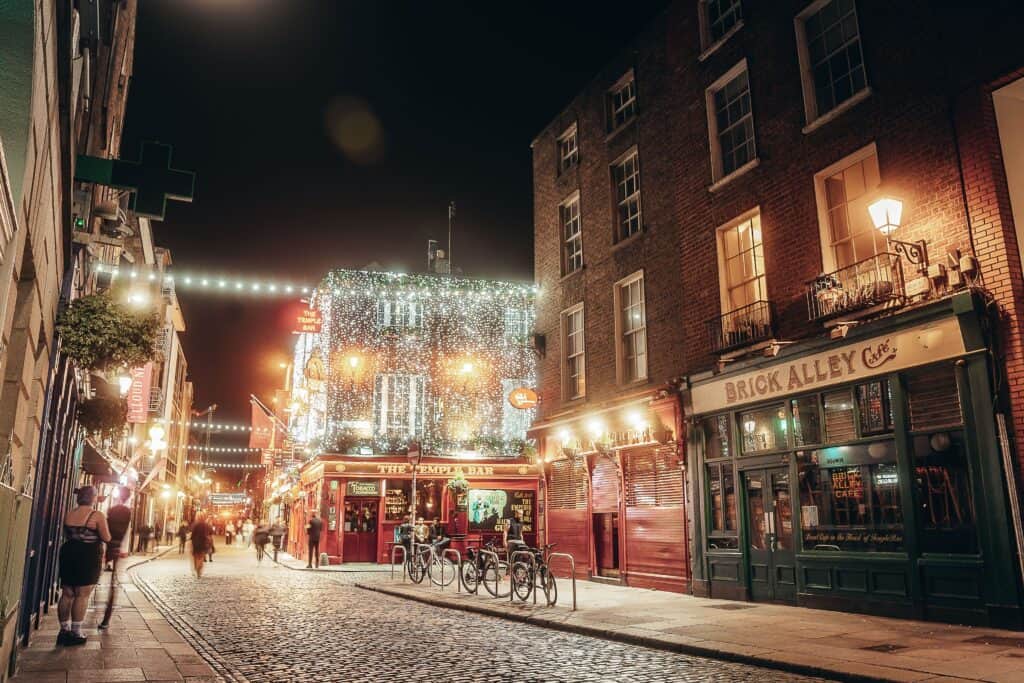
From Trinity, walk into Temple Bar. It is touristy, yes, but it is also central, handy, and part of the first-trip experience for many people. This is a good place for lunch rather than your entire evening. A short wander lets you tick off the cobbled lanes and move on before the crowds get thick.
In the afternoon, head west toward Dublin Castle and then continue to Christ Church Cathedral. These two stops fit naturally together and make sense on foot. If you still have energy, continue to the GPO on O’Connell Street, which features in many classic first-time Dublin routes because of its role in Irish history.
Wrap up with a pint around the city centre, but do not feel obliged to spend the whole night in Temple Bar. Plenty of people prefer to dip in for the atmosphere and then shift elsewhere for a less crowded finish. If you want ideas after dark, it helps to have a shortlist of things to do in Dublin at night before the evening drifts into that familiar “one quick drink” territory.
Day 1 Booking Priorities
- Book of Kells Experience: reserve a timed slot in advance.
- Dublin Castle: check official opening details before you go.
- Walking pace: this is a mostly walkable day, so wear proper shoes, not optimistic ones.
Day 2: St Stephen’s Green, St Patrick’s Cathedral, And Guinness

Begin around St Stephen’s Green, one of the easiest landmarks to build a morning around. It pairs well with nearby museums and gives the day a gentler start before you move back into heavier history and busier attractions.
From there, make your way to St Patrick’s Cathedral. It is one of Dublin’s most recognisable religious buildings and often appears in combined city tours alongside Trinity College and Dublin Castle for a reason. The setting also places you within easy reach of the Liberties, which keeps the route efficient.
If whiskey is more your speed than cathedrals, this is also the day to look at a distillery stop such as Teeling Distillery. If not, keep your energy for the city’s most famous attraction: the Guinness Storehouse.
The Guinness Storehouse is not subtle, and it does not need to be. For a first Dublin trip, it is one of the easiest paid attractions to justify because it combines brewing history, brand culture, and city views in one stop. Standard adult tickets often start around €26 online, with peak times costing more, so pre-booking is a good idea if your schedule is tight and you want a specific entry time.
For the evening, this is a strong day to look for live music pubs rather than trying to add one more museum. Dublin does culture very well, but it also knows when to stop pretending the next sensible move is another audio guide. If you have overdone the paid entries by this point, Dublin has plenty of free backups too, including several covered collections covered in eight free museums in Dublin you cannot miss.

BAGAIL 8 Set Packing Cubes Luggage Packing Organizers for Travel Accessories-Cream
Day 3: Take The DART To Howth Or Choose A Bigger Day Trip
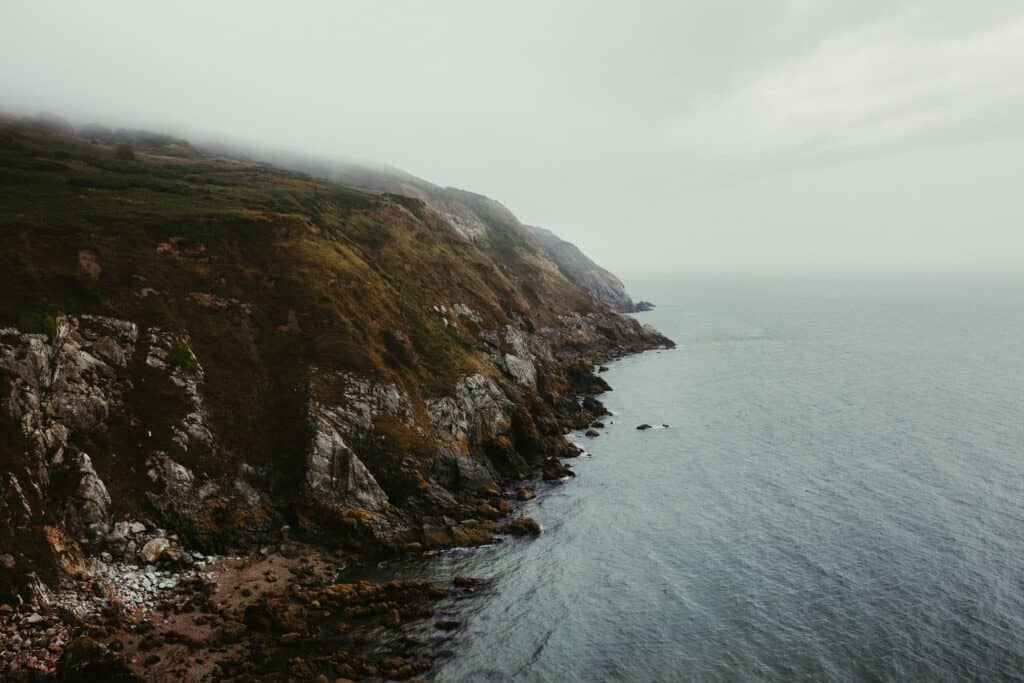
Your third day should get you out of the city centre. For the easiest option, take the coastal route to Howth. It is repeatedly recommended in Dublin three-day plans because it gives you a proper change of scene without the logistics of a full coach tour.
Howth works well if you want cliff views, harbour atmosphere, seafood, and a morning or afternoon that feels very different from cathedrals and museum interiors. DART trains from the city usually take around 30 to 35 minutes, which is about as painless as a day trip gets.
If you want a fuller day out, popular alternatives include Glendalough in the Wicklow Mountains and a combined trip that adds Kilkenny. Another well-regarded swap is a Wicklow route via Sally Gap and Powerscourt Waterfall. These longer days are best if you have already seen enough of central Dublin and want scenery over city time. If you prefer rail over coach tours, there are also several practical day trips from Dublin by train that keep the planning fairly painless.
Malahide Castle is another good option if you want a coastal outing with a historic stop built in. Some people pair Malahide and Howth in one day, but that works better if you like moving briskly and do not mind trimming your pub hours later.
How To Choose Your Day 3
- Choose Howth if you want the simplest DIY day by rail.
- Choose Glendalough and Kilkenny if you want a fuller guided day with monastic history and a second town.
- Choose Wicklow if mountain scenery is the priority.
- Choose Malahide and Howth if you want coast plus castle without going far from Dublin.
Best Order For This Itinerary
The order above works well, but you can swap days around. If your Book of Kells ticket is only available on another morning, move that whole cluster. If rain is forecast, use the wetter day for Trinity, Guinness, and cathedral interiors, then save Howth or Wicklow for the clearest window.
Dublin rewards flexibility more than rigid minute-by-minute planning. Build around the attractions that need reservations, then leave the pub, lunch, and music choices a bit loose.
Money-Saving Tips For A 3-Day Dublin Trip
Dublin can be expensive, especially in the centre, but a short trip is easier to control if you pick your paid attractions. You do not need to pay for everything with a ticket desk and a gift shop.
- Prioritise two or three big-ticket attractions, such as the Book of Kells Experience and Guinness Storehouse.
- Use free walking time well around Temple Bar, St Stephen’s Green, and the streets linking Dublin Castle to Christ Church Cathedral.
- Stay central if the room rate is reasonable. Spending more on location can save time and transport costs over three days.
- Book timed attractions ahead so you are not stuck paying for a rushed backup plan.

UIQUR Mens Rain Jacket Raincoat Waterproof Windbreaker Black L | Lightweight Packable Design For Hiking, Cycling, Running, Fishing ,Golf,And Other Outdoor Activities
What To Book In Advance
If you book nothing else, reserve the Book of Kells Experience. It has defined entry windows, and it is one of the most in-demand attractions in the city. The Guinness Storehouse is another smart advance booking if you want a specific time.
For day trips, pre-booking matters most if you are joining a coach tour to Glendalough, Kilkenny, or wider Wicklow. If you are doing Howth independently, you can keep that part flexible.
Is Three Days In Dublin Enough?
Yes. Three days is enough for a first visit if you are realistic. You can cover Trinity College, the Book of Kells, Dublin Castle, Christ Church Cathedral, St Patrick’s Cathedral, St Stephen’s Green, the Guinness Storehouse, and one coastal or countryside outing without making every meal feel like a pit stop.
What you will not do in three days is everything. Dublin has enough museums, pubs, neighbourhoods, and day-trip options to fill longer stays easily. That is not a planning failure. It is just a decent excuse to come back.
Useful Official Resources
Before you go, check the official pages for the Book of Kells Experience at Trinity College Dublin, St Patrick’s Cathedral, Guinness Storehouse, and Dublin public transport information. Opening hours, fares, and timed-entry systems can change, and Dublin is much easier when you sort the practical bits before you land.