An Ireland knitting retreat packing list comes down to three things: rain-ready layers you can actually wear, a compact project kit for travel days, and enough spare suitcase space for yarn bought along the way. Bring one main project you already understand, plus a smaller backup. A retreat is a poor time to learn that a complicated chart and a low phone battery aren’t getting on.
Check the retreat itinerary before you pack. Some programmes include walks, town visits, mills, workshops, or evening gatherings, so a sensible bag is not the same as a suitcase filled entirely with sweaters and skeins. If this is your first visit, these practical tips for planning an Ireland trip are a useful wider guide to the small travel details.
Pack Clothes for Changeable Irish Weather

Ireland’s weather can shift quickly, particularly near the coast or on higher ground. Met Éireann’s historical climate data shows why layers make more sense than relying on one heavy item. A warm knitting room, a damp walk to lunch, and a breezy excursion can all happen in the same day. Nothing dramatic, usually. Still, it’s better not to be caught out.
- Waterproof jacket with a hood: Choose one that fits over a fleece or cardigan.
- Two or three lightweight tops, plus a warmer mid-layer such as a fleece, wool sweater, or zip-up.
- Comfortable trousers or jeans and enough socks for wet-weather changes.
- Water-resistant walking shoes or boots with grip. Bring indoor slippers or thick socks if the retreat venue has relaxed common areas.
- A small umbrella only if you like one; wind can make it a bit awkward.
- A crossbody bag or small daypack for a notebook, water bottle, layers, and your portable project.
For a broader rundown of rain layers and day-trip basics, see this Ireland packing list for rain, walking, and daily touring. Avoid special outfits for every evening unless the organiser specifies a formal meal. Retreats are usually practical, social affairs. If you are adding heritage stops to the trip, this guide to packing for castle visits in Ireland covers the same useful basics: reliable shoes, waterproof layers, and a manageable day bag.
Build a Knitting Kit That Travels Well
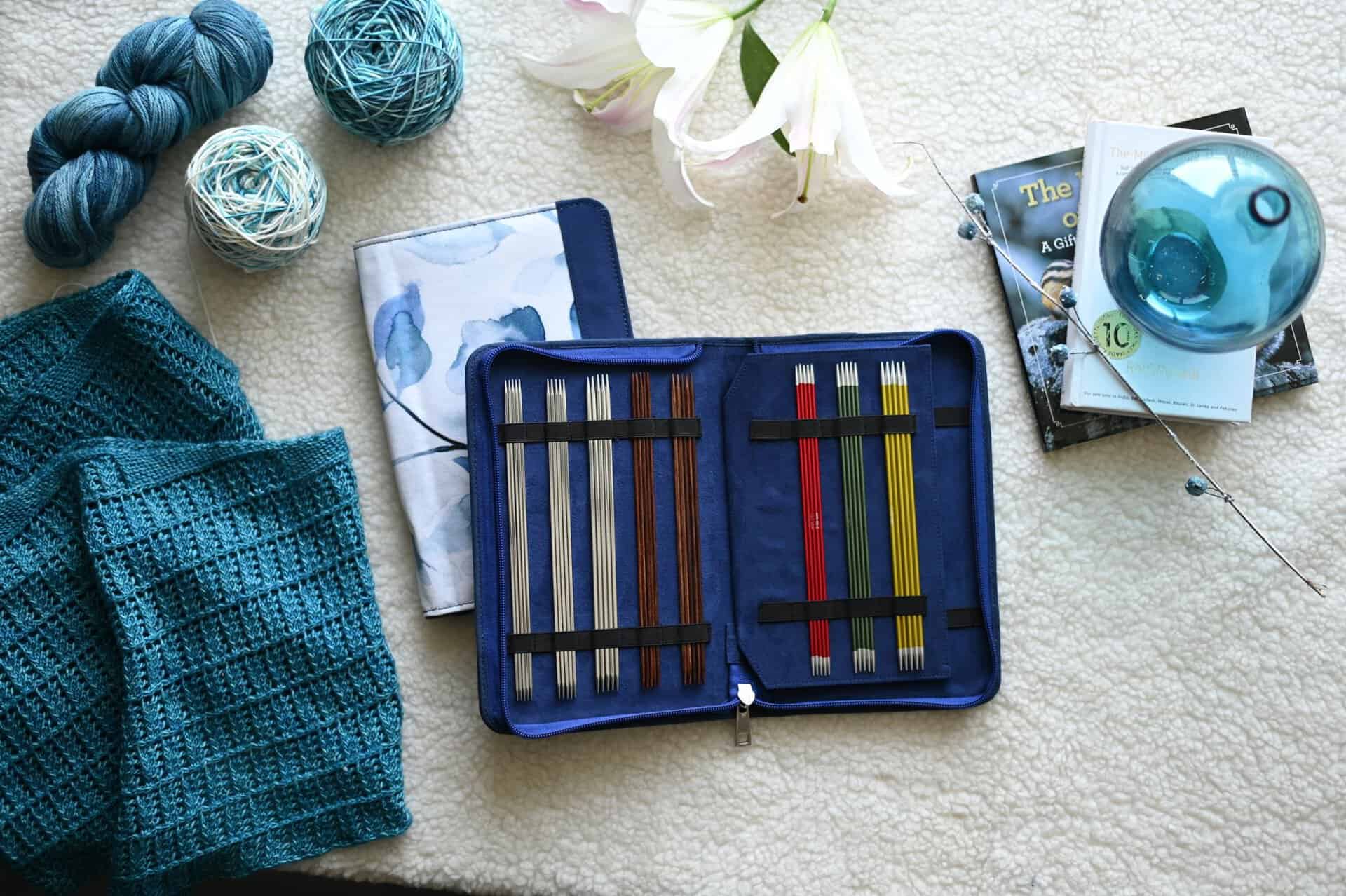
Keep your active project together in a zip pouch or structured project bag. It should be easy to lift from your carry-on at an airport, café, or retreat table without scattering stitch markers across the floor. Bring the exact supplies your project needs, then a modest backup rather than your entire craft room. Tempting, but unnecessary.
- Needles for the main project, including a spare circular needle in a useful size if you own one.
- Pattern printed on paper or saved offline, with a pencil, highlighter, row counter, and notes.
- Stitch markers, tapestry needles, a tape measure, cable needle if needed, and a small repair hook.
- Snips or thread cutters for checked baggage if flying. Carry-on rules vary by airport and airline.
- A few clips or locking markers to secure live stitches during travel.
- A small amount of contrasting waste yarn for lifelines, provisional cast-ons, or emergency repairs.
For flights departing the United States, the Transportation Security Administration lists knitting needles as permitted in carry-on baggage, though officers have final discretion. Airline and airport rules can differ on the return journey, so confirm them before leaving and pack sharp tools in checked luggage when required. Bamboo or wooden needles can be a lower-stress choice for travel, but they are still subject to screening.
Plan Yarn, Luggage Weight, and Shopping Space
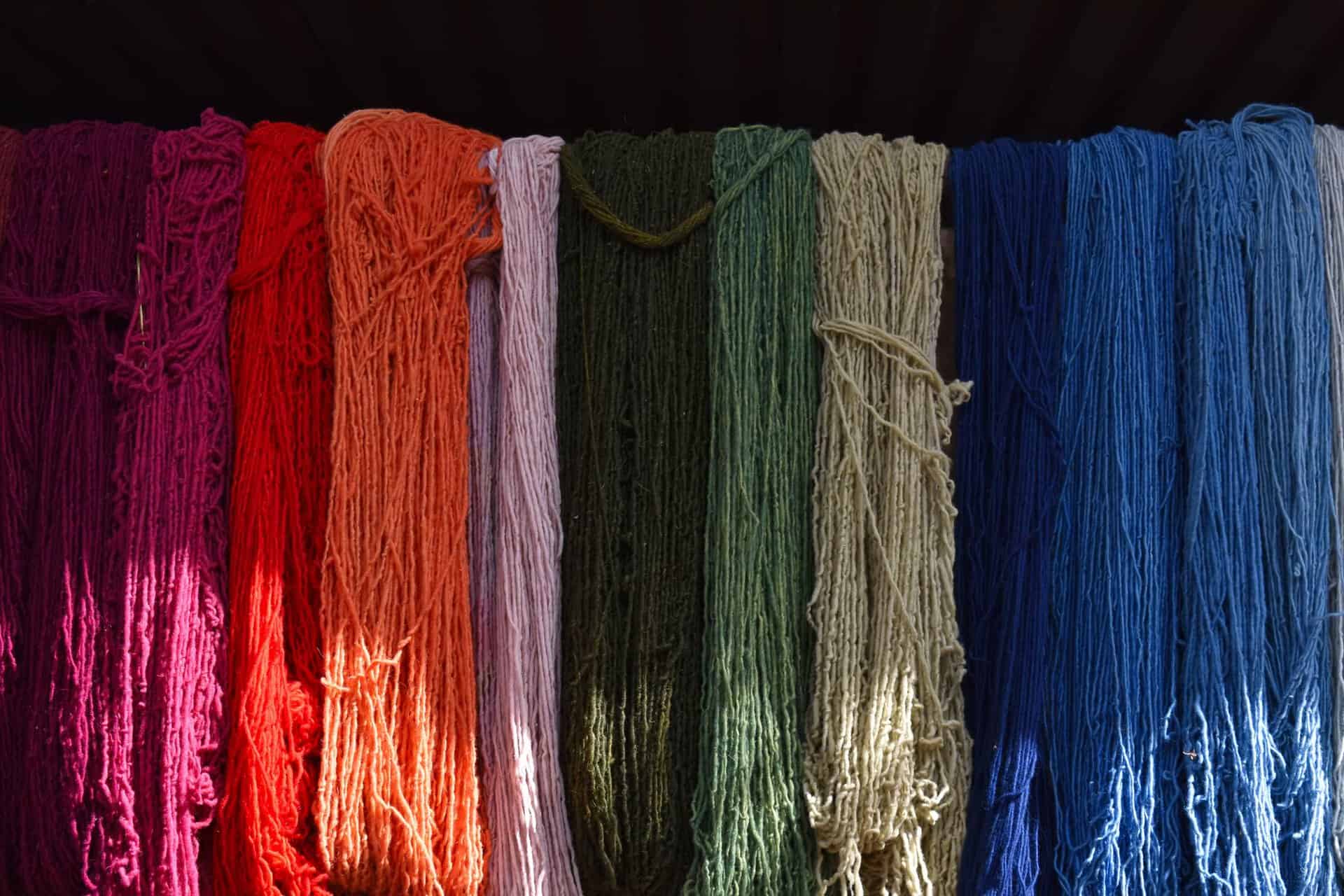
Pack yarn for one finished-object project and a small, easy backup, such as socks, a hat, or a simple shawl. Take enough of the main yarn to avoid a dye-lot problem, especially if the retreat is in a rural area. A retreat shop may have tempting materials, but it cannot be assumed to stock the exact shade or fibre you need.
Leave at least a little room and weight allowance for purchases. Photograph your airline’s checked-bag allowance before departure and weigh your suitcase at home. Yarn is soft, though several skeins can become surprisingly heavy once combined with books, pottery, or a wool sweater acquired through optimism.
- Use compression cubes for clothing, leaving a cube empty for purchases.
- Bring a foldable tote for overflow or fragile items on the journey home.
- Keep yarn labels and receipts where practical, especially for materials bought outside your home country.
- Carry a reusable zip bag for a damp project pouch, snacks, or loose notions.
If your retreat includes a self-drive extension, this guide to the Ireland road-trip packing mistake is useful reading. Large soft bags and loose purchases can make a small rental car far less convenient than expected. Give yourself time to pack the car properly; it is a small job that becomes a bit of a pain in the rain.
Documents, Comfort Items, and the Final Checklist
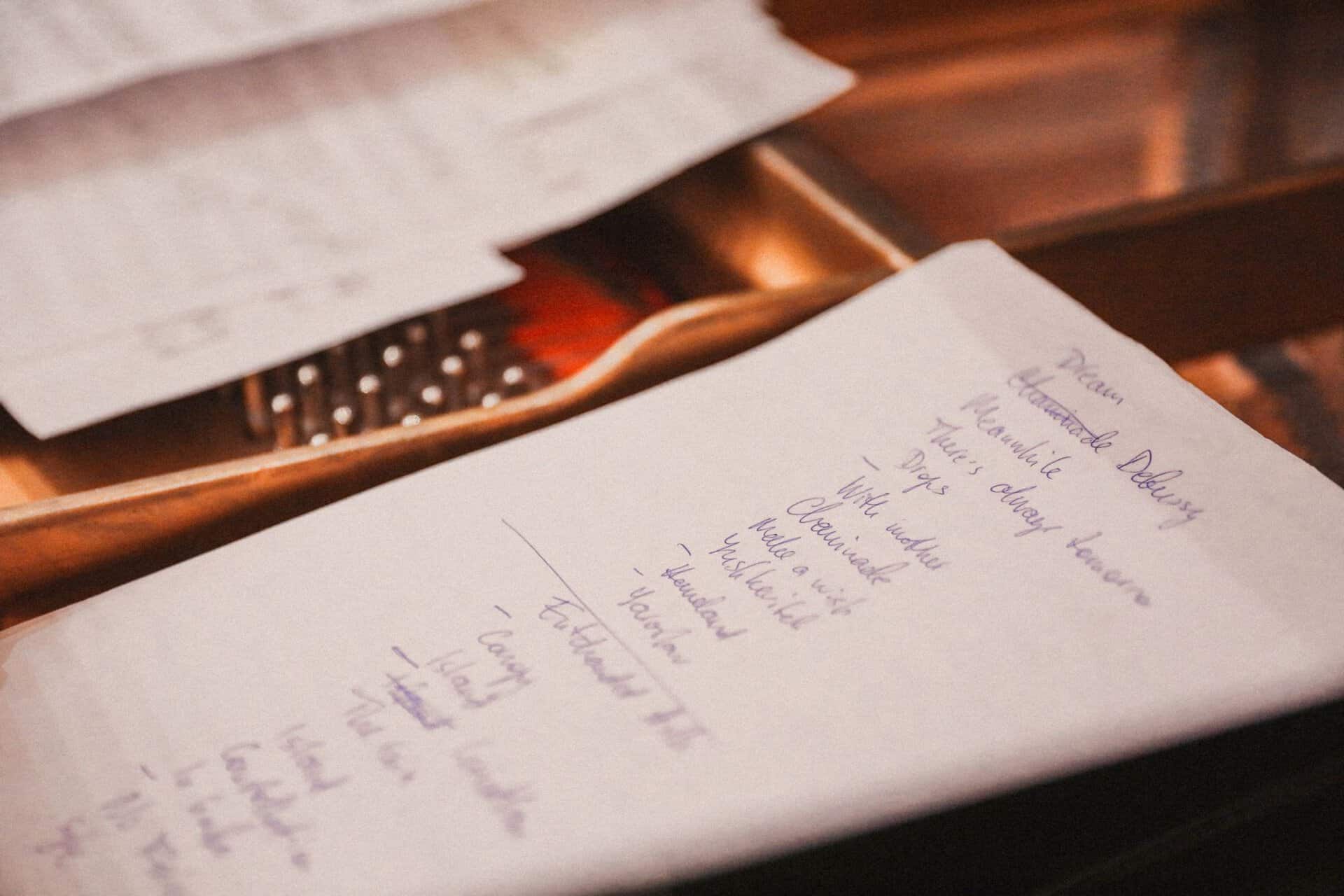
Keep travel documents and medications in your personal item, not checked luggage. Add a plug adapter suitable for Ireland’s Type G sockets, a charging cable, power bank, and any prescription details you may need. If you use digital patterns, download them before travel and bring a printed copy of the key pages.
- Passport, travel insurance details, retreat confirmation, and transport tickets
- Bank card, a small amount of cash, and a list of emergency contacts
- Prescription medication, glasses, and basic personal toiletries
- Phone charger, Type G adapter, power bank, and headphones
- Reusable water bottle, snacks, and a small notebook
- Main knitting project, backup project, tools, pattern, and project bag
- Empty tote and a little spare suitcase capacity for yarn purchases
Do one final check the night before: count your needles, confirm your pattern is available offline, and put your active project in the bag you will actually carry. That last part does the job. For other easy-to-miss travel details, it is also worth checking these things not to do when visiting Ireland before you go.
Frequently Asked Questions
Can I Take Knitting Needles on a Flight to Ireland?
Rules depend on the airport, airline, and security officer. The TSA permits knitting needles in carry-on luggage for U.S. departures, but check the rules for every leg of your journey and place scissors or other sharp tools in checked baggage when required.
How Much Yarn Should I Bring to an Ireland Knitting Retreat?
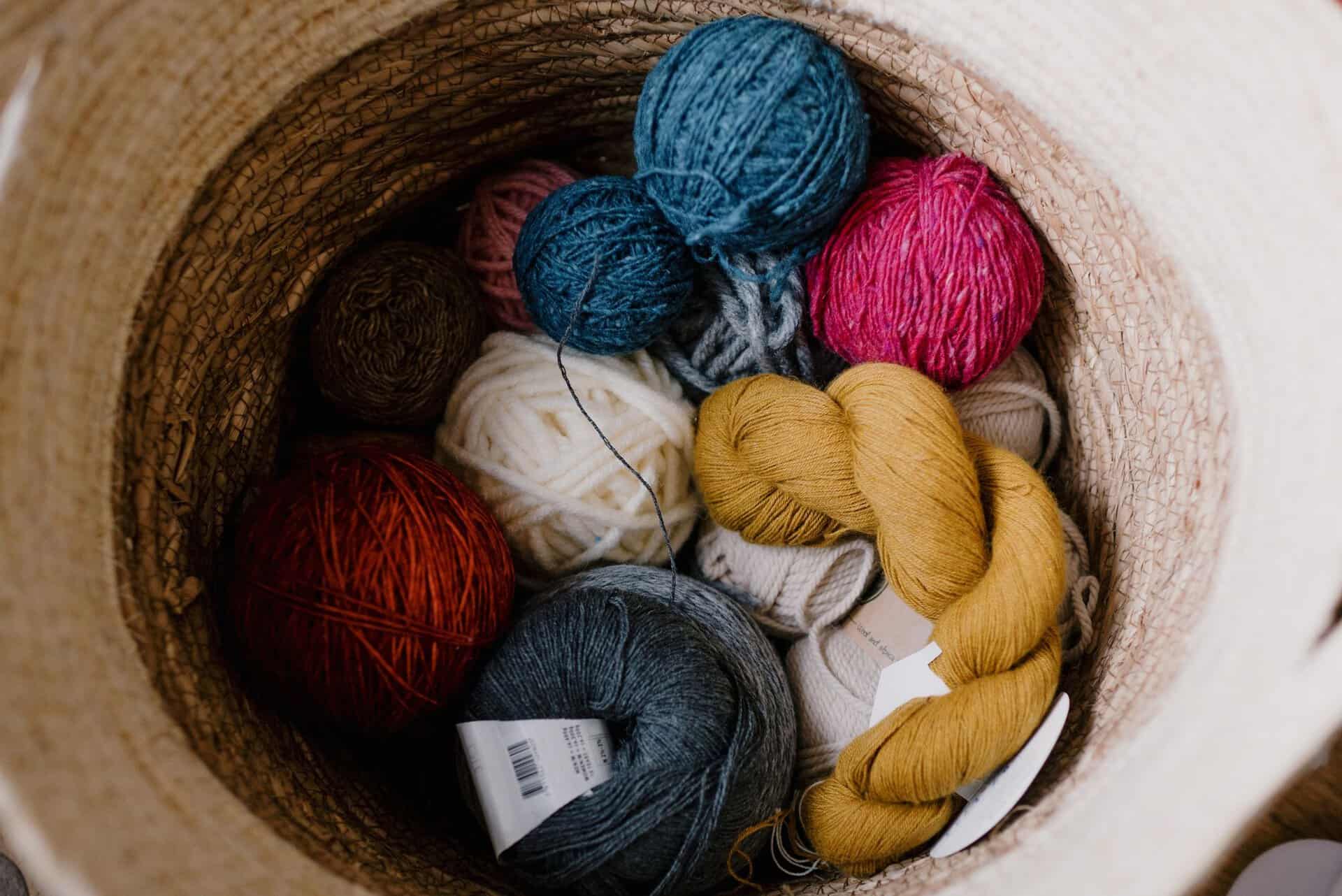
Bring enough yarn to complete one primary project, including any extra needed for gauge changes or longer lengths, plus a small backup project. Leave room for yarn bought during the retreat, especially if visiting local wool shops is part of the plan.
What Shoes Should I Pack for an Ireland Knitting Retreat?
Pack comfortable water-resistant shoes with decent grip for excursions and a dry indoor option for the venue. Sandals alone are rarely a decent shout outside the warmest settled weather.