

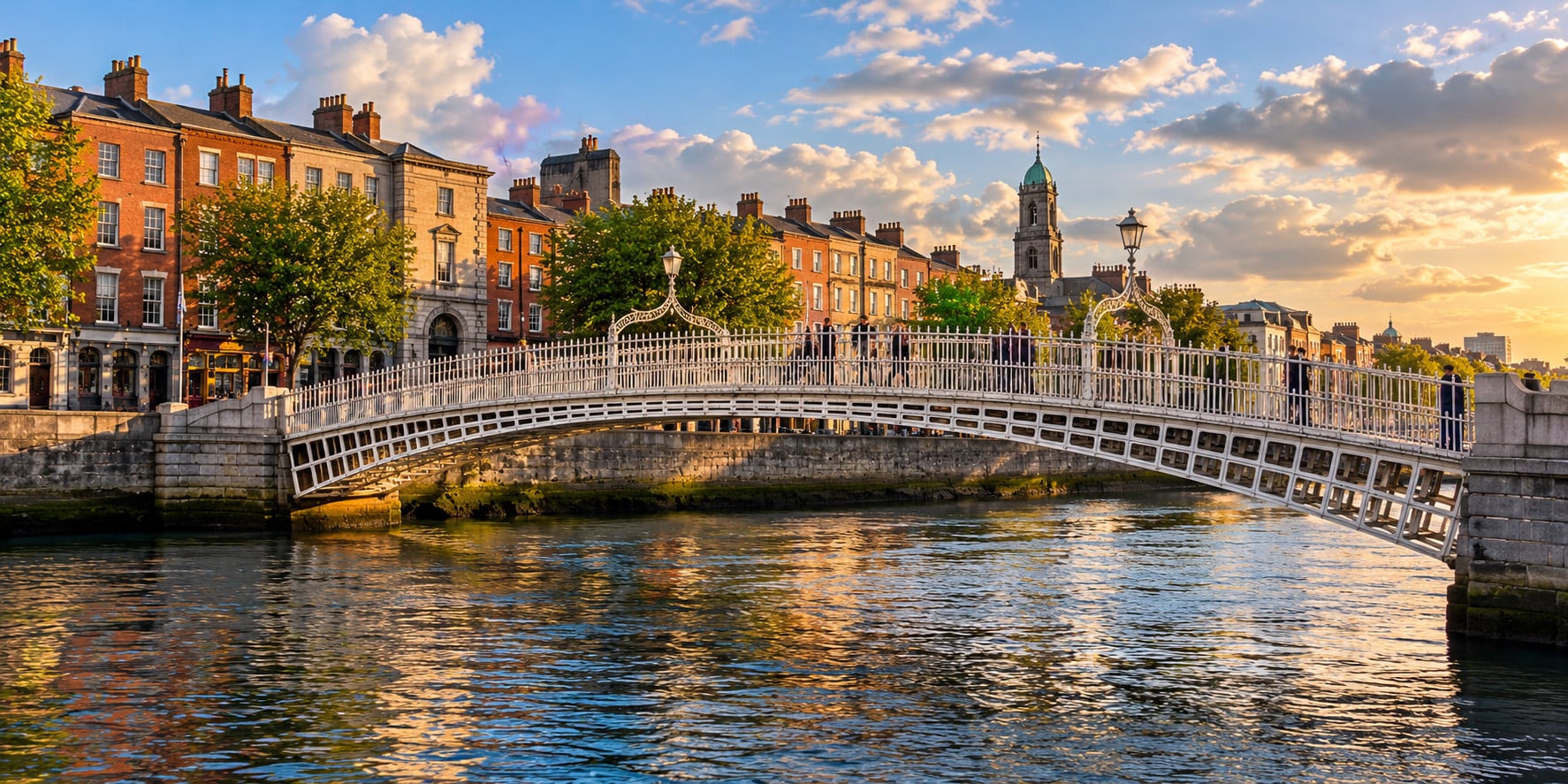
For 48 hours in Dublin, spend day one around Trinity College, Grafton Street and the River Liffey, then head west on day two for the castle or a cathedral and the Guinness Storehouse. This first-time itinerary groups nearby sights, leaves proper meal breaks and gives you time to enjoy the streets between the tickets.
The plan assumes two full sightseeing days and accommodation in central Dublin. If your 48 hours include airport arrival and departure, use the shorter version below. An overnight flight and a tightly packed morning rarely make good companions.
| Time block | Day one | Day two |
|---|---|---|
| Morning | Trinity College and the Book of Kells Experience | One interior visit: Dublin Castle, Christ Church or St Patrick’s Cathedral |
| Late morning | Grafton Street and St Stephen’s Green | Walk through the castle and cathedral area, viewing other buildings from outside |
| Lunch | South William Street, Drury Street or nearby | The Liberties or Thomas Street area |
| Afternoon | Temple Bar’s streets, the Liffey and Ha’penny Bridge | Guinness Storehouse, with time afterward to get back to the centre |
| Evening | Dinner and music, a performance or a quiet walk | A relaxed meal near your accommodation or return transport |
Book the Book of Kells Experience and Guinness Storehouse first if they appeal to you, then choose one additional castle or cathedral interior across the weekend. The default plan has three paid visits. You can admire the other buildings without buying a ticket for every doorway.
Prices depend on the attraction, date and ticket type. Compare the actual tickets you intend to buy before considering a sightseeing pass. For this light itinerary, separate tickets are a useful baseline.
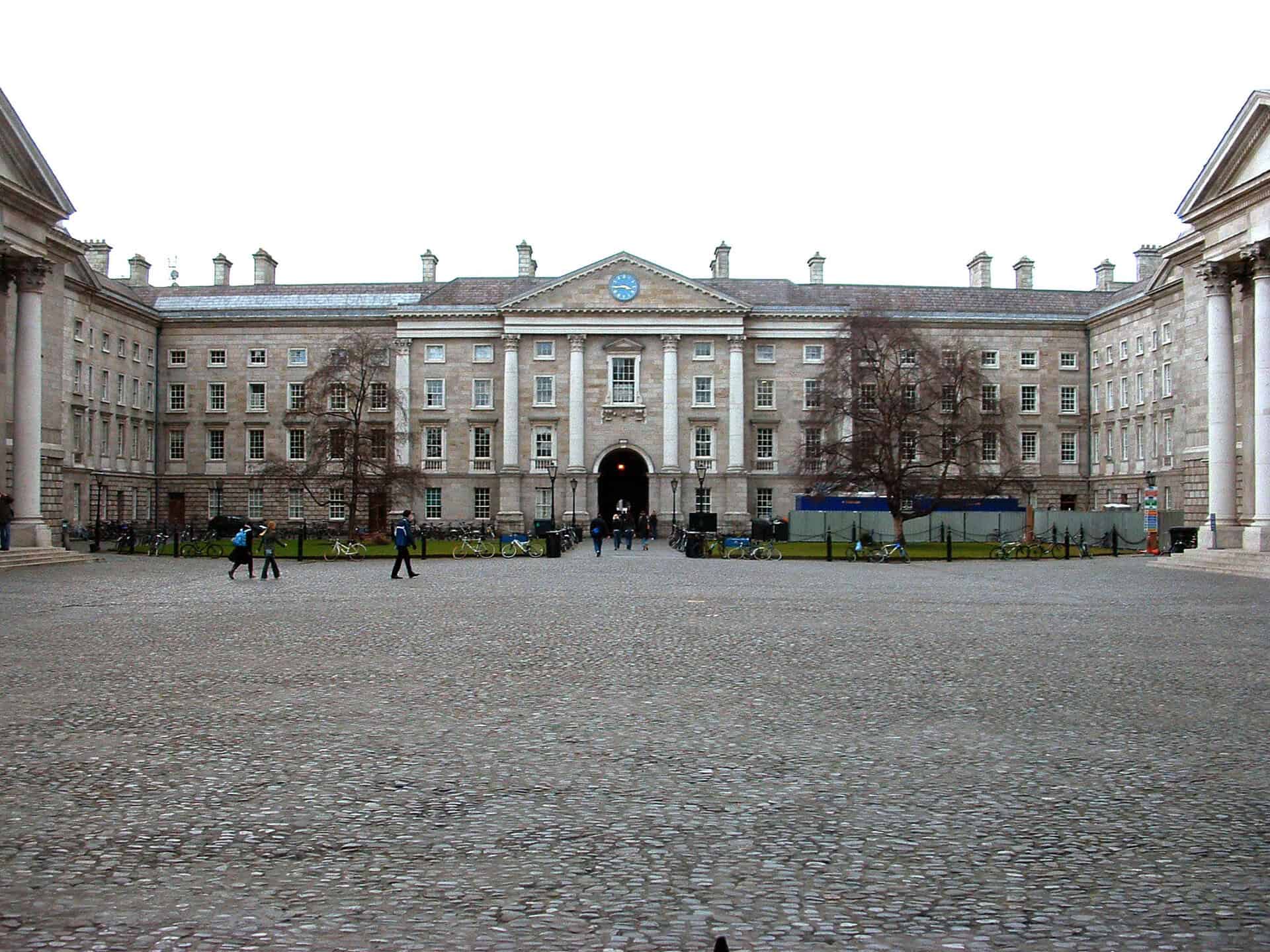
Start at Trinity College Dublin on College Green. Choose a morning admission if available and follow the arrival instructions for the entrance on your booking.
The Book of Kells Experience combines the medieval manuscript, the Old Library’s Long Room and digital interpretation. Trinity lists around two hours for the full experience. Check which ticket you are buying; a shorter Old Library option and a package with a campus tour are different plans.
Library update, checked 12 October 2026: Trinity says most Long Room books have been removed for the Old Library Redevelopment Project, except the first four bays as you enter. The space is still part of the current visitor experience, but it will not look like older photographs of fully stocked shelves. Read the official explanation of the conservation work before booking if that view is your main reason to go.
If manuscripts and libraries are not your thing, skip the paid visit and start with Grafton Street. The best itinerary is the one you want to follow, not the one with the most receipts.
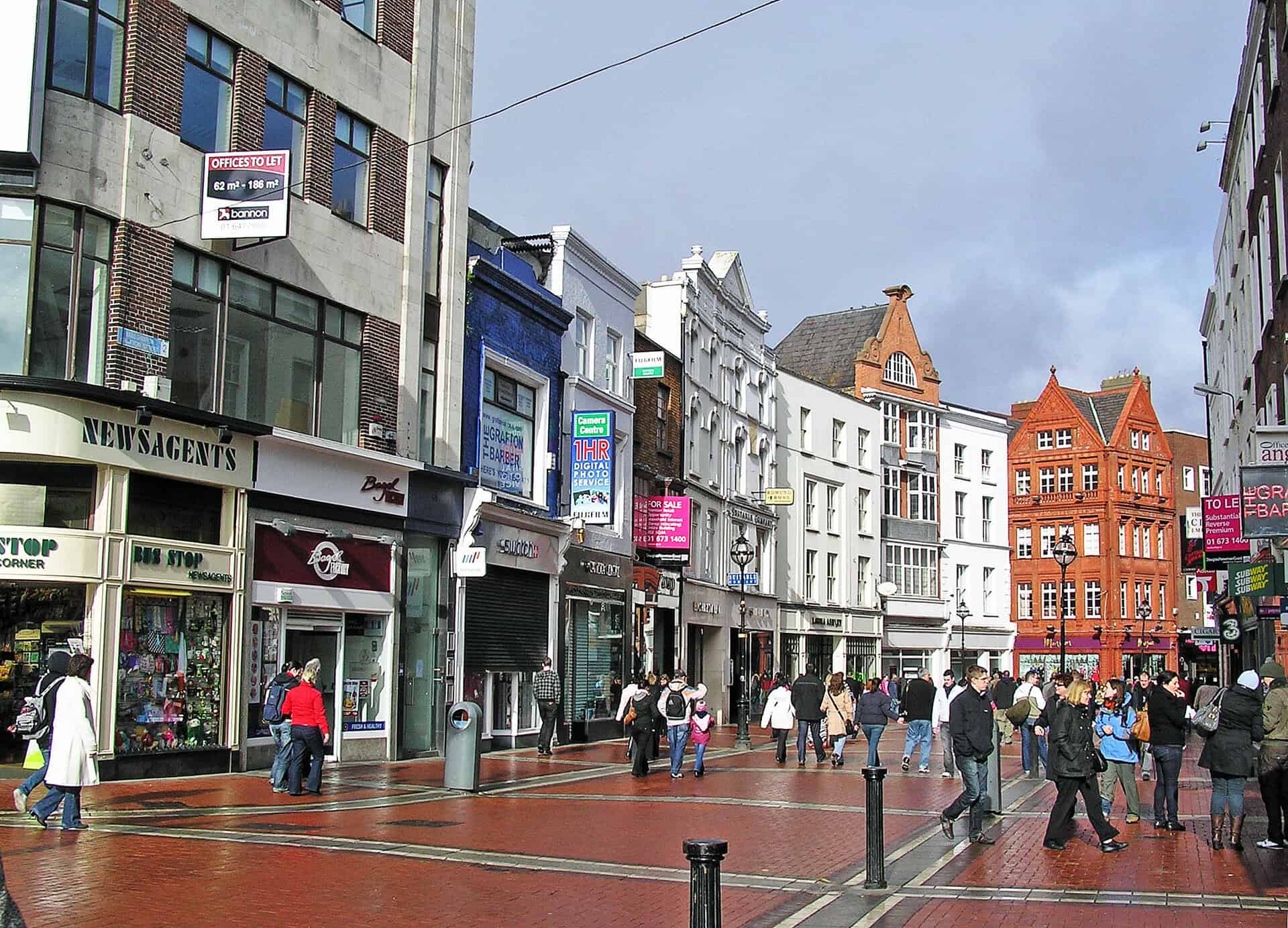
Leave Trinity towards College Green and walk south along Grafton Street to St Stephen’s Green. This groups shopping, street life and a park break without sending you across the city.
Allow roughly 15 minutes to walk from the Trinity area to the park without stops, then use the rest of the block to browse or sit down. That is a planning estimate; crowds, crossings and your own pace change it.
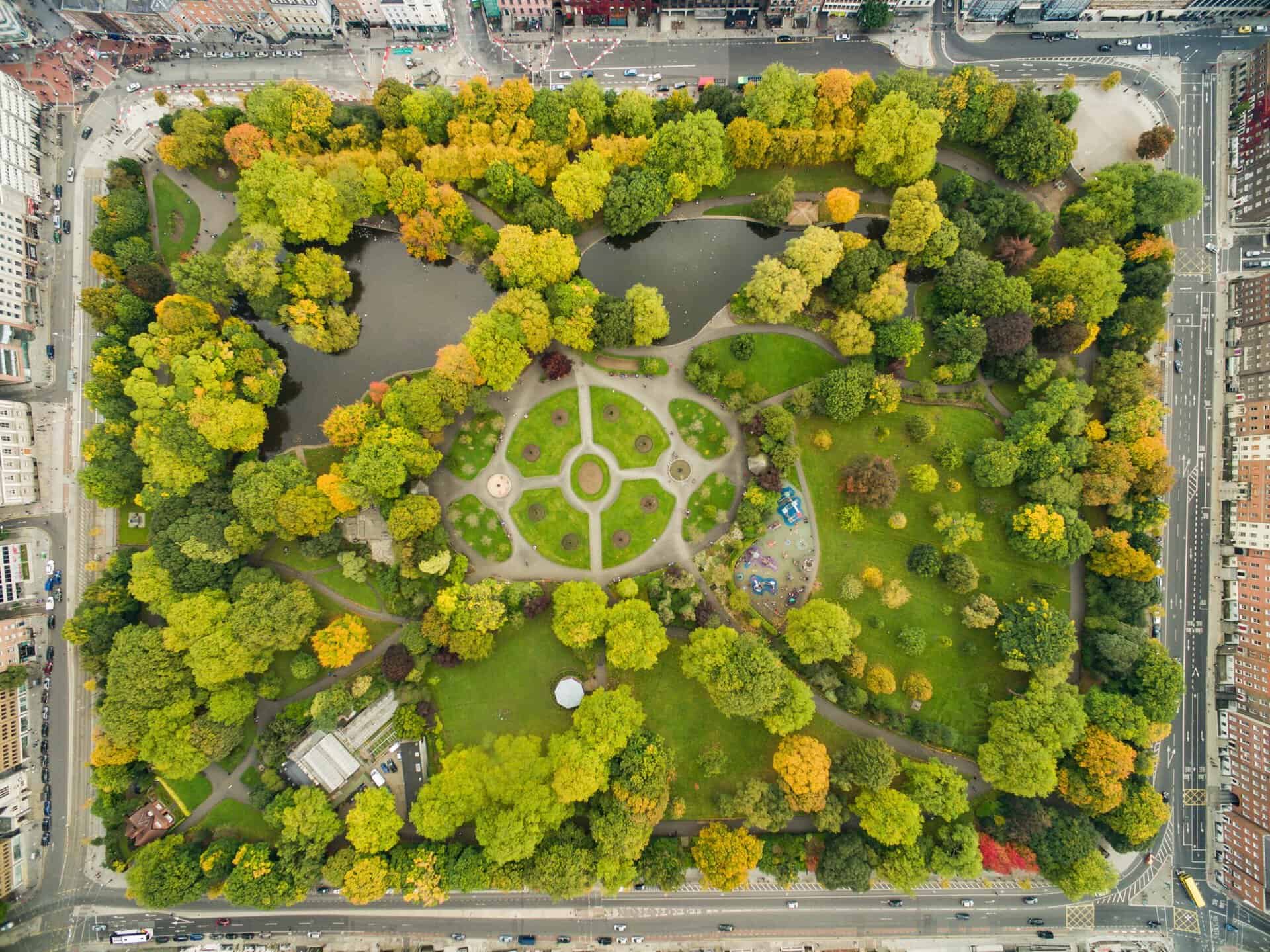
St Stephen’s Green is free to enter during its gate-opening hours. Take a short loop or choose a bench. A park bench is a legitimate itinerary item. In persistent rain, shorten the loop and make the café break longer.
Look around South William Street, Drury Street or nearby streets for lunch. These keep you close to the route, and an hour gives you a chance to sit rather than eating while checking directions.
Compare menus before choosing, particularly if you have a budget or dietary requirements. A longer sit-down lunch works too; trim the afternoon wandering to fit.
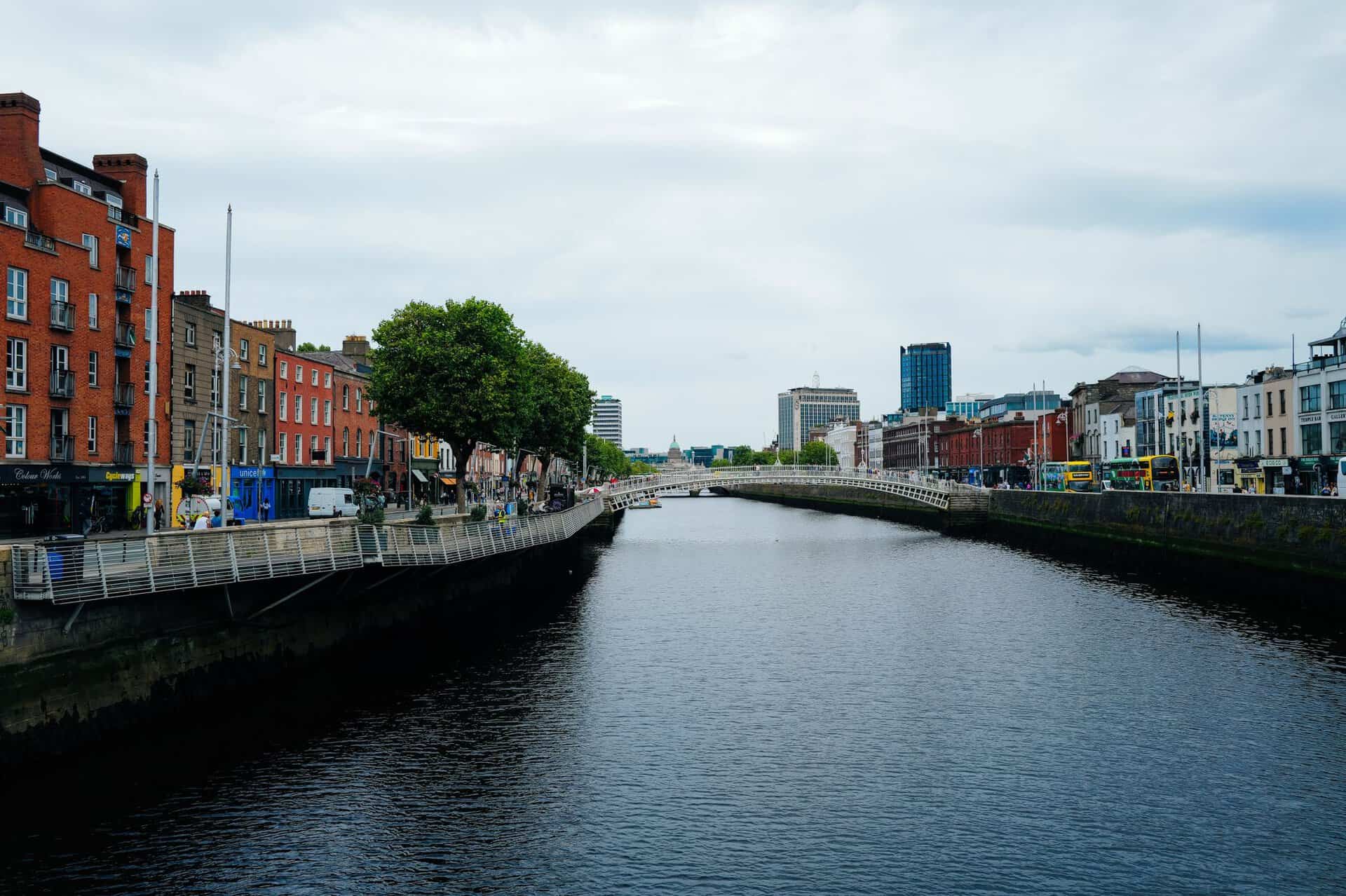
Head back north through Temple Bar to the River Liffey. Temple Bar is a district, not just its best-known pub, so you can explore the streets, browse and continue to the river without ordering a drink.
Allow roughly 20–30 minutes to reach the riverside from the Grafton Street area at a relaxed walking pace, then spend the afternoon as you please. Cross Ha’penny Bridge if it suits your route and access needs, stop for coffee or return to your accommodation before dinner.
If history matters more than unplanned wandering, you can move Dublin Castle into this block, subject to admission availability. Choose it as your extra interior visit and keep day two’s cathedral stop exterior-only to preserve the three-ticket plan.
Choose a pub with a confirmed music listing, a booked concert or theatre performance, or a quieter dinner near your accommodation. Check the type of music and its start time; a traditional session and a covers set are different evenings.
Temple Bar is convenient, but compare food and drink prices before ordering. If children are with you, confirm the venue’s admission arrangements. If it feels too loud, move on. You have another day to enjoy and no obligation to shout through dinner.
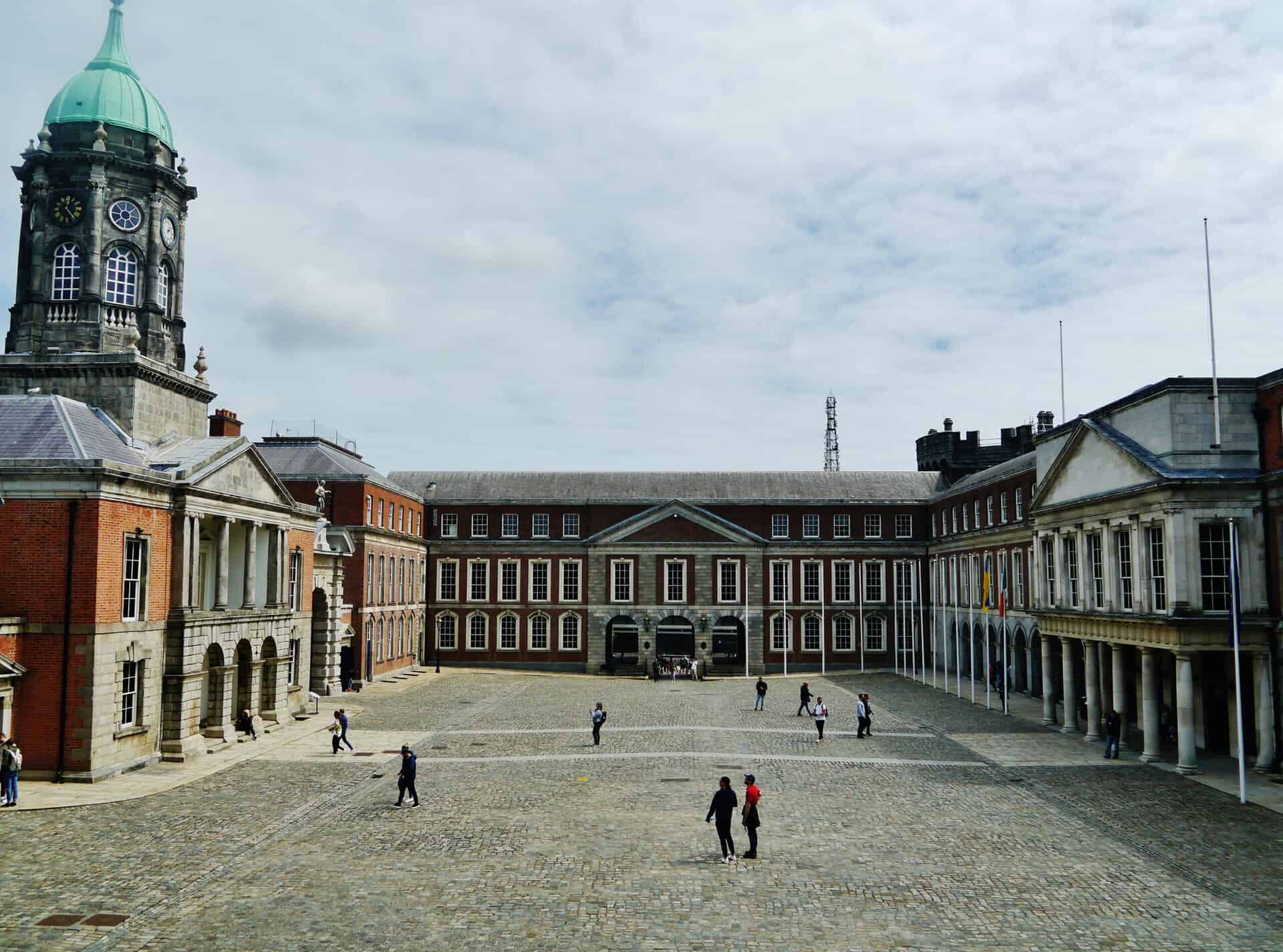
Begin around Dublin Castle, off Dame Street, and continue west or southwest according to your chosen attraction. A morning block around 10 a.m. to noon is a useful starting point, adjusted to the opening time and admission slot.
| Interior visit | Choose it for | How it fits |
|---|---|---|
| Dublin Castle | Political history and state rooms | Make it the main visit, then pass the cathedral area on your way west |
| Christ Church Cathedral | Medieval architecture and church history | View the castle from outside, then continue west to the cathedral |
| St Patrick’s Cathedral | A particular interest in the cathedral or its history | Add a southwest leg from the castle before continuing towards the Liberties |
Use Dublin Castle’s tickets and times, Christ Church’s visitor information or St Patrick’s visitor information to check your chosen visit. Cathedrals are working religious buildings, so sightseeing access fits around services.
Walking from the castle area to Christ Church generally needs a shorter connection than the route to St Patrick’s. Check your actual entrances on a map and leave a buffer. You do not need to tour both cathedrals and the castle before lunch.
Continue towards the Liberties and Thomas Street for lunch. Choose somewhere along your actual route to St James’s Gate and allow about an hour to sit and eat.
Check the walk to the Storehouse entrance before settling in. Roughly 20–30 minutes from the Christ Church area is a useful walking allowance, with more time for stops or a route via St Patrick’s.
An admission around 2 or 2:30 p.m., if available, gives the morning room to breathe. The Guinness Storehouse focuses on brewing, Guinness and the brand’s story, with the Gravity Bar included in standard experience descriptions.
The operator describes the standard experience as approximately 90 minutes. For this itinerary, reserve two to three hours including arrival, a leisurely visit and any extra activity you actually book.
If brewing history does not appeal, swap Guinness for an attraction that does. An indoor museum or more time at your morning history stop can work well; adjust opening hours and transport accordingly.
Afterward, walk back towards the centre or use transport. Check the return before leaving, especially if you have dinner or a performance booked. Day two already has enough structure without turning the last journey into a surprise.
You do not need a car for this itinerary. Walking covers the central clusters, with a bus, tram or taxi useful for longer connections or tired feet. The rough walking allowances above are estimates, not access assessments.
Use Transport for Ireland’s journey planner and ticket information to compare the exact start and end points. Check your service’s payment method and whether an ordinary Leap Card, visitor ticket or operator-specific ticket fits your journeys.
For mobility needs, confirm step-free entrances, lifts, toilets and seating with the attraction. The accessible entrance may differ from the one your map first suggests. One attraction per half-day, with transport between clusters, makes a calmer version of the same trip.
Compare bus, coach and taxi options through Dublin Airport’s official transport information. Choose by the stop near your accommodation, operating schedule, luggage arrangements and ticket terms. Do not assume a city transport ticket covers a separately operated airport coach.
Keep airport transfers outside the sightseeing blocks when possible. On arrival, allow for border formalities, baggage, the transfer and dropping bags. On departure, work backward from your airline’s check-in guidance and add room for traffic or service delays.
For this route, compare accommodation around Trinity and Grafton Street, St Stephen’s Green or the central Liffey streets. Being able to return for a break is useful on a short stay.
Dublin Castle and the Liberties can suit the second-day route. Check the precise address against both days and your airport transfer stop, rather than treating every central postcode as equally convenient.
If quiet sleep matters, look at room position and nearby late-night venues. Central can mean convenient and noisy at the same time. Our Ireland accommodation booking tips help you compare the details behind the headline rate.
For an afternoon arrival and afternoon departure two days later, use this shorter version:
If your flight leaves early, the departure morning is transport time. Bring your priority attraction forward instead of trying to rescue the plan with a rushed booking.
Choose one paid attraction across the two days. Grafton Street, St Stephen’s Green, Temple Bar’s streets and the Liffey remain useful free stops. Buy admission according to your interests, then use the same geographic route around it.
Shorten the park and riverside sections and extend a planned indoor visit or meal. Keep the stops close together; repeated cross-city journeys can create more time outdoors. In shorter daylight, move the outdoor walks towards the middle of the day and check park gates.
With another day available, our three-day Dublin itinerary gives you more room. A coastal outing or day trip is easier to enjoy when it is not borrowing half of your first city visit.
Two full days give you a useful introduction to central Dublin, with two or three paid attractions, meals and an evening out. If transfers fall within those two days, reduce the sightseeing list.
Choose one interior unless cathedral history is your main interest. For the default plan, choose one castle or cathedral visit in addition to Trinity and Guinness.
You can, but it replaces a substantial part of the city itinerary. Keep both days in Dublin for a first introduction, or choose one priority city attraction and give the other day to the excursion.
Add up your chosen attraction tickets and compare the pass’s current inclusions, reservations and validity. A pass makes sense only if it fits the visits you actually want to make.

Matt Hook is a Canadian writer of Scottish and Irish heritage. He built his writing career creating detailed gaming guides, turning complex mechanics, history and lore into useful information for readers. Matt brings that same research-focused approach to Ireland Wide, where he writes about Irish travel, heritage, history and culture. He also holds CMA and CPA designations as a professional accountant, giving him a strong background in research, accuracy and attention to detail.
At Ireland Wide, our aim is to bring authentically Irish insights to you, wherever you are.
Whether you have some feedback or would like to offer some of your own insights for everyone else to explore, don't hesitate to get in touch with us!

.jpg)


