

An Ireland beach day packing list needs a warm layer, a waterproof outer layer, sun protection, dry clothes and a way to deal with wet gear. Irish beaches can feel warm in direct sun, then turn chilly very quickly once cloud, wind or sea spray arrives. For the wider holiday bag, this general Ireland packing guide covers the basics beyond the beach.
Pack for a day that could include sand, showers, a brisk walk and an unexpectedly cold swim. A swimsuit on its own is optimistic. It may do the job for 20 minutes, but not once the wind gets up.

Check the local forecast on the morning of your visit, then again shortly before leaving if the journey is long. Met Éireann’s marine forecasts include wind and sea conditions that a standard town forecast may not make clear.
Also check tide times for the specific beach, particularly if you plan to walk along a cove, explore rock pools or use a route that is passable only around low tide. Incoming water can cut off access surprisingly quickly, and coastal cliffs are not a shortcut home.
For a broader sense of seasonal conditions, see the site’s month-by-month weather in Ireland guide. It is useful for trip planning, but the day-of forecast still gets the final say. First-time visitors may also find this practical Ireland trip-planning advice handy before setting out.
Use this as the basic kit for most Irish beach visits between late spring and early autumn. Add or remove items according to the forecast, your planned activity and how far the car park is from the sand.

Layering is more useful than bringing one heavy coat. Start with a T-shirt or swimwear, add a fleece or sweatshirt, then carry a proper waterproof shell. A water-resistant fashion jacket may be fine for a brief shower; it is less convincing during a wet walk back to the car.
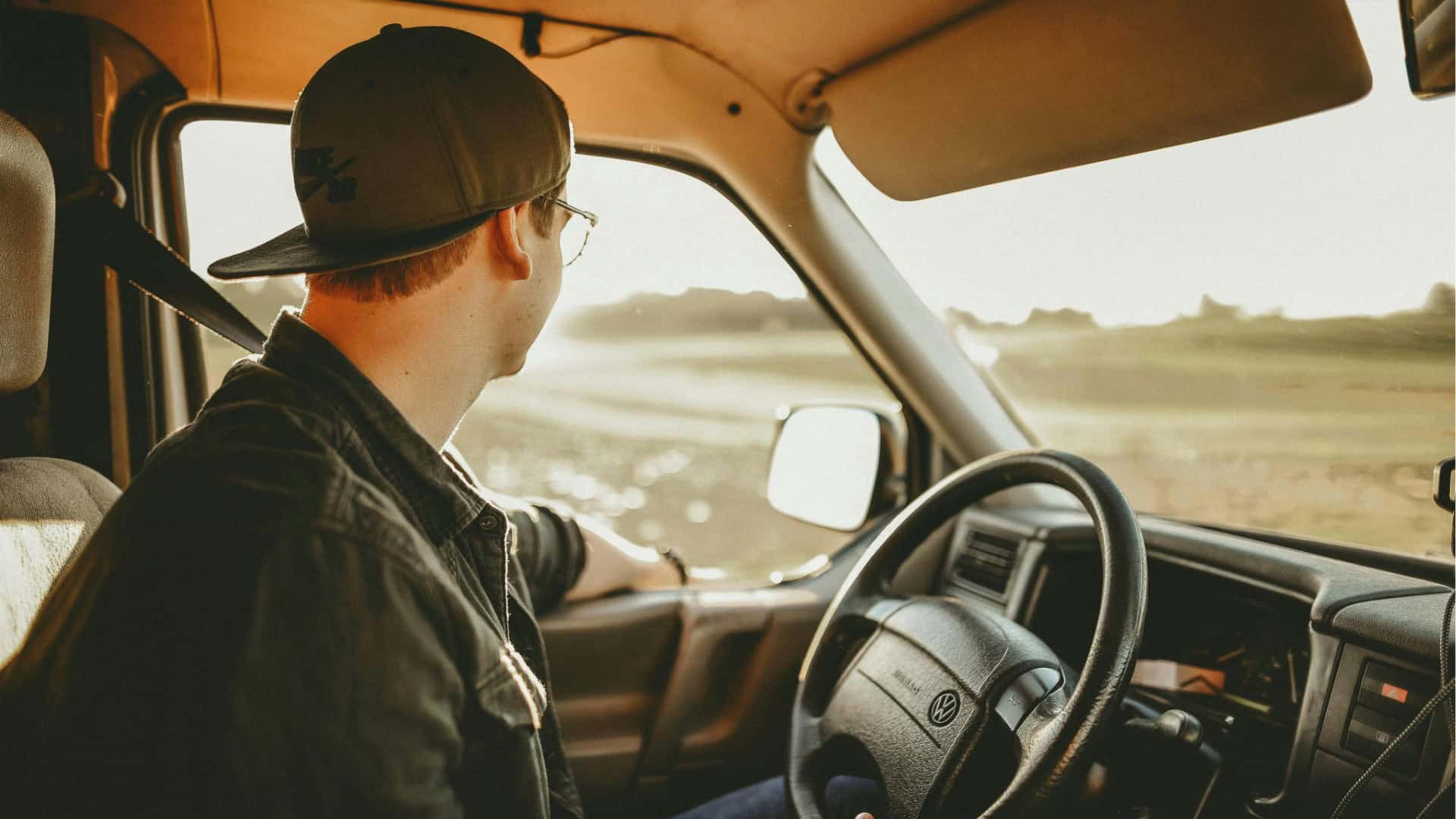
A peaked cap can keep sun out of your eyes, but it may not stay put in a coastal gust. A cap with an adjustable strap, a snug bucket hat or a warm beanie for cooler months is a more practical choice. Bring one layer you are happy to get sandy.
For children, pack one more warm layer than seems necessary and a complete change of clothes. They can be having the time of their lives in shallow water right up to the moment they are suddenly freezing. Both things can be true.
Flip-flops are fine for dry sand and changing, but they are poor footwear for rocky access paths, wet seaweed and long walks. Wear trainers, walking sandals with a secure strap or lightweight trail shoes for the journey, and keep sandals in the bag.
Water shoes can be useful on beaches with pebbles, shells or rocky shallows. They do not make slippery rock platforms safe, so avoid climbing on algae-covered rocks and keep well clear of unstable cliff edges.

Cloudy weather does not remove the need for sunscreen. The Irish Cancer Society’s SunSmart guidance recommends protecting skin when the UV index is 3 or above, using shade, clothing, a hat, sunglasses and sunscreen together.
Pack a broad-spectrum sunscreen with SPF 30 or higher, apply it before heading onto the sand and reapply according to the product directions, particularly after swimming or towel drying. Add lip balm with SPF if you are out for several hours. Wind can disguise how much sun you are getting, which is not especially helpful.
A compact beach shelter can provide shade, but use it only when conditions allow and secure it properly. In strong wind, a loose shelter becomes a problem for everyone nearby. A wide-brimmed hat, sunglasses and a long-sleeved cover-up take up much less space.
Irish sea water can feel cold in every season, including during warm spells. Keep swims short until you know how your body reacts, and do not rely on air temperature as a guide to water temperature.
Irish Water Safety advises swimmers to enter the water gradually, stay within their depth, avoid swimming alone and avoid alcohol before water activities. Its beach safety guidance is a sensible read before visiting an unfamiliar coast.
Swim only at a beach and in conditions you are comfortable with. Use designated bathing areas where available, stay away from piers and estuaries, and leave the water immediately if you feel unusually cold, weak or disoriented.

Bring two bags: one dry bag or sturdy zip bag for phones, wallets and dry clothing, and one larger bag for wet towels and swimwear. This keeps the return journey civilized enough, even when the beach has made a determined effort to come home with you.
A few smaller resealable bags are useful for sunscreen, snacks, shells collected by children and damp swimwear. Put a spare plastic bag over wet shoes before placing them in the car. A small brush or microfiber cloth helps remove sand before it gets embedded in every possible seam.
If you need to change in the car, keep a towel or robe at the top of the bag, with dry underwear and socks immediately beneath it. The sequence matters more than it sounds when rain begins halfway through the operation.
Facilities vary sharply between Irish beaches. A popular summer beach may have toilets, a seasonal café and lifeguards, while a quieter stretch of coast may have a small car park and little else. Carry enough water and food for the whole visit, then treat nearby shops as a bonus.
Check the beach operator or local authority page for toilets, accessible parking, lifeguard dates and dog restrictions before you go. For a concrete example of the details worth checking, this guide to Ballywalter Beach parking, swimming and facilities shows how practical information can vary by location. If you are heading to County Clare, this Fanore Beach guide is another useful place-specific check; for County Wexford, see the practical details for Baginbun Beach.

A short paddle with children and a full coastal afternoon need slightly different packing. Bring a picnic blanket, spare layers, snacks and a clear plan for staying together near the water. Children should be supervised closely at all times, including in shallow water and around rock pools. Families building beach time into a wider trip may also find this practical 7-day Ireland family itinerary useful.
For a longer beach walk, add a charged power bank, paper map or downloaded offline map, and a lightweight first-aid kit. Tell someone where you are going if you plan to use a remote trail or beach. Mobile signal can be patchy along parts of the coast.
Keep valuables to a minimum. Take only what you need for payment, identification, transport and safety, and avoid leaving visible bags in the car. If you must store items in a vehicle, do it before arriving at the beach car park rather than transferring valuables around in public.
Glass bottles are a poor fit for sand and busy public spaces. Skip bulky furniture unless you know the access is easy and you have a realistic plan for carrying it back. A beach day is meant to be relaxed; hauling half a living room across dunes is a bit of a pain.

Visitors combining beach stops with a driving holiday may also find the Ancient East coastal road trip packing list useful for the car-based essentials that do not belong in a day bag. For a trip through the west, this Connemara, Galway and Mayo road-trip packing list is a decent shout too.
You do not need a wetsuit for sitting on the beach or taking a very brief paddle. A wetsuit can make longer swims, surfing and other water activities more comfortable, especially outside the warmest part of summer, but it should fit properly and suit the activity.
Yes. UV exposure can be high on bright or partly cloudy days, and reflection from water and sand adds to it. Check the UV index and use sunscreen, clothing, shade, sunglasses and a hat when the Irish Cancer Society’s SunSmart advice calls for protection.
Wear light clothes you can layer: a T-shirt, shorts or trousers, a warm mid-layer and a waterproof jacket. Bring swimwear, secure footwear and a dry outfit, as wind and showers can change the feel of the day quickly.
Safety depends on the beach, tide, weather, currents and your swimming ability. Choose lifeguarded beaches when possible, obey flags and local signs, swim with someone else, and do not enter water when conditions are beyond your experience.

Matt Hook is a Canadian writer of Scottish and Irish heritage. He built his writing career creating detailed gaming guides, turning complex mechanics, history and lore into useful information for readers. Matt brings that same research-focused approach to Ireland Wide, where he writes about Irish travel, heritage, history and culture. He also holds CMA and CPA designations as a professional accountant, giving him a strong background in research, accuracy and attention to detail.
At Ireland Wide, our aim is to bring authentically Irish insights to you, wherever you are.
Whether you have some feedback or would like to offer some of your own insights for everyone else to explore, don't hesitate to get in touch with us!