

The best family vacation in Ireland is a seven-day trip split between Dublin and County Kerry, ideally with a rental car for the Kerry portion. It combines major family attractions, castles, animals, beaches and easy outdoor days without turning every morning into a suitcase relay.
This plan works especially well for first-time visitors with children roughly aged four to teenagers. Families travelling with babies, reluctant car passengers or only four days should use fewer bases and cut activities, not try to see the entire island at speed.

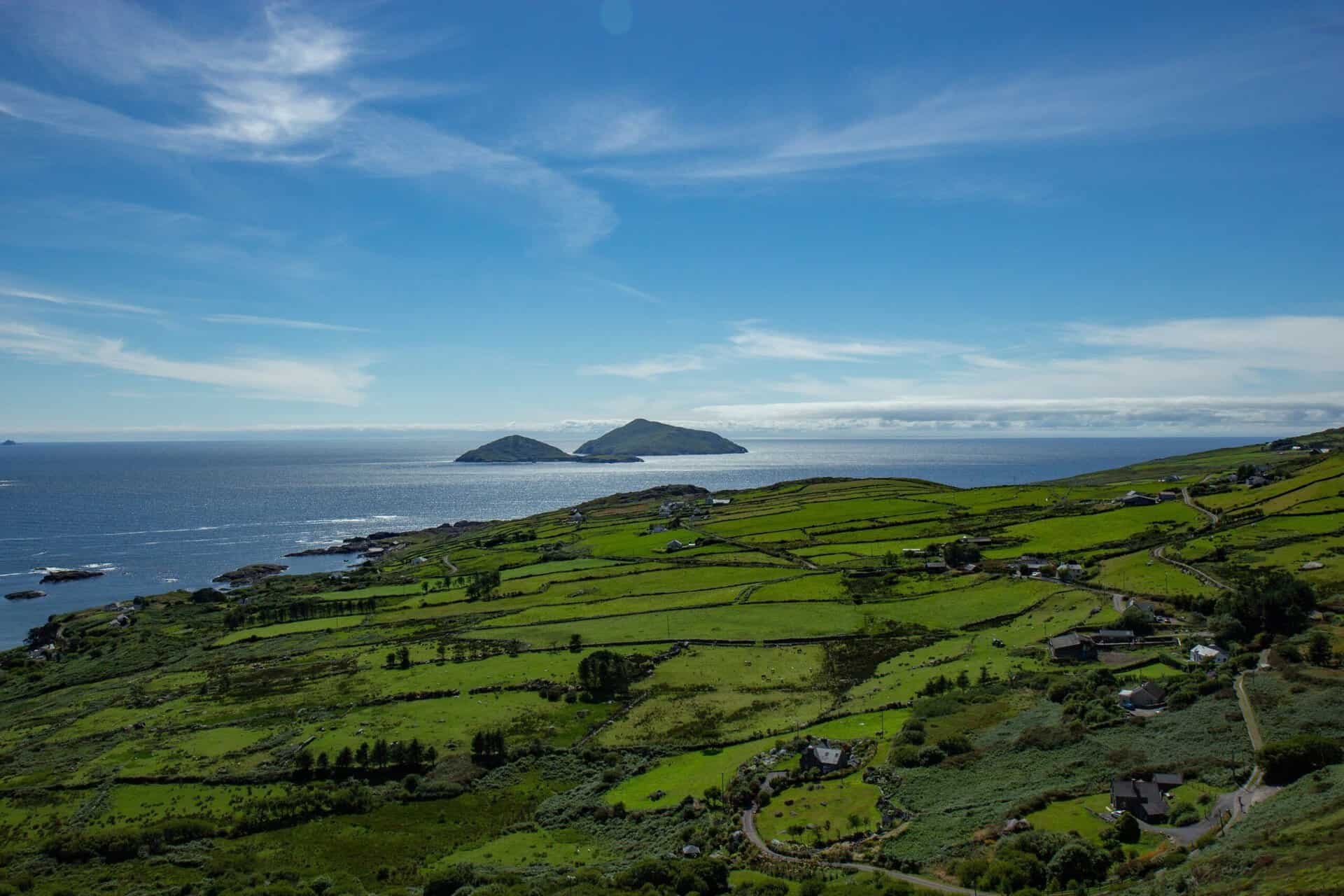
Dublin gives a family holiday an easy landing: an international airport, short transfers, parks, museums and attractions that do not require a long drive. County Kerry then supplies the classic Ireland many families hope to see, including lakes, mountains, a national park, castles, beaches and small towns with straightforward dining options.
The two-stop approach is deliberately modest. Ireland looks compact on a map, but narrow roads, weather stops, scenic detours and snack breaks can stretch a journey considerably. Staying several nights in one Kerry base leaves room for a rainy morning, a slow breakfast or the universal holiday favourite: doing very little.
For a broader sense of routes and regions, see this guide to the 32 counties of Ireland by province and travel style. Families with a full 10 days can add Galway or Cork, but seven days is more enjoyable when it remains focused.
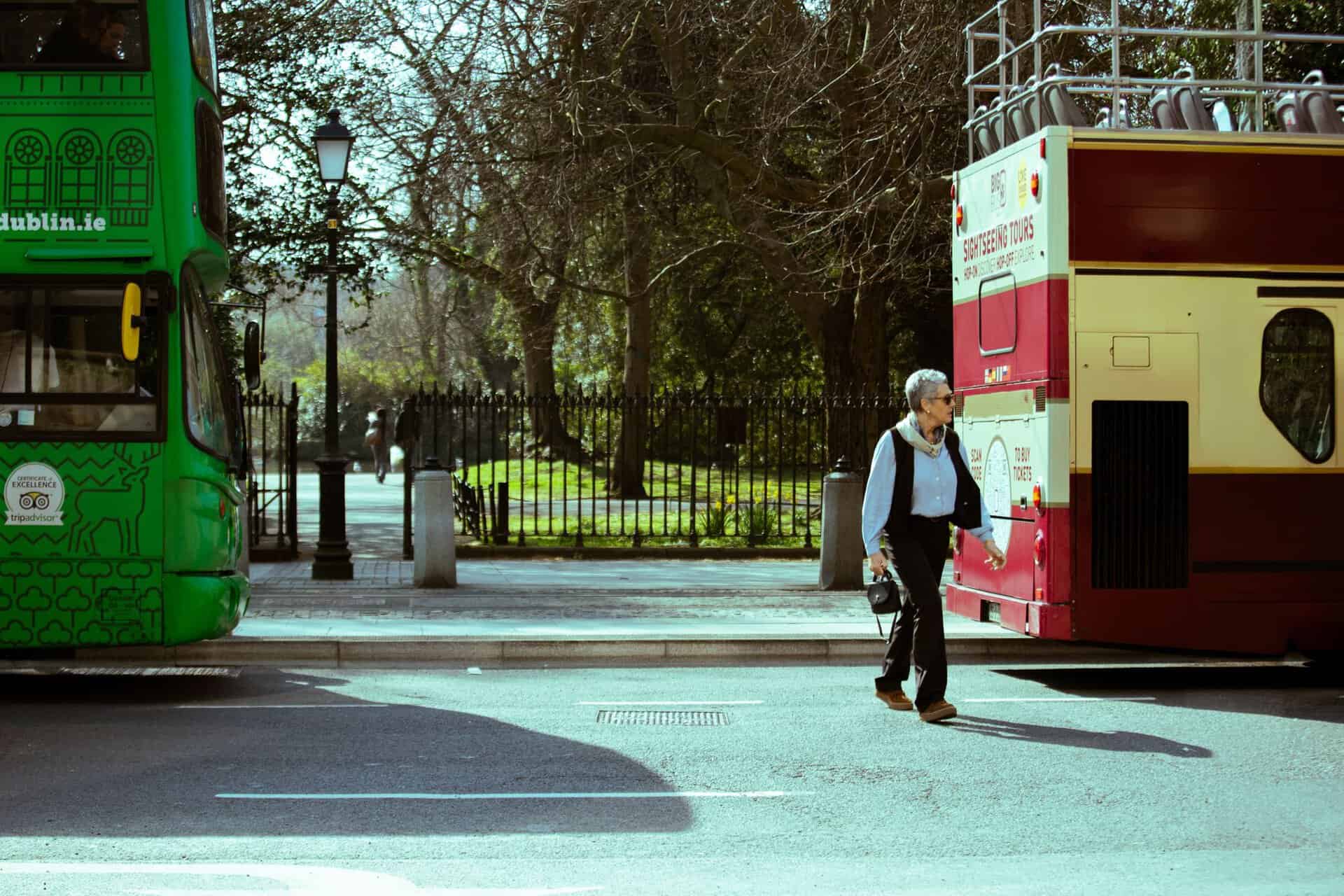
Book accommodation in central Dublin or near a rail stop, then keep the first day light. A walk around St Stephen’s Green, Merrion Square or the River Liffey is enough after an overnight flight. Choose a restaurant close to the hotel and save ambitious plans for the next morning.
If driving immediately after a transatlantic flight makes the family nervous, do not collect a car on arrival. Dublin is easier without one, and a city-centre car can become an expensive metal ornament while parking charges accumulate.
Dublin Zoo is a strong first full day for younger children and is located inside Phoenix Park. Allow most of the day, wear comfortable shoes and check the zoo’s official site for opening hours, ticket availability and animal-viewing updates before setting out.
Older children who are not interested in a zoo can swap this for the National Museum of Ireland, the EPIC museum or a coastal train trip to Howth. Build in one non-negotiable stop that each child has actually chosen; it prevents a holiday becoming a very scenic adult project.
For a low-effort coastal outing, take the DART commuter train to Dún Laoghaire, Dalkey or Howth. Check the forecast before committing to a cliff walk with small children, and choose a harbour, playground or café stop as the main event if conditions are wet or windy.
On a rainy day, the National Gallery of Ireland, the National Museum of Ireland and the Chester Beatty are useful central options. Admission to the permanent collections at these national institutions is generally free, though exhibitions and special events may have separate arrangements.
Travel from Dublin to Killarney by train, or collect a rental car and drive west. Rail is appealing for families that want to avoid driving, while a car is more flexible for Killarney National Park, beaches and rural attractions. If taking the train, book seats early for school-holiday dates and arrange local transport or tours for the following days.
Stay in Killarney town for restaurants and walkable evenings, or choose self-catering accommodation outside town if kitchen facilities, parking and extra space matter more. Confirm the sleeping layout before booking: a “family room” can mean very different things in different properties.
Killarney National Park can fill a family day without a punishing hike. Start at Ross Castle on Lough Leane, then visit Muckross House and Gardens or take a short lakeside walk suited to the group’s energy level.
The Office of Public Works manages Ross Castle and Muckross House, and its official pages publish seasonal access details and guided-tour information. A boat trip on the lakes can be a good change of pace, but operators, routes and weather suitability vary by season, so confirm directly before promising it to eager children.
Choose one main outing, not three. Families who like beaches can head to Inch Beach or Rossbeigh Beach; those with older children may prefer part of the Ring of Kerry or the Dingle Peninsula. The full Ring of Kerry is a long touring day, so it is usually more pleasant to select a section and leave time for stops.
Another good option is Killarney’s nearby activity mix: a horse-and-carriage ride, an easy walk, a playground break, a traditional music session that starts early enough for children, or simply time in town. Rain gear and a spare dry layer belong in the car every day.
Allow generous time for the return to Dublin Airport. If the flight schedule permits, a final short stop in Adare, Limerick or a service area can break up the drive, but do not plan a major attraction on departure day. Rental-car fuel rules, airport drop-off locations and security queues are enough logistics for one morning.

For this itinerary, the practical choice is usually a Dublin hotel or apartment-style stay for two or three nights, followed by a Killarney hotel, holiday home or self-catering cottage for four nights. A kitchen and laundry access can be more useful than a formal breakfast when children have food preferences or wet clothes.
Families seeking a special overnight experience can also consider one of the best castles to stay in Ireland. Castle accommodation often suits a one-night treat, but check lift access, room locations, dining times and minimum-stay rules before booking with young children.
Ireland can be costly during school breaks, particularly for larger hotel rooms and rental cars. Booking accommodation and a suitable vehicle early is usually the most effective way to control the budget, because family rooms and automatic cars are limited compared with standard doubles and manual vehicles.
Plan one paid anchor activity per day, then use parks, beaches, gardens, village walks and free museum collections to fill the remaining time. The Heritage Ireland Card may make sense for families intending to visit several participating Office of Public Works heritage sites; check the current price, participating locations and validity terms before buying.

A rental car is useful outside Dublin, but rural driving requires patience. Ireland drives on the left, many country roads are narrow, and travel times can be slower than route-planning apps suggest. Avoid setting a late-evening arrival after a long drive if the accommodation is down unfamiliar rural lanes.
Child restraints are required in Ireland for children under 150 cm in height or 36 kg in weight, subject to limited vehicle and taxi exceptions. The Road Safety Authority’s child car safety guidance explains the rules; reserve the correct child seat from the rental company well ahead of travel and confirm its age and weight limits.
Drivers from outside Ireland should also check their licence and insurance requirements with the rental firm before booking. Automatic vehicles cost more and sell out sooner, particularly in peak travel periods.
Late May, June and September often offer a useful balance of daylight, attraction availability and fewer crowds than the height of the school summer break. July and August have the fullest programme of seasonal activities, but they are also the busiest months for roads, accommodation and popular sights.
Ireland’s weather is changeable in every season. Met Éireann’s historical climate data is a sensible starting point for planning, but it cannot predict a particular holiday week. Pack waterproof outer layers, comfortable shoes, light layers and something warm for cool evenings, even in summer. This Ireland packing list for rain, walking and daily touring covers the useful basics.

Seven to 10 days gives most families enough time for Dublin and one or two regions without constant hotel changes. A four- or five-day visit is still worthwhile, but choose either Dublin plus a nearby region or one rural base.
Yes. Ireland has family-friendly wildlife attractions, beaches, parks, short walks and self-catering accommodation, while English is widely spoken. The main challenge is keeping driving days short and allowing for wet weather.
You do not need a car in Dublin, where walking, buses and rail are often easier. A car becomes very useful for County Kerry, the west coast and smaller towns, particularly when travelling with car seats, bags and children who are done with public transport for the day.
June and September are often strong choices for a family trip because days are long and major attractions are open, while peak-summer crowds may be lighter. July and August suit families restricted to school holidays, provided accommodation and transport are booked early.
For a first visit, combine both if time allows. Dublin supplies convenient city attractions and easier arrival logistics, while County Kerry provides the lakes, coast, castles and open space many children remember most.

Dan is the founder and editor of Ireland Wide. Born and raised in Ireland, he researches the country’s history, mythology and cultural traditions using museum collections, heritage authorities and historical sources. He leads the site’s editorial team, with a particular focus on distinguishing documented history from later folklore and modern interpretations.
At Ireland Wide, our aim is to bring authentically Irish insights to you, wherever you are.
Whether you have some feedback or would like to offer some of your own insights for everyone else to explore, don't hesitate to get in touch with us!