
Flying usually makes most sense for a short UK to Ireland trip without a car. Taking the ferry is worth comparing if you want your own vehicle, have plenty of luggage or plan a longer driving holiday. The deciding figure is the total cost and time from home to your first overnight stop, including transfers or car hire.
For a starting comparison, Aer Lingus puts a direct London–Dublin flight at around 1 hour 25 minutes. Ferry crossings range from about two hours between Cairnryan and Larne to eight hours between Liverpool and Belfast. Getting to the airport or port can change which option wins.
This guide compares travel from Great Britain: England, Scotland and Wales, to the island of Ireland. Dublin and Rosslare are in the Republic of Ireland; Belfast and Larne are in Northern Ireland, which is part of the UK. That distinction matters for travel documents, currency and any cross-border car hire.
| Your trip | Start by comparing | The cost or connection to watch |
|---|---|---|
| A short city break with light luggage | A direct flight and airport transfer | Baggage charges and early or late airport journeys |
| A driving holiday using your own car | A car ferry against flights plus car hire | The drive to the port, fuel and the complete rental bill |
| A family carrying several bags | The full-party price for both options | Extra passengers, checked bags and a suitable vehicle |
| Scotland to Northern Ireland | Cairnryan–Belfast, Cairnryan–Larne and direct flights | The onward journey from the arrival port or airport |
| A car-free journey | Flights and a through Rail & Sail ticket | Terminal transfers and the last onward connection |
Choose the arrival airport around your itinerary, rather than automatically searching for Dublin. For the Republic, compare Dublin, Cork, Shannon, Ireland West Airport Knock and Kerry where your departure airport has a suitable service. For Northern Ireland, compare Belfast International and Belfast City.
A cheaper flight into Dublin can lose its appeal if your first night is in the southwest and another airport leaves you much closer. Our guide to which Irish airport suits each region helps narrow the search. Airline routes and operating days vary, so search your dates before settling on an airport.
Aer Lingus lists London–Dublin at around 1 hour 25 minutes. That is the flight itself. Add the journey to the airport, the airline’s recommended arrival allowance, baggage collection and the transfer after landing.
Pay attention to the return departure, too. An early flight may mean a taxi or a final night near the airport. A slightly higher airfare at a useful time can leave you with a lower total bill and more of your holiday.
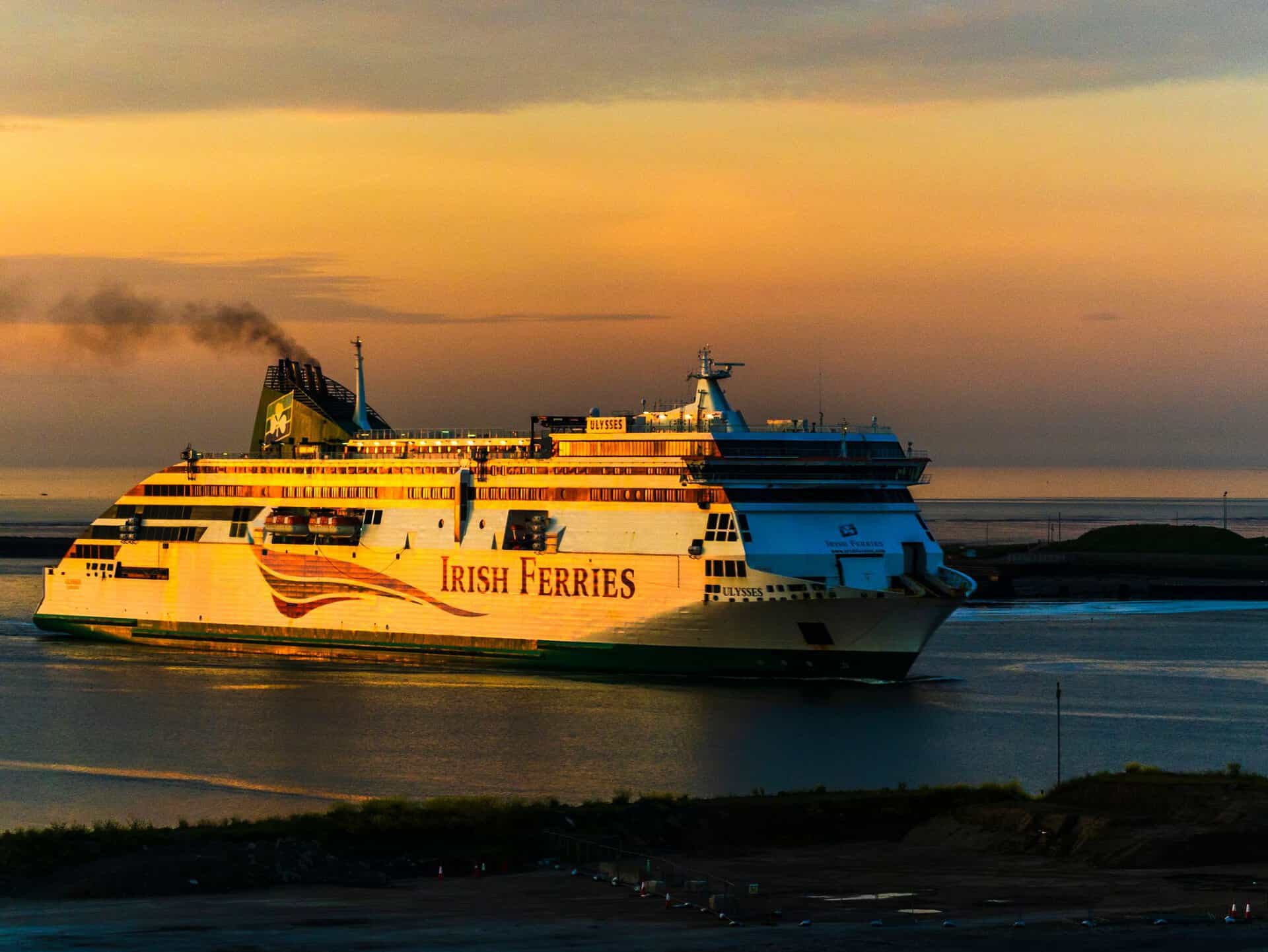
These six passenger routes are useful starting points. The times below cover the crossing only; add travel to the terminal, check-in, disembarkation and your onward journey.
| Route | Operator and published crossing time | Worth comparing for |
|---|---|---|
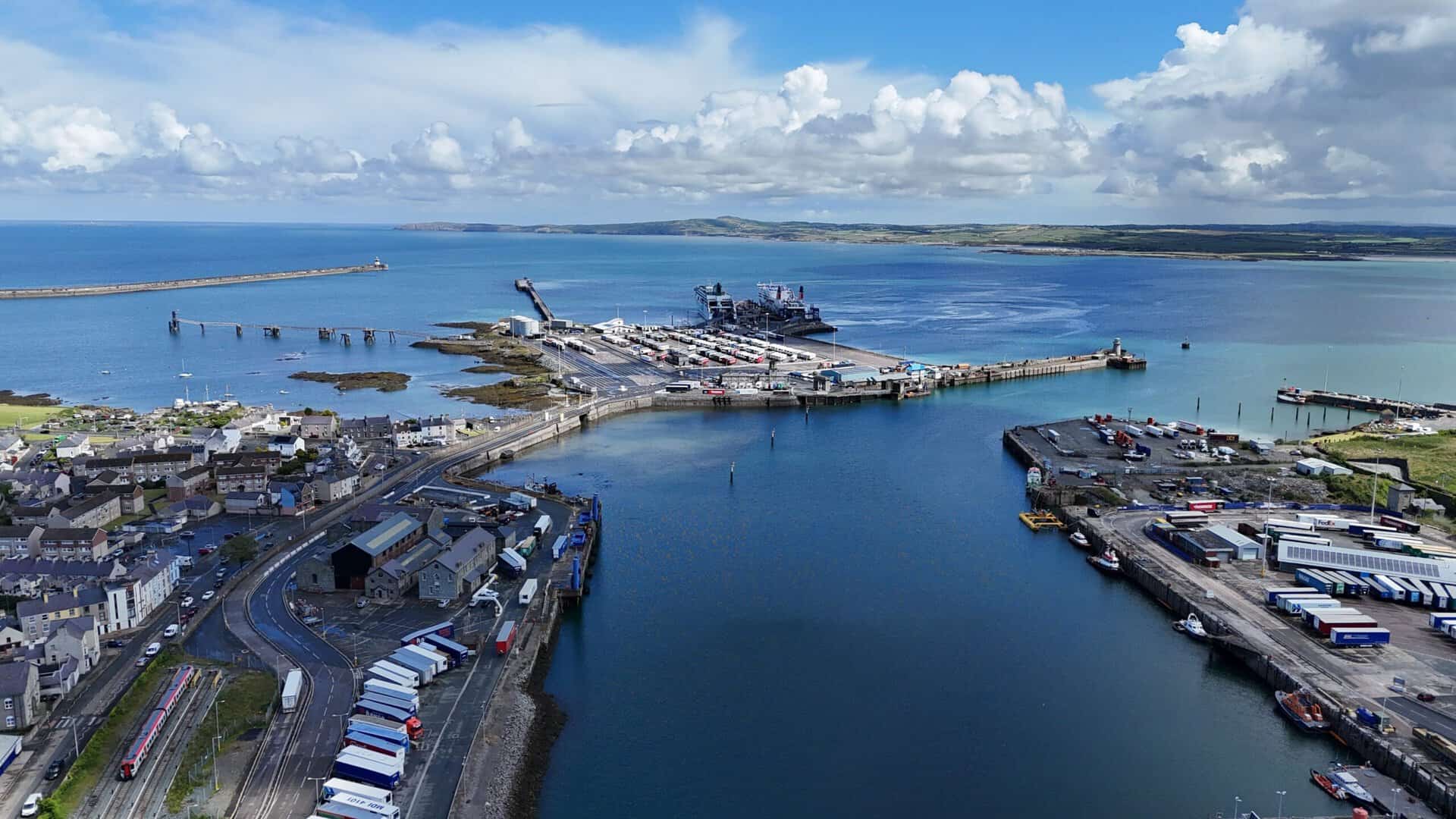
| Holyhead–Dublin | Stena Line: about 3 hours 15 minutes; Irish Ferries cruise ferries: about 3 hours 30 minutes | North Wales, the Midlands and northern England to Dublin or eastern Ireland |
| Fishguard–Rosslare | Stena Line: about 3 hours 30 minutes | South Wales and southwest England to southeast or southern Ireland |
| Pembroke–Rosslare | Irish Ferries: just over 4 hours | An alternative South Wales departure for southern Ireland |
| Liverpool–Belfast | Stena Line: about 8 hours | Northwest England to Northern Ireland, including an overnight option |
| Cairnryan–Belfast | Stena Line: about 2 hours 15 minutes | Scotland to Belfast and onward destinations |
| Cairnryan–Larne | P&O Ferries: about 2 hours | Scotland to northeast Northern Ireland |
Irish Ferries also describes its Dublin Swift fast-ferry crossing as taking just over two hours. Check whether a Swift departure is available on your date: the cruise-ferry timetable has a longer crossing.
The Liverpool–Belfast ferry leaves from Birkenhead. Stena’s Liverpool terminal is at 12 Quays, Tower Road, Birkenhead, rather than a Liverpool city-centre waterfront departure point. Use the terminal address when planning your drive or rail connection.
For an overnight Liverpool–Belfast sailing, price a cabin alongside the ticket. It may replace a hotel night, but consider the actual boarding and arrival times before counting on a full night’s sleep.
There is no single cheapest option. A flight is usually priced per person, while a car-ferry headline fare may cover a vehicle and only its driver. Compare the complete return journey for everyone travelling.
These are examples of advertised fares checked on 15 October 2026, rather than quotes for the same departure date. They show the different ways tickets are priced.
| Example journey | Advertised fare | What the price means |
|---|---|---|
| London Heathrow–Dublin with Aer Lingus | From £55.16 each way for November 2026 travel | Per person, economy, displayed in a return-flight search. Additional baggage and optional extras may cost more. |
| Holyhead–Dublin with Stena Line | From £155 single | Car and driver. Add other passengers and any selected extras. |
| Liverpool–Belfast with Stena Line | From £149 single | Car and driver. Price any additional passengers, cabin or lounge separately. |
| London–Dublin via Holyhead, Rail & Sail | From £53.40 single | Adult Advance rail-and-ferry fare. Dublin Port’s city-centre coach is extra; London Underground travel is excluded. |
All are subject to availability and change. The lowest fare may not be offered on your dates, and the return leg may cost more. Use the final booking total rather than doubling a headline price.
| Budget item | Flying | Taking the ferry |
|---|---|---|
| Tickets | Flights for every passenger in both directions | Sailings for every passenger and any vehicle in both directions |
| Bags and equipment | The cabin bags, checked luggage and sports equipment you need | Any charges or restrictions for your passenger type and equipment |
| Getting there | Airport transfers, fuel or parking | Port connections, fuel, tolls or an overnight stop on the drive |
| Comfort | Selected seats and meals | A cabin, lounge and meals, if wanted |
| After arrival | Airport transfers, public transport or car hire | Port transfers or your own car’s running costs |
For a family, several airfares plus checked bags and a week’s car hire can make the ferry competitive. For a solo traveller staying in Dublin, bringing a car may add costs without much benefit. Price the trip you will actually take.
If you’re travelling with golf clubs, include the airline’s equipment charge and a rental car that can hold everyone’s bags. Our Ireland golf trip cost guide puts those transport expenses alongside green fees and accommodation.
A two-hour crossing is not a two-hour journey. Equally, a short flight can take much of a day if you live far from the airport or face a long transfer after landing.
Use the check-in instructions for your booking, including whether you’re travelling on foot, with a vehicle or with a pet. A check-in closing time is a deadline, so leave room for traffic or a delayed train.
For a weekend break, compare how much time each schedule leaves at your destination. Arriving in the evening and leaving early two days later is a different holiday from arriving before lunch and returning after dinner.
Yes, but plan the whole connection before buying a foot-passenger ticket. Confirm that your chosen sailing accepts foot passengers and check transport between the terminal and your next stop.
Stena’s Rail & Sail service combines rail travel with a ferry via Holyhead, Fishguard or Cairnryan. For Dublin, the port-to-city coach costs extra. Via Cairnryan, the through ticket includes the dedicated Ayr–port coach, but it serves specified sailings rather than every departure.
For Fishguard–Rosslare, Stena currently directs passengers to Transport for Wales to book the correct destination, Rosslare Europort, because its linked Trainline search shows Rosslare Harbour. Follow the operator’s current booking instructions.
For the onward journey, our guide to Ireland’s transport and journey-planning apps explains the Republic’s TFI tools and Northern Ireland’s Translink planner. Check the last usable connection after allowing for disembarkation. A late arrival may leave a taxi as the practical option.
Your own car is worth pricing for a longer touring holiday, particularly if you need it most days and have bulky luggage. Flying and hiring may save considerable travel time if reaching the ferry port involves a long drive.
Before booking a car ferry:
For a rental, compare insurance excesses, deposits, payment-card requirements, additional drivers, fuel policy and collection hours. Tell the company if you plan to cross between the Republic and Northern Ireland, and confirm permission and any charge.
If your trip combines city stays with rural touring, consider hiring only for the days you need a car. Our comparison of trains, buses, rental cars and private drivers in Ireland can help you decide which parts of the itinerary work without one.

Check immigration rules and your carrier’s ID policy separately. GOV.UK explains that British nationals are not legally required to show a passport to enter Ireland, but airlines and ferry companies can require one. The Common Travel Area’s arrangements for British and Irish citizens do not automatically apply to everyone who lives in the UK.
From 28 September 2026, Stena requires passports on Holyhead–Dublin and Fishguard–Rosslare, including for children and infants. Irish passport cards are accepted. Stena says this change does not alter its ID requirements on Belfast routes.
Irish Ferries also requires a valid passport or Irish passport card on Dublin–Holyhead and Rosslare–Pembroke from the same date, in both directions. Driving licences are no longer accepted on those services.
Our report on the Ireland–Wales ferry passport changes gives further context. For flights and other ferry routes, use the carrier’s policy for your exact journey. Travellers of other nationalities should also check Irish immigration’s visitor guidance and the requirements for returning to the UK.
For flights, check the actual fare’s bag sizes, weight limits and sports-equipment charges. For a ferry, distinguish between carrying luggage as a foot passenger and leaving it in a vehicle. Keep documents, medicines and crossing essentials in a small bag, and check vehicle-deck access rules before leaving the car.
If you’re taking a pet, confirm both the carrier’s arrangements and the destination’s entry requirements. A pet place on a ferry does not replace the necessary travel documents. GOV.UK’s Ireland entry guidance links to the official pet-travel rules. Check every leg, including transfers; Stena’s Ayr–Cairnryan Rail Link coach does not carry pets other than qualifying assistance dogs.
For accessible travel, discuss boarding, mobility equipment, transfers and any accessible cabin or seating with the operator before booking. Reserve the assistance and accommodation you need alongside the ticket.
For a short city break, start with direct flights. For a longer road trip, price the ferry with your own car. If you’re travelling without one, put Rail & Sail in the comparison too. The best choice is the route that gets you to the right place at a manageable time and a total price you understand.

Matt Hook is a Canadian writer of Scottish and Irish heritage. He built his writing career creating detailed gaming guides, turning complex mechanics, history and lore into useful information for readers. Matt brings that same research-focused approach to Ireland Wide, where he writes about Irish travel, heritage, history and culture. He also holds CMA and CPA designations as a professional accountant, giving him a strong background in research, accuracy and attention to detail.
At Ireland Wide, our aim is to bring authentically Irish insights to you, wherever you are.
Whether you have some feedback or would like to offer some of your own insights for everyone else to explore, don't hesitate to get in touch with us!