
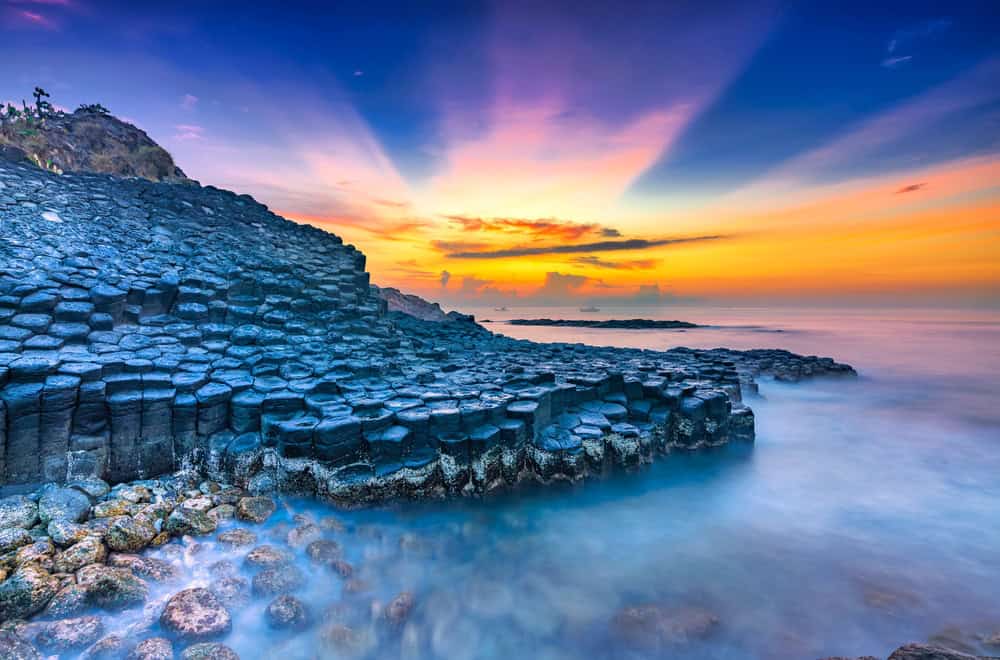
The most reliable way to see Giant’s Causeway without the biggest crowds is to visit in May or September and arrive before 10 a.m. or after 5 p.m. Those shoulder-season months and quieter hours can make a major difference at Northern Ireland’s most famous coastal landmark, though weather and school holidays can still affect the atmosphere on any given day.
May and September sit on either side of the main summer travel rush. They can offer long enough daylight for a relaxed visit without placing you in the heart of the busiest holiday period, when coaches, self-drive itineraries, and day-trippers converge on the Causeway Coast.
For many Ireland trip planners, these months also make route planning easier. A morning visit to Giant’s Causeway can leave room for other stops along the north coast, while a late-afternoon arrival can fit neatly after a day exploring the wider area.
There is no guaranteed empty hour at a landmark of this scale. Still, choosing May or September gives visitors a better starting point than building a trip around the busiest part of the summer season.
Before 10 a.m. is the clearest choice for anyone hoping to walk the site with more space around them. Early arrivals are also less likely to spend the first part of the visit managing traffic, parking, and the general bustle that comes with a major attraction.
The other useful window begins after 5 p.m., when many day visitors are finishing their stop and continuing along the coast. Evening light can be appealing too, but visitors should leave enough time to return safely and should not rely on daylight lasting until a particular hour.
Parking is part of the crowd question, not a separate administrative detail. Arriving outside peak hours can make the approach less pressured, particularly for visitors driving the coastal route. It also gives you more flexibility if plans change due to rain, wind, or slow-moving traffic.
The site’s shuttle is useful for visitors who want to limit the walk between the visitor facilities and the stones, but it is sensible to check arrangements before setting off. The National Trust’s Giant’s Causeway visitor information is the best place to confirm current access, parking, shuttle details, and any operational changes.
Do not build a day around an assumed service timetable. Coastal weather and seasonal operations can affect practical arrangements, and official visitor information should take priority over an older itinerary or social post.
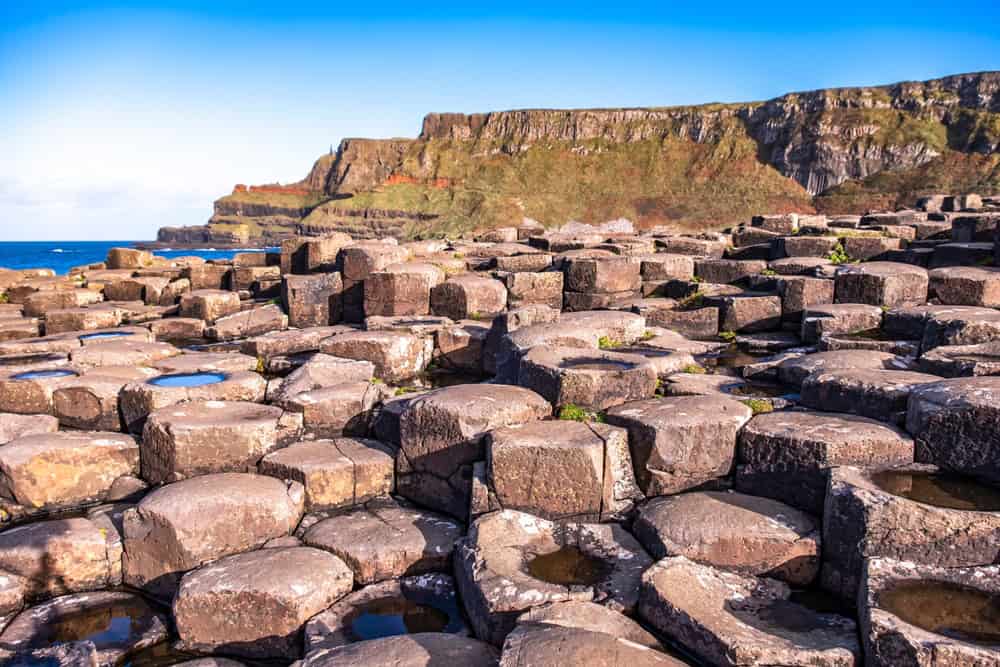
The early visit is usually the more practical option for photographers, families, and anyone with a tightly planned day. A later visit suits travelers who are happy to let weather conditions guide the schedule and do not need to be elsewhere at a fixed time.
Turning up late in the morning during peak travel periods is the least promising approach. By then, the site is likely to be receiving visitors who have set off after breakfast, joined organized day trips, or arrived from nearby towns.
It also helps not to overcomplicate the visit. Giant’s Causeway is a natural site, not a place that requires a packed agenda. Give yourself time for the walk, the changing views, and a sensible return journey. The hexagonal columns have been there for millions of years; they will not take offense if lunch runs late.
The best time to visit Giant’s Causeway for smaller crowds is before 10 a.m. or after 5 p.m. Early morning is generally the simplest option because you arrive before the busiest visitor period begins.
May and September are strong choices for a Giant’s Causeway visit because they fall outside the core summer rush while still offering useful daylight for coastal sightseeing.
You can reduce the chance of heavy crowds in summer by arriving early or visiting later in the day, but a quiet visit cannot be guaranteed. Weekends, holidays, and good-weather days can be busy at any time.
Yes. Check the National Trust’s official Giant’s Causeway page before travel for current parking, access, and shuttle information, particularly if your itinerary depends on a specific arrival time.

Matt Hook is a Canadian writer of Scottish and Irish heritage. He built his writing career creating detailed gaming guides, turning complex mechanics, history and lore into useful information for readers. Matt brings that same research-focused approach to Ireland Wide, where he writes about Irish travel, heritage, history and culture. He also holds CMA and CPA designations as a professional accountant, giving him a strong background in research, accuracy and attention to detail.
At Ireland Wide, our aim is to bring authentically Irish insights to you, wherever you are.
Whether you have some feedback or would like to offer some of your own insights for everyone else to explore, don't hesitate to get in touch with us!