


Finding cheap flights to Ireland starts with comparing the whole journey. A low fare into Dublin may suit a city break, while a slightly higher fare into Shannon could save you time and money on a west-coast trip. Bags, onward transport and arrival times can change which option offers the best value.
Start with the places you want to visit, then compare dates and airports around that route. Our guide to famous landmarks in Ireland can help you shortlist the places you want to see before you commit to flights.
Airlines adjust fares as demand, availability and selling conditions change. Different fare products can also include different baggage allowances and flexibility, even when they put passengers in the same cabin. The cheapest fare you saw yesterday may no longer be available today, but prices do not move only upwards.
It is too simple to assume that every flight follows a fixed sequence of fare buckets, or that a cancellation automatically releases a cheap seat. Treat price history as context for your decision rather than a way to predict exactly what an airline will charge next.
If your dates are flexible, compare several departure and return combinations. Moving a trip by a day can change the price, but there is no dependable percentage saving and no weekday that is cheapest on every route.
Use a calendar or date grid to see the alternatives together. Google Flights’ calendar and price graph can help with this comparison. Keep the number of travellers, baggage requirements and acceptable departure times consistent as you search.
Include the cost of changing your dates. Saving on a flight may not help if the new departure requires an extra hotel night, more annual leave or a more expensive airport transfer.


Dublin is one starting point, but it is worth checking other airports when their available routes fit your plans. Cork, Shannon and Ireland West Airport Knock may reduce onward travel for some itineraries. Belfast International and Belfast City are separate airports in Northern Ireland, which is part of the UK.
| Airport | Worth comparing for | Check before booking |
|---|---|---|
| Dublin (DUB) | Dublin and eastern Ireland, or an onward coach journey | The actual airport-to-destination connection and arrival time. |
| Cork (ORK) | Cork and a trip around the south | Car hire or public transport for your specific next stop. |
| Shannon (SNN) | Clare, Limerick and a west-coast itinerary | Onward transport towards Galway or your coastal base. |
| Ireland West Airport Knock (NOC) | Mayo and parts of the north-west | Transfer options and any separately payable airport charges. |
| Belfast International (BFS) | Northern Ireland or a cross-border itinerary | UK entry requirements and the transfer from this airport. |
| Belfast City (BHD) | A Belfast stay or Northern Ireland itinerary | Available routes and onward transport from Belfast City. |
These are useful airports to compare, not a ranking of the cheapest options. Route availability and schedules change, so search your actual dates. Do the same at your departure end if you can reasonably reach more than one airport.
If you plan to stay in Dublin without a car, explore these day trips from Dublin by train before choosing your accommodation. Check the station you will need and include the airport transfer in your budget.
If your journey crosses between the Republic of Ireland and Northern Ireland, check both countries’ entry requirements for your nationality and status. The official UK ETA guidance explains who needs an electronic travel authorisation and the exemptions. Ask your car-hire company about cross-border permission and charges too. If you plan to collect a vehicle on arrival, our guide to car rental at Dublin Airport can help you compare that part of the journey.
Choose the baggage and seating arrangements you actually need before comparing prices. A small personal bag, an overhead cabin bag and checked baggage are different allowances. Check dimensions, weight limits and whether each allowance applies to every flight in your booking.
| Cost or condition | What to include in your comparison |
|---|---|
| Flights | The final total for everyone travelling, across all legs. |
| Baggage | Personal item, cabin bag and checked bag charges as needed. |
| Seats | Any cost of choosing seats, including the airline’s family-seating arrangements. |
| Ground transport | Airport transfers at both ends, parking or car-hire costs. |
| Arrival and departure times | A possible airport hotel, late-night taxi or missed final bus. |
| Currency | The checkout currency and any conversion costs charged by your payment provider. |
| Flexibility | Change fees, fare differences, cancellation terms and refund eligibility. |
Optional extras are worth paying for when they solve a real need. Skip automatic upgrades that add little value to your trip, but do not leave essential baggage out of the comparison just to make a fare look cheaper.
If you compare country versions of a booking site, check the final currency, eligibility conditions and fare inclusions. A different displayed number does not necessarily mean a lower total once conversion is accounted for.
A connection made on separate tickets can cost less than a single through-ticket, but you take on more of the transfer planning. Check whether a search result is marked as a self-transfer and read any protection offered by the seller.
Do not assume the onward airline will rebook you free of charge if a delay causes you to miss a separately ticketed flight. You may need to collect baggage, pass immigration, check in again and clear security. Check any entry requirements for the connecting country, even if you only intended to change planes.
A long buffer or overnight stop can reduce the risk, but adds costs and cannot eliminate disruption. Compare the saving with accommodation, baggage charges and the possibility of buying a replacement ticket. If that would stretch your budget, a through-ticket may be the more practical choice.
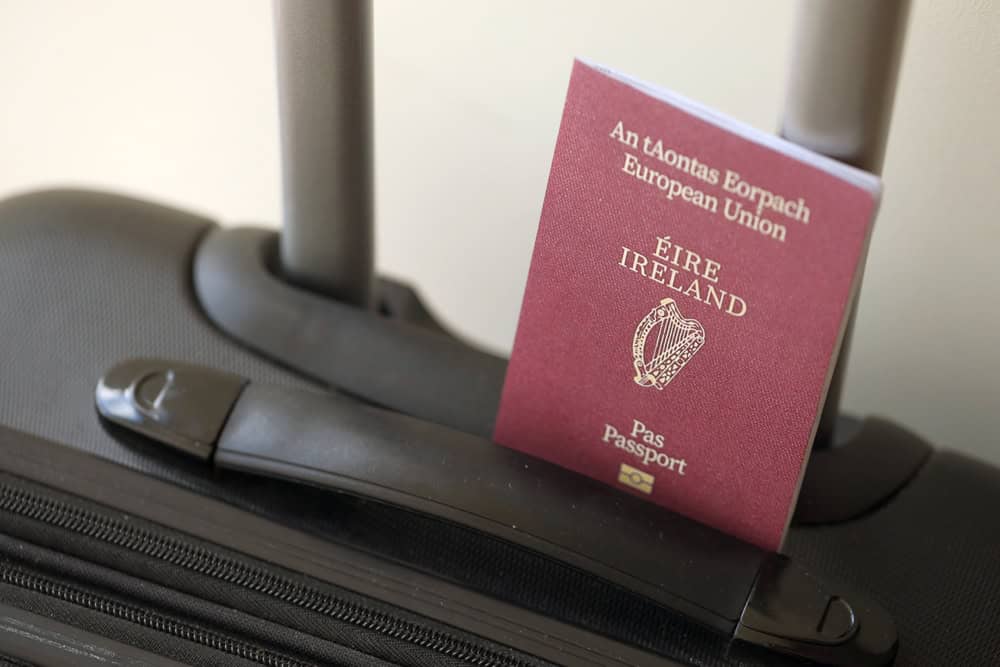
Price alerts can save repeated manual searches. Start with your preferred route and dates, then add a small number of realistic alternatives. Google Flights price tracking supports tracking specific dates or flexible dates; other services offer different features. Not every tool lets you choose a custom price threshold.
You do not need an account with every airline or comparison site to compare fares. Join loyalty programmes when their benefits fit your travel, and keep marketing preferences separate from essential booking notifications.
For services that require a phone number, use one you can continue to access. This guide on how to get a virtual phone number for account verification explains different options and their limitations. A virtual number may not be accepted by the service you want to use, and a shared or temporary number is a poor choice for an account holding bookings or loyalty points.
A separate number is not a reason to relax account security. Use unique passwords and supported multifactor authentication, and keep recovery details current. Before giving up any number, update every account that relies on it. Losing the number can mean losing access to verification messages or password resets.
There is no universal six-to-ten-week booking window for European flights to Ireland, or a guaranteed three-to-five-month sweet spot for transatlantic travel. Historical averages can describe a dataset, but they do not establish the cheapest time for your particular route and dates.
Begin comparing once your plans are realistic, especially if your dates are fixed or you need several seats together. Check flights and accommodation at the same time for Christmas, St Patrick’s Day, school holidays and major events. You do not need to wait a set number of weeks to create a price baseline if an acceptable option is already available.
If you can travel outside peak holiday periods, compare the whole trip cost across several weeks. Spring and autumn may offer good value, but fares and room rates vary around events and holidays. Choose travel dates with the daylight, activities and weather you want in mind too.
Set a total you are comfortable paying. When an itinerary meets that budget and your practical needs, booking is a reasonable decision. The fare may still fall afterwards, just as it may rise; nobody can promise you have caught its lowest point.
Dublin can be a useful arrival point for an onward coach journey, but it is not automatically cheaper overall than a regional airport. Consult Dublin Airport’s bus and coach information for connections, then check the operator’s timetable and fare for your date.
Compare airport-to-destination travel rather than city-centre journey times. A train from Dublin to another city does not include the time needed to leave the airport and reach the relevant railway station. Allow for baggage collection, entry checks, waiting and the final journey to your accommodation.
Before payment, confirm passenger names, dates, airport codes, baggage, connection arrangements and the seller’s change process. Recheck the price on the airline’s own website as well as any agent you are considering. Search results can change before checkout.
After booking, keep the confirmation accessible offline and follow the airline’s check-in and boarding-pass instructions. An offline pass helps when there is no internet, but a screenshot on the same phone cannot help if its battery dies. Carry a charged power bank and use an accepted backup where the airline allows one.
Choose your route, compare realistic airports and dates, and record the total cost of your best options. Set a few alerts if you are still deciding. When a suitable fare fits your budget, check the conditions and book.
The most useful saving is one that leaves you with a journey you can comfortably make. An extra transfer, an awkward overnight stop or a baggage surprise can quickly outweigh a small reduction in the ticket price.

Matt Hook is a Canadian writer of Scottish and Irish heritage. He built his writing career creating detailed gaming guides, turning complex mechanics, history and lore into useful information for readers. Matt brings that same research-focused approach to Ireland Wide, where he writes about Irish travel, heritage, history and culture. He also holds CMA and CPA designations as a professional accountant, giving him a strong background in research, accuracy and attention to detail.
At Ireland Wide, our aim is to bring authentically Irish insights to you, wherever you are.
Whether you have some feedback or would like to offer some of your own insights for everyone else to explore, don't hesitate to get in touch with us!