
For a Wexford birdwatching trip, pack waterproof layers, sturdy footwear, binoculars and a small day pack that you can carry comfortably for several hours. The county’s wetlands, coast and open farmland can feel cool and exposed even on a dry-looking day, so start with wind and rain protection. Add specialist gear only if you’ll genuinely use it.
For a visit to Wexford Wildfowl Reserve, coastal viewpoints or a day moving between sites, keep the load sensible. A large camera bag, spare scope and lunch are useful only if they do not leave you too tired to enjoy the birds. It happens.
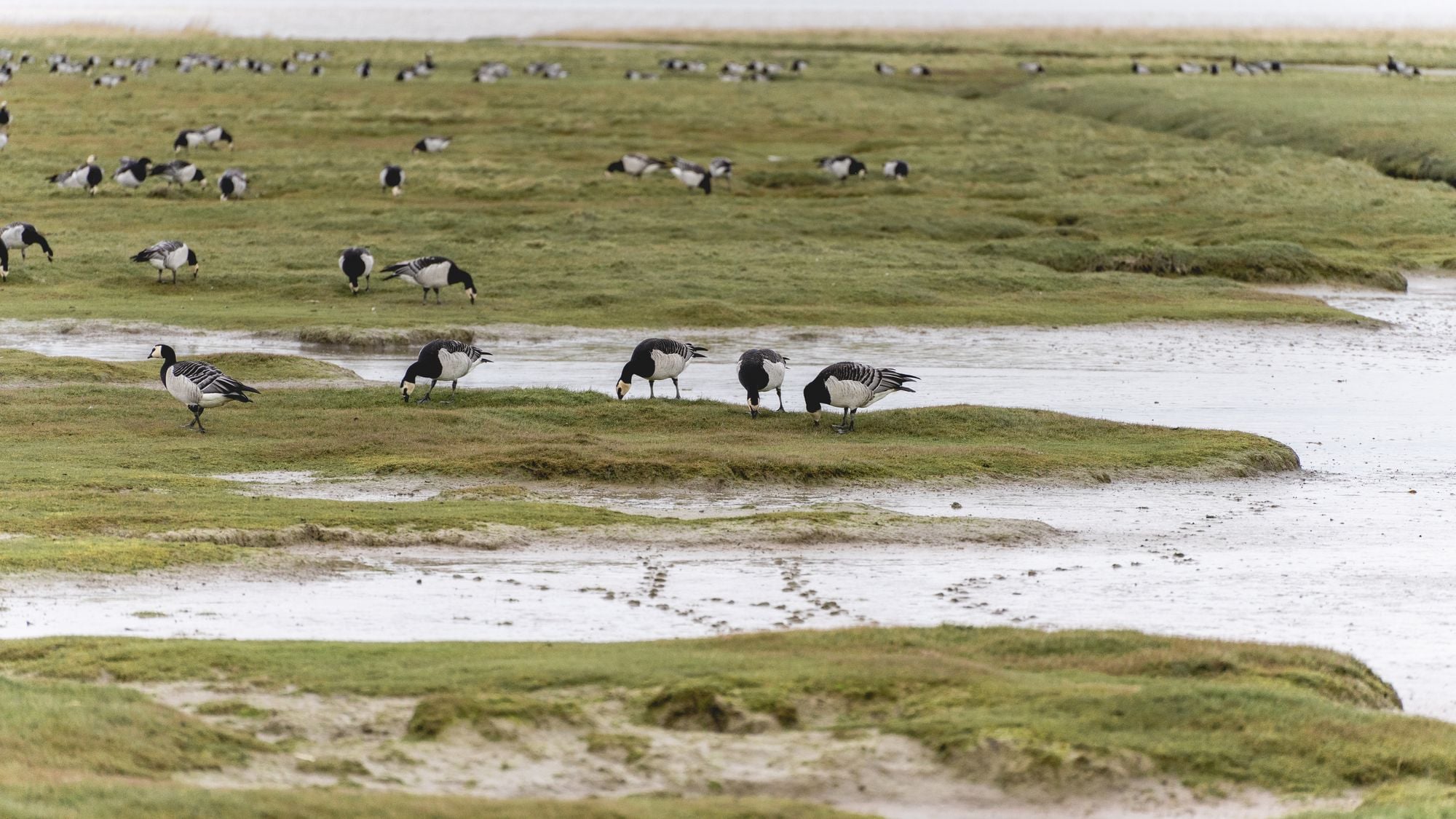
Wexford does not have just one kind of birdwatching day. A short reserve or hide visit needs less kit than a full day walking between wetland and coast, while a winter outing can mean long, still periods outdoors. Build your bag around the route, forecast and distance you expect to cover.
The National Parks and Wildlife Service information for Wexford Wildfowl Reserve is the practical first check for access details, visitor facilities and local notices. Conditions, opening arrangements and route restrictions can change, particularly after poor weather.
For broader rain and walking basics, this Ireland trip packing list for rain, walking and daily touring is useful alongside the bird-specific checklist below.
If you are making a wider day of it, the Hook Peninsula guide can help with coastal stops and driving planning. Keep the birding kit in the day pack, and leave a dry layer and spare shoes in the car. Nothing fancy, but it does the job.
Wear layers you can adjust without stopping for long. Birdwatching often means a slow walk followed by 20 quiet minutes at a viewpoint, which is exactly when a mild morning can become surprisingly cold.
Start with a breathable base layer, then add a fleece, wool jumper or light insulated layer. Synthetic or wool fabrics dry faster and remain more useful than heavy cotton once rain or sweat gets involved. Even a reading of 87°F with broken clouds and 55% humidity (as of September 2026) does not make a spare layer a daft idea if you are staying out near open water for hours.
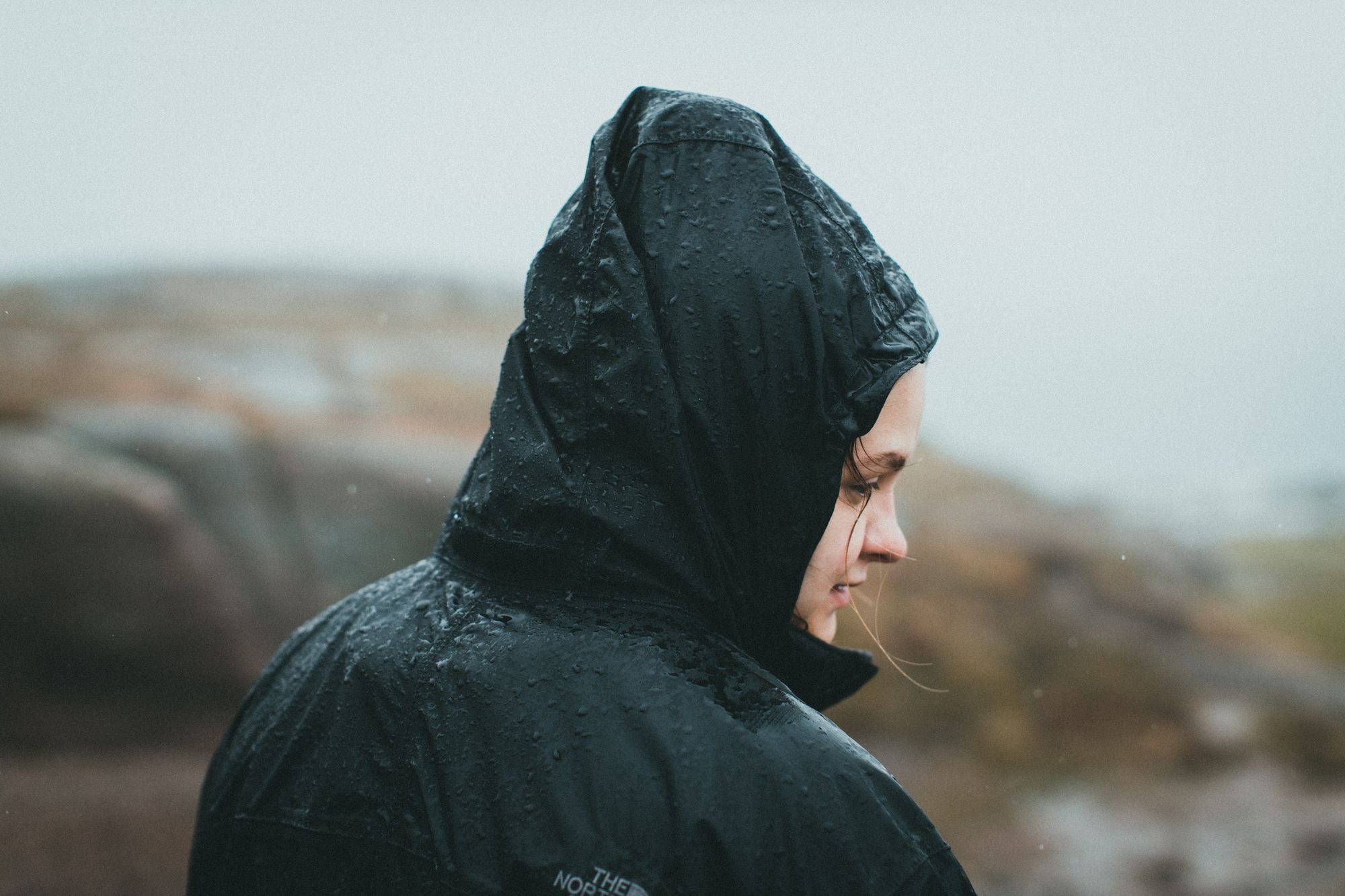
A waterproof jacket with an adjustable hood should be your main weather layer. Choose one with enough room for a fleece underneath and pockets for a field notebook or lens cloth. Waterproof overtrousers are worth carrying if the forecast is unsettled, you expect wet grass or you will be out all day.
Wind can make a dry day feel far colder along the coast or near open water. A neck gaiter or buff takes up very little space and is more useful than it sounds when you are looking through binoculars into a cold breeze.

For established paths in dry conditions, supportive waterproof walking shoes are usually a decent shout. Use waterproof boots with good tread for muddy tracks, wet grass and longer walks. Rubber boots can be practical on very wet ground, though they provide less ankle support over distance and are not much fun on a hard surface for hours.
Do not depend on trainers if rain is likely. Wet feet make a long birdwatching session feel very long indeed.
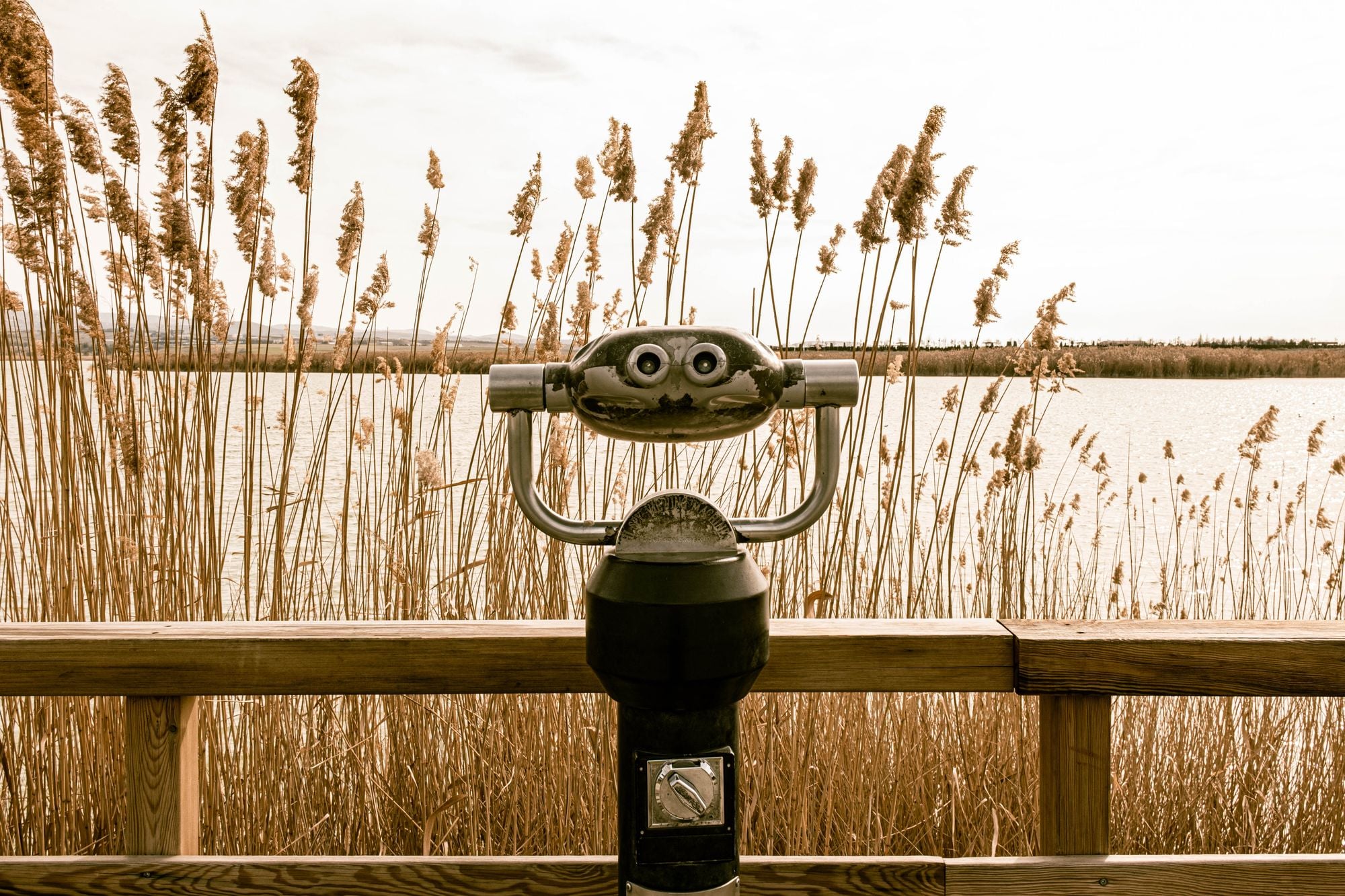
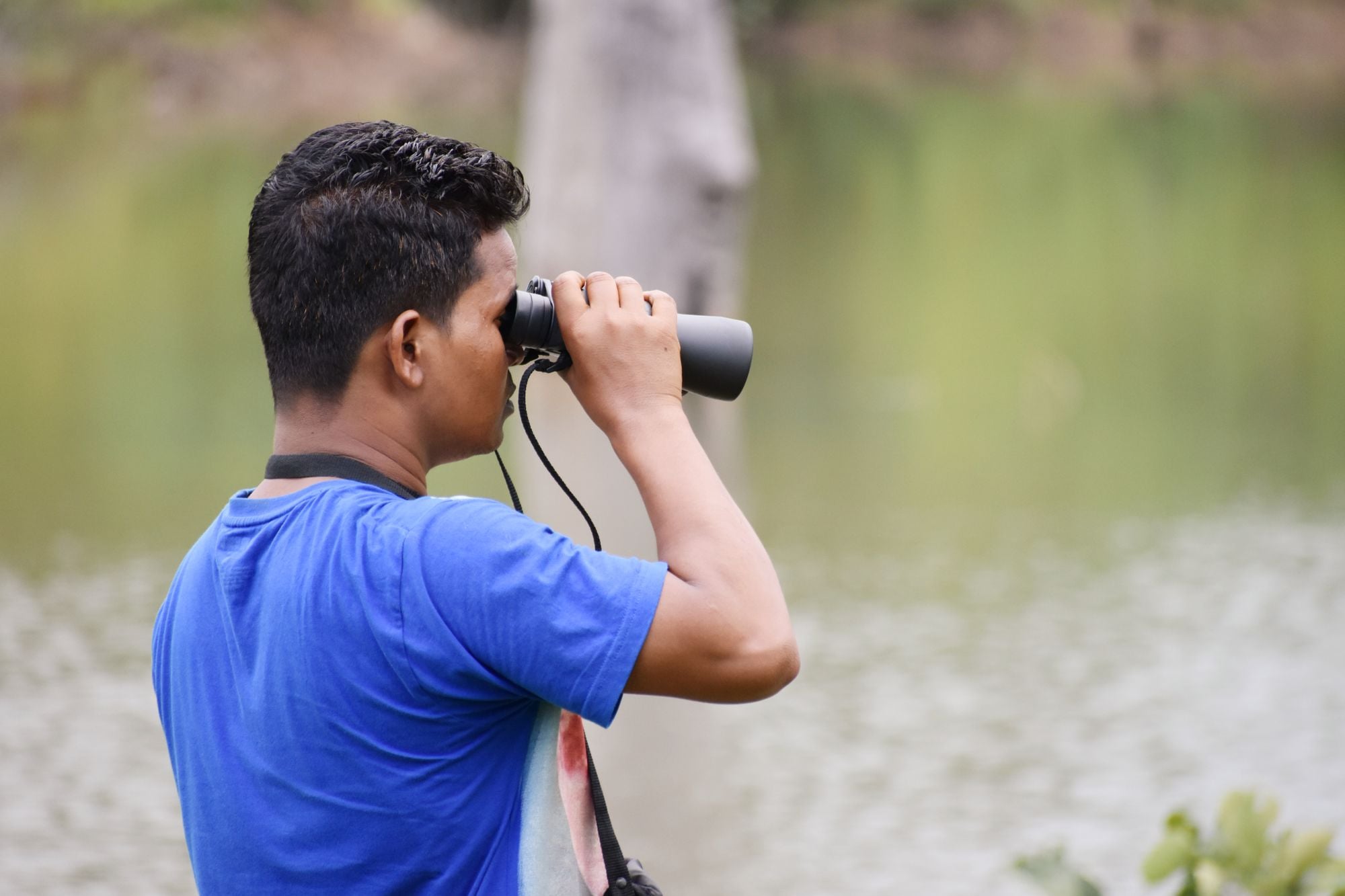
Binoculars are the one specialist item most birdwatchers should bring to Wexford. A pair marked 8×42 gives eight-times magnification with 42-millimetre objective lenses and is a widely practical format for general birdwatching: bright, stable enough to hand-hold and manageable for a full day. A 10×42 pair shows more distant detail but can be harder to keep steady, especially in wind.
Carry binoculars in a case or under a jacket while walking in rain, then use a proper strap or harness when watching. A harness spreads the weight more comfortably than a narrow neck strap and reduces the risk of an expensive drop onto a wet path.
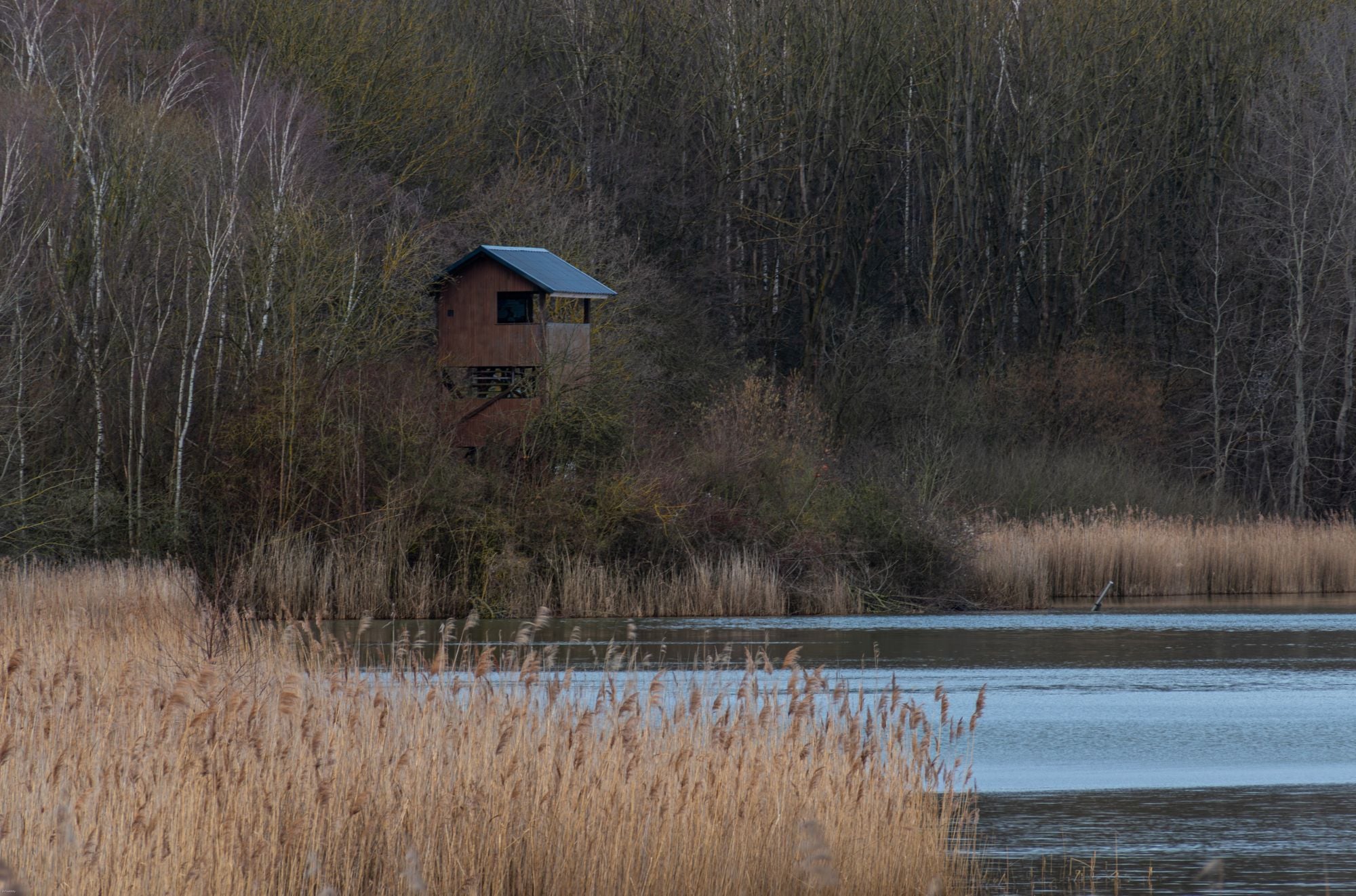
A spotting scope is useful for birds at distance, but it is not essential for a first visit. It adds weight, takes time to set up and can be awkward in strong wind. Bring it if you know you will spend time at open viewpoints or hides where a stable tripod can be used without blocking other visitors.
BirdWatch Ireland publishes birdwatching resources and conservation information through its official website. A field guide or identification app should support observation, not replace it; take time to note size, behaviour, habitat and flight pattern before settling on an identification.
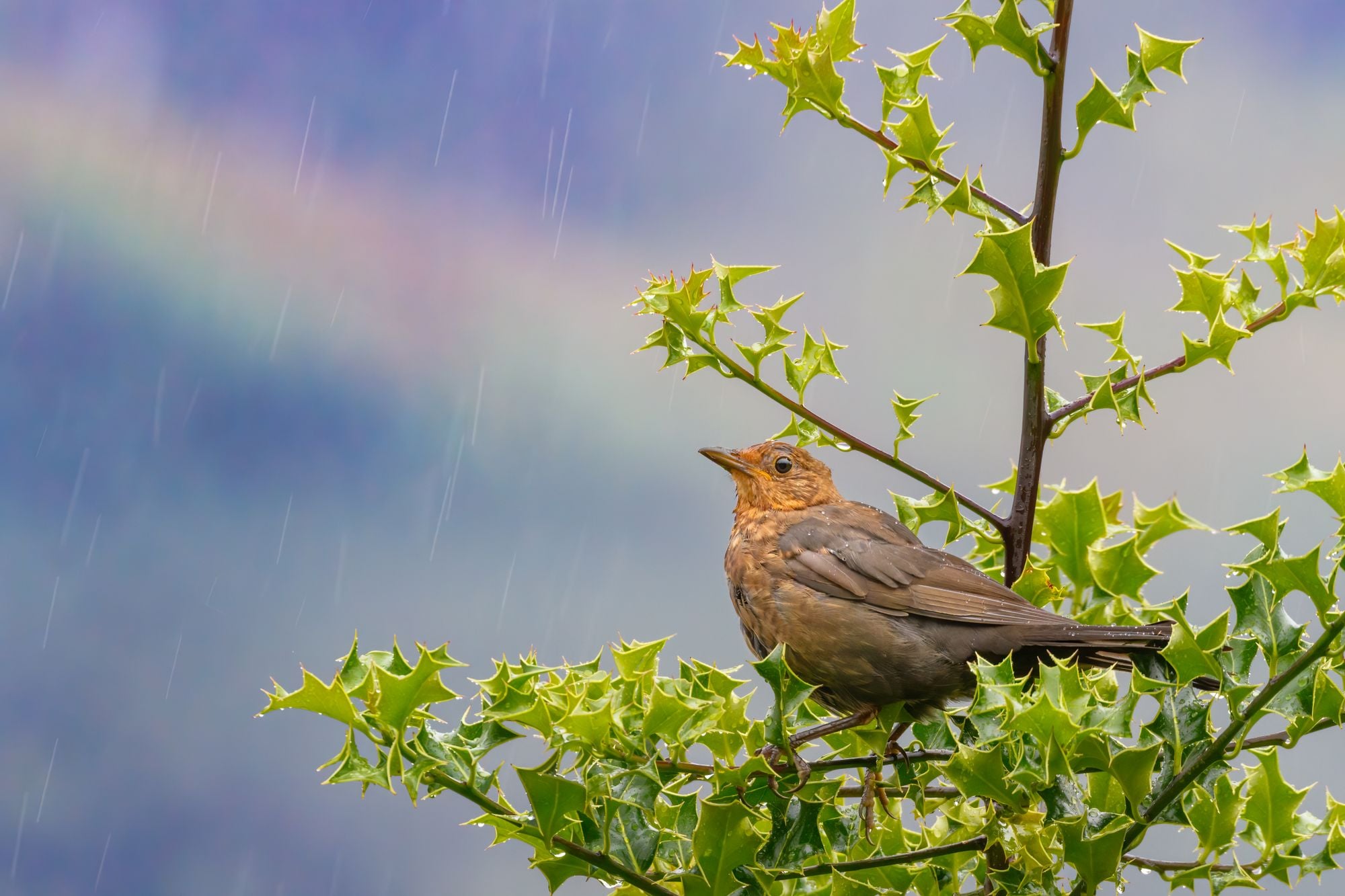
Check the forecast the evening before and again before leaving. Met Éireann’s national forecast provides rainfall, wind and temperature information; weather warnings should change the plan when conditions are poor. An exposed shore is not the place to prove a point about waterproofing.
Pack for the forecast you have, with a small buffer for the one that may turn up later. A dry bag or waterproof roll-top pouch keeps binoculars, phone, maps and snacks protected when a shower turns more serious.
If your Wexford visit is part of a longer drive along the east or south-east coast, the Ancient East coastal road trip packing list adds useful car and overnight essentials without turning the boot into a camping shop. For a longer trip elsewhere in Ireland, this Connemara, Galway and Mayo road trip packing list covers the same useful basics of weather gear, driving documents and day-to-day essentials.
A 15- to 25-litre day pack is usually enough for a birdwatching outing. Look for padded straps, a rain cover or water-resistant fabric, and side pockets that hold a bottle securely. A pack that opens wide makes it easier to find a lens cloth before the rain has done its work.
Bring more food and water than you expect to need if you are heading away from towns for the day. Keep snacks quiet and simple. Crinkly wrappers have an impressive ability to become very loud during a quiet observation period.
A camera is optional. Binoculars and patience will do far more for the day than a heavy camera setup you are reluctant to carry. If photography is the aim, decide before leaving whether you are taking a short walk with a handheld camera or planning a longer stationary session with a tripod.
Condensation can form when cold equipment is brought into a warm car or building. Let gear warm gradually in its bag before opening it, and do not change lenses in wind-driven rain unless there is no alternative.
Pack with the reserve in mind as well as your own comfort. Stay on marked routes, follow posted rules and give birds plenty of space. During winter, birds may be conserving energy; repeatedly flushing them for a closer look or photograph is poor form and can cause real disturbance.
A small seat pad can make a cold bench or a patient wait more comfortable, but avoid sitting where it blocks a path or viewing point. The useful rule is easy enough: leave space for wildlife and for the next person who has carried a scope all the way in.
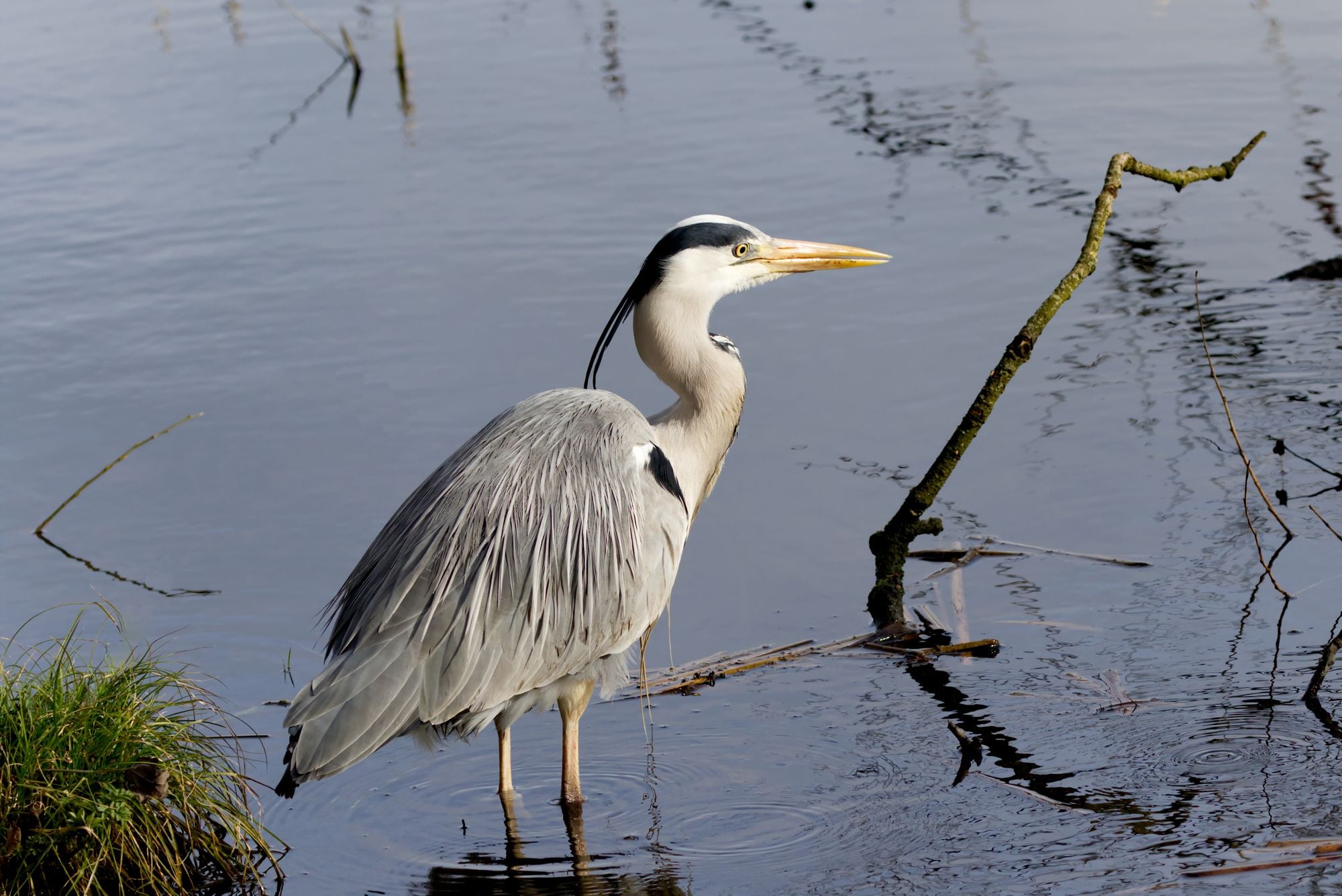
Your core kit stays much the same year-round, but the emphasis shifts with the season. Pack warm items in winter, sun protection in summer, and waterproof layers at any time. Ireland is not especially interested in a calendar-based agreement on the weather.
| Season | Add to Your Pack | What To Prioritise |
|---|---|---|
| Winter | Insulated layer, warm gloves, flask, seat pad | Warmth while standing still and waterproof footwear |
| Spring | Spare mid layer, insect repellent, rain trousers | Changeable temperatures and wet ground |
| Summer | Sunscreen, cap, extra water, insect repellent | Sun exposure, hydration and light rain protection |
| Autumn | Warm hat, gloves, fleece, dry bags | Wind, rain and shorter daylight hours |
Shorter days from autumn onward make a phone power bank and a headlamp sensible backup items, especially if you are driving between locations. Use a headlamp only when needed near wildlife, and keep the beam directed downwards.
If your birdwatching day is only one part of a Wexford break, you could easily add another stop without bringing the full outdoor kit along. The visitor guides to Ferns Castle, Ballyhack Castle and Johnstown Castle are useful for planning the practical side. Keep a clean pair of shoes and a casual layer in the car; muddy boots are not always ideal indoors, honestly.
For a coastal detour, Baginbun Beach is another Wexford stop where the same windproof layer and spare socks may come in handy.
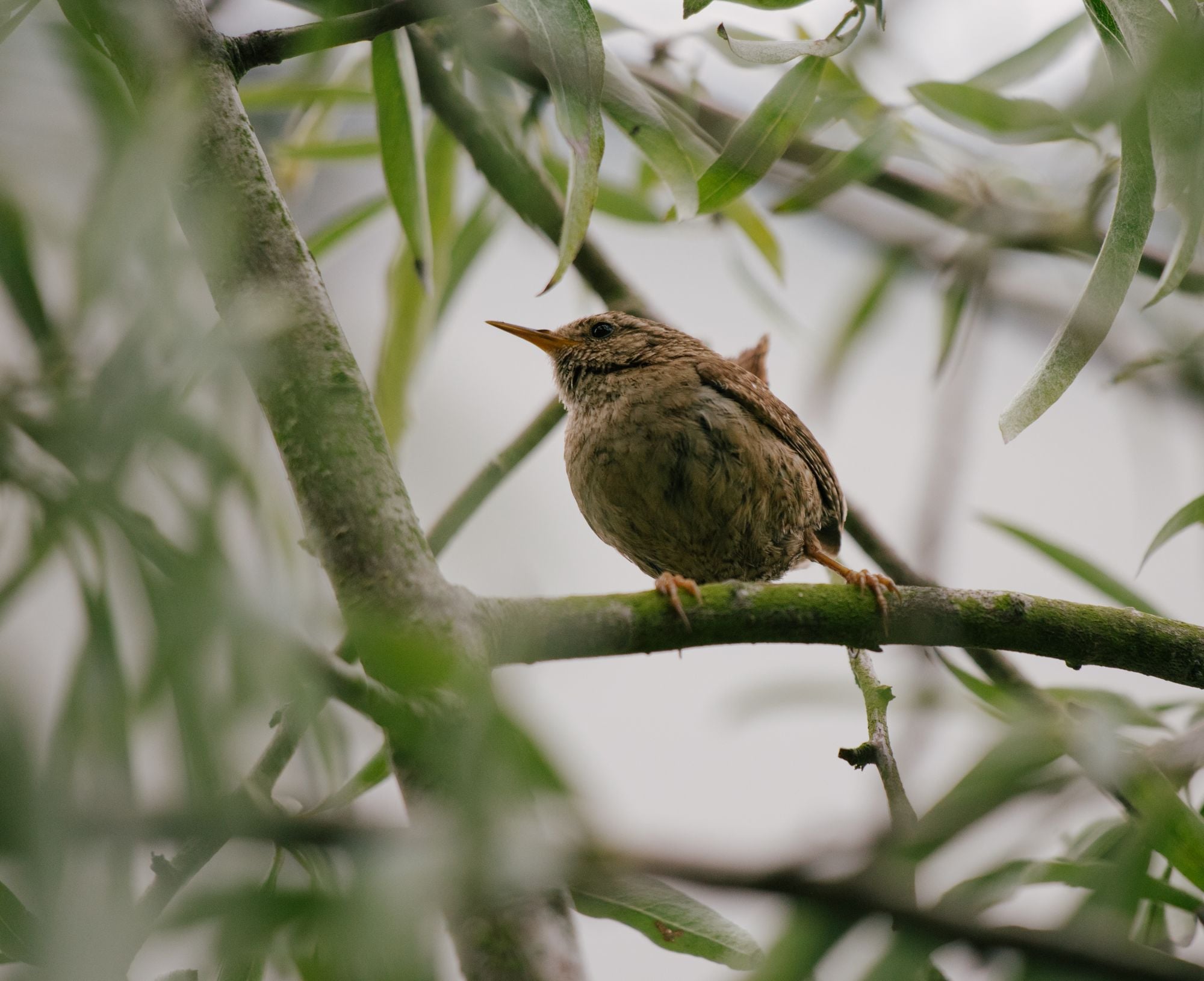
Run through this final list before the car door closes. It takes a minute and saves the familiar moment of arriving at a wetland without the binoculars.
No. Binoculars are enough for most first-time visitors and are easier to use while walking. A spotting scope becomes useful when you plan to watch distant birds from a fixed viewpoint or hide for a longer period.
8×42 binoculars are a practical all-round option because they balance magnification, brightness and steadiness. A 10×42 pair can help with more distant birds, but hand shake is more noticeable and a strap or harness becomes even more useful.
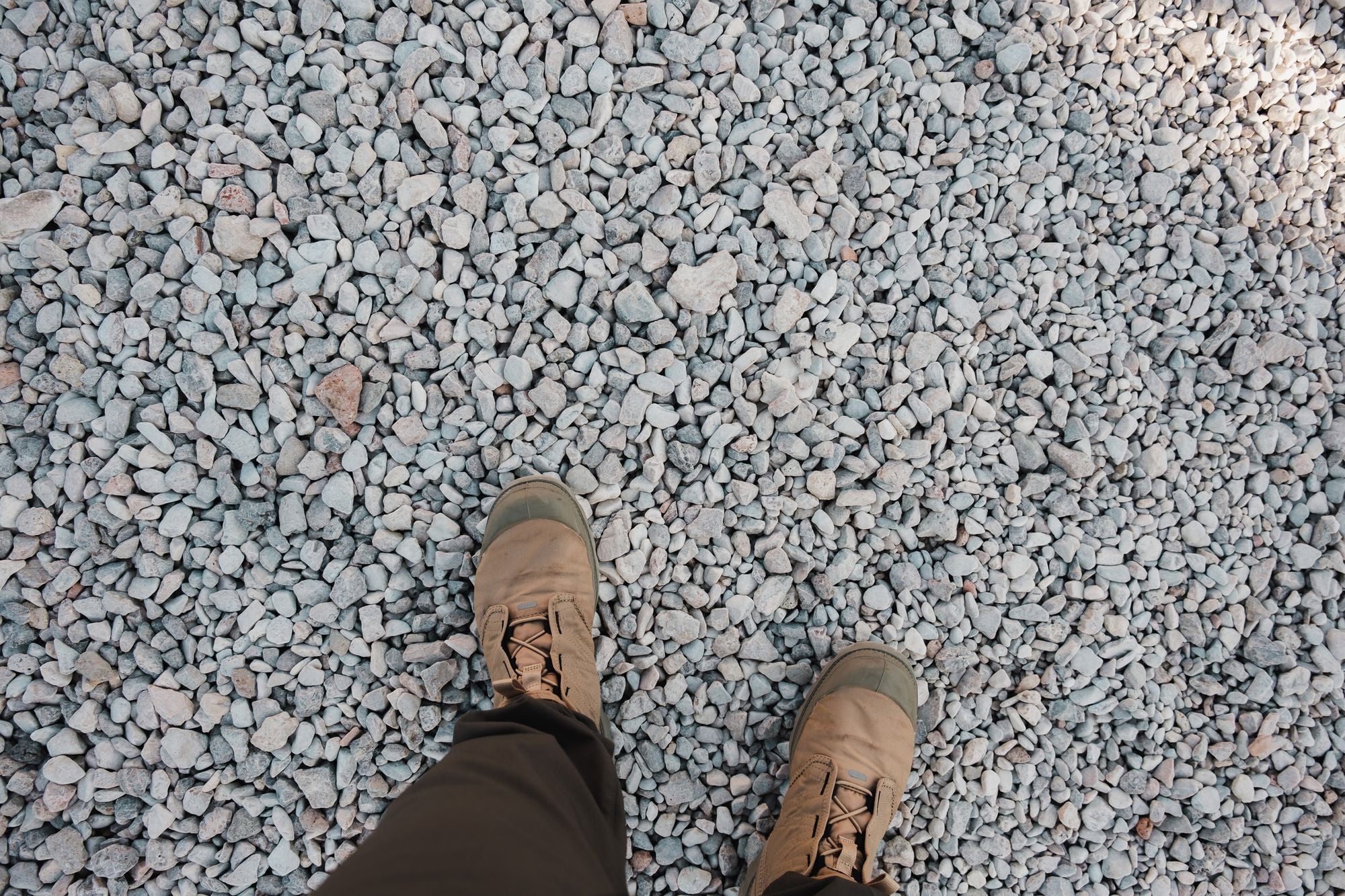
Waterproof walking boots are a sensible choice when paths may be muddy or wet. Supportive waterproof walking shoes can suit dry, established paths, but check the forecast and reserve information before deciding.
Wear a breathable base layer, fleece or insulated mid layer, waterproof jacket, warm trousers, hat, gloves and waterproof boots. Add a flask and seat pad if you expect to spend long periods still at a viewpoint.
Dog access rules vary by location and can be stricter at nature reserves and during sensitive periods for wildlife. Check the rules for the specific site before travelling and follow all signs once you arrive.

Matt Hook is a Canadian writer of Scottish and Irish heritage. He built his writing career creating detailed gaming guides, turning complex mechanics, history and lore into useful information for readers. Matt brings that same research-focused approach to Ireland Wide, where he writes about Irish travel, heritage, history and culture. He also holds CMA and CPA designations as a professional accountant, giving him a strong background in research, accuracy and attention to detail.
At Ireland Wide, our aim is to bring authentically Irish insights to you, wherever you are.
Whether you have some feedback or would like to offer some of your own insights for everyone else to explore, don't hesitate to get in touch with us!