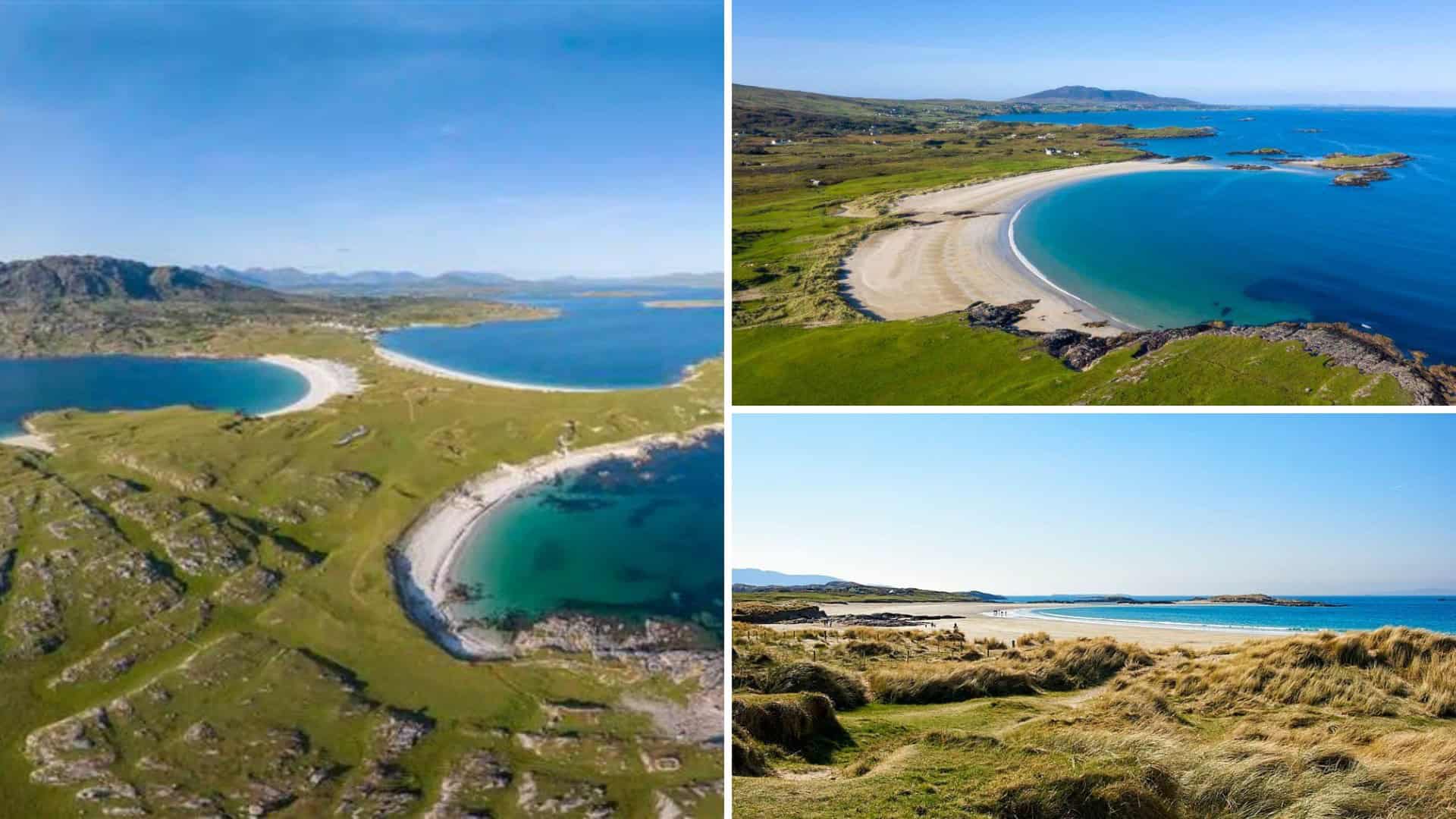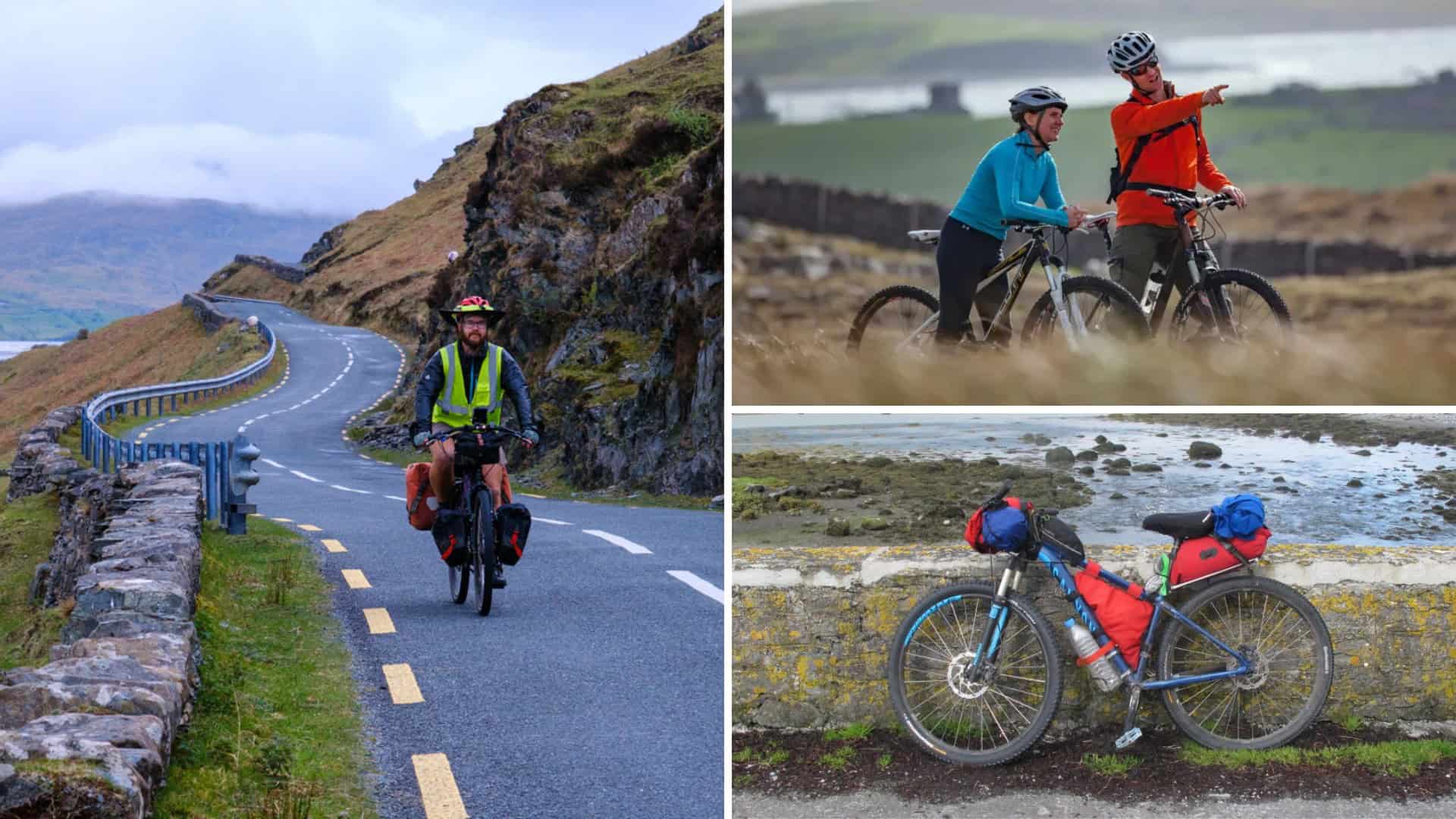


A Blackwater Way hiking packing list comes down to dependable rain protection, supportive walking footwear, navigation that still works without phone signal, and enough layers for a full day outdoors. The roughly 168 km linear route takes in river-valley paths, country roads, forest tracks and higher ground, so a light day pack works well with luggage transfers, while self-supported walkers will need a little more capacity.
The route runs from Shrone in County Kerry to Clogheen in County Tipperary, passing through parts of Cork and Waterford. Most people walk it over several days, and daily distances can feel longer in wet conditions or after a few hours on road sections. Keep the bag simple, but don’t skimp on waterproofs. Ireland has a way of making that decision for you.

Use this as the main checklist for a multi-day walk. Tick off the core items first, then add optional pieces to suit your walking style, the season and your accommodation plan.
For general rain and walking basics beyond this route, our Ireland trip essentials for rain, walking and daily touring are useful if you are arriving with one suitcase and trying not to bring half the house.

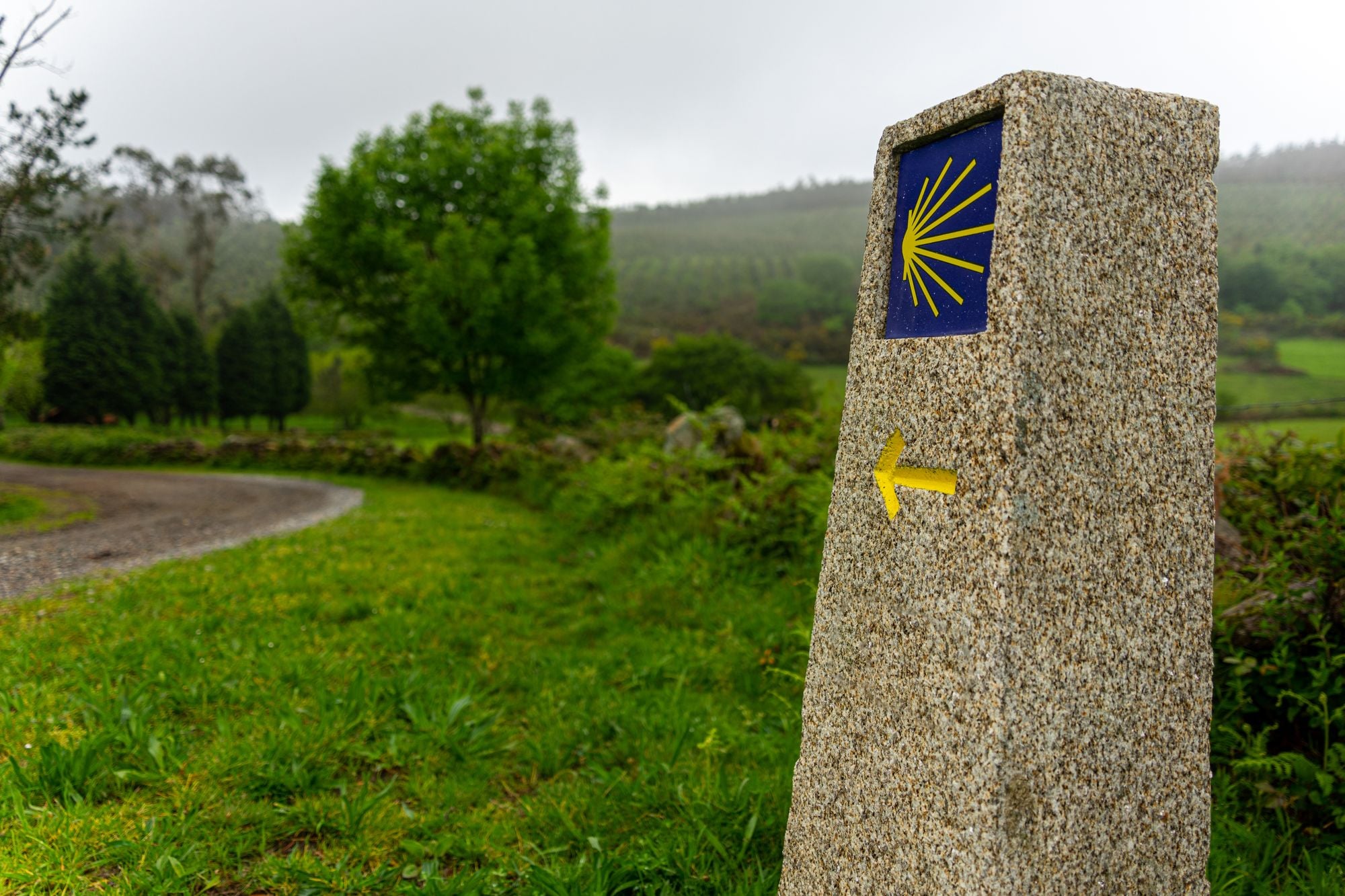
The Blackwater Way is a waymarked long-distance trail, but it is not a paved promenade. It combines quiet public roads with farm and woodland sections, and conditions can change after rain, forestry work or seasonal growth. Carry a route guide or current mapping, and be ready to follow a signed diversion.
Sport Ireland Outdoors lists the Blackwater Way among Ireland’s walking trails. Check official walking-trail information while planning, then confirm current route notes with your accommodation provider or walking-tour operator before setting off. A downloaded GPX track is useful, but it should not be your only navigation tool.
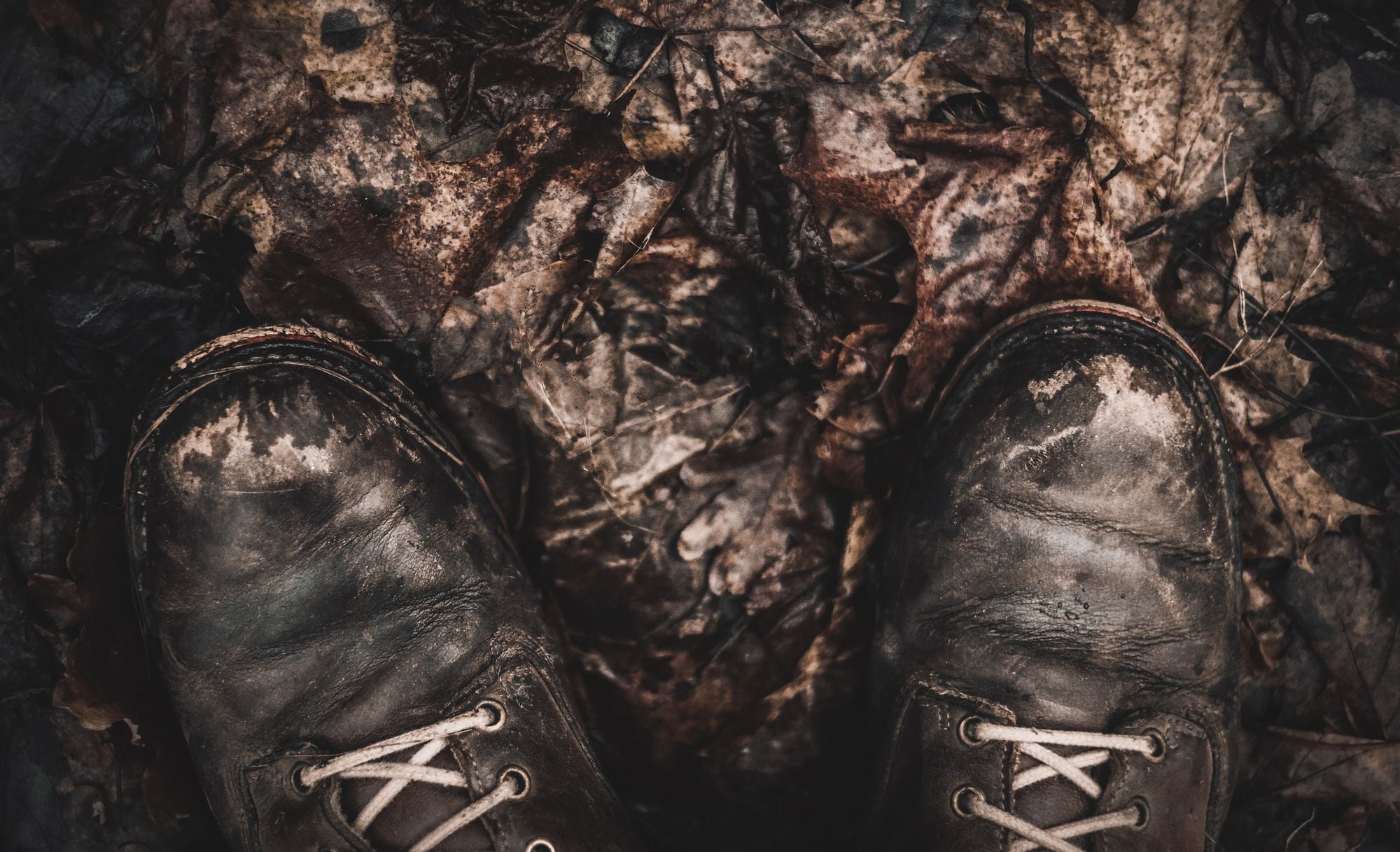
Waterproof hiking boots with ankle support suit walkers carrying a full pack or anyone less comfortable on uneven ground. Low trail shoes can be a decent shout in settled weather if they already fit well and have a grippy sole, but they provide less protection through wet grass and muddy stretches.
Don’t bring new boots for the first time on this route. Wear your chosen footwear on several longer walks beforehand, including hills and wet ground if possible. Pack a few blister plasters and a small roll of tape; a hotspot dealt with early is much easier than a painful final 10 km.
A forecast that starts dry can turn windy, damp or cool later in the day, particularly on exposed parts of the route. Pack conditions were 45°F with scattered clouds and 79% humidity in September 2026 (as of September 2026), which is a pretty good reminder that cool, damp air feels sharper once you stop moving. Check Met Éireann’s forecasts and weather warnings each morning, but carry your waterproof layer even when the forecast looks fairly kind.
Use lightweight layers that dry reasonably quickly: a wicking base layer, fleece or light insulation, and a waterproof outer shell. Cotton jeans, heavy hoodies and bulky fashion trainers tend to stay wet and heavy. They also take up an annoying amount of room in a bag.
Plan to wash a small amount of clothing during the trip. Accommodation varies, and drying can be slow in damp weather, so one extra dry walking set is usually more practical than a separate outfit for every day.
Keep a completely dry set for the evening in a dry bag or waterproof liner. It is one of those small decisions that seems unnecessary until a wet afternoon becomes a wet night.
A 20–30 litre day pack is generally enough when luggage is transferred between overnight stops. It should hold waterproofs, food, water, navigation, first aid, a spare layer and valuables without making you play bag Tetris every morning.
Walkers carrying all their own overnight gear usually need a 40–55 litre backpack, depending on the season and how much non-walking clothing they bring. Choose a pack with a comfortable hip belt, and test it while loaded before the trip. Shoulder straps alone become a bit of a pain after several hours.
Pack covers help in a shower, but wind can move them around and rain can still work its way into a bag. Line the inside of your pack with a sturdy waterproof liner, or use separate dry bags for sleeping clothes, electronics and documents.
Keep your waterproof jacket, snacks, map, gloves and first-aid kit near the top. The things needed when the weather turns are usually the ones buried under everything else. Naturally.
Carry enough food and water for the walking day, especially when leaving a small village or accommodation early. Shops, cafés and pubs are available in some route towns, but opening hours, stock and distance from the trail can vary. Don’t rely on finding lunch exactly when hunger arrives.
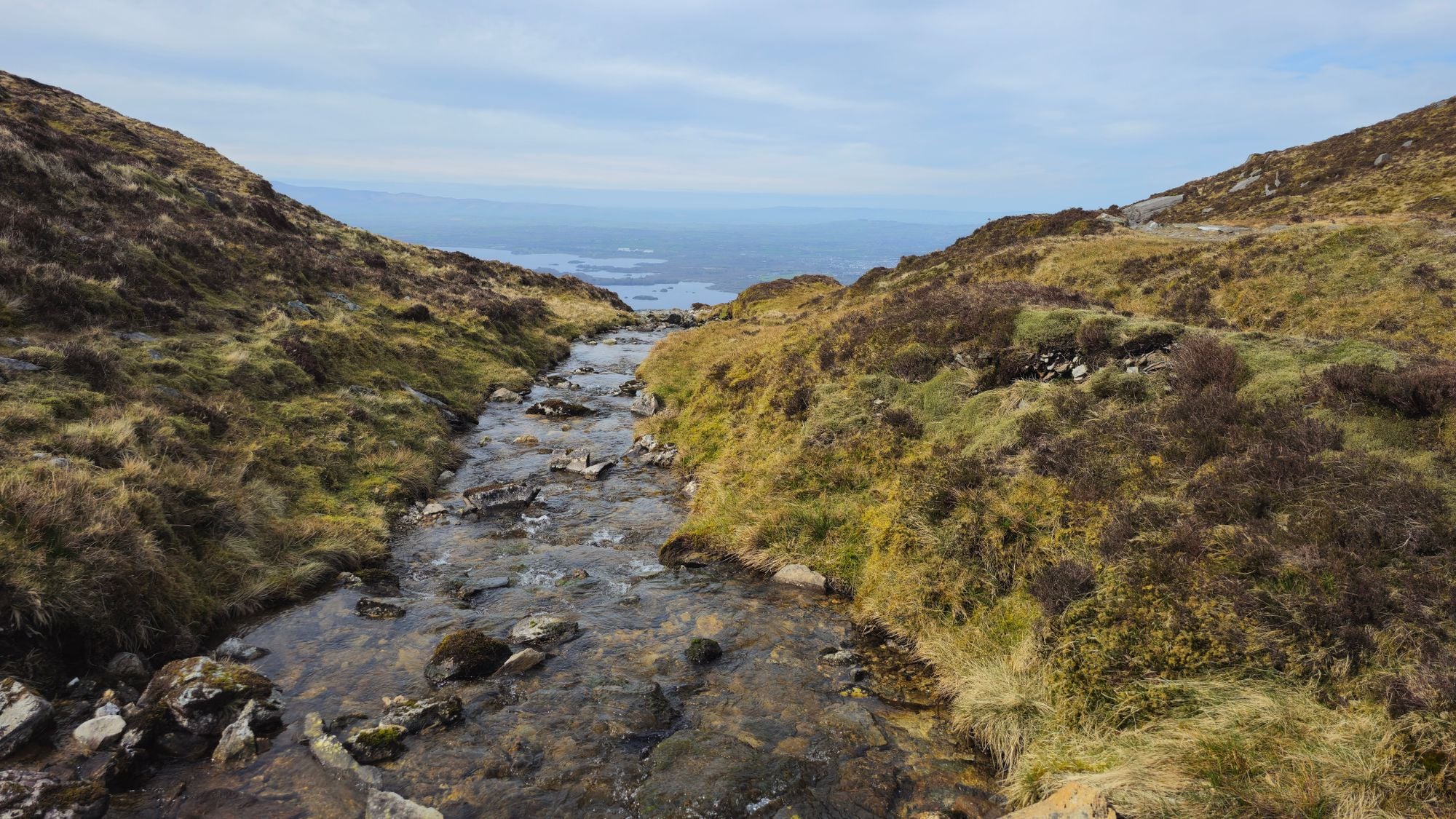
Refill water at accommodation, cafés or other known safe supplies. Treat water from streams only with an appropriate filter or purification method, and don’t assume clear-looking water is safe to drink. For a full-day stage, start with more water than you expect to need when services are uncertain.

Waymarkers are helpful, but they can be missed at junctions, obscured by vegetation or affected by route changes. Bring a printed route guide and paper map covering your day, then download the same area for offline use on your phone before leaving Wi-Fi.
On public roads, walk facing oncoming traffic where it is safe to do so, stay alert around bends and don’t assume drivers can see you through rain or low light. In an emergency in Ireland, call 112 or 999. Tell the operator your location, route section and any nearby landmark or road number.
For responsible access, follow Leave No Trace Ireland principles: take litter with you, keep dogs under effective control where permitted, close gates, and respect landowners, livestock and other trail users.
Most Blackwater Way walkers stay in guesthouses, B&Bs, hotels or other booked accommodation, so there is no need to carry camping equipment unless your itinerary specifically calls for it. A compact wash kit and a few recovery items will do the job.
A small laundry bag keeps damp socks and dirty walking gear away from dry clothing. Nothing fancy, but it does the job.
Bring identification, a payment card and some cash. Card payment is common, although a small amount of cash can still be useful in rural areas, for a taxi or in places where connectivity is patchy.
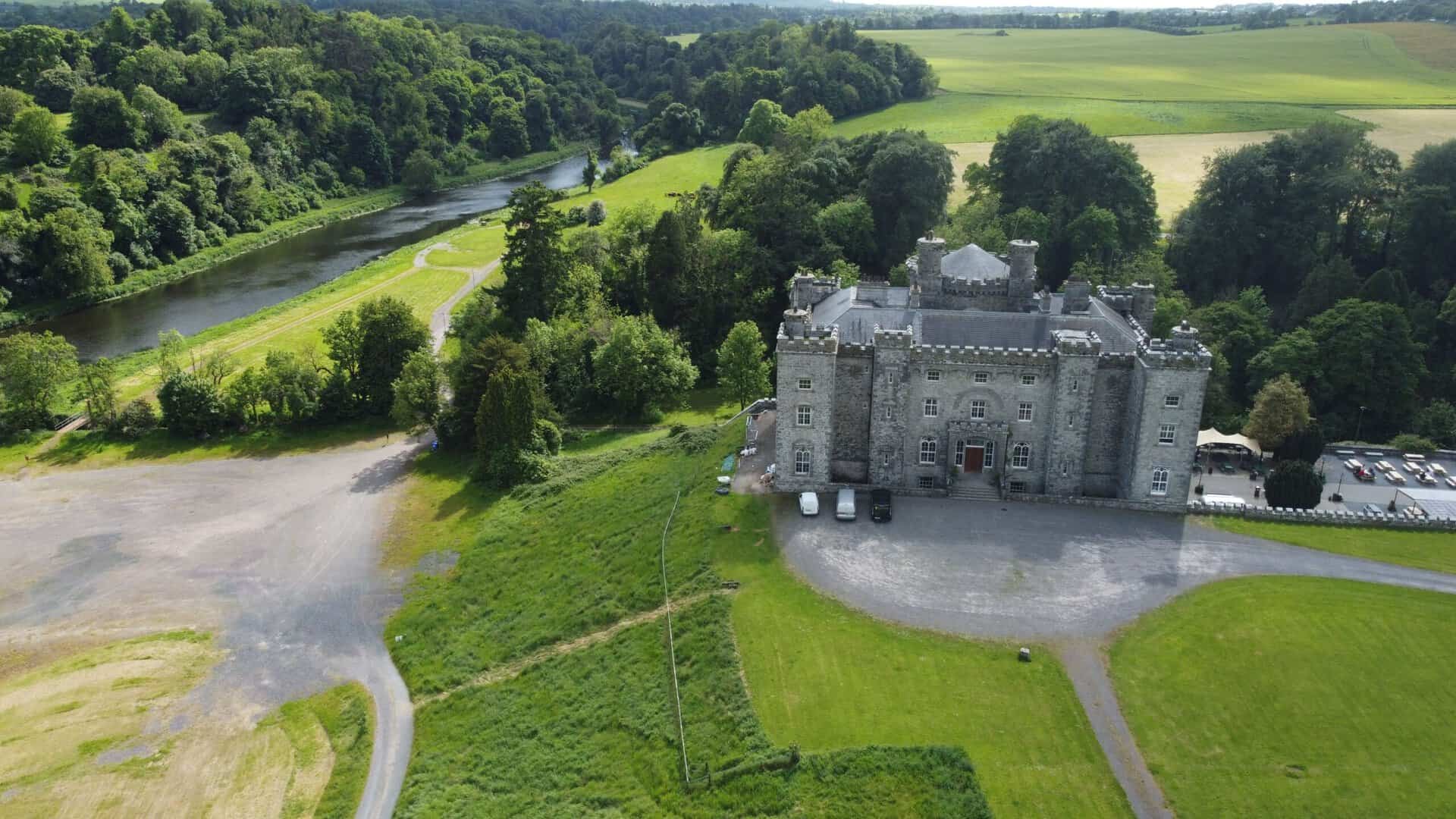
Lismore is one of the notable towns associated with the route corridor. If you have time for a rest day or short detour, see our Lismore Castle and Gardens visitor guide for practical visit information.
If you are combining the walk with a wider driving trip, this Connemara, Galway and Mayo road trip packing list is also useful for the general travel documents, weather gear and day-walking essentials that are easy to overlook.
Weight matters over several consecutive days, even on a route without mountaineering terrain. A few items are rarely worth carrying unless you have a particular need for them.
Lay everything out before departure, then remove one or two nonessential items. A lighter pack is easier on your knees and makes wet-weather packing less awkward.

If you are building confidence for a longer Irish route, our Croagh Patrick hiking guide covers another useful set of packing and safety considerations for changeable conditions. For more route-specific preparation, the Mount Errigal hike guide, Queen Maeve Trail walk guide and Ballyvaughan Wood Loop guide are practical reads before other Irish walks.
Walking boots are the safer choice for many Blackwater Way walkers because the route can include muddy ground, uneven tracks and wet grass. Well-fitted trail shoes can work in dry conditions for experienced walkers carrying a lighter pack, provided they have solid grip.
Yes, a day pack is enough if a pre-arranged luggage-transfer service moves your main bag between overnight stops. Pack waterproofs, food, water, navigation, first aid, spare layers and valuables in the day pack.
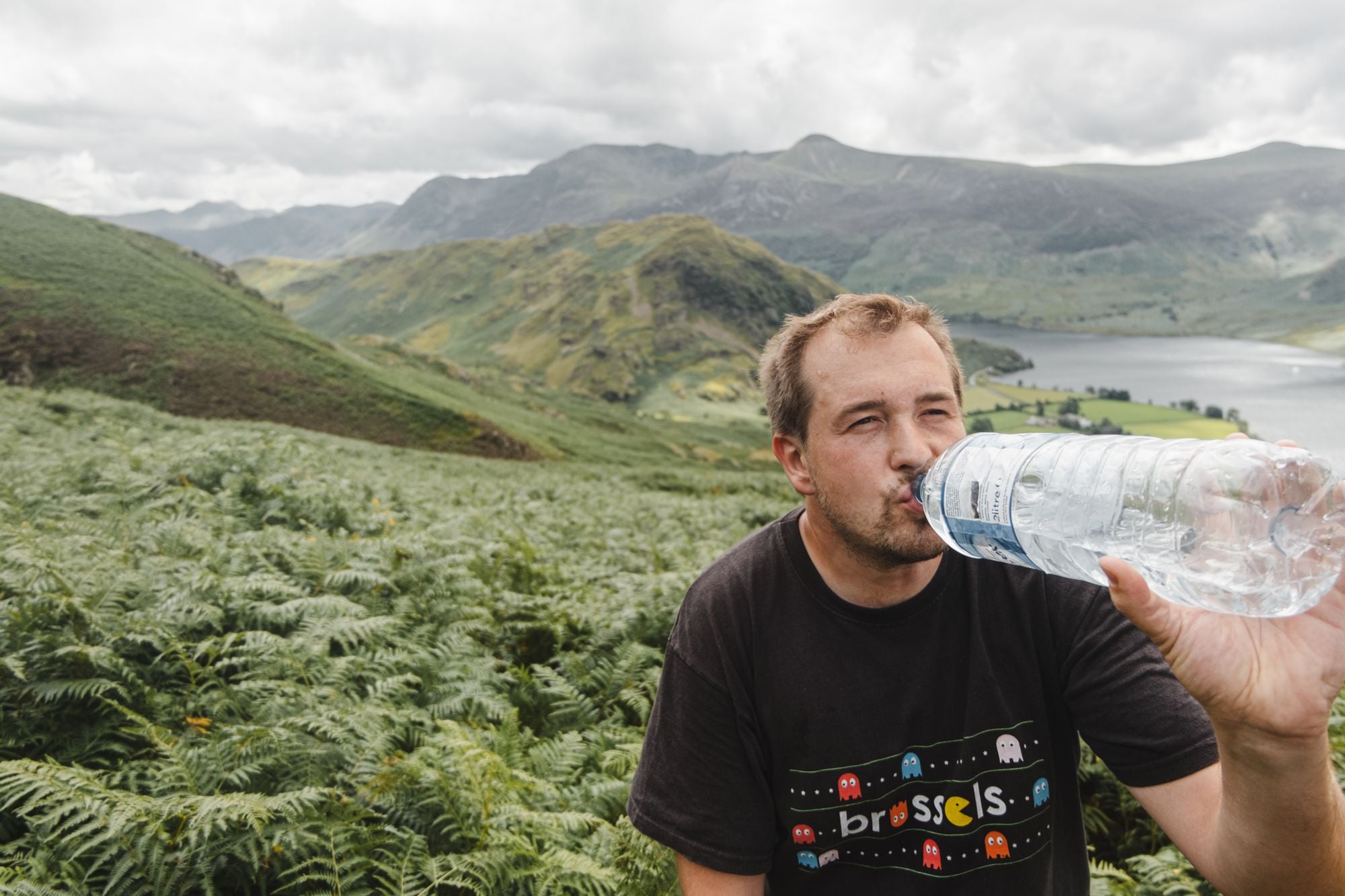
Carry enough water for the distance, temperature and known refill opportunities on your planned stage. Fill up before leaving accommodation and take extra water when walking through remote sections or when shops may be closed.
A properly waterproof jacket is the most useful item for a multi-day Blackwater Way walk, followed closely by comfortable footwear and reliable navigation. Wet weather can arrive at any time, and staying dry helps preserve warmth and energy.
Mobile coverage can vary across rural and wooded sections of the route. Download maps and essential booking details before each day, carry a power bank, and don’t depend on mobile data for navigation or emergency planning.

Matt Hook is a Canadian writer of Scottish and Irish heritage. He built his writing career creating detailed gaming guides, turning complex mechanics, history and lore into useful information for readers. Matt brings that same research-focused approach to Ireland Wide, where he writes about Irish travel, heritage, history and culture. He also holds CMA and CPA designations as a professional accountant, giving him a strong background in research, accuracy and attention to detail.
At Ireland Wide, our aim is to bring authentically Irish insights to you, wherever you are.
Whether you have some feedback or would like to offer some of your own insights for everyone else to explore, don't hesitate to get in touch with us!