

For years, the classic Irish summer holiday followed a familiar routine. Board a flight somewhere warm, claim a sun lounger before breakfast, and spend the next week or two perfecting the surprisingly competitive art of doing absolutely nothing.
There is nothing wrong with a straightforward beach break, particularly after months of Irish rain. However, holiday habits are changing. More Irish travellers are looking for destinations that combine relaxation with culture, regional food, outdoor activities and memorable local experiences.
Instead of returning home with little more than a tan and 47 nearly identical photographs of the hotel pool, many people now want stories worth telling. A successful holiday might include a historic city, a coastal walk, a local market, a cooking class and a few quiet afternoons beside the sea.
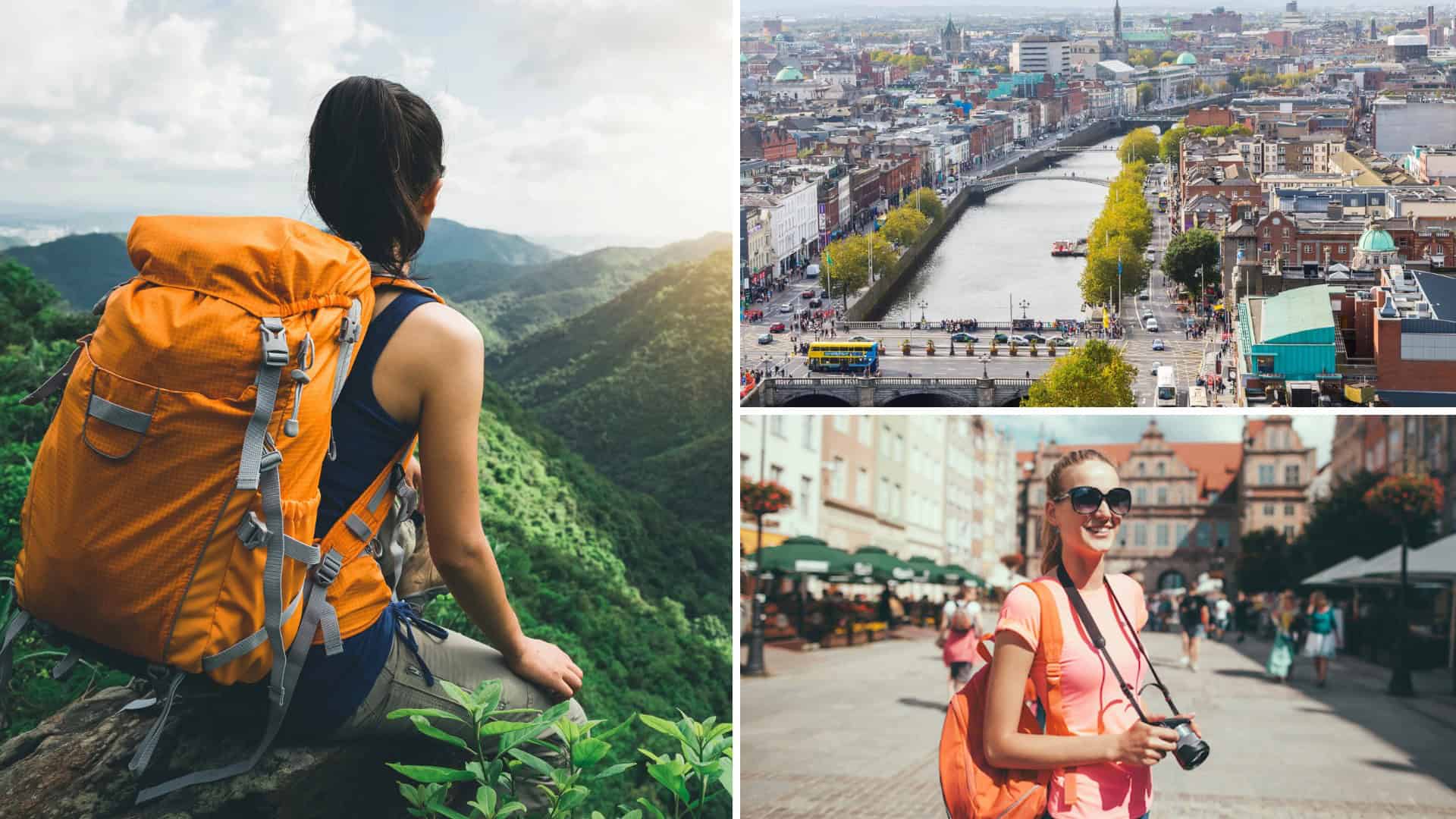
Today’s holidaymakers are shifting away from purely beach-focused breaks, opting instead for dynamic trips that engage the mind just as much as they rest the body. The beach has not disappeared from the itinerary, but it increasingly shares space with cultural attractions, food experiences and opportunities to explore beyond the resort.
Holiday priorities are evolving rapidly, with sunshine no longer acting as the sole metric for a successful trip away; Irish consumers are prioritising experience-led travel over passive sunbathing. A collective desire for deeper cultural immersion and meaningful storytelling heavily drives this shift.
Travellers increasingly want holidays that feel personal rather than predictable. That could mean joining a local food tour, learning a regional cooking technique, visiting an archaeological site, browsing an independent market or exploring a neighbourhood that rarely appears in glossy brochures.
These smaller experiences often become the moments people remember most clearly. The famous landmark may provide the photograph, but the tiny family-run restaurant discovered by accident is often the story that gets repeated when everyone returns home.
Social media and improved access to travel information have also made it easier to look beyond the obvious attractions. Visitors can now find walking routes, independent cafés, community festivals and lesser-known museums before leaving home, rather than relying entirely on a hotel noticeboard or whatever leaflet happens to be available at reception.
Of course, nobody is rejecting good weather. For Irish travellers, seeing a reliable forecast filled with small yellow suns can still feel like winning a minor lottery. Sunshine is simply becoming a welcome part of a wider experience rather than the only reason to choose a destination.
| Traditional Beach Break | Experience-Led Holiday |
|---|---|
| One resort for the full trip | Several towns, districts or regions |
| Most days spent beside the pool | A mix of relaxation and exploration |
| Meals mainly within the resort | Local restaurants, markets and food tours |
| Few planned activities | Flexible cultural and outdoor experiences |
| Weather determines the entire trip | Indoor and outdoor options provide flexibility |
| One main style of holiday | City, coast, countryside and culture combined |

A major driver behind this trend is the need to cater to multiple, contrasting interests within a single itinerary. Modern families and group chats are rarely uniform in their holiday desires. One person may want a quiet afternoon with a book, another wants to surf, and a third is eager to tour every historic gallery within a 20-kilometre radius.
Then there is usually someone whose main objective is finding the best bakery in town. They may not have contributed anything to the accommodation search, but they will arrive with a colour-coded list of places selling custard tarts.
Choosing a destination that offers geographic and activity variety eliminates the need for compromise, ensuring every member of the group gets exactly what they want from their hard-earned annual leave.
Variety also makes a trip more resilient when plans change. A rainy morning does not have to derail the holiday when museums, food markets, historic buildings and indoor attractions are available. Likewise, a particularly hot afternoon can be spent by the water before sightseeing resumes in the cooler evening.
This flexibility is especially useful for families travelling with children, multigenerational groups and couples with different interests. Instead of forcing everyone to follow one rigid schedule, a varied destination allows the pace and focus of the trip to change from day to day.
The move towards more varied holidays is occurring at a time when overseas travel remains an important part of life for many Irish residents. According to the Central Statistics Office’s Household Travel Survey, Irish residents took 3.1 million overnight trips outside Ireland during the first quarter of 2026.
Holidays accounted for the largest share of those overseas trips, ahead of travel for business or visiting friends and relatives. The figures underline the importance Irish consumers place on getting away, even during the opening months of the year rather than limiting travel to the traditional July and August window.
Cheaper short-haul connections and a wider selection of regional routes have also made it easier to build more ambitious itineraries. A holiday no longer needs to involve remaining in one resort simply because reaching neighbouring cities or regions is difficult.
Travellers can increasingly combine rail journeys, short transfers and regional flights to experience several distinct places during one trip. The challenge is no longer finding enough to do. It is resisting the temptation to squeeze nine destinations into five days and call it relaxing.
Certain destinations have naturally grown in popularity because they comfortably bridge different travel styles. Northern Spain combines beaches, mountain scenery and food-focused cities, while Croatia offers historic centres, islands, national parks and coastal resorts within a relatively compact area.
Italy allows travellers to move between major art cities, small rural towns and long stretches of coastline. France can offer museums and restaurants in a city such as Paris before a completely different experience in Provence, the Alps or along the Atlantic coast.
Portugal is another strong example. For instance, booking a versatile holiday in Portugal can make it possible to combine several distinct experiences without travelling vast distances or crossing an international border.
On a single trip, visitors can seamlessly wander the historic, azulejo-lined streets of Porto, indulge in world-class seafood, and unwind on the dramatic, golden beaches of the Algarve. Lisbon adds another option, with historic neighbourhoods, riverside attractions, museums and easy access to nearby coastal towns.
This blend of city breaks and coastlines allows travellers to reinvent their itinerary from one day to the next. A morning can be spent touring a historic district, the afternoon beside the water and the evening trying regional dishes in a neighbourhood restaurant.
Presenting Portugal alongside comparable European destinations also reflects how people increasingly approach holiday planning. They are not necessarily choosing between a city break and a beach holiday. They are looking for a destination capable of delivering both, with nature, history and good food added where possible.
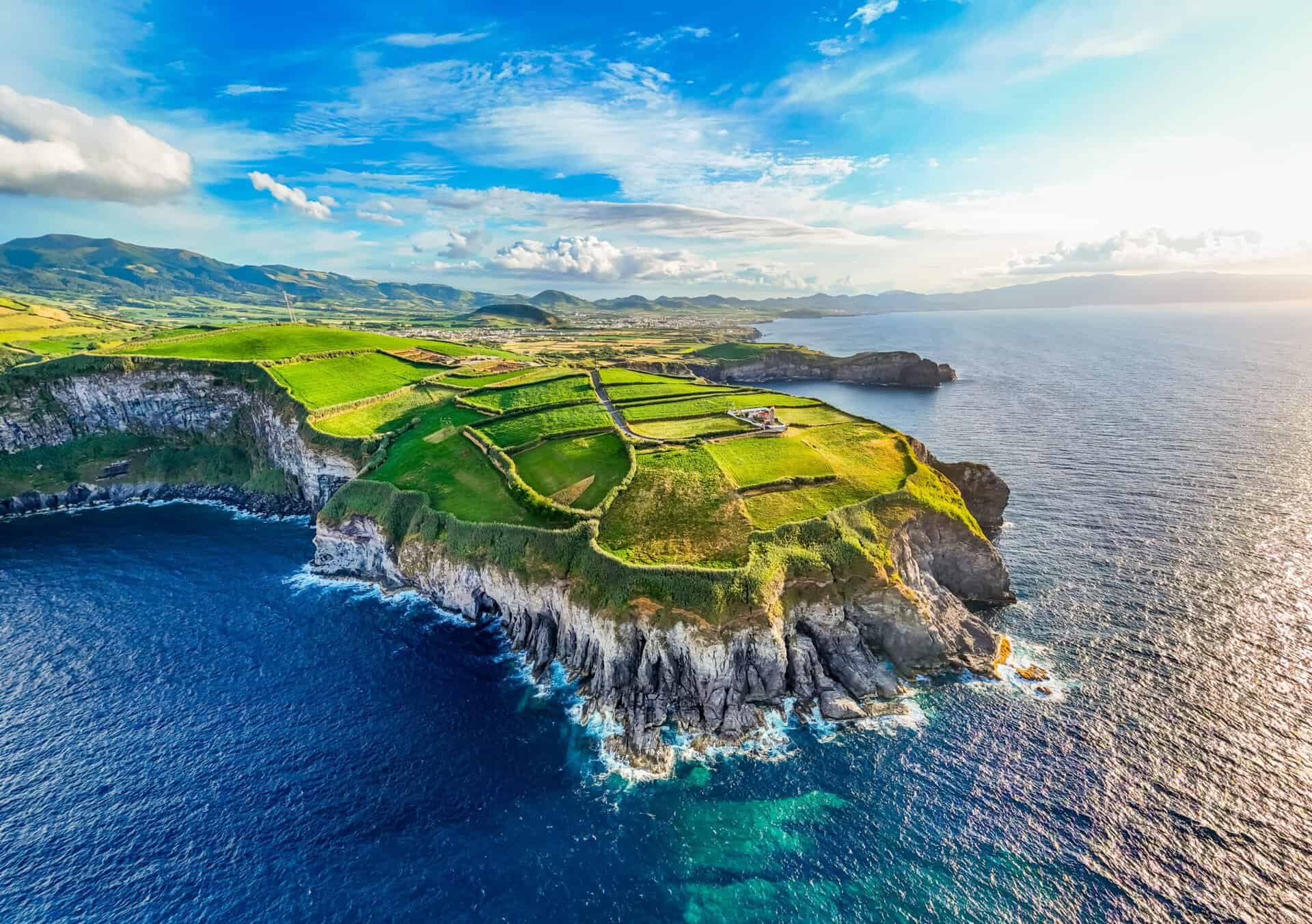
Irish travellers may be particularly familiar with the appeal of varied itineraries because Ireland itself rewards people who move beyond one location. A relatively short journey can lead from a busy city to an Atlantic beach, mountain trail, ruined abbey or small town with a completely different atmosphere.
The country’s tourism offering is built around more than individual attractions. Visitors are encouraged to explore regional landscapes, local food, heritage sites and outdoor activities as connected experiences. Research and tourism performance information published by Fáilte Ireland reflects the importance of understanding how visitors engage with different destinations and regions.
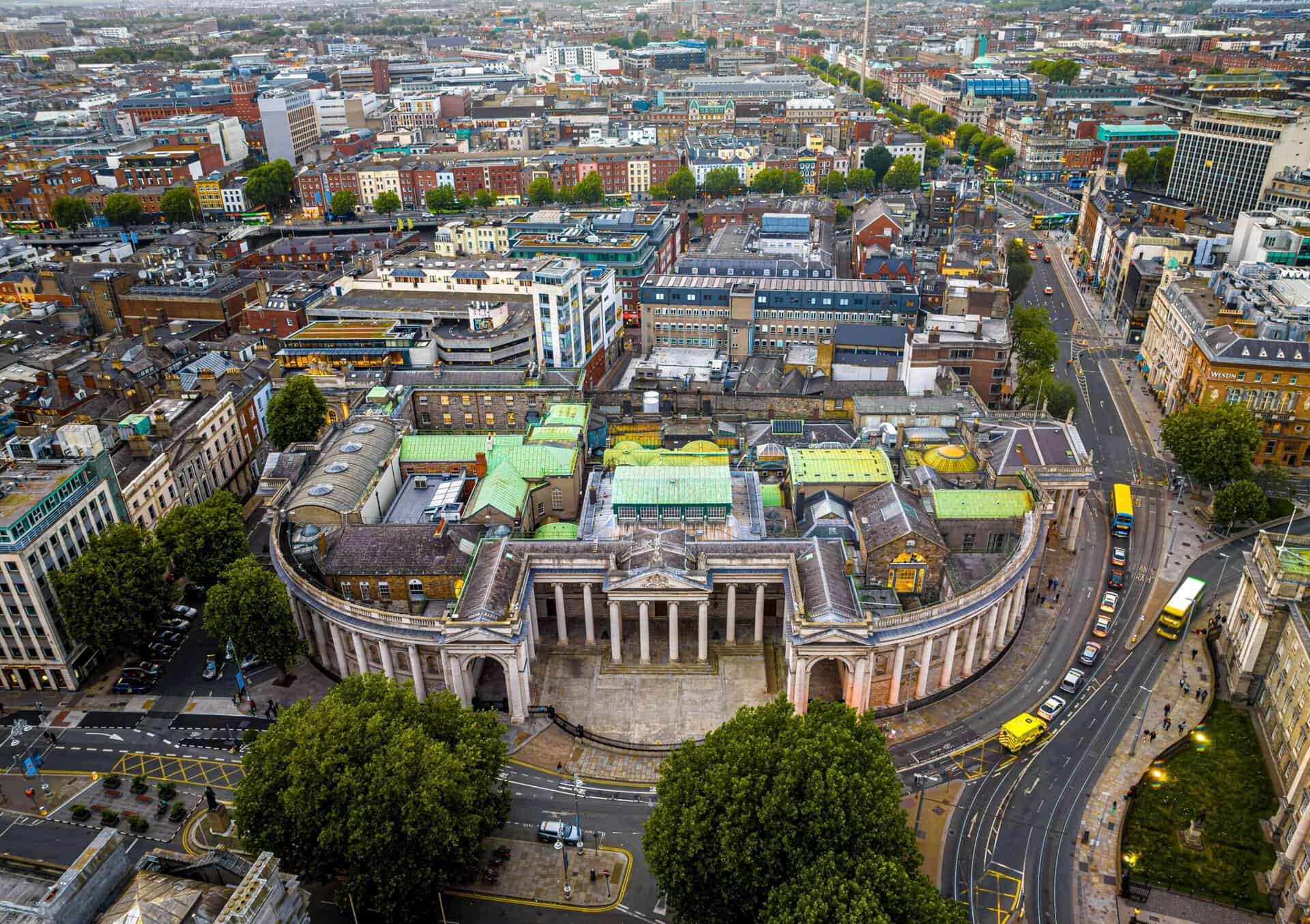
This variety helps explain why a trip around Ireland can feel very different from one county to the next. Dublin provides museums, nightlife and major historic sites, while the west coast offers cliffs, islands, beaches and long scenic drives. Elsewhere, visitors can plan a holiday around castles, walking trails, traditional music or food.
That expectation of variety naturally carries over when Irish people travel abroad. Destinations that offer several experiences within a manageable area feel familiar and practical, particularly when annual leave is limited and nobody wants to spend half the trip staring at the inside of a hire car.
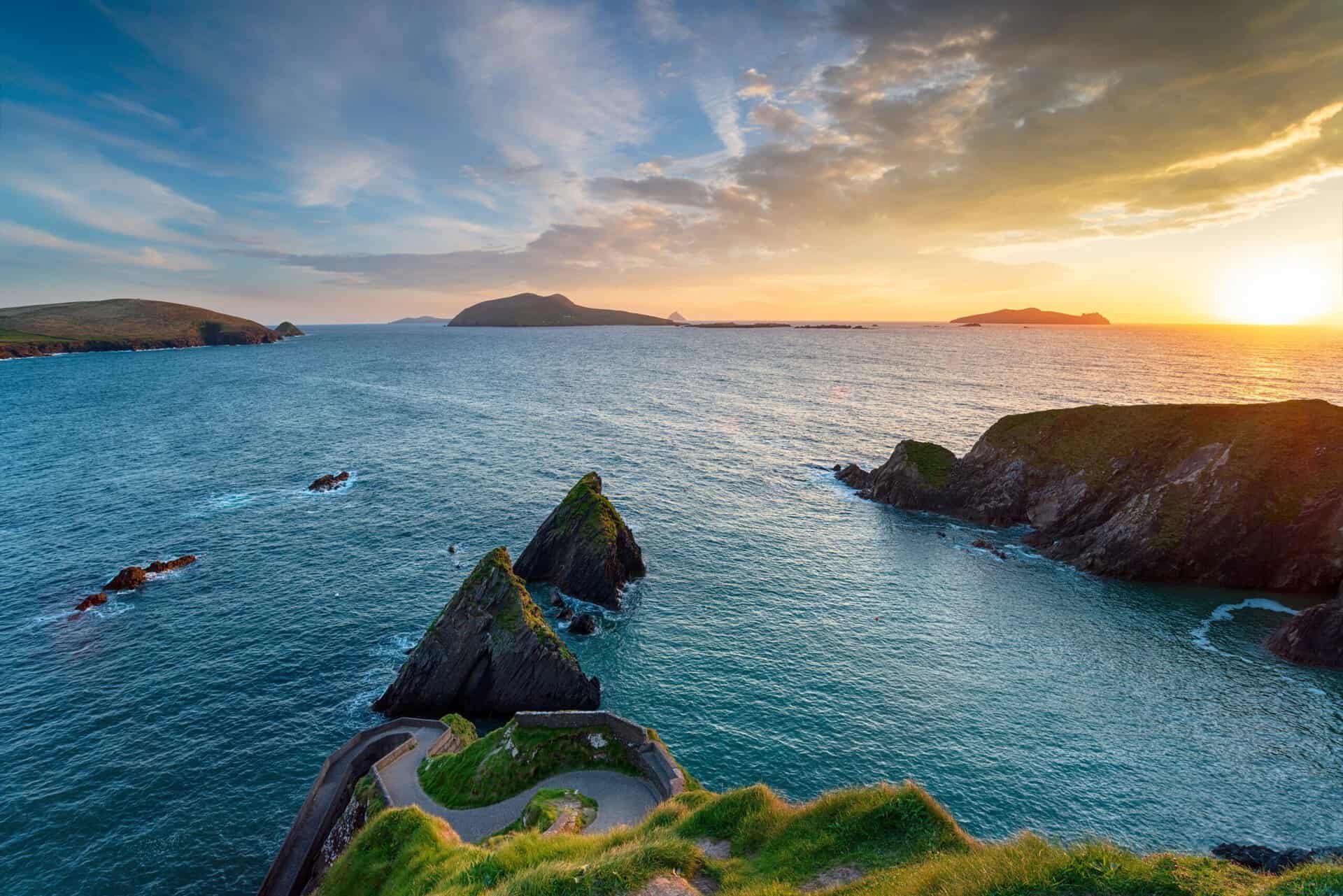
More varied holidays can be rewarding, but they also benefit from thoughtful planning. Travellers need to consider seasonal weather, transport connections, opening hours, accommodation locations and the realistic amount of ground they can cover without turning the trip into an endurance event.
A useful itinerary should provide structure without scheduling every minute. Booking major attractions and essential transport in advance can prevent disappointment, while leaving some mornings or afternoons open creates room for local recommendations and unexpected discoveries.
It is also sensible to plan around geography rather than assembling a list of attractions that happen to look appealing online. Grouping nearby places together reduces unnecessary travel time and gives visitors more opportunities to enjoy each destination properly.
Some useful planning principles include:
The same experience-led approach can help visitors build a better trip around Ireland. Rather than treating Dublin, Galway, Cork or the Wild Atlantic Way as isolated choices, travellers can connect several regions through a manageable itinerary.
Those planning a shorter trip can use our 4-day Ireland itinerary as a starting point. It demonstrates how city attractions, historic landmarks and scenic landscapes can be combined without spending every waking hour rushing to the next stop.
Preparation is particularly important because Irish conditions can change quickly. Our guide to the weather in Ireland explains what visitors can generally expect throughout the year, although experiencing sunshine, wind and rain before lunch remains entirely possible.
Packing for a varied itinerary also requires more thought than preparing for a resort holiday. Our practical Ireland packing checklist covers useful items for rain, walking and everyday sightseeing.
Finally, understanding local customs can help visitors avoid unnecessary problems. Our guide to common mistakes visitors should avoid offers straightforward advice for enjoying a smoother and more respectful trip.
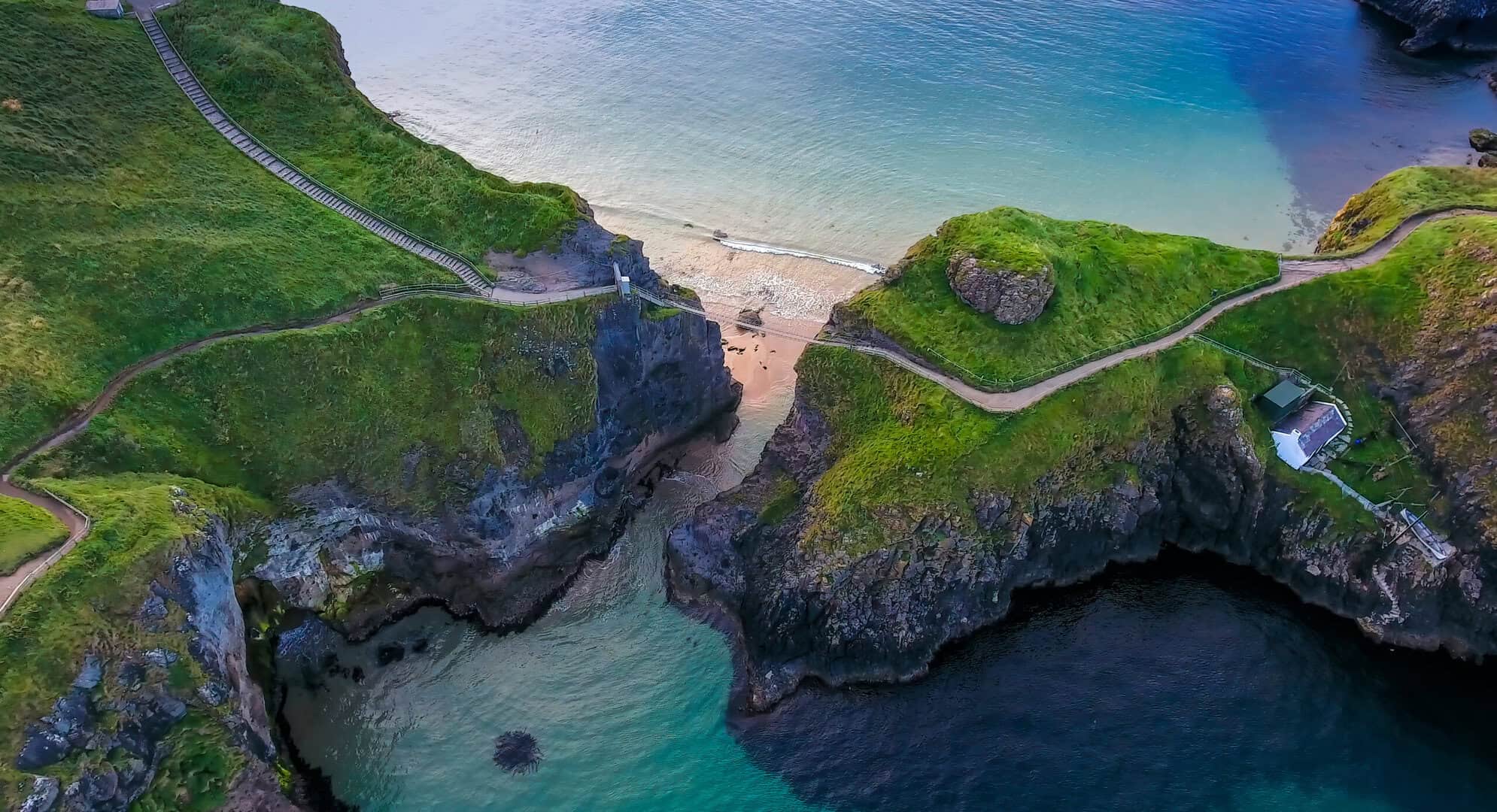
The appetite for varied, experience-rich itineraries is likely to continue reshaping the tourism industry. Destinations that rely entirely on pristine sand may struggle to compete with regions that combine beaches with protected landscapes, historic attractions, regional cuisine and year-round activities.
This does not mean the traditional beach holiday is disappearing. Plenty of people still want a week during which the most difficult decision is whether to order lunch before or after another swim. The difference is that travellers increasingly want the option to do more, even when they ultimately decide not to.
Travel companies are responding with more flexible packages, multi-centre itineraries and locally focused excursions. Digital planning tools have also made it easier for travellers to build their own trips rather than accepting a standard itinerary created for a broad audience.
Destinations that invest in reliable public transport, walking routes, cultural attractions and responsible access to natural areas will be well positioned to benefit. Visitors are more likely to stay longer and explore beyond the best-known resort when doing so is straightforward.
For Irish travellers, the ideal summer getaway is no longer necessarily defined by the number of hours spent beside a swimming pool. It may involve a historic city, a coastal village, a mountain trail, an excellent meal and, ideally, enough sunshine to justify packing the sunglasses.
The most rewarding holidays increasingly refuse to fit neatly into one category. They provide time to rest while still offering something new to see, taste or experience, allowing travellers to return home refreshed rather than feeling as though they simply relocated their daily routine to a warmer postcode.

Matt Hook is a Canadian writer of Scottish and Irish heritage. He built his writing career creating detailed gaming guides, turning complex mechanics, history and lore into useful information for readers. Matt brings that same research-focused approach to Ireland Wide, where he writes about Irish travel, heritage, history and culture. He also holds CMA and CPA designations as a professional accountant, giving him a strong background in research, accuracy and attention to detail.
At Ireland Wide, our aim is to bring authentically Irish insights to you, wherever you are.
Whether you have some feedback or would like to offer some of your own insights for everyone else to explore, don't hesitate to get in touch with us!