A Great Western Greenway cycling packing list should cover rain protection, comfortable layers, water, snacks, a phone, basic bike-repair supplies, and secure storage for valuables. The route runs for about 49 kilometres between Westport and Achill Sound, so a small backpack or pannier with practical day-riding gear is usually more useful than a large touring load.
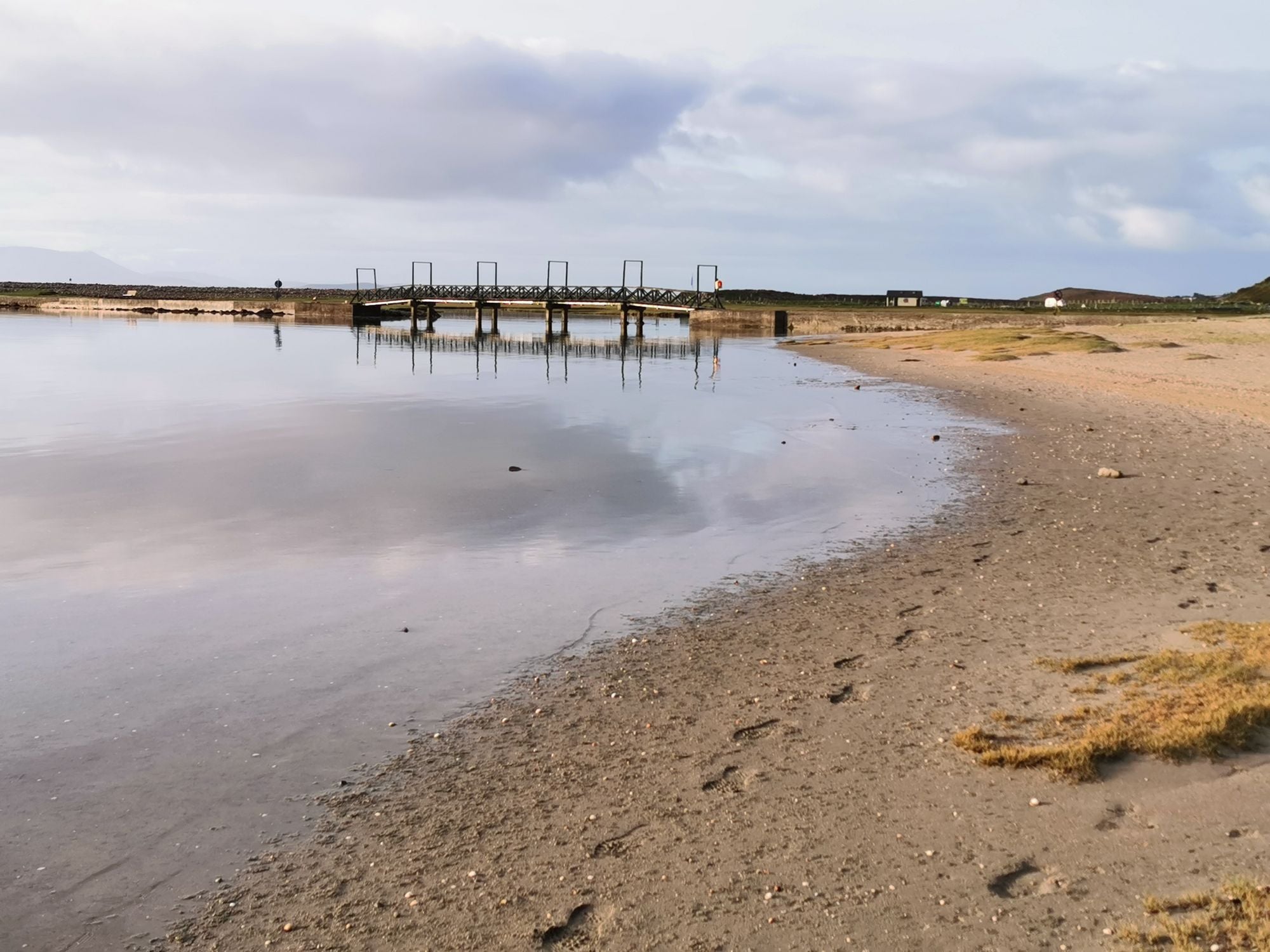
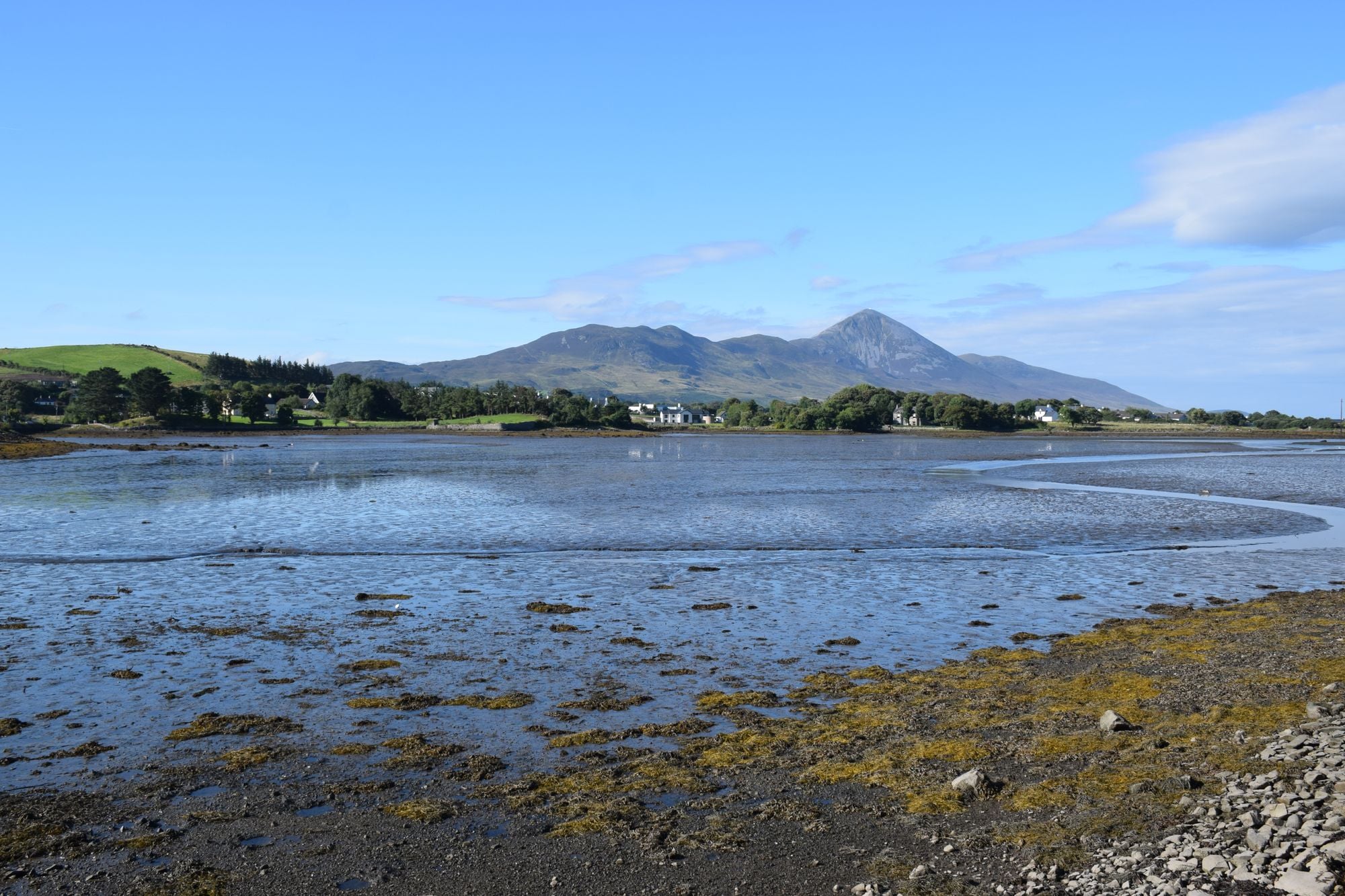
The Greenway is a largely traffic-free route along the old Westport to Achill railway line, passing through Newport, Mulranny and the Clew Bay coast. Pack for changing Atlantic conditions and a long day outdoors, even if you plan to rent a bike locally. This Ireland trip packing guide for rain and daily touring also covers a few useful items that work well before and after your ride.
Use this as a final check before leaving your accommodation, rental shop, or car. Most riders do not need specialist road-cycling equipment, but a missing waterproof or a flat tire can make a simple outing feel much longer.
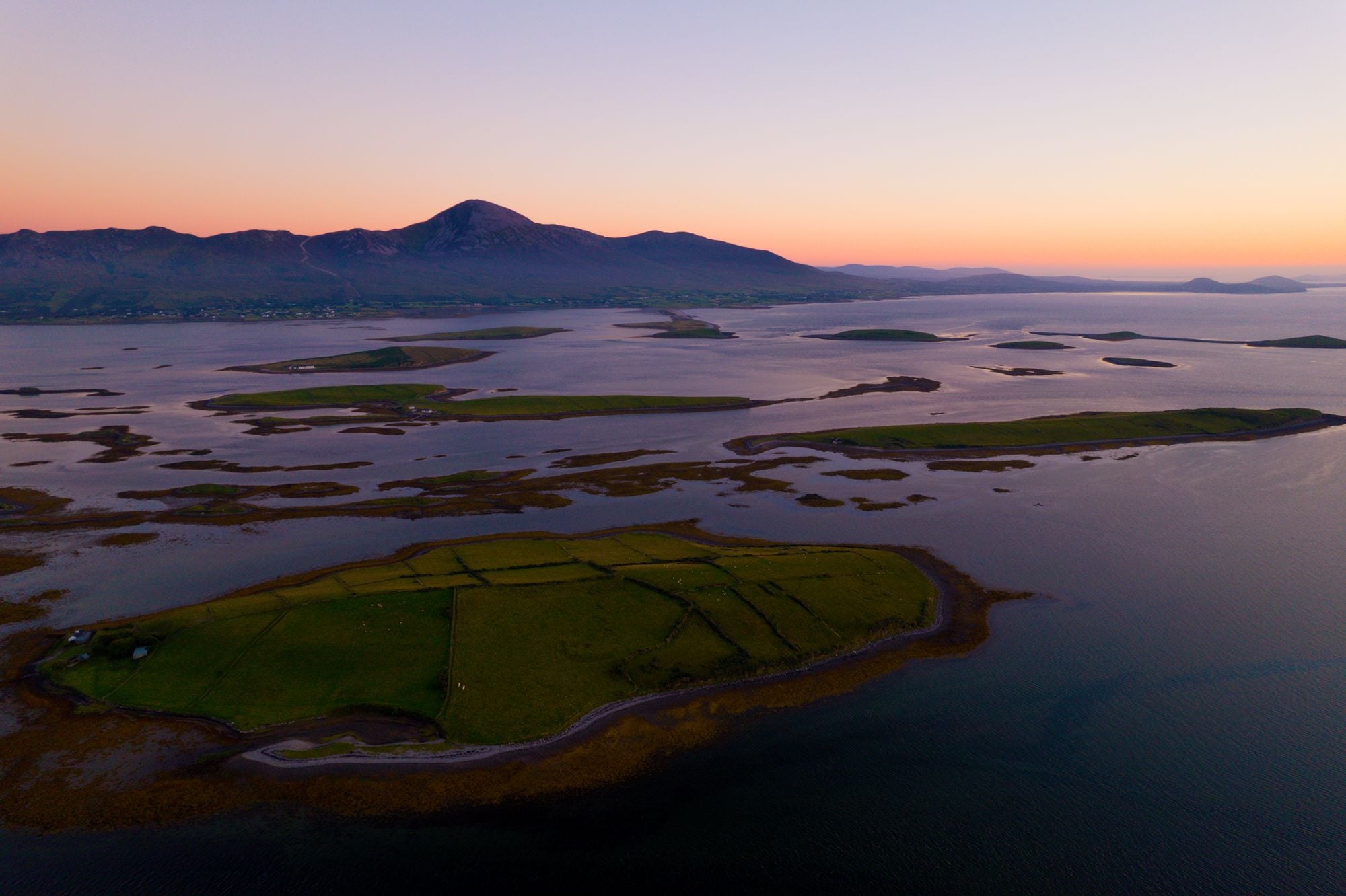
The Great Western Greenway follows a disused railway corridor across County Mayo. According to the official Great Western Greenway information from Mayo County Council, the route is approximately 49 kilometres long and can be ridden in either direction.
Its gentle railway gradient makes it manageable for many casual riders, including families using suitable bikes and confident older children. Distance still counts: a complete one-way ride commonly takes several hours once café stops, photographs, headwinds, and navigation are included. The exposed coastal stretches around Mulranny can feel notably cooler than Westport.
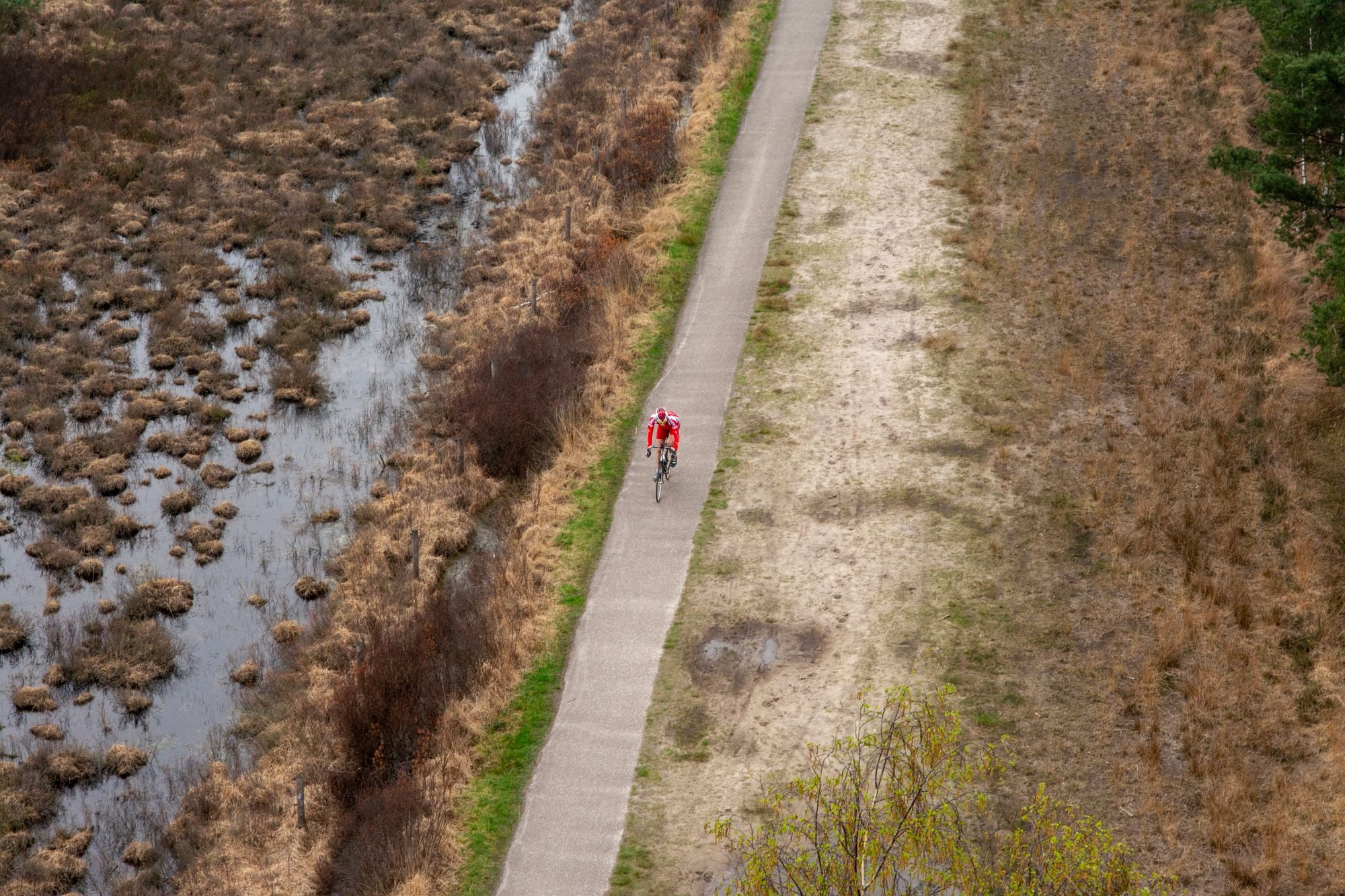
The surface is generally firm and suitable for hybrid, touring, electric, and many mountain bikes. A road bike with narrow tires may be less comfortable on loose or uneven sections. Ask a rental provider for a hybrid bike if you want an upright position, wider tires, and a more forgiving ride.
County Mayo weather can change during the same ride, with showers and wind arriving quickly from the Atlantic. Met Éireann’s historical weather data shows why layers make sense across Ireland: temperatures and rainfall vary by season, while wind can change how cold an exposed route feels.
Pack clothing you can add or remove without needing a full wardrobe change beside the trail. A jersey and rain shell may be sufficient on a mild day; spring, autumn, and cooler summer mornings often call for a mid-layer as well.
Check the local forecast on the morning of your ride and look at wind direction as well as rain. A tailwind can make one direction feel pleasantly easy; a sustained headwind can turn a relaxed plan into a steady workout.
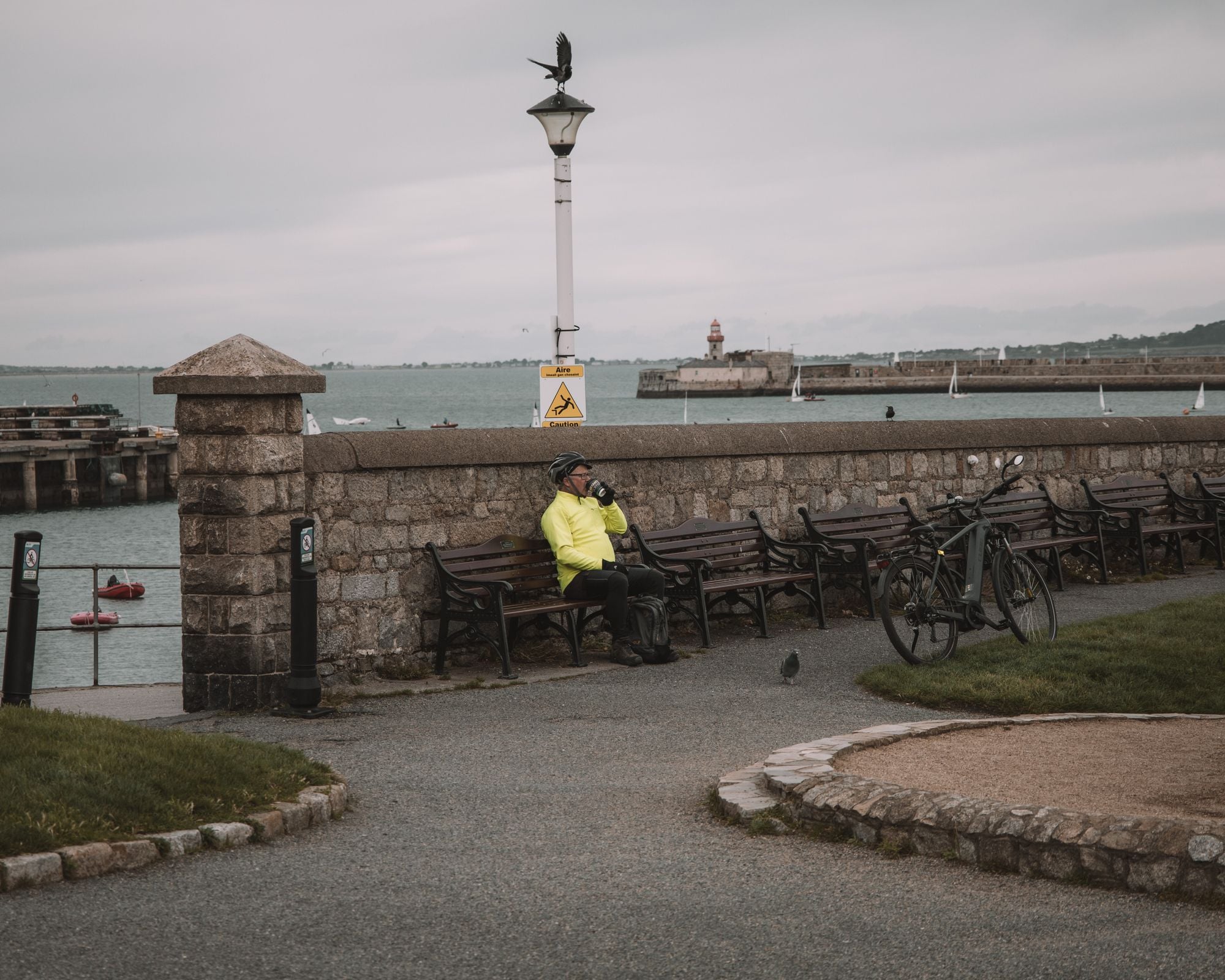
Most of the Greenway is separated from regular road traffic, but cyclists still share the path with walkers, families, dogs, other cyclists, and occasional access traffic. You will also cross or join public roads at certain points, so standard cycling safety rules still apply.
The Road Safety Authority advises cyclists to use a properly fitted helmet, check that their bicycle is roadworthy, and use lights when visibility is poor. Review the RSA’s cyclist safety guidance before your trip, particularly if you are unfamiliar with riding in Ireland.
Ride at a speed that allows you to stop safely. Slow down well before blind bends, crowded sections, gates, and road crossings; a shared Greenway is not a place to chase a personal speed record.
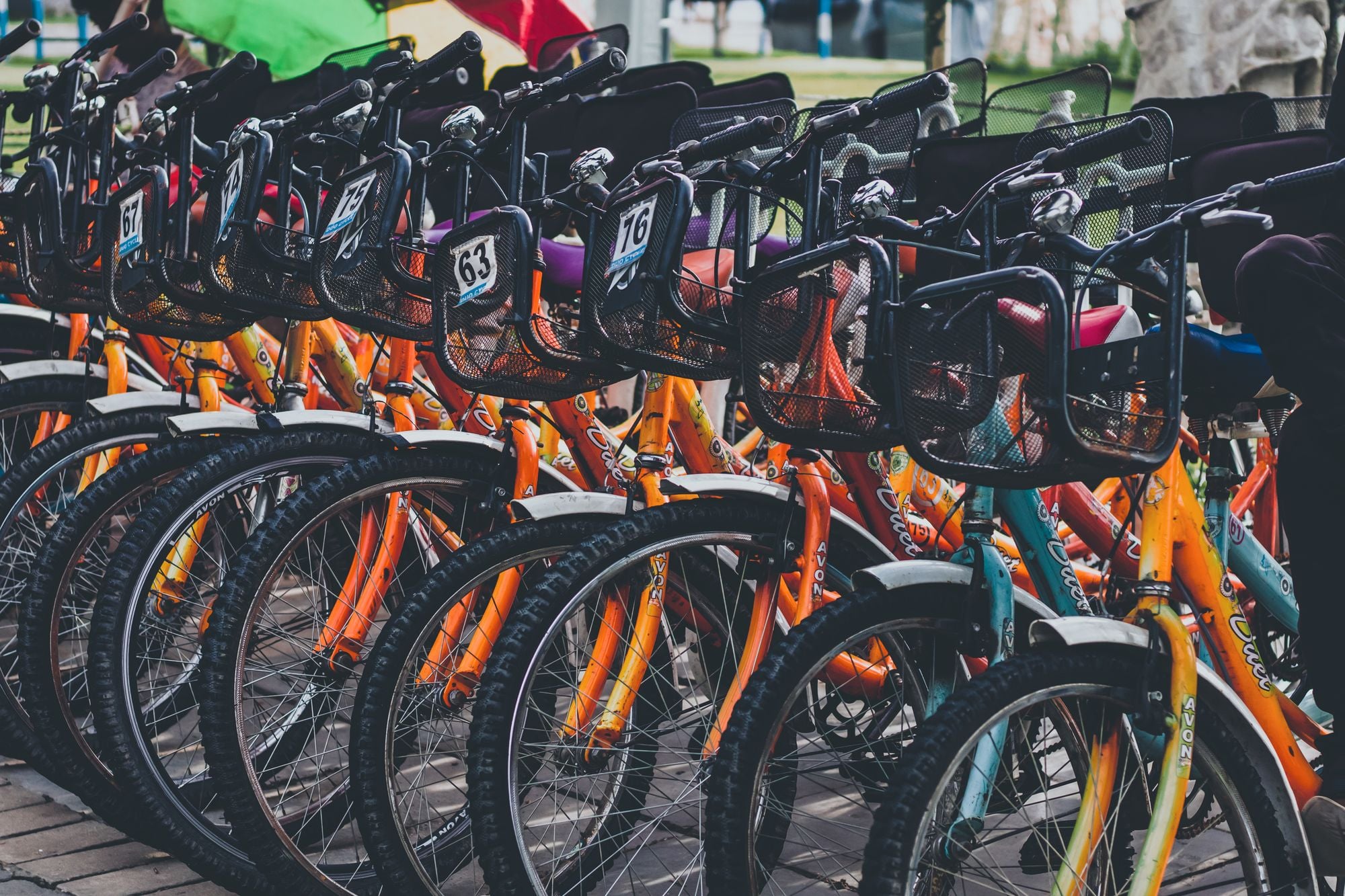
If you are renting a bike, confirm what comes with it before setting off. Many reputable providers include a lock, helmet, repair support, or collection service, though the exact package differs by operator. Ask for a phone number to use if you have a puncture, mechanical problem, or need collection.
Riders using their own bike should carry enough equipment to handle a basic puncture. A compact kit weighs little and avoids a long walk to the nearest town.
Before leaving a rental shop, test the brakes, shift through the gears, check the saddle height, and make sure you understand how to lock the bike. A saddle that is far too low is common on casual rental rides and can make knees and thighs complain early.
Bring at least one full water bottle per rider and refill whenever you stop. Carry more on a warm day, when riding with children, or when you have a long gap between planned stops. Do not rely on finding drinking-water taps along the trail.
For a full Greenway day, pack snacks with a mix of carbohydrate and protein: bananas, sandwiches, flapjacks, nuts, fruit, or oat bars all travel well. Cafés and food stops are available in route towns, but opening hours can vary outside the busier visitor season.
A light load makes the Greenway more enjoyable, especially if wind picks up. Use a small daypack only if it sits comfortably and does not trap heat against your back. Panniers or a handlebar bag can be more comfortable for a full-day ride, provided the bike has a suitable rack or mounting system.
Keep your waterproof, snack, phone, and any medication easy to reach. Put spare clothing and repair equipment in a dry bag at the bottom of your luggage. Avoid hanging loose shopping bags from handlebars, as they can interfere with steering and brakes.
Many cyclists ride the route one way and arrange a return transfer, particularly when starting in Westport and finishing near Achill Sound. Bike-hire businesses along the Greenway may offer bike delivery, pickup, or shuttle arrangements, but reserve ahead during school holidays and summer weekends.
Westport is a practical base for riders arriving by train or car, while Newport, Mulranny, and Achill offer useful options for shorter sections. A one-way plan avoids retracing the whole route, while an out-and-back ride allows more flexibility if transport bookings are unavailable.
If the Greenway is part of a larger holiday, use this first Ireland trip planning advice to help with accommodation and wider transport decisions. Book accommodation close to your intended start or finish point when you want an early start and a relaxed finish.
Heavy luggage, bulky cotton layers, large umbrellas, and fragile valuables make cycling harder without adding much value. Leave suitcases at your accommodation or use a luggage-transfer service if your itinerary includes an overnight stop.
Skip expensive jewelry and keep cameras protected when not in use. A phone can handle most route photos, and a small waterproof pouch is easier to manage than a loose camera bag while riding.
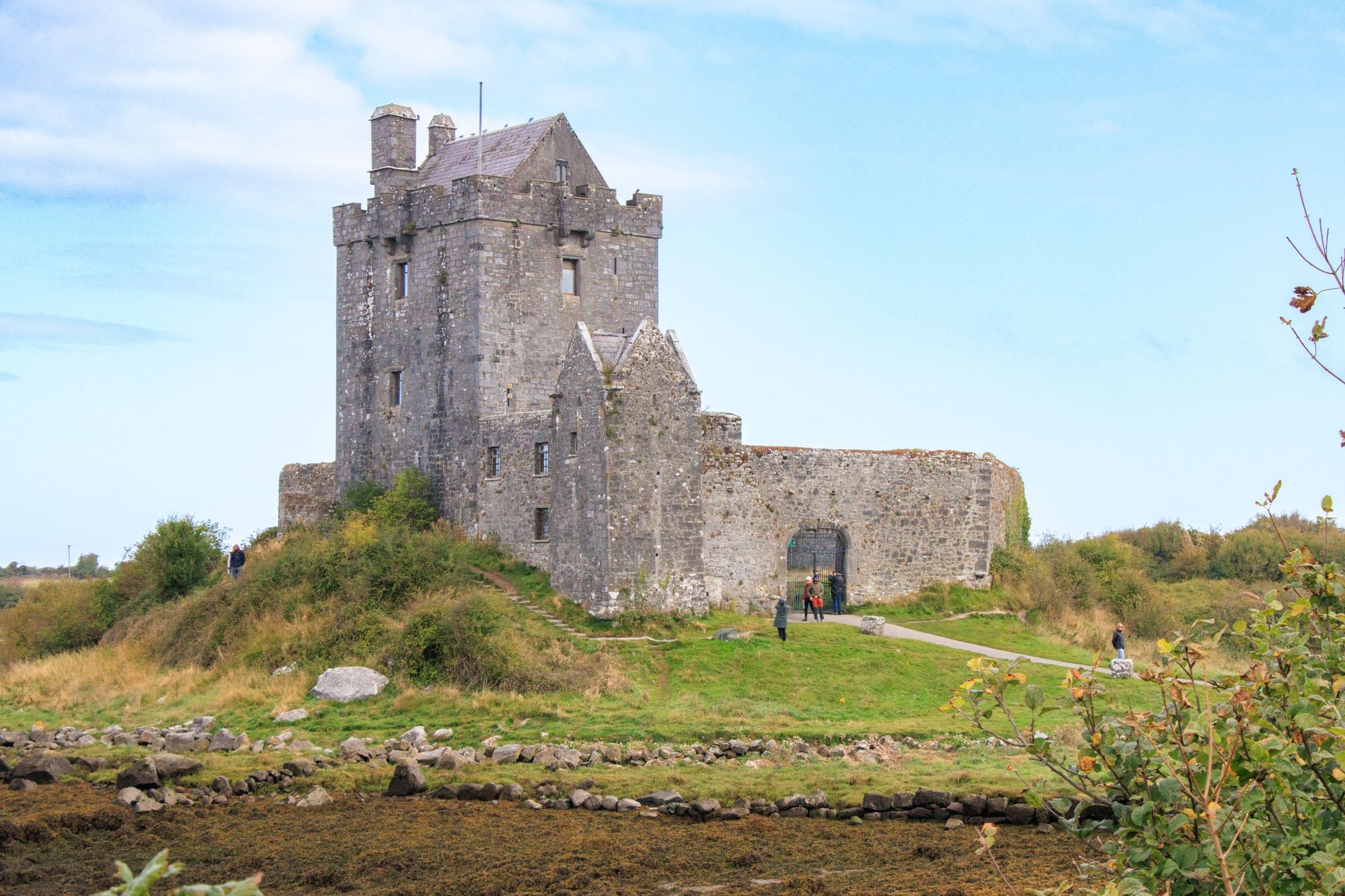
Families should pack more food, water, and dry layers than they expect to use. Younger riders can become cold or hungry quickly after stopping, even on a mild day. Confirm the availability and weight limits of child seats, trailers, tag-alongs, and children’s bikes with the rental provider before booking.
Choose a shorter section if it is a child’s first longer ride. The Newport to Mulranny area is often a better family-sized outing than committing to the full route, particularly if the forecast is unsettled.
No. A hybrid bike is usually a practical choice for the Great Western Greenway because it combines a comfortable upright position with tires that handle mixed compact surfaces well. Electric bikes are also useful for riders who want extra help over the full distance or into a headwind.
Allow a full day for a relaxed one-way ride of the approximately 49-kilometre route, including stops for food, views, photographs, and breaks. Faster cyclists may cover it more quickly, but weather, wind, group pace, and transfer arrangements affect the schedule.
Bringing your own helmet gives you a known fit and can be especially useful for children. Rental providers may supply helmets, but ask when booking because stock, sizes, and included equipment differ.
Yes, provided conditions are safe and you have a waterproof jacket, warm layers, working lights, and sensible footwear. Slow down on wet surfaces, leave extra space around other trail users, and consider shortening the route if strong winds or poor visibility are forecast.
Route towns such as Newport and Mulranny have places to eat and buy supplies, but availability can be reduced outside peak visitor periods. Carry water and enough snacks to cover the full ride in case a planned stop is closed or crowded.

Matt Hook is a Canadian writer of Scottish and Irish heritage. He built his writing career creating detailed gaming guides, turning complex mechanics, history and lore into useful information for readers. Matt brings that same research-focused approach to Ireland Wide, where he writes about Irish travel, heritage, history and culture. He also holds CMA and CPA designations as a professional accountant, giving him a strong background in research, accuracy and attention to detail.
At Ireland Wide, our aim is to bring authentically Irish insights to you, wherever you are.
Whether you have some feedback or would like to offer some of your own insights for everyone else to explore, don't hesitate to get in touch with us!