A Gougane Barra Forest Park walking packing list should begin with waterproof clothing, footwear with grip, food, water and a fully charged phone. The wooded paths and mountain setting can make even a short walk feel a bit more serious once rain, mud or low cloud roll in, so pack for the conditions rather than the distance alone.
Gougane Barra is in west County Cork, at the source of the River Lee. It is well worth a walking day, but honestly, it is not the sort of outing to tackle in trainers and a light jacket just because the forecast looked friendly at breakfast.
Check Conditions Before Your Gougane Barra Walk
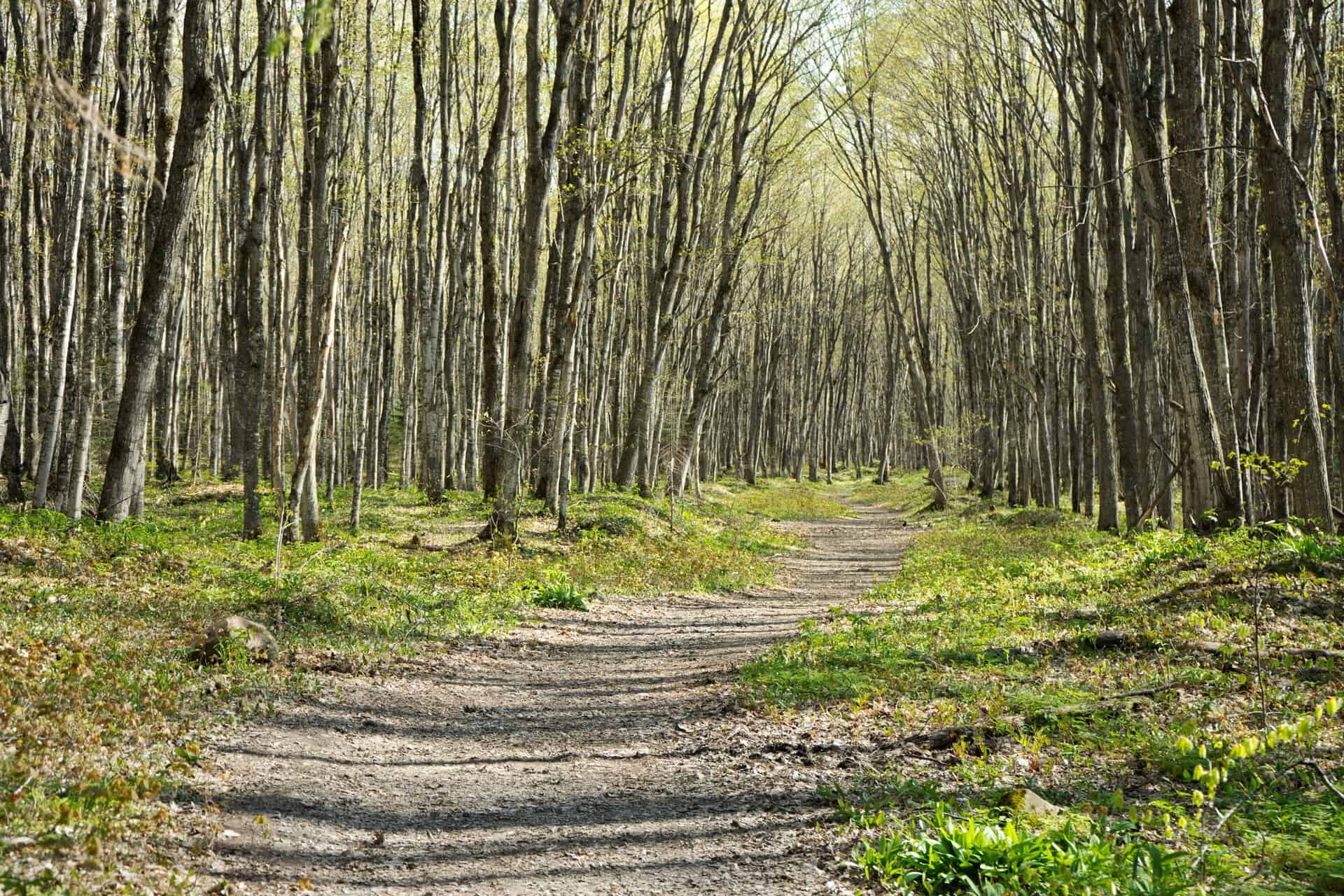
Check the forecast on the morning of your trip, then have another look before leaving. Met Éireann’s local forecasts and rainfall radar are useful for spotting incoming showers, stronger winds and falling visibility. Weather in the Cork mountains can change quickly enough that an extra layer is a very sensible use of bag space.
Choose a route that suits the available daylight, your group and the ground conditions. Coillte manages the forest park and publishes visitor information for Gougane Barra Forest Park, including its waymarked walks. Read any notices before you set out, particularly after heavy rain or high winds, when forest operations, fallen trees or poor ground may affect access.
- Check the route length and give yourself time for stops, slow ground and the return walk.
- Tell someone your intended route and a realistic return time.
- Download a map before arrival; a phone map is useful, though it should not be your only plan.
- Bring a small amount of cash or a payment card for any parking or local purchases, if needed.
A paper map or printed route note is still handy if your battery runs down. Slightly old-fashioned, admittedly, but paper does not become 2% battery just as the rain starts. For another practical example of planning a day in a forest park, see this Ards Forest Park guide.
Clothing and Footwear for Wet Forest Trails
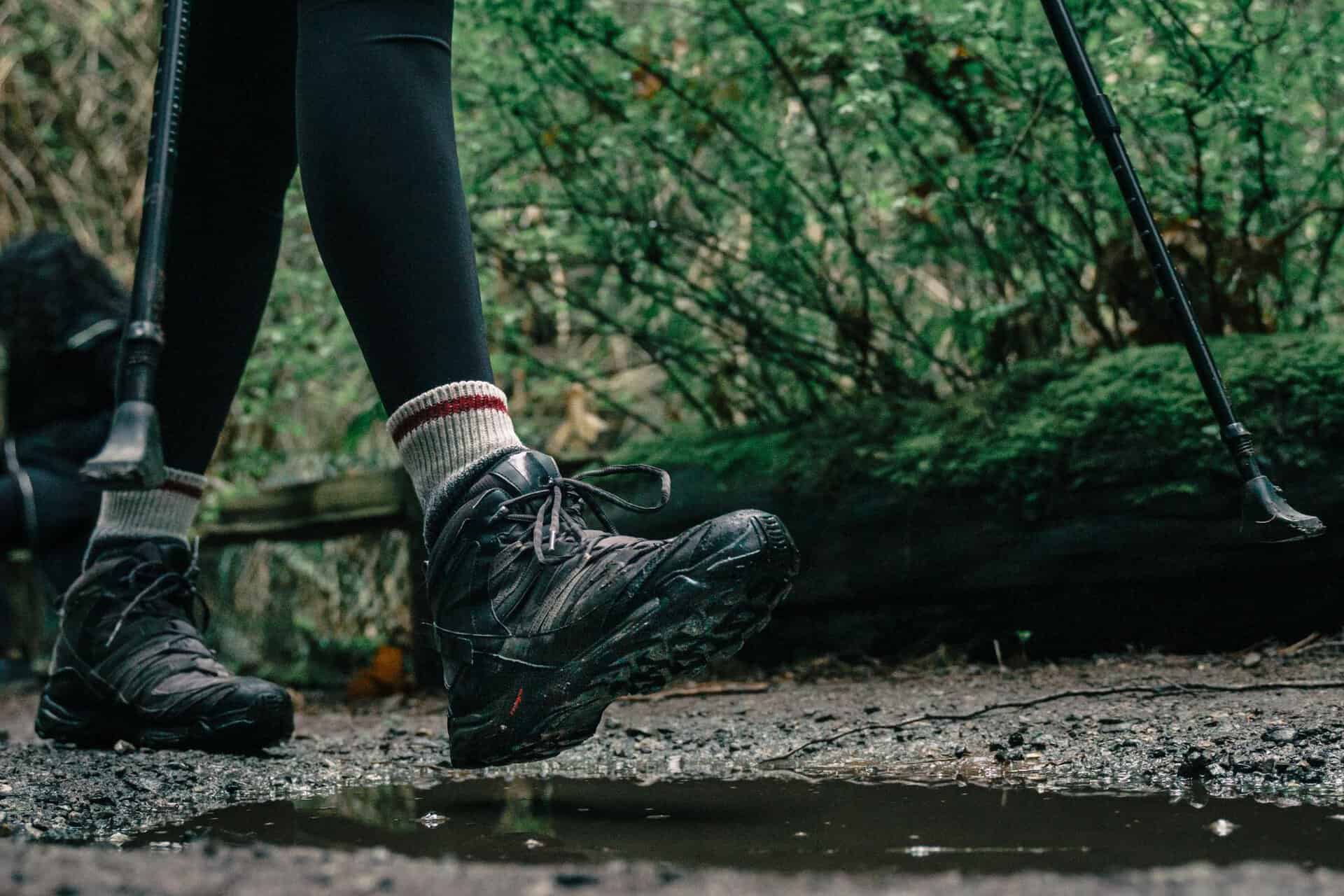
The clothing system is simple: a waterproof outer layer, a warm mid-layer and a quick-drying base layer. Avoid cotton where possible, as it stays damp and can become chilly when you stop. Even in summer, carry a fleece or light insulated layer in the day bag.
- Waterproof jacket with a hood, ideally one you have worn in rain before.
- Waterproof trousers for sustained rain, wet vegetation or a longer walk.
- Walking boots or trail shoes with reliable tread; waterproof boots help on sodden ground.
- Warm socks, plus a spare pair stored in a sealed bag.
- Hat and gloves in cooler months, or whenever wind and rain are forecast.
- Cap, sunglasses and sunscreen for clear spells. Irish weather does enjoy a change of mood.
Boots do not need to be heavy expedition models for every marked trail, but they should be broken in. New boots and damp descents are a poor pairing. For broader packing advice before travelling, see our Ireland trip essentials for rain and walking. If Killarney is also on your route, this Killarney National Park day-trip packing list covers similar basics for a day outdoors.
Day-Bag Essentials for Food, Water and Navigation
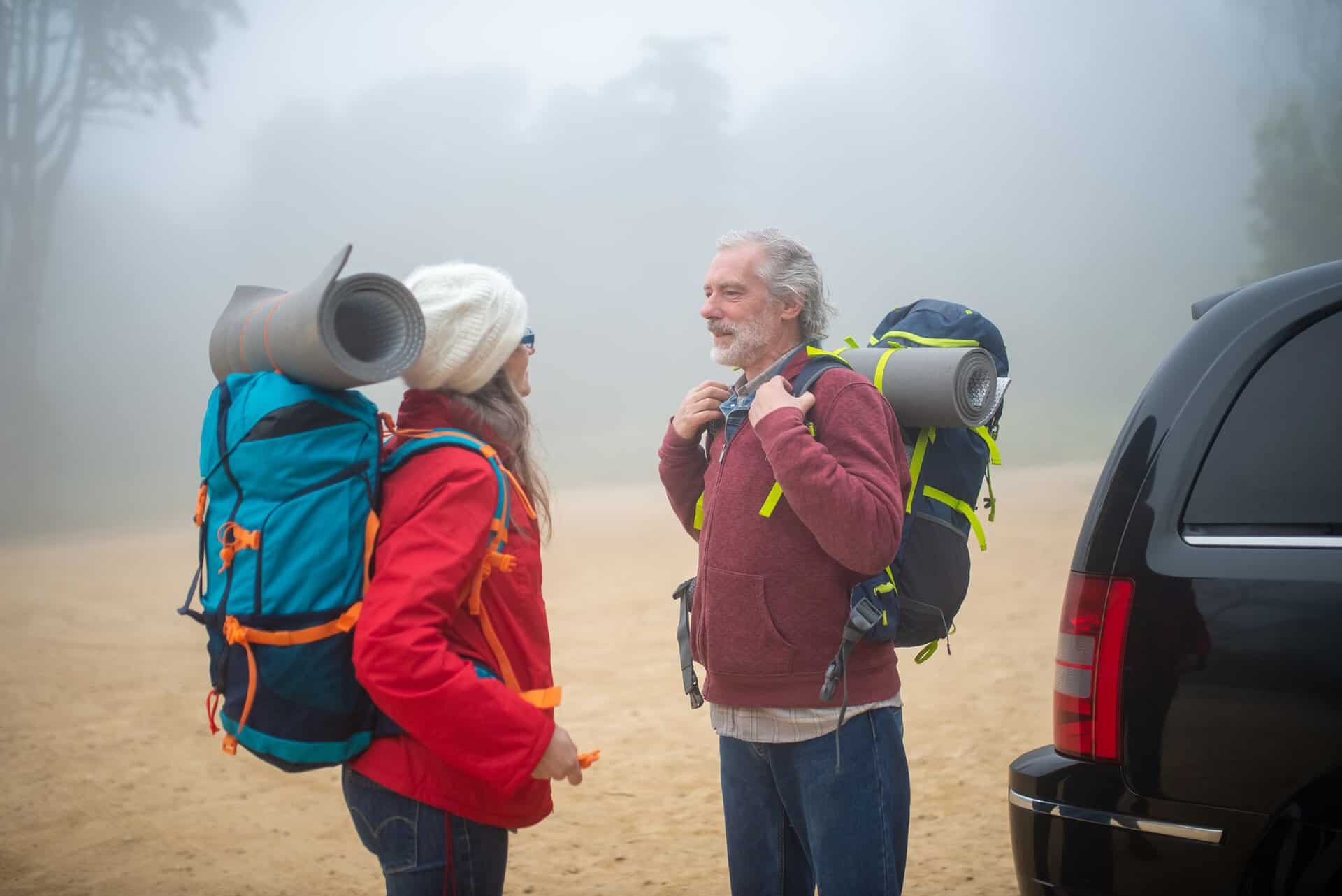
Use a comfortable small backpack with room for layers and a waterproof liner or dry bags. A rain cover helps, though a liner is the more dependable safeguard for a phone, lunch and spare clothes once the weather gets properly wet.
- Water: bring enough for the full walk. Do not rely on untreated stream water.
- Food: pack a sandwich or substantial snack, plus high-energy items such as fruit, nuts or cereal bars.
- Navigation: charged phone, offline map and a power bank; bring a paper map if walking beyond the easiest signed routes.
- Safety items: basic first-aid kit, whistle, blister plasters and any personal medication.
- Practical extras: tissues, hand sanitizer, rubbish bag and a small sit mat if you expect a break outdoors.
Keep your phone in an accessible waterproof pouch, rather than loose in a jacket pocket. It is useful for mapping and emergencies, but save battery by switching off apps you do not need and carrying a power bank for a longer day. If you are driving around the west before or after your walk, our Connemara, Galway and Mayo road-trip packing list is a decent shout for weather gear and driving essentials.
What to Add for a Longer or Family Walk
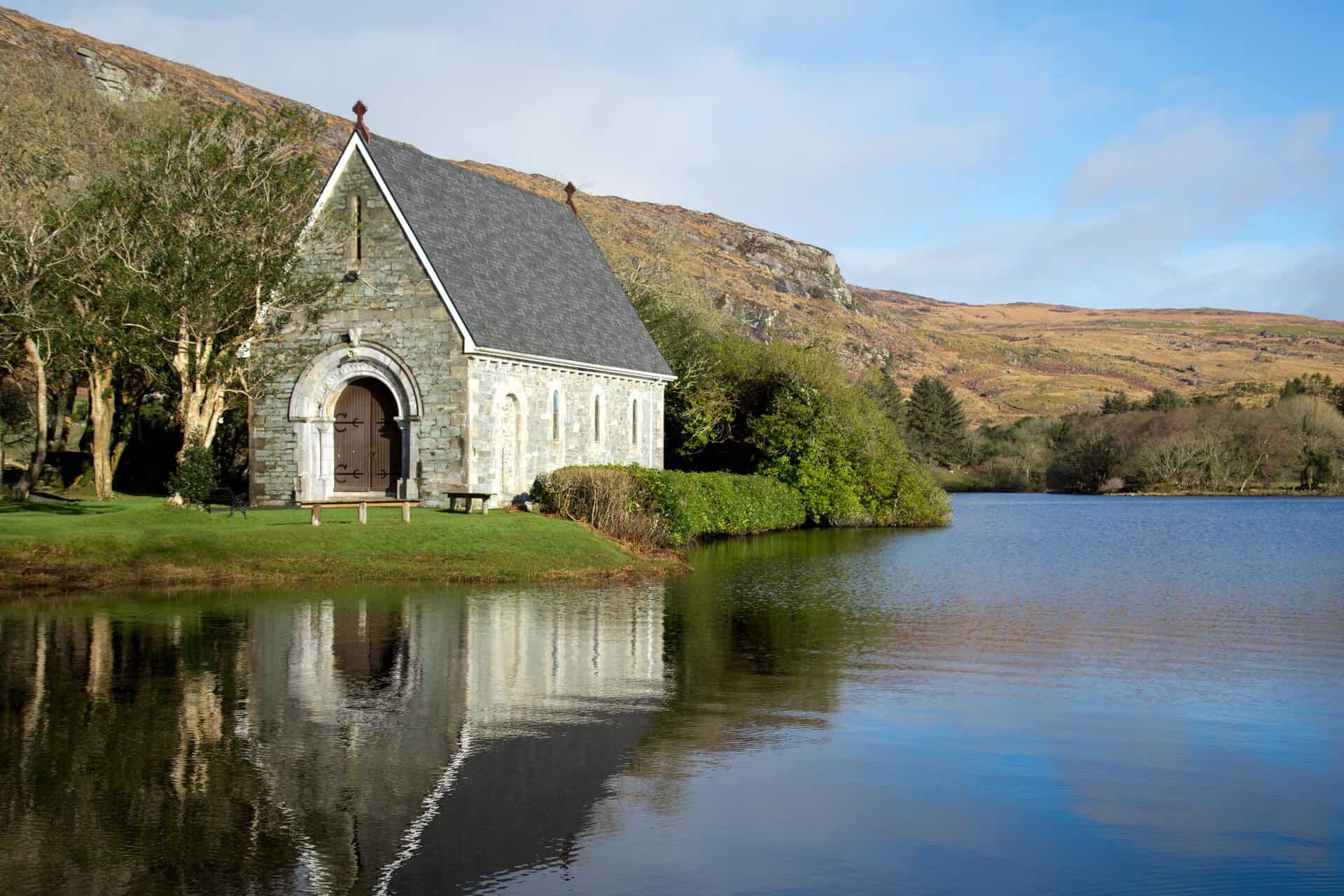
A straightforward circuit near the park’s facilities needs less equipment than a longer route in changeable weather. Add a headlamp if there is any chance of finishing near dusk, even in summer. It weighs very little and removes one avoidable problem.
For children, bring extra snacks, a full change of clothes in a dry bag, and warm layers they can put on before they are cold. Keep the route modest and turn back early if conditions worsen. Wet socks can ruin morale with astonishing speed.
Photography gear should stay protected too. A compact camera, spare battery and microfiber cloth are easier to manage than a large bag of equipment on a wet trail. Leave valuables in secure accommodation or out of sight in a locked vehicle, and take all litter home.
If you are building a longer County Cork itinerary, the Blackwater Way hiking packing checklist covers the additional equipment needed for an overnight or multi-day walking trip. For a separate route-planning example, the Ballyvaughan Wood Loop guide covers parking and walking tips for a moderate woodland route.
Frequently Asked Questions
Do I Need Hiking Boots for Gougane Barra Forest Park?
Walking boots are a sensible choice for wet, uneven or muddy trails because they provide better grip and ankle support. Trail shoes may suit a short, dry walk on a well-surfaced route, but check conditions first.
Should I Bring Waterproof Trousers?
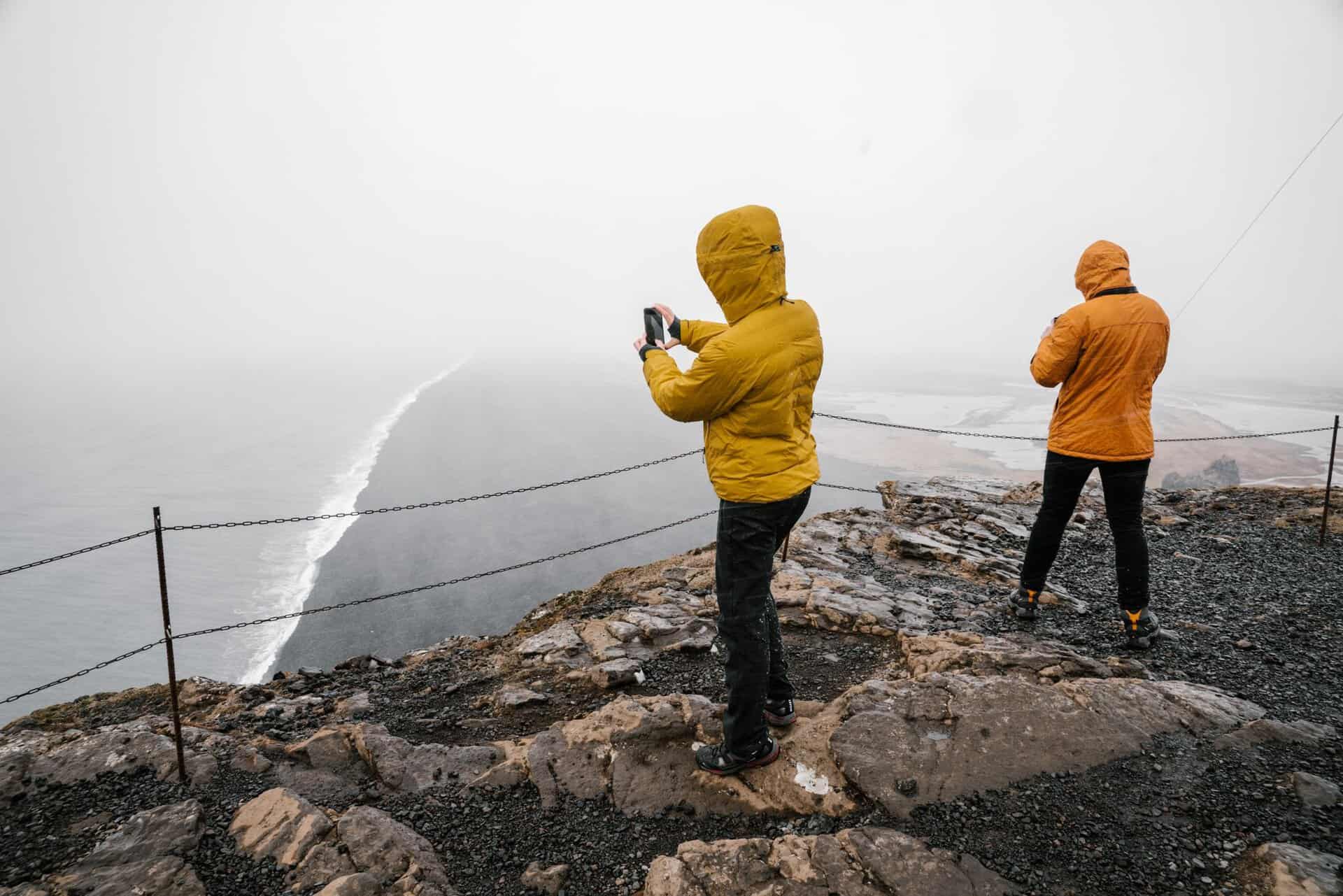
Bring waterproof trousers when rain is forecast, after prolonged wet weather or for a longer walk. They are also useful on narrow paths where wet grass and overhanging vegetation can soak ordinary trousers quickly.
Can I Rely on My Phone for Navigation?
A phone with an offline map is useful, but carry a power bank and know the route before setting out. For longer walks or poor visibility, take a paper map and avoid depending on mobile coverage alone.