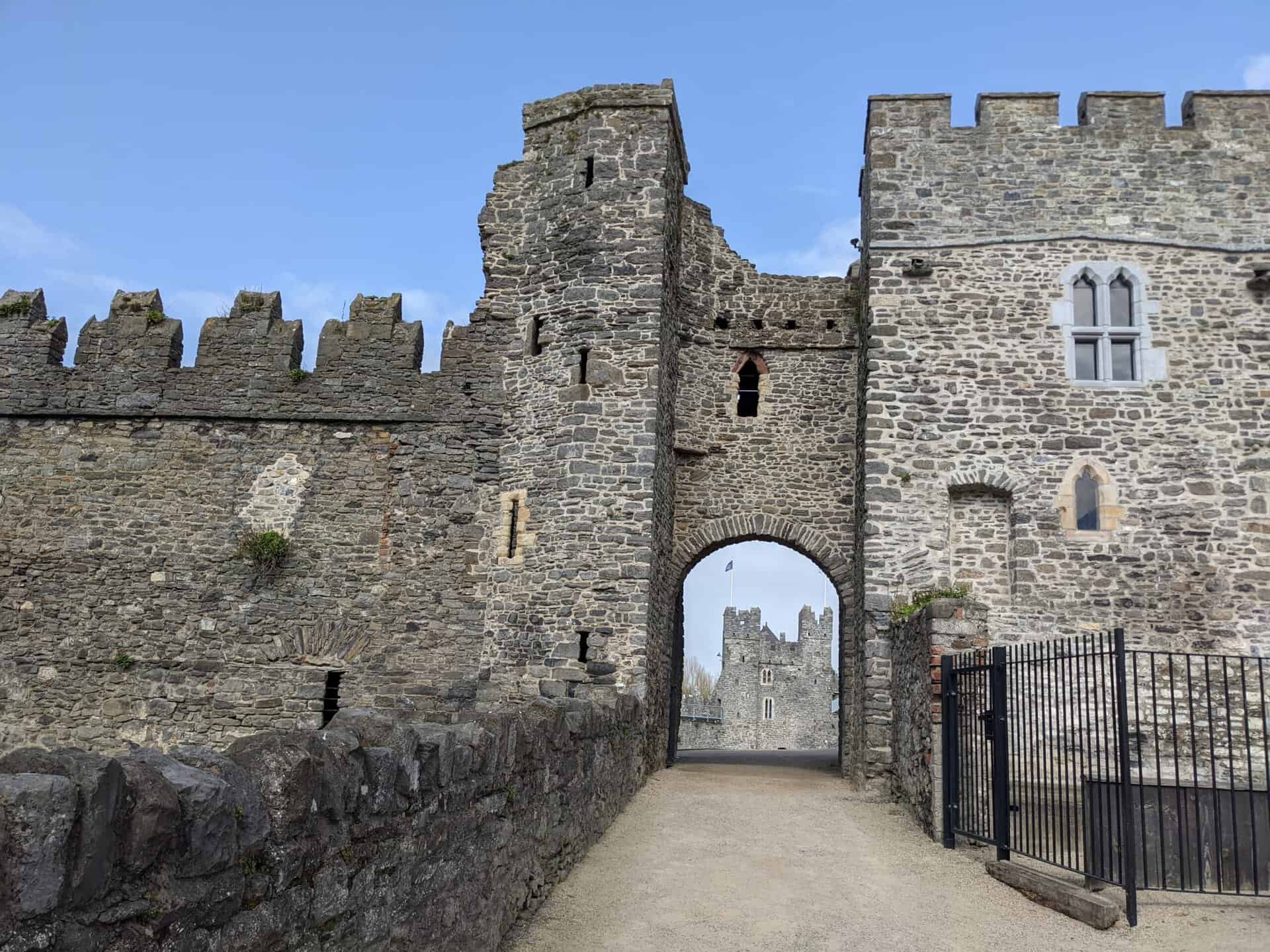
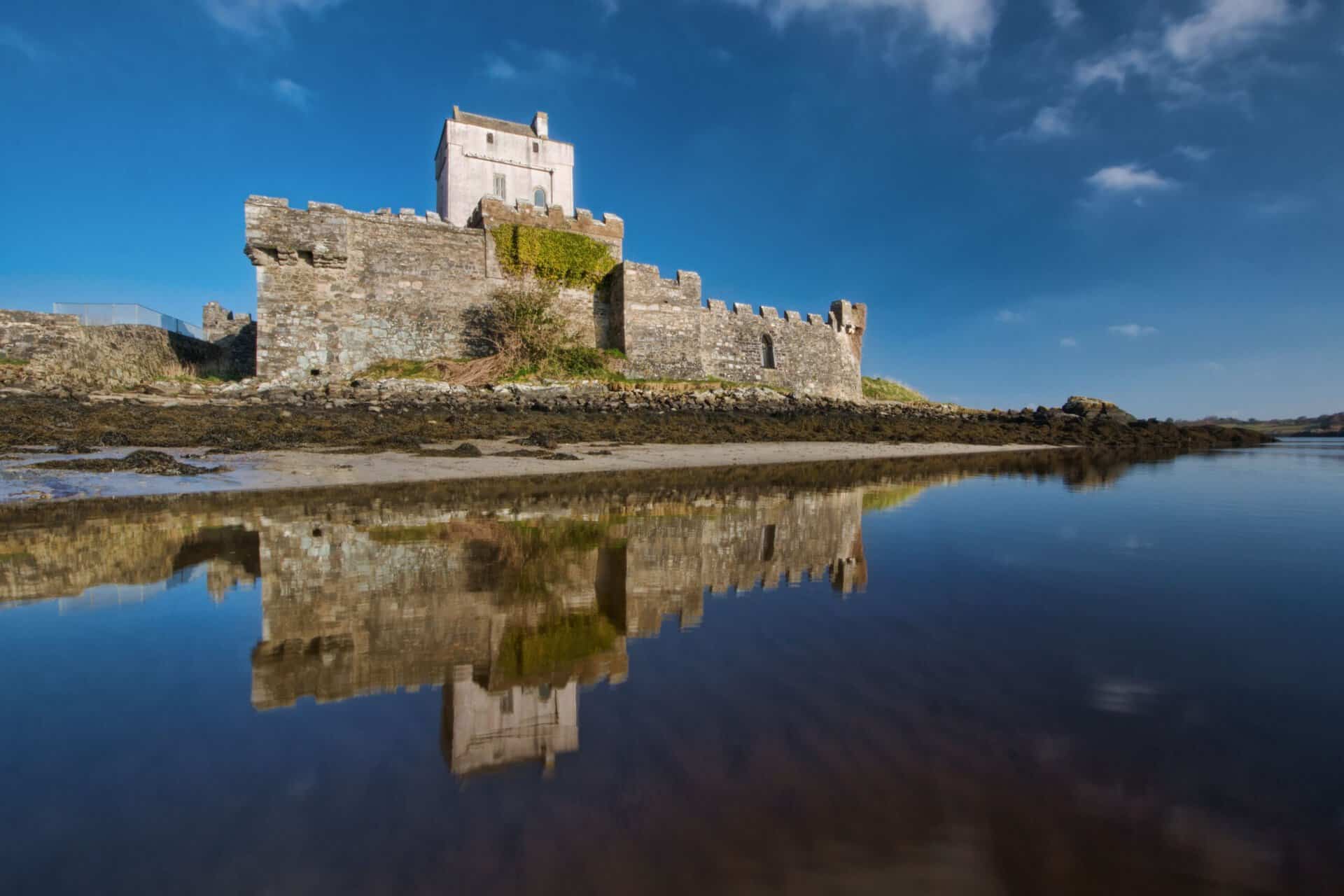
Donegal Castle is worth visiting if you want an easy, central historic stop in Donegal Town with real depth behind it. It suits first-time County Donegal trips, families, rainy-day plans, and anyone curious about Gaelic lordship and Jacobean rebuilding, though people with limited mobility should plan carefully because access is restricted in places.
For a wider shortlist, our guide to the best castles in Ireland helps place Donegal Castle in context. If you are building a county itinerary, this Donegal Castle Visitor Guide focuses on the practical details that matter once you have decided to go, especially if it is part of a 7 day Ireland itinerary or a broader west coast of Ireland trip.
Search by castle, county or nearby town, then click a marker to open the complete IrelandWide visitor guide.
| County | County Donegal |
|---|---|
| Jurisdiction | Republic of Ireland |
| Castle Type | Tower house with later Jacobean manor additions |
| Century / Built Date | 15th century, often dated to around 1474 |
| Builder / Associated Families | O’Donnell chieftains; later associated with Sir Basil Brooke |
| Current Status | Restored state-managed monument in the centre of Donegal Town |
| Interior Access | Yes, including restored interior spaces and interpretive displays |
| Typical Visit Time | About 45 to 60 minutes |
| Coordinates | Not confirmed here. Use the official map before travel. |
| Parking | No dedicated on-site parking confirmed here. The castle is in Donegal Town centre, so most people use town parking. |
| Public Transport | Donegal Town centre location; onward access depends on bus schedules into town |
| Accessibility | Limited access; steep stairs and historic fabric make full access difficult |
| Toilets | Yes |
| Food | No on-site restaurant confirmed by the official operator page used here; cafés and pubs are nearby in town |
| Family Suitability | Good for families with children old enough for stairs and museum-style interpretation |
| Official URL | Heritage Ireland: Donegal Castle |
| Changing Details | Tickets and opening hours checked July 2026 on the official operator site |
Donegal Castle stands on Castle Street in Donegal Town, close to the River Eske and a short walk from The Diamond. The location is part of the appeal. You do not need a long detour, a hill climb, or a full-day commitment.
The castle sits in the heart of town and includes exhibition material, guided tours, toilets, and card payment facilities. That makes it one of the easier historic sites in Donegal to fit into a day that already includes lunch, shopping, or a drive along the Wild Atlantic Way.
If you are also comparing other stops in the county, our County Donegal travel guide is the natural next read.
The official operator lists daily opening from 9:00 to 18:00, with last admission at 17:15. These details can change seasonally, so check before you go.
Admission listed by the official operator is Adult €5.00, Group/Senior €4.00, Child/Student €3.00, and Family €13.00. Those are straightforward prices for a state-run monument in a town-centre location, and it remains one of the cheaper heritage stops if you are trying to keep a longer 10 day Ireland itinerary on budget.
Because this is a short visit, the smartest timing is usually either early in the day or late afternoon, when you can pair it with Donegal Town without turning the castle into your entire plan. In summer, that also helps you dodge the busiest stretch of the afternoon coach and car traffic through town.
The documented outline is fairly clear. The castle was built in the 15th century by the O’Donnell chieftains, usually dated to around 1474. Donegal was the seat of a powerful Gaelic family whose territory, Tyrconnell, covered much of the northwest.
A later episode often repeated in guide material says Red Hugh O’Donnell set the castle on fire before leaving for Spain after the Battle of Kinsale so it would not fall into English hands. That story appears in official visitor material and remains part of the site’s accepted narrative, though the quick version naturally smooths over a messy period of war, retreat, and shifting control.
What is firmly documented is that Sir Basil Brooke became lord of the castle in 1616 and added a substantial manor house in Jacobean style. That later rebuilding is what gives Donegal Castle its mixed character. You are not looking at a pure medieval stronghold frozen in one period. You are looking at a Gaelic castle reshaped by plantation-era power.
The complex later declined and fell into ruin. The castle was restored in the 1990s, which explains why parts of the interior feel more legible than at many Irish ruins and why the rooms make more sense than the usual pile-of-stone experience.
The big draw is the combination of medieval tower-house bones and 17th-century domestic detail. You are not just circling exterior walls. Inside, the restored spaces and information panels make the place easier to read than many castles where you spend half the visit guessing what room you are in.
Look for the manor house beside the tower, the restored timber roof, the spiral stair, and the ornate chimney-piece associated with Sir Basil Brooke. The setting by the River Eske also helps. Even before you step inside, the castle feels tied to the town rather than stranded outside it.
For people building a broader castles itinerary, our Donegal Abbey guide and Glenveagh Castle visitor guide make good companion reads. They show just how different two Donegal heritage sites can feel. If castle-hopping is the whole point of your trip, our castles to stay in Ireland guide is useful for the overnight side of the plan too.
The official listing notes limited access and assistance dogs only. That is the key practical warning. This is a restored historic structure, not a fully step-free museum building.
Heritage Ireland also provides a social guide for first-time visitors, families, and people with developmental or learning disabilities. That is genuinely useful planning material, especially if someone in your group prefers to know the setting in advance.
For families, Donegal Castle is usually a good call because it is short, central, and visual. Children who like towers and staircases will likely enjoy it more than a roofless ruin in a field. Very young children may need close supervision around stairs and stone edges. Pushchairs are not much fun on this sort of layout, so a baby carrier is often the easier move.
The best exterior angles usually come from spots that show the castle with the River Eske and the town setting together. You are trying to capture the castle as part of Donegal Town, not as an isolated monument.
Inside, light can be uneven. If you are using a phone, steady it against a wall or railing where permitted and avoid rushing through darker rooms. The restored timber elements and the carved chimney-piece reward slower shots more than wide snapshots.
Rain is not a deal-breaker here. In Donegal, that barely narrows the options. A grey sky often suits the stonework better than harsh midday sun, and wet streets around town can give you a nicer reflection shot if you do not mind waiting out a shower.
Donegal Abbey is the obvious companion stop because it is also in town and adds a monastic counterpoint to the castle’s secular and military story.
The Diamond works as your practical hub for cafés, shops, and a short break before or after the castle.
If you are driving and want another official heritage site, Newmills Corn and Flax Mills is listed by Heritage Ireland at about 36.1 km from Donegal Castle. It is a very different kind of stop, focused on industrial heritage rather than lordship and warfare.
Two other Heritage Ireland suggestions are Seán Mac Diarmada Cottage, about 37.5 km away, and Glebe Gallery and Garden – Derek Hill House, about 41.0 km away. Those are good options if your trip mixes history with art or modern Irish history.
Yes, especially if you are already in Donegal Town or passing through southwest Donegal. It is affordable, central, historically significant, and restored enough to feel readable without losing its age.
If your ideal castle is a huge ruin with long walks and dramatic isolation, this may feel modest. If you like compact sites where the history is easy to follow and the logistics are simple, Donegal Castle does the job very well. Plenty of people come away pleasantly surprised by how much there is to see in such a manageable footprint, though anyone expecting a half-day castle experience may be finished faster than planned.
The official operator lists admission at €5 for adults, €4 for seniors and groups, €3 for children and students, and €13 for families. Check the official site before travel in case prices change.
About 45 to 60 minutes is enough for most people. Add a little more time if you like reading every display or plan to photograph the interior carefully.
Yes. Interior access is part of the appeal here, with restored rooms, stairs, and interpretive panels that explain the O’Donnell and Brooke phases of the site.
Yes, for families comfortable with stairs and close supervision in a historic building. Its town-centre location makes it easy to combine with lunch or a short walk.
Only partly at best. The official information notes limited access, and historic stairs make full circulation difficult, so it is important to check access details before visiting.
The castle is in Donegal Town centre, but I have not confirmed a dedicated official castle car park here. Most people use town parking and walk over.
For the most reliable practical information, start with the official Donegal Castle page. For the broader historic setting, Discover Ireland’s Donegal Castle listing is useful as a secondary reference.
If you are road-tripping across the island, our best castles in Ireland guide is the best wider comparison point. Donegal Castle will not be the largest castle you see in Ireland, but it is one of the easiest to understand in a single visit, and that counts for a lot.

Dan is the founder and editor of Ireland Wide. Born and raised in Ireland, he researches the country’s history, mythology and cultural traditions using museum collections, heritage authorities and historical sources. He leads the site’s editorial team, with a particular focus on distinguishing documented history from later folklore and modern interpretations.
At Ireland Wide, our aim is to bring authentically Irish insights to you, wherever you are.
Whether you have some feedback or would like to offer some of your own insights for everyone else to explore, don't hesitate to get in touch with us!