The literary sources for Diarmuid and Gráinne include manuscript copies of Tóruigheacht Dhiarmada agus Ghráinne, published in English as The Pursuit of Diarmuid and Grainne, and printed editions dating from 1857. These texts give readers of Irish literature a route into the pursuit tradition.
This reading guide identifies two manuscript witnesses, outlines the printed editions and translations, and explains how the separate Middle Irish poem Díarmait’s Sleep relates to the prose pursuit.
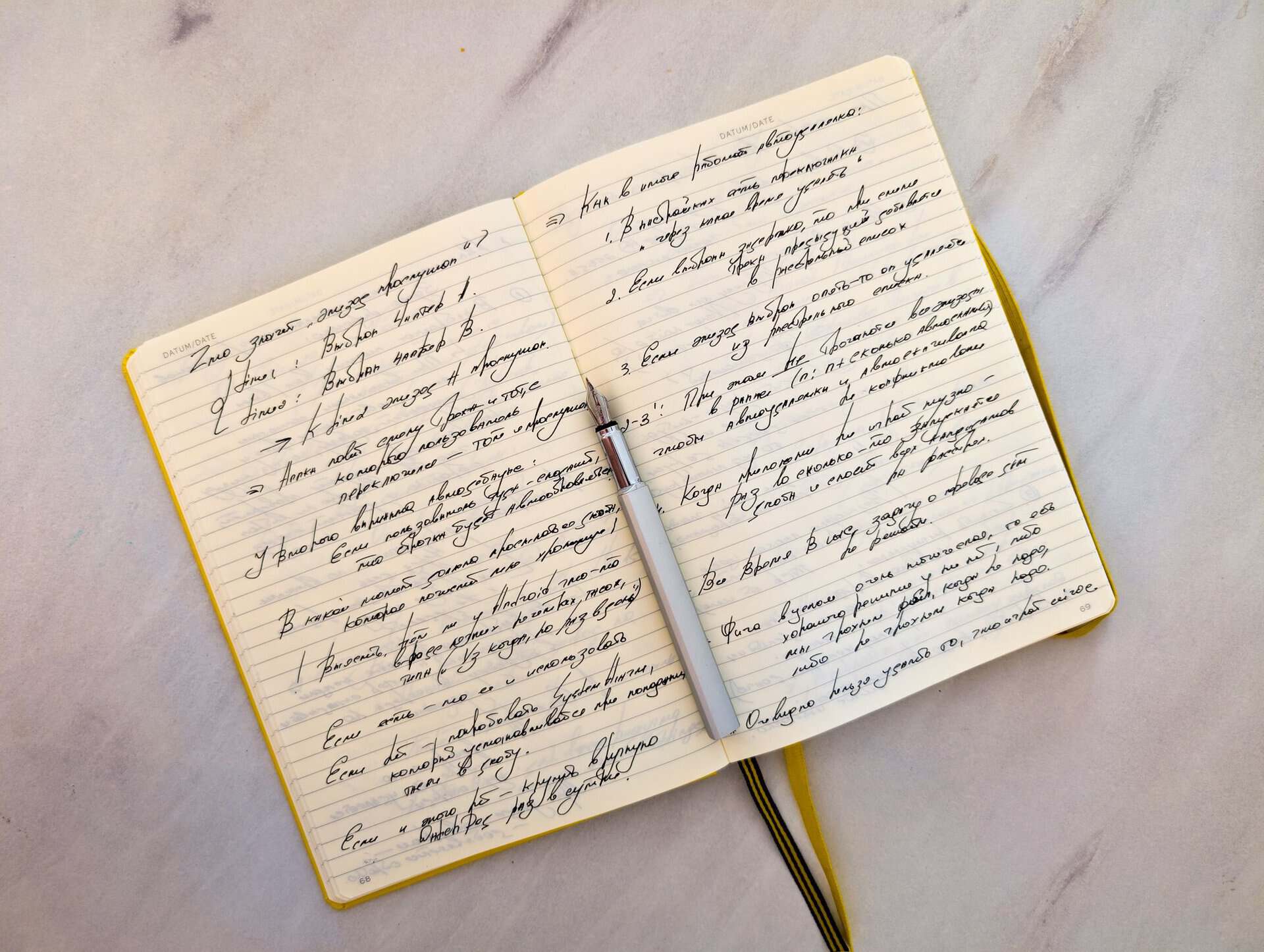
Two manuscript witnesses at UCC preserve different amounts of the tale:
A manuscript witness is a surviving copy of a text, or part of one. It isn’t necessarily the author’s original, and an opening fragment shouldn’t be mistaken for a complete version. To examine images of these manuscripts, follow the Irish Script on Screen links in the manuscript bibliography.
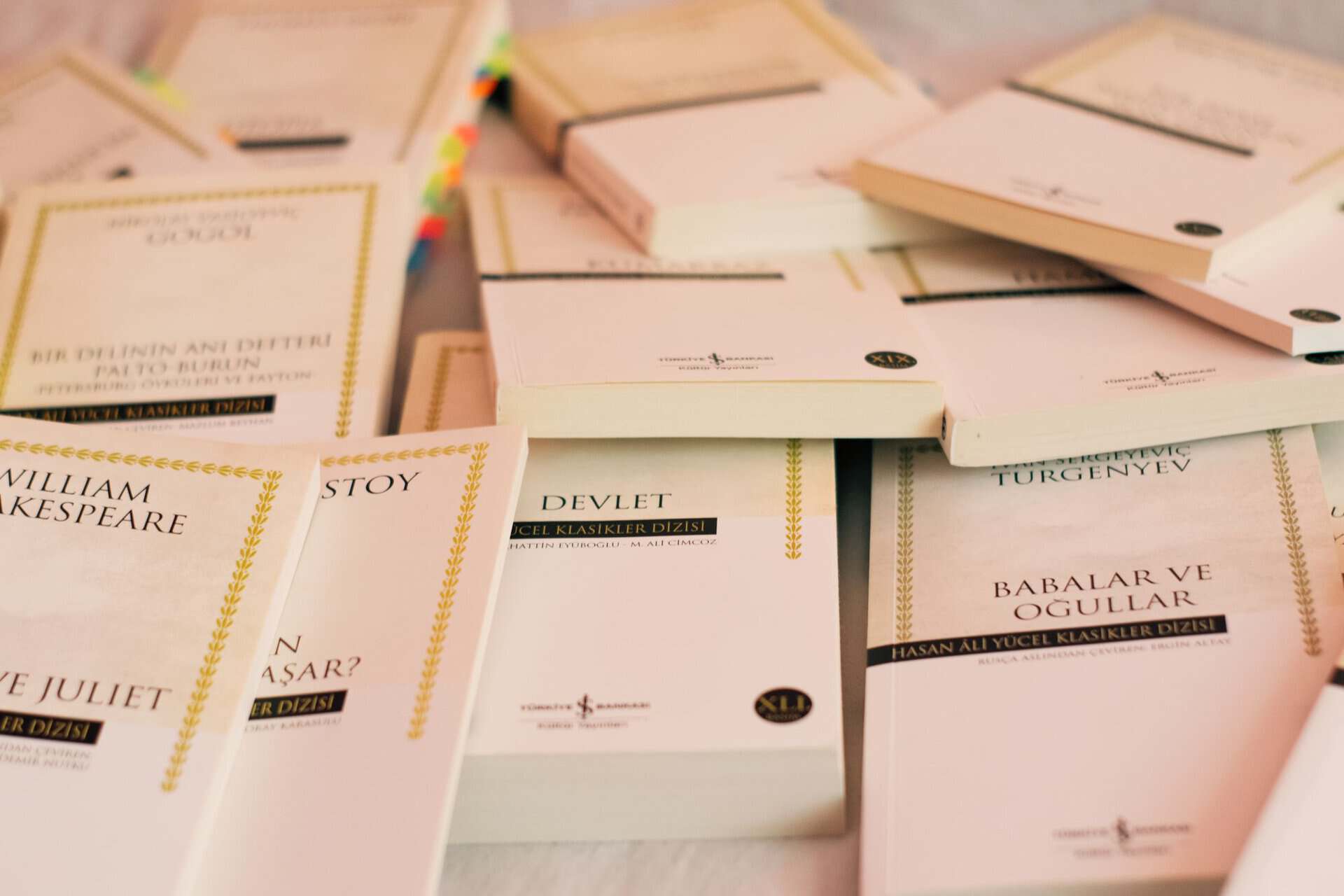
These publications provide identifiable starting points for reading the pursuit. The different spellings below belong to their published titles.
O’Grady edited and translated Toruigheacht Dhiarmuda agus Ghrainne: The Pursuit of Diarmuid and Grainne in Transactions of the Ossianic Society, volume 3, pages 40–211. John O’Daly published the volume in Dublin in 1857.
This is an option for readers seeking both an Irish text and an English translation. The longer publication title identifies Gráinne as the daughter of Cormac mac Airt. Its reference to a third-century setting is part of the tale’s legendary framing, not a date for the text’s composition.
Joyce’s English translation, The Pursuit of Dermat and Grania, appears on pages 274–350 of Old Celtic Romances, published in London by C. Kegan Paul & Co. in 1879.
If you’re looking for the story in an English-language collection, this is the entry to search for. “Dermat and Grania” is the wording of Joyce’s title, rather than a different pair of characters.
O’Grady’s Tóruigheacht Dhiarmuda agus Gráinne: The Pursuit of Diarmuid and Grainne also appeared in two parts in 1880. M. H. Gill published it in Dublin for the Society for the Preservation of the Irish Language. Both parts include Irish text, English translation and notes.
When requesting a copy or searching a catalogue, include the year and part number so you can distinguish this publication from O’Grady’s 1857 volume.
Ní Shéaghdha’s 1967 pursuit volume bears the title Tóruigheacht Dhiarmada agus Ghráinne / The Pursuit of Diarmaid and Gráinne. It was published in Dublin for the Irish Texts Society by the Educational Company of Ireland.
The separate poem the Middle Irish Díarmait’s Sleep, also titled Cotail becán becán bec, belongs to the literary tradition associated with Diarmuid and Gráinne. It isn’t the complete prose pursuit.
CELT’s editorial metadata assigns the poem’s creation to approximately 1125–1175. That estimated composition date must be kept separate from the date of a surviving manuscript and from the age of the complete prose tale.
The electronic text follows Gerard Murphy’s edition in Early Irish Lyrics, Eighth to Twelfth Century (1956), pages 160–164. It presents the Middle Irish poem without the printed edition’s English translation, introduction, glossary, notes or variant readings.
For an English translation of the poem, look for Eoin Mac Neill’s Duanaire Finn, volume 1 (1908). Choose the pursuit editions for the prose narrative; choose the poem for a distinct medieval work associated with the same pair.

Matt Hook is a Canadian writer of Scottish and Irish heritage. He built his writing career creating detailed gaming guides, turning complex mechanics, history and lore into useful information for readers. Matt brings that same research-focused approach to Ireland Wide, where he writes about Irish travel, heritage, history and culture. He also holds CMA and CPA designations as a professional accountant, giving him a strong background in research, accuracy and attention to detail.
At Ireland Wide, our aim is to bring authentically Irish insights to you, wherever you are.
Whether you have some feedback or would like to offer some of your own insights for everyone else to explore, don't hesitate to get in touch with us!