The Celtic Horse Knot is a powerful emblem that combines the majestic imagery of the horse with the intricate patterns of Celtic knotwork. Deeply tied to Celtic mythology and culture, this knot represents qualities such as freedom, loyalty, endurance, and connection to the natural world. In this article, we delve into the origins, symbolism, and cultural relevance of the Celtic Horse Knot, exploring its enduring appeal.
Origins of the Celtic Horse Knot
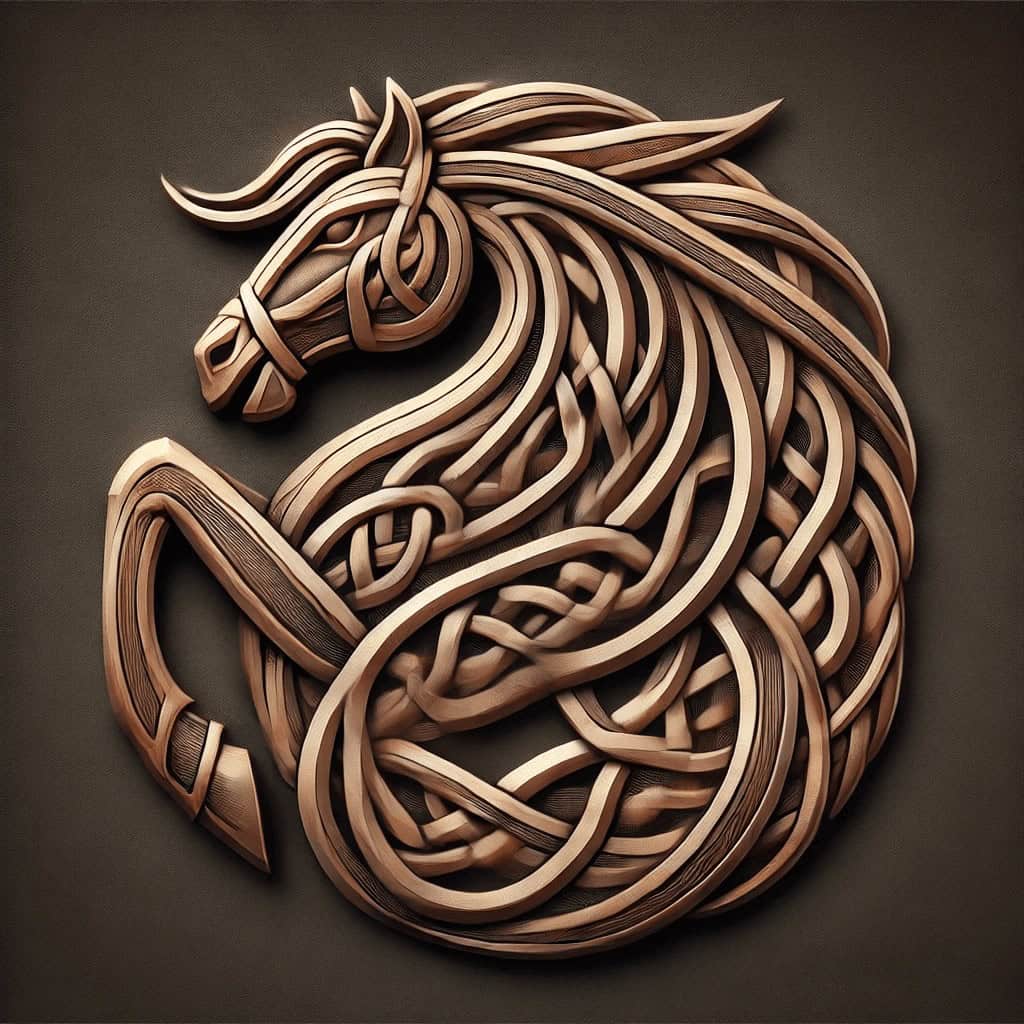
The Celtic Horse Knot is inspired by both ancient Celtic knotwork and the revered place of horses in Celtic mythology. Horses were deeply significant to the Celts, symbolising wealth, status, and divine connection. They were believed to be sacred animals, associated with gods and goddesses such as Epona, the horse goddess of fertility, protection, and sovereignty, and Rhiannon, a Welsh deity linked to magic and movement.
Celtic knotwork, characterised by its continuous, interwoven designs, embodies eternity, interconnectedness, and the cycles of life. By incorporating the horse into knotwork, the Celtic Horse Knot represents the enduring spirit of the horse as well as the eternal bonds between humans, animals, and nature. While not an ancient design, the Celtic Horse Knot is a modern artistic creation that pays homage to these traditional motifs.
Celtic Horse Knot Symbolism in Ancient Ireland

The Celtic Butterfly Knot is rich with layered meanings, drawing from both the natural world and Celtic traditions. Its key symbolic associations include:
- Transformation and Rebirth: The butterfly’s metamorphosis represents personal growth, change, and spiritual evolution. This makes the Celtic Butterfly Knot a symbol of life’s transitions and the beauty that emerges from challenges.
- Grace and Beauty: As a creature of grace, the butterfly embodies elegance and aesthetic appeal. The knot’s intricate patterns reflect the refined beauty of Celtic art.
- Eternity and Interconnectedness: The endless loops of the knotwork symbolise the eternal cycles of life, death, and rebirth, as well as the interconnectedness of all beings.
- Freedom and Joy: The butterfly’s ability to soar freely through the air signifies liberation, happiness, and the pursuit of life’s pleasures.
- Spiritual Transformation: In Celtic spirituality, the butterfly is often seen as a symbol of the soul’s journey, emphasising spiritual growth and enlightenment.
What Is the Meaning of the Celtic Horse Knot Today?
The Celtic Horse Knot holds profound meanings for those who resonate with its symbolism. Below are its key interpretations:
- Strength and Resilience:
- Represents the ability to overcome challenges with grace and determination
- Encourages individuals to harness their inner power
- Freedom and Independence:
- Inspires the pursuit of personal freedom and self-discovery
- Reflects the boundless spirit of adventure and exploration
- Connection and Loyalty:
- Symbolises enduring bonds between loved ones, communities, and nature
- Celebrates loyalty and trust in relationships
- Spiritual Guidance:
- Reflects the horse’s role as a guide to higher realms in Celtic mythology
- Encourages spiritual growth and connection to the divine
Design Elements of the Celtic Horse Knot
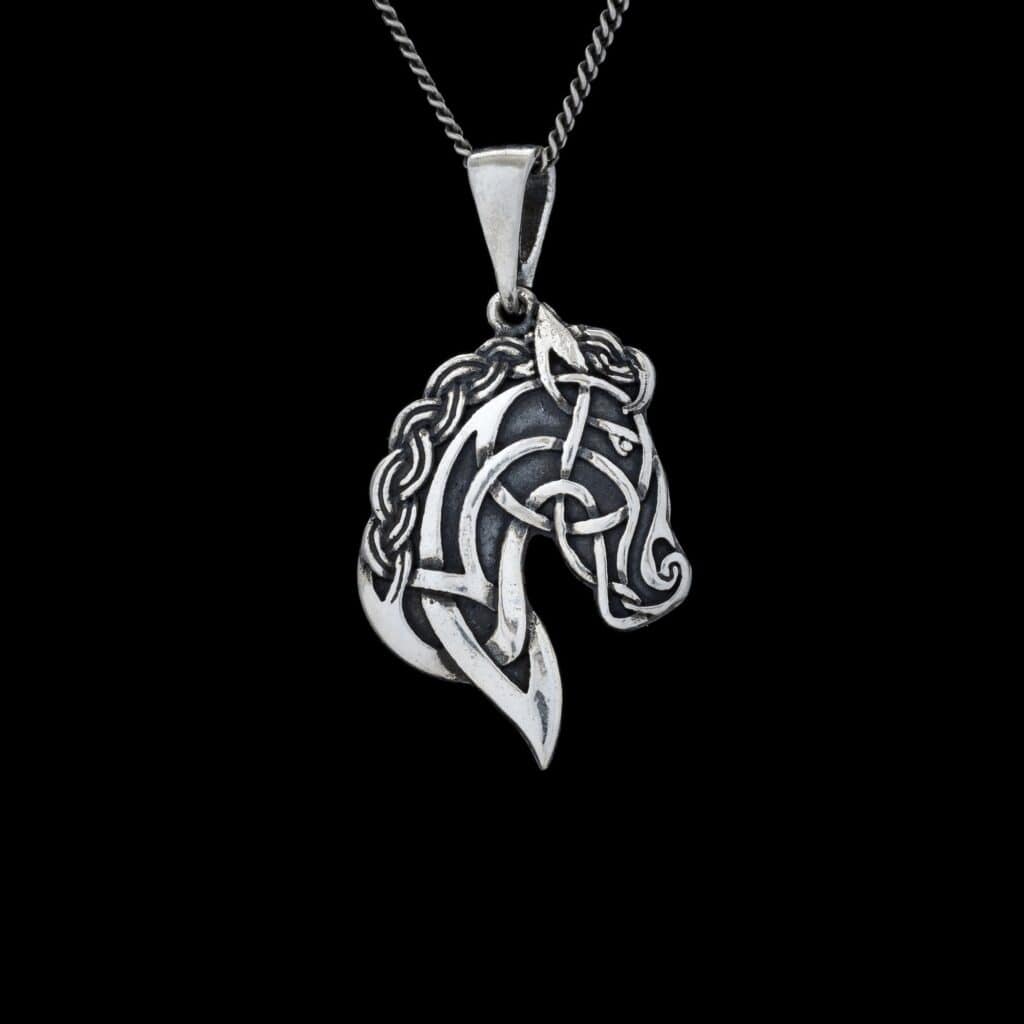
The design of the Celtic Horse Knot incorporates the grace and strength of the horse alongside the intricate craftsmanship of Celtic knotwork. Key design elements include:
- Interwoven Patterns: True to Celtic art, the knot features continuous loops that symbolise eternity and interconnectedness.
- Horse Imagery: The knot often includes stylised depictions of a horse’s head, mane, or full body, blending seamlessly into the knotwork.
- Symmetry and Balance: The symmetrical patterns in the knot reflect harmony between strength and grace, freedom and connection.
- Natural Motifs: Some designs incorporate additional elements such as flowers, leaves, or waves to highlight the horse’s connection to nature.
Celtic Horse Knot Uses in Modern Irish Culture
The Celtic Horse Knot has become a popular symbol in modern culture, valued for its aesthetic appeal and deep meaning. Its versatility makes it suitable for various uses, including:
- Spiritual Practices: The Celtic Horse Knot is used as a symbol of guidance and protection in spiritual rituals or meditation, reflecting the horse’s role as a sacred companion in Celtic mythology.
- Horse Knot Tattoos: A common tattoo choice, the Celtic Horse Knot represents personal strength, freedom, and a deep connection to nature. Its intricate design makes it a visually stunning and meaningful tattoo.
- Horse Knot Jewellery: Many people wear the Celtic Horse Knot as pendants, rings, or bracelets, symbolising loyalty, endurance, and freedom. Gold and silver designs are especially popular for their timeless beauty.
- Home Décor: The knot is featured in carvings, wall art, and textiles, bringing its energy of strength and connection into homes.
- Fashion Accessories: The design appears on clothing, scarves, and bags, blending ancient Celtic symbolism with modern style.
Celtic Horse Knot in Mythology and Folklore

The horse holds a prominent place in Celtic mythology and folklore, enhancing the symbolic depth of the Celtic Horse Knot. Horses were often seen as sacred animals connected to the divine and were believed to possess magical abilities. They were also associated with travel between the mortal world and the otherworld, serving as guides for heroes and gods.
Deities such as Epona, the horse goddess, and Rhiannon, a Welsh goddess, were closely linked to horses. Epona was revered as a protector of horses, riders, and travellers, while Rhiannon’s tales often involved magical steeds and themes of sovereignty and resilience. These mythological associations reinforce the Celtic Horse Knot’s meanings of strength, freedom, and divine connection.
Other Symbols and Knots to Explore
The Celtic Horse Knot is part of a rich tradition of Celtic art and mythology, offering numerous other symbols and knots to discover:
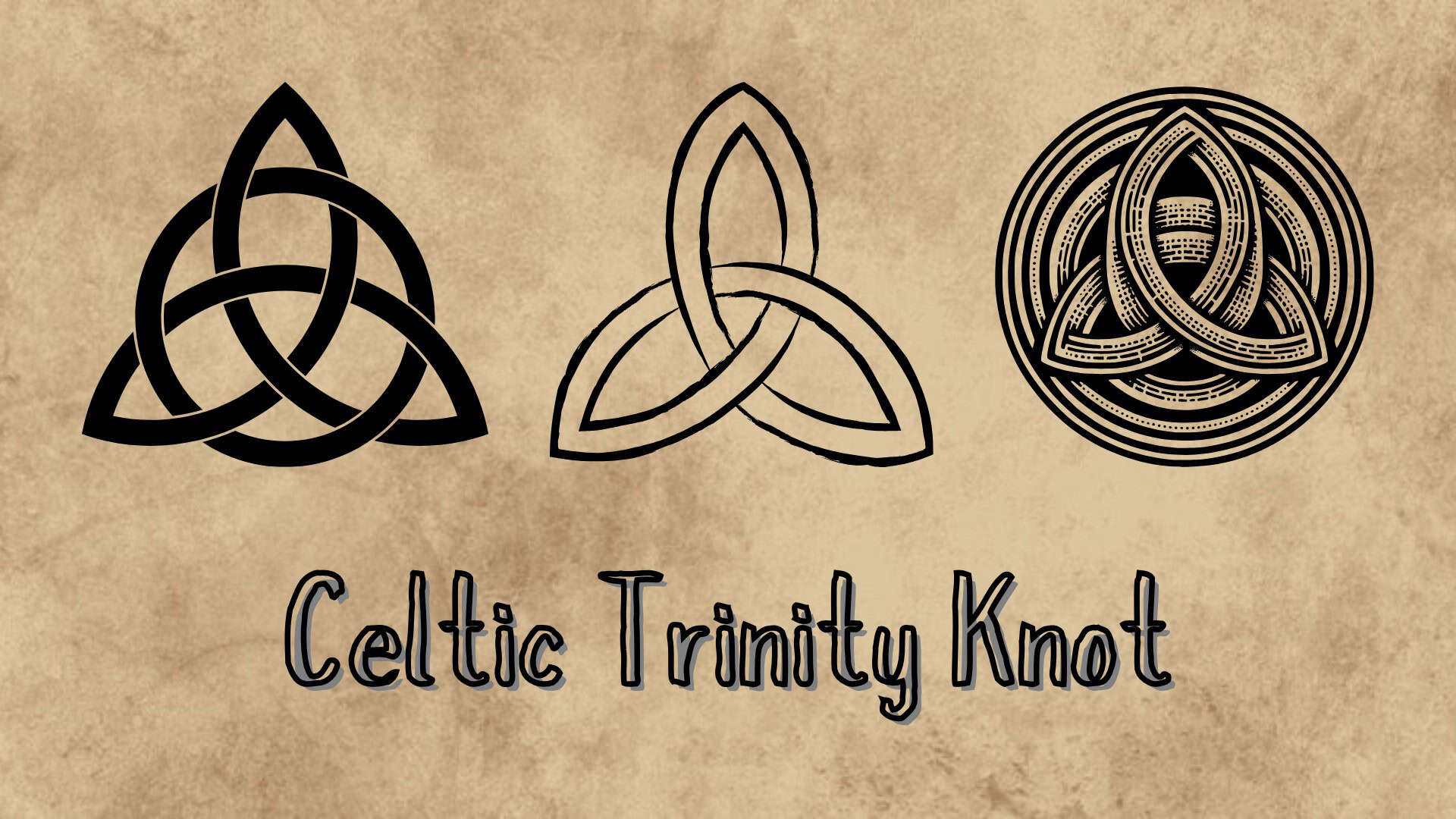
- Trinity Knot (Triquetra): Symbolising eternity and unity, it reflects the interconnectedness of mind, body, and spirit.
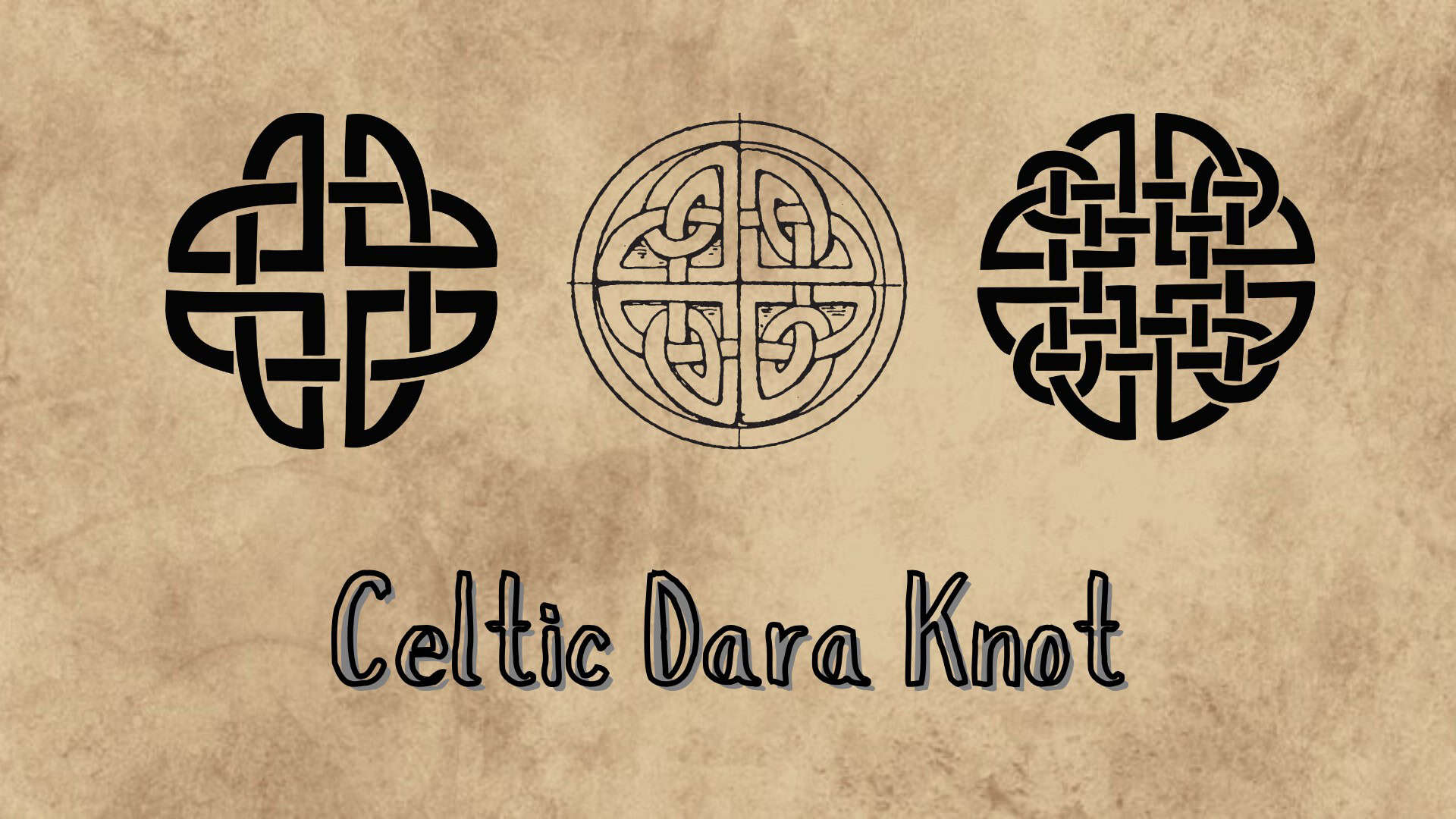
- Dara Knot: Inspired by the oak tree’s roots, it represents inner strength and resilience.
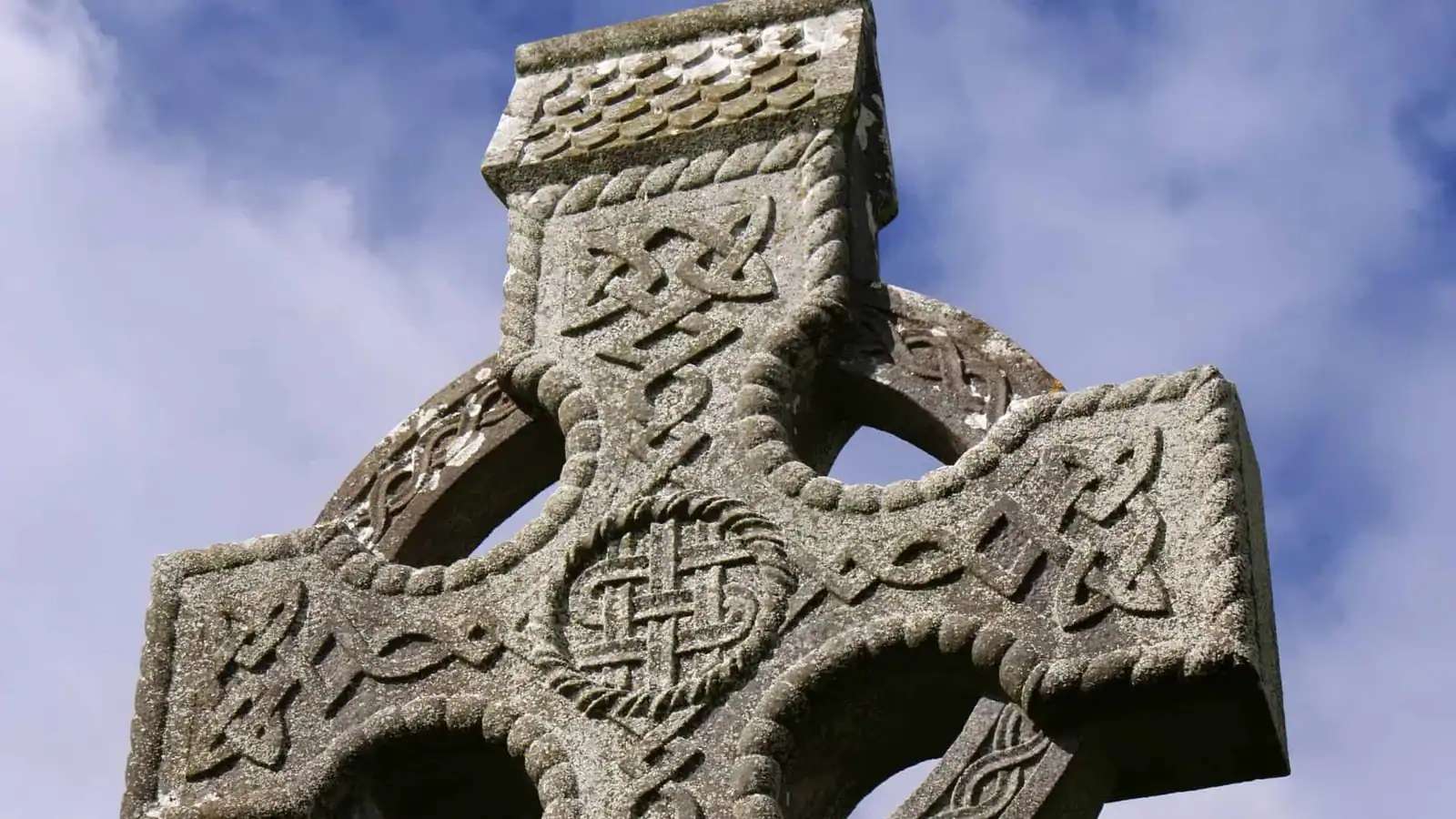
- Celtic Cross Knot: A fusion of Christian and Celtic influences, it embodies spirituality and cultural heritage.
- Shield Knot: Used as a protective emblem, it wards off harm and negativity.
- Eternity Knot: Featuring endless loops, it highlights the infinite cycles of life and interconnectedness.
- Wolf Knot: Representing guardianship and loyalty, it reflects the protective qualities of the wolf.
Conclusion
The Celtic Horse Knot is a stunning and meaningful symbol that encapsulates the enduring strength, freedom, and grace of the horse. Its intricate design and profound symbolism make it a cherished emblem for those seeking connection to Celtic heritage or the qualities of the horse. Whether worn as jewellery, inked as a tattoo, or displayed as art, the Celtic Horse Knot continues to inspire with its timeless beauty and rich cultural significance. Rooted in ancient traditions yet vibrant in modern contexts, it serves as a powerful reminder of the eternal bond between strength and freedom.