

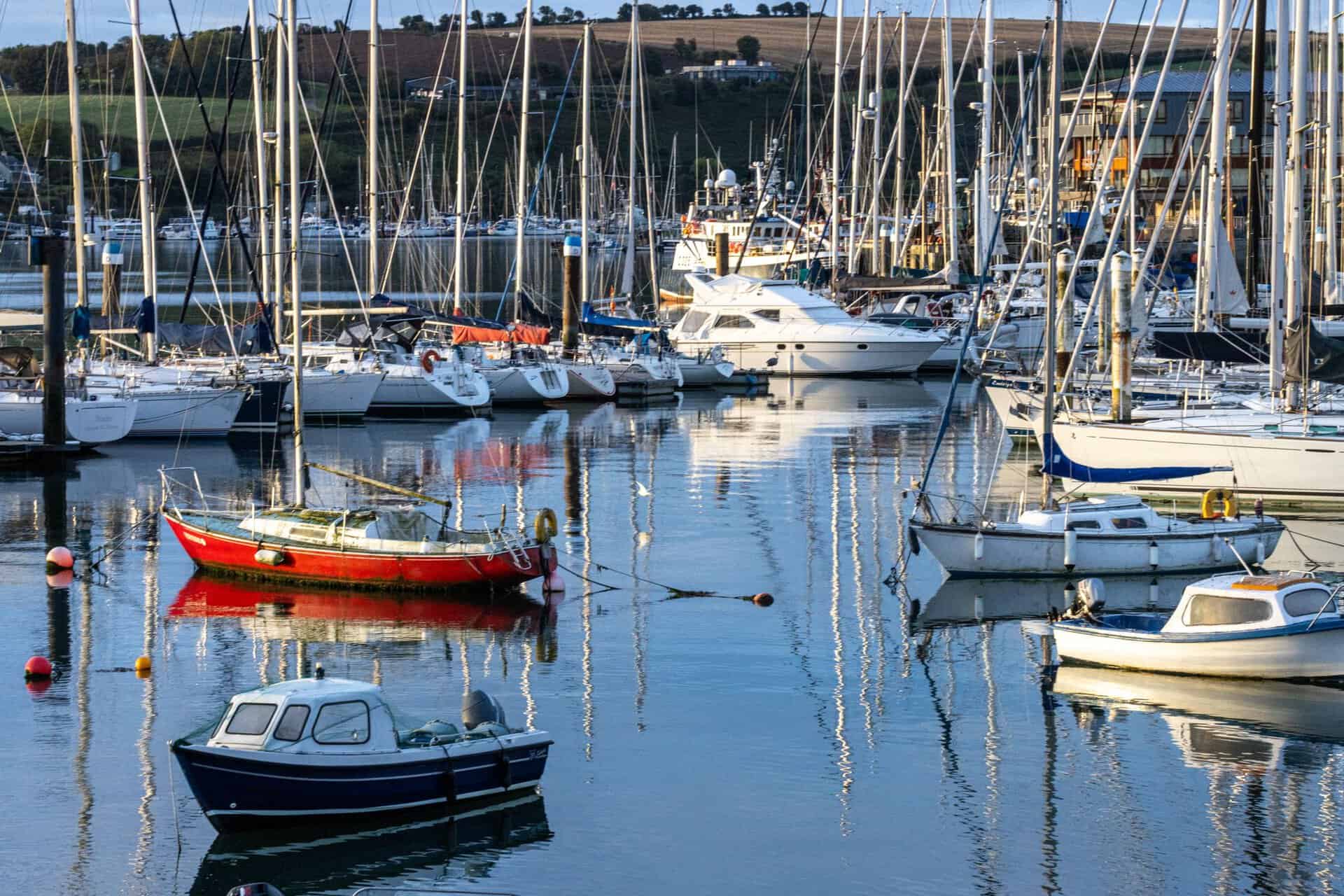
A Kinsale to Dingle cruise packing list and checklist comes down to warm layers, properly waterproof outerwear, sun protection and luggage you can move around a boat without turning every doorway into a negotiation. This southwest-coast passage can bring open-water conditions, changing temperatures and damp decks, so a suitcase full of bulky “just in case” clothes is a bit of a pain.
Pack for the activities and season specified by your cruise operator, then use this guide to fill the gaps. A sheltered harbour stop and time on deck can feel like two different weather systems on the same day. They often are. Even an overcast 46°F day with 74% humidity (as of October 2026) is a fair reminder that damp cold creeps in once you are standing still on deck.
For a broader starting point before you go, these Ireland trip essentials for rain, walking and daily touring are useful alongside this boat-specific list. If you are comparing boat holidays, the Shannon River cruise packing guide also covers the practical realities of limited cabin space and time ashore.
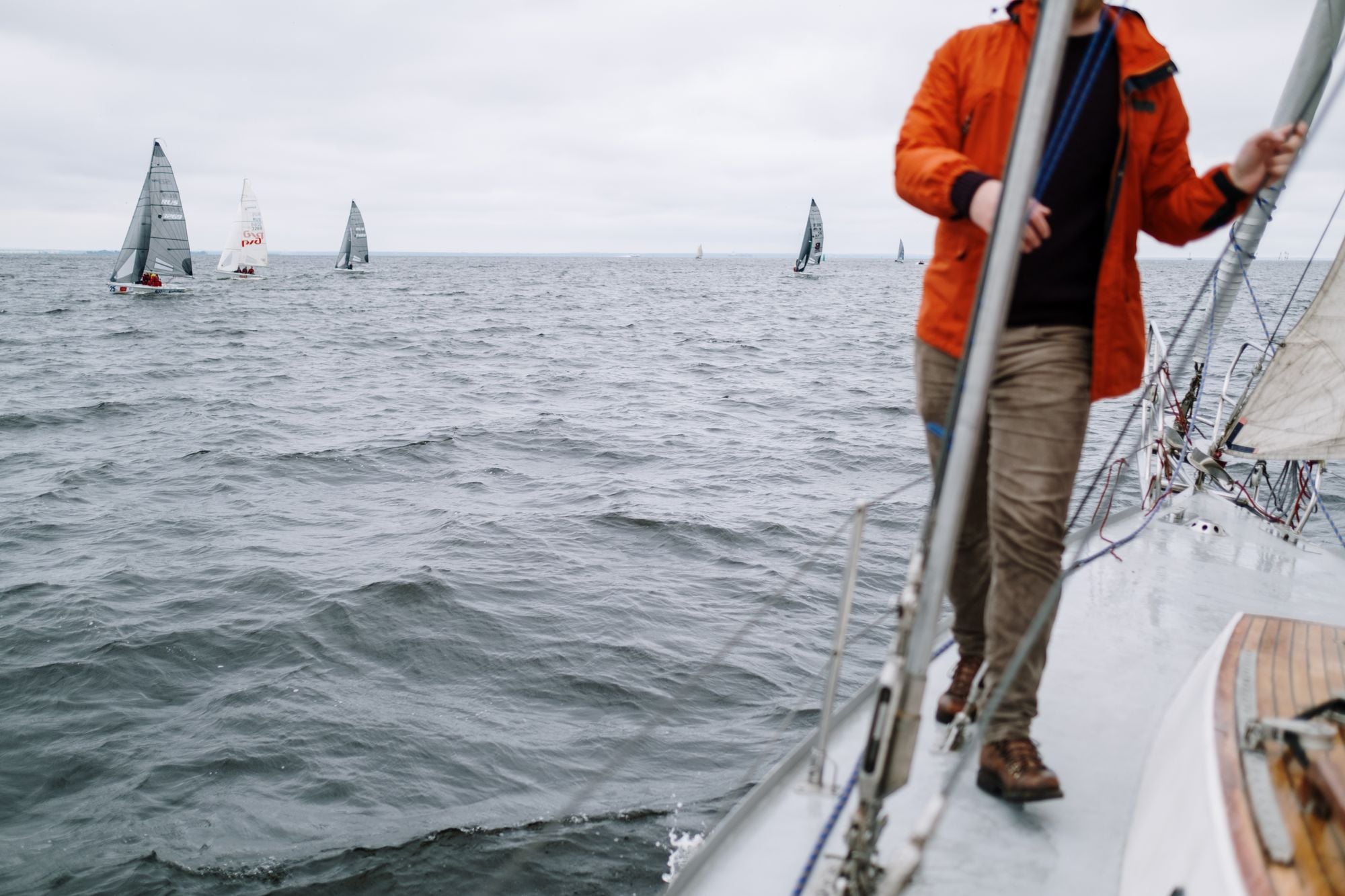
Keep the core kit practical and easy to layer. Synthetic or wool fabrics dry more readily than cotton, while a lighter bag is easier to stow in a cabin and carry during shore stops.
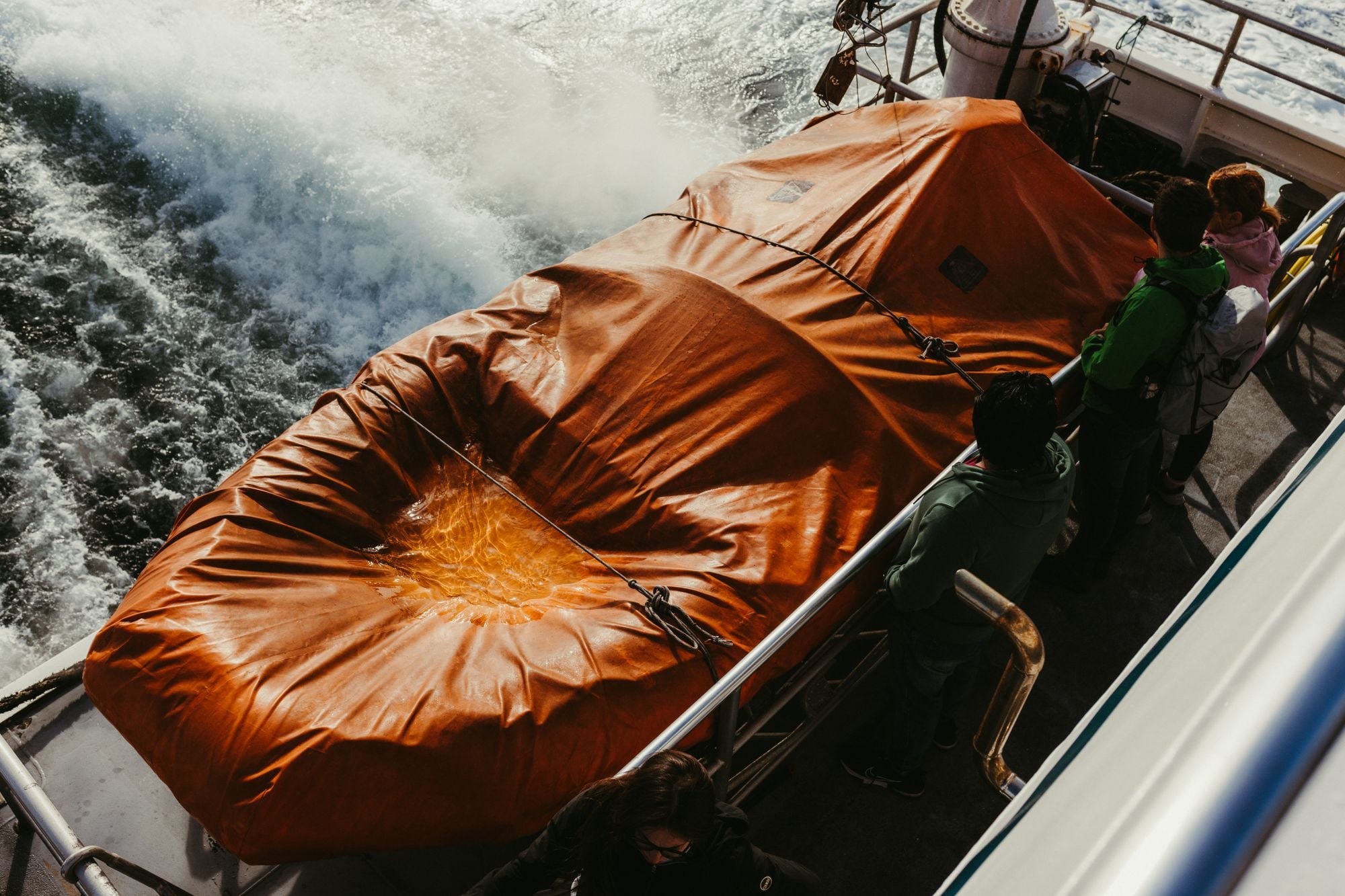
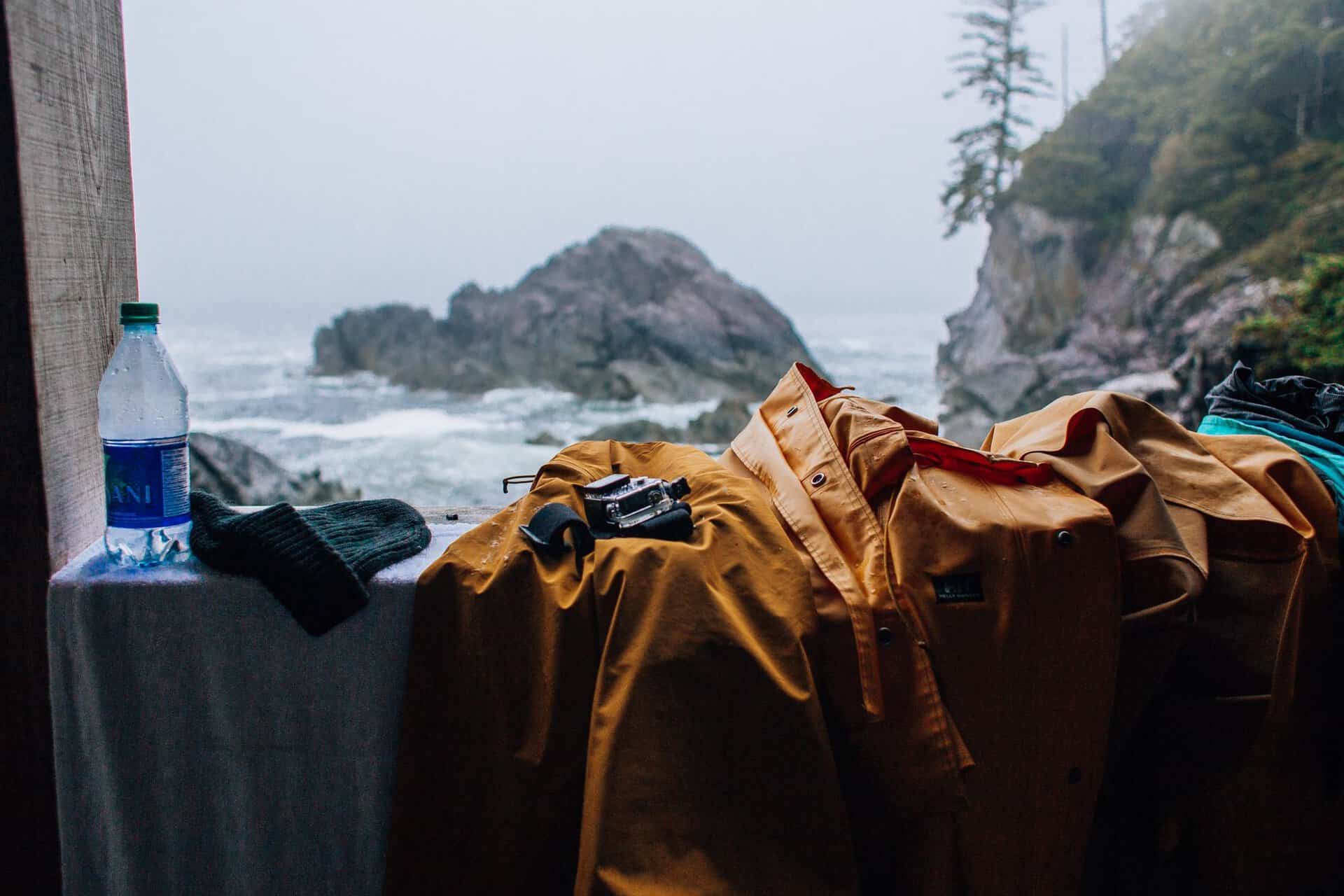
A water-resistant fashion jacket may do the job for a short walk to a café. It is far less useful during hours on an exposed deck with spray and rain arriving sideways. Bring a waterproof, windproof jacket with an adjustable hood, with enough room underneath for a fleece.
Waterproof overtrousers are well worth the luggage space if the itinerary includes long stretches outside, tender transfers or wet-weather shore landings. Choose a pair you can pull over normal trousers without a full changing-room performance.
Before departure, check the Met Éireann marine forecast alongside the ordinary land forecast. Marine forecasts cover wind, sea conditions and visibility, which matters more when you are on the water than a town temperature alone.
Layering gives you a much better chance of staying comfortable on a Kinsale to Dingle coastal voyage. Start with a breathable base layer, add insulation, then use your waterproof shell for wind and rain. You can remove a layer when the sun appears and put it back on ten minutes later. Standard southwest-coast behaviour.
Avoid relying on jeans as your main boat clothing. Denim gets heavy and uncomfortable when wet, and can take an age to dry in a small cabin. Bring one smarter casual outfit for dinner or a pub stop, but keep everything else low-fuss.
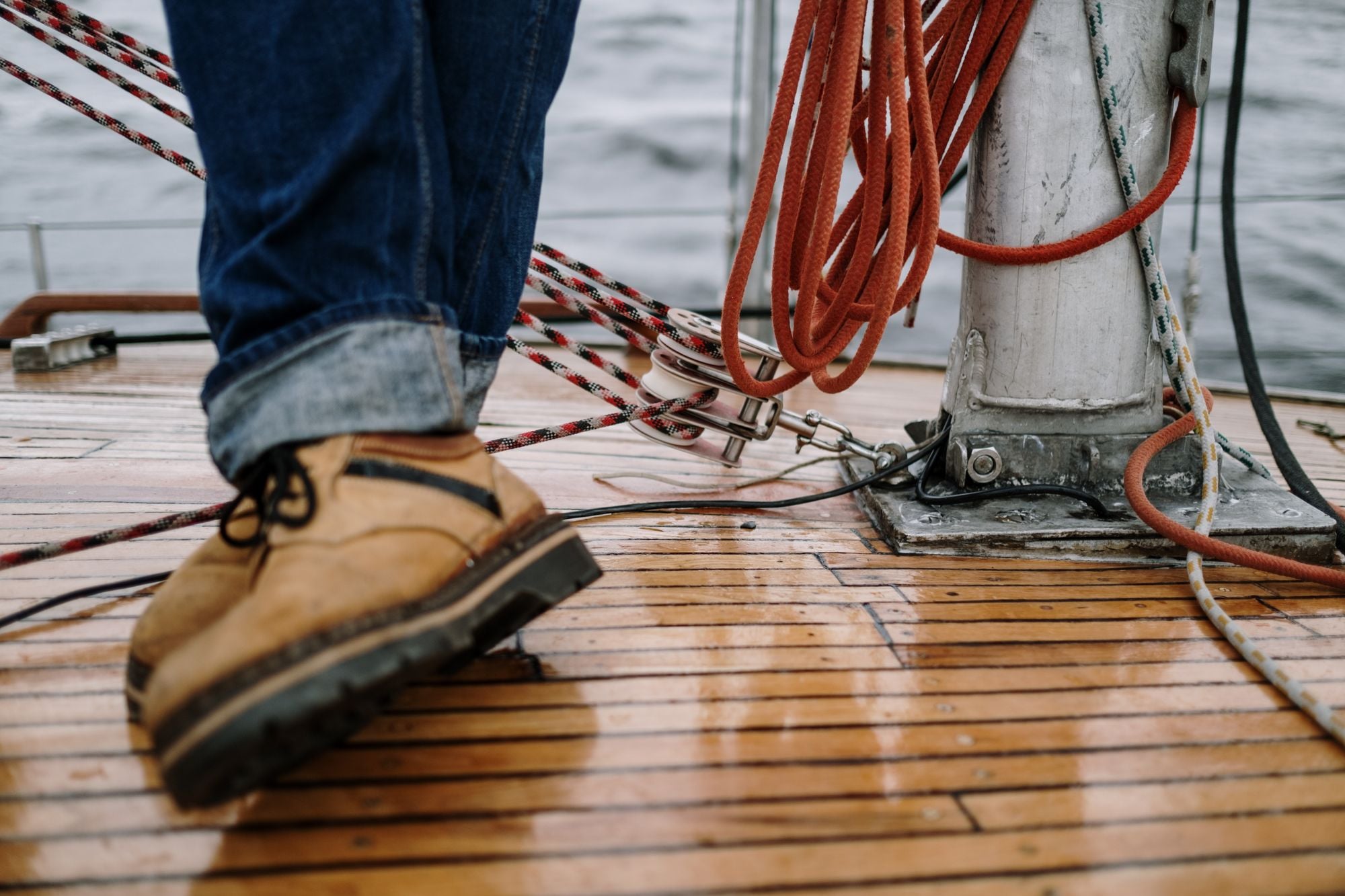
Your footwear needs grip on wet surfaces and enough comfort for walking around Kinsale, harbour villages or Dingle after docking. Closed-toe shoes with non-marking, grippy soles are a sensible main pair. Waterproof walking shoes are a decent shout if the forecast looks unsettled or planned excursions involve uneven ground.
Do not make flip-flops your only boat shoe. They are fine for a shower block or warm cabin, but slick decks and loose footwear are a poor combination. Pack a second dry pair so you are not beginning the next morning in yesterday’s damp trainers.
If you are adding castle visits before or after the cruise, this guide to packing for castles in Ireland has useful footwear and day-bag pointers. Those spending time in Kinsale beforehand may also want the Desmond Castle Kinsale visitor guide for planning that stop.
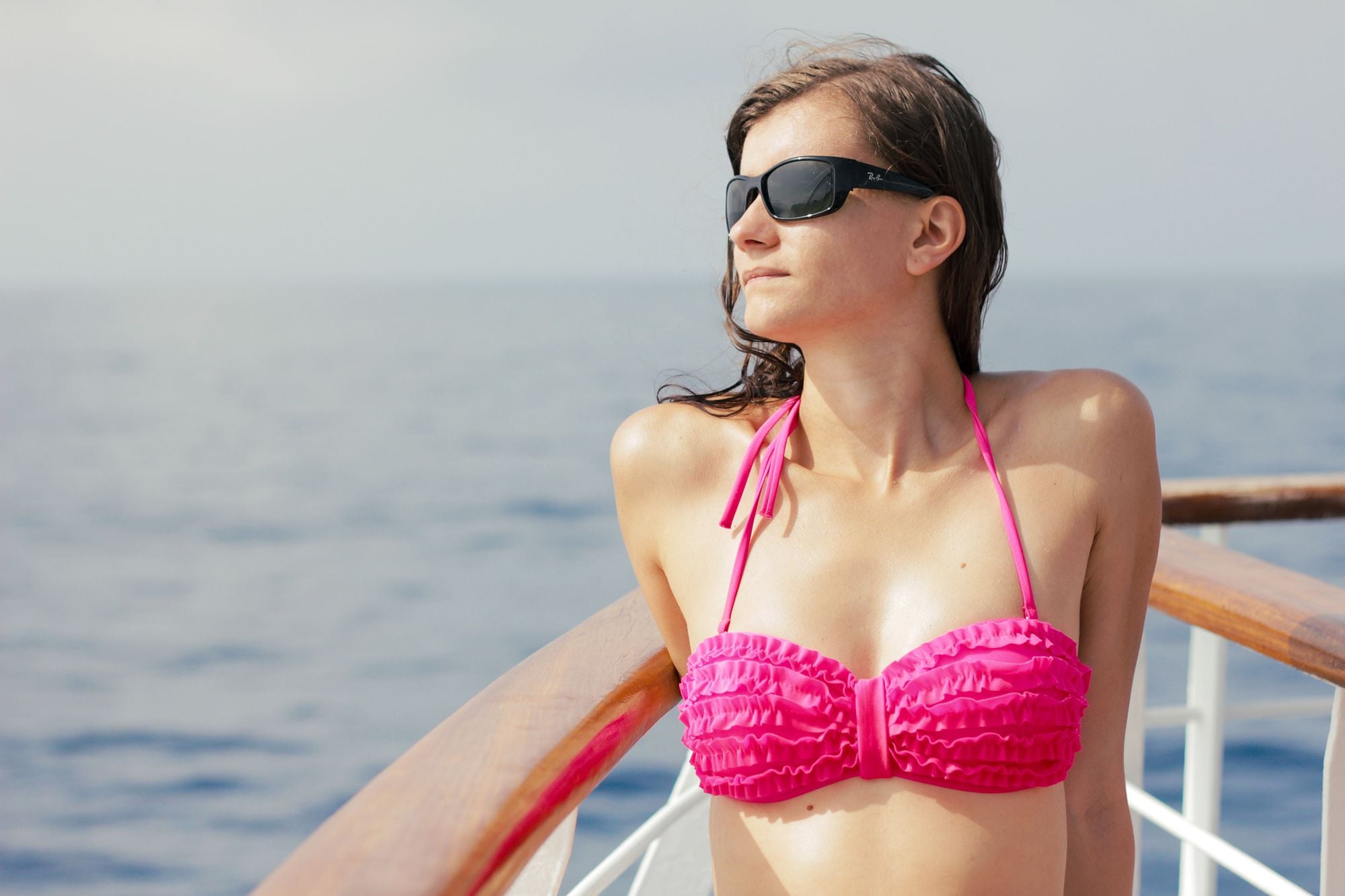
Cloud cover does not remove the need for sun protection. Reflected light off the water can be uncomfortable, particularly during long periods on deck. Pack sunscreen, UV-protective sunglasses and a brimmed cap or sun hat that can be secured in wind.
A sunglasses strap is a small purchase that may save you from watching a pair disappear into the sea. Polarized lenses can make glare easier to manage too, though they are not a substitute for watching your footing around moving water. For extra time on shore, this Irish beach-day packing guide for wind, rain and sun is useful for the same mix of exposure and changeable weather.
Use a compact daypack or dry bag for items you may need while your main luggage stays in the cabin. A waterproof pouch for your phone, wallet and documents is useful even if the bag claims to be water-resistant.
Keep electronics in a sealed pouch inside the bag. Water finds gaps with impressive commitment.
Even confident ferry passengers can feel unwell on a smaller vessel or in choppy conditions. If you are prone to motion sickness, speak with a pharmacist or clinician before travel about suitable medication, patches or other options. Take any treatment according to its instructions, as some products need time to work.
Practical measures can help too: eat a light meal, stay hydrated, spend time in fresh air if it is safe to do so, and keep your gaze on a fixed point on the horizon. The UK National Health Service has an overview of motion sickness symptoms and treatment options for general guidance. If ferry crossings are part of the wider trip, this Burren and Aran Islands packing guide has related advice for crossing days and keeping a useful day bag close by.
Space aboard is usually limited, and hard cases are awkward in narrow cabins, stairs and storage areas. A soft-sided duffel, medium backpack or small wheeled bag is generally easier to manage than a large rigid suitcase. Check your operator’s baggage policy before committing to a particular size or weight.
Use packing cubes to separate dry clothes, underwear and damp gear. Bring a few resealable bags for wet socks, swimwear or muddy shoes. Nothing fancy, but it stops the rest of your luggage taking on the atmosphere of a forgotten changing room.
Coastal cruises are not an excuse to bring half a wardrobe. Most itineraries call for casual, comfortable clothing, with one clean outfit for evening meals or a wander through town. A lightweight knit, plain trousers or skirt, and dry shoes cover most situations easily enough.
Dingle is a useful place to extend the trip if you have time after disembarkation. This guide to why the Dingle Peninsula is worth visiting can help with planning the next few days. Keep a small rain layer accessible for shore stops, even in summer. If you plan wet or uneven walking routes in West Cork before sailing, these Gougane Barra wet-trail packing tips are also handy.

Keep important documents in one waterproof folder or pouch, separate from checked or stored luggage. Bring the photo identification required by the operator, booking details, travel insurance information, payment cards and any medical information you may need.
Carry enough prescription medicine for the full trip, plus a little extra in case weather or transport causes a delay. Put it in your personal day bag, not deep inside larger luggage. If you use glasses, a spare pair is sensible on a water-based trip.
Follow crew instructions on lifejackets, deck access and safety briefings. The Irish Coast Guard advises water users to plan ahead, wear appropriate safety equipment and check conditions before going afloat.
Bring an extra warm mid-layer, hat, gloves and waterproof trousers. These seasons can be excellent for quieter travel, but exposed deck time can feel cold even when the land forecast seems mild.
Pack sun protection, a light fleece and a waterproof jacket. An overcast 68°F summer reading with 75% humidity (as of October 2026) sounds mild enough on paper, but wind on the water can cut through a T-shirt faster than expected. A light scarf or buff is useful without adding much bulk.
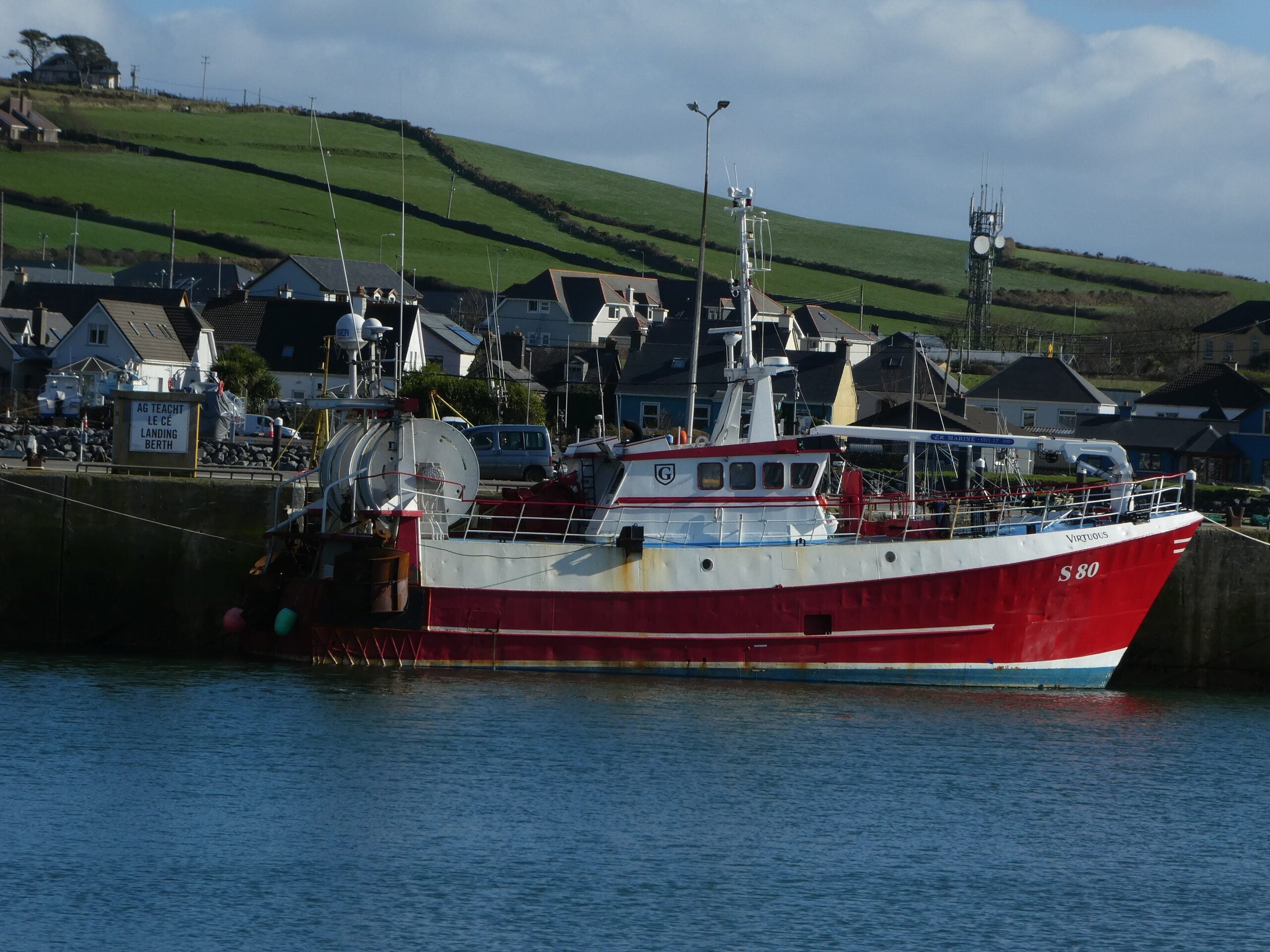
Winter coastal sailing may be limited by operator schedules and weather conditions. If your trip runs, take a warm insulating layer, hat, gloves, waterproof boots and spare dry socks, then confirm luggage requirements and onboard heating with the operator well ahead of time.
Run through this list the evening before departure. Put what you need while underway in your day bag, then keep the rest compact and organised.
If you are continuing by car after the cruise, this Irish coastal road-trip packing list can help you sort the driving and overnight essentials without repacking from scratch.
Wear a breathable top, warm mid-layer and waterproof outer shell, plus closed-toe shoes with good grip. Bring waterproof trousers and a hat in your day bag, as conditions on deck can change quickly.
Waterproof trousers are a sensible addition for a coastal cruise, especially outside settled summer weather or when you expect to spend long periods outdoors. They take little space and are useful during rain, spray and shore transfers.
Check directly with your cruise operator, as baggage allowances and onboard storage vary by vessel and itinerary. Soft-sided, compact luggage is usually easier to carry and store than a large hard-shell case.
A small waterproof daypack or dry bag works well for clothing layers, medication, a water bottle and electronics. Use a separate waterproof pouch inside it for your phone, wallet and documents.

Matt Hook is a Canadian writer of Scottish and Irish heritage. He built his writing career creating detailed gaming guides, turning complex mechanics, history and lore into useful information for readers. Matt brings that same research-focused approach to Ireland Wide, where he writes about Irish travel, heritage, history and culture. He also holds CMA and CPA designations as a professional accountant, giving him a strong background in research, accuracy and attention to detail.
At Ireland Wide, our aim is to bring authentically Irish insights to you, wherever you are.
Whether you have some feedback or would like to offer some of your own insights for everyone else to explore, don't hesitate to get in touch with us!