
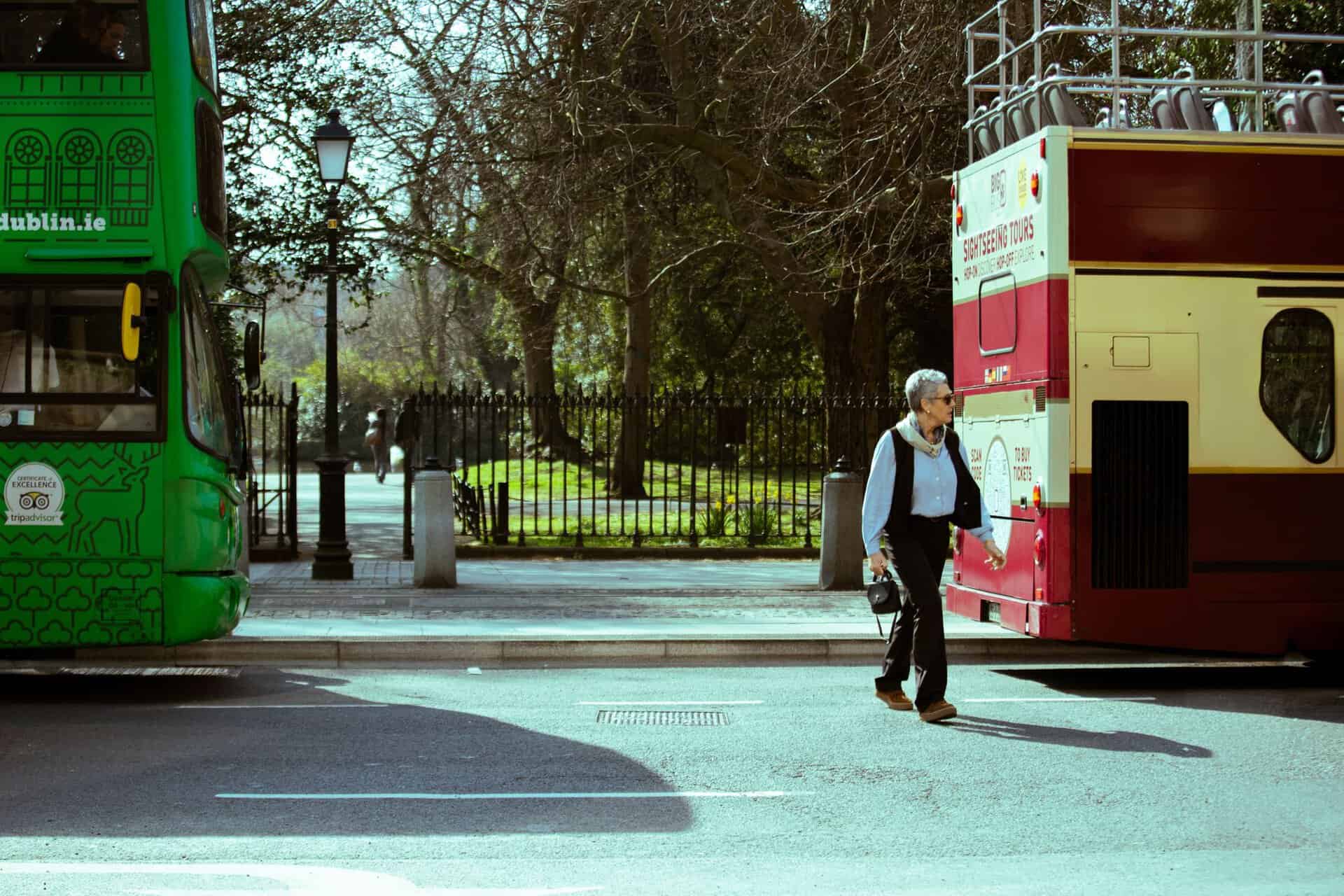
A Dublin sightseeing day needs a light, practical kit: comfortable walking shoes, a waterproof outer layer, a small day bag, phone power, payment cards and any booking confirmations. Central sights are close enough to join up on foot, but a full day can still mean plenty of pavement, changing weather and the occasional public-transport detour.
Don’t pack for every possible outcome. Pack for walking in cool, changeable conditions, then check the forecast before leaving your accommodation. That does the job for most days in the city. For a broader checklist before the rest of your trip, see these Ireland packing essentials.
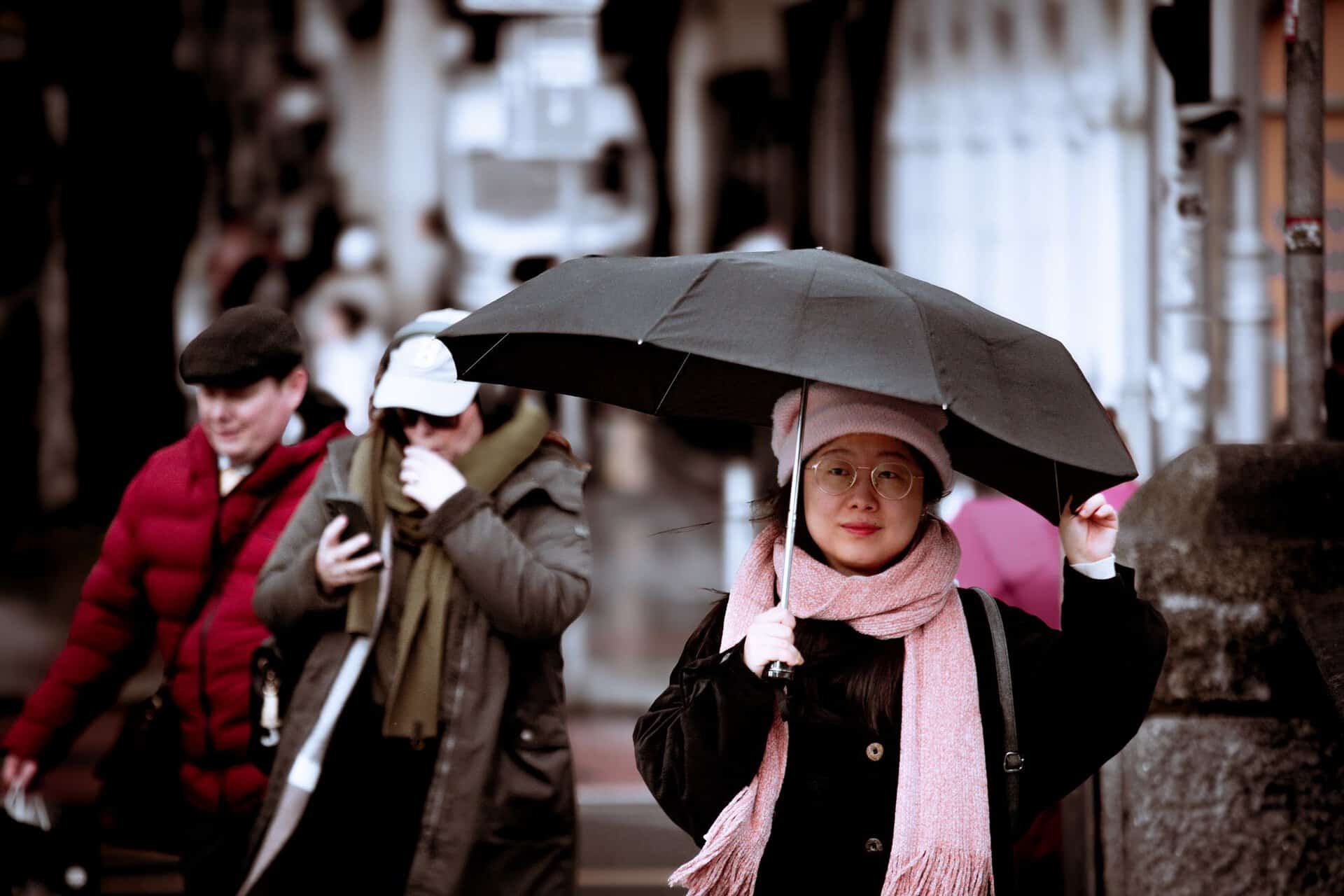
Dublin weather can shift during a sightseeing day, so layers are more useful than one heavy item. Check the Dublin forecast on the morning of your trip, including the hourly rain and wind outlook. A bright start is not a contractual promise from the sky.
In winter, add gloves, a warm hat and a scarf. If you are visiting around the parades, this Saint Patrick’s Day packing list has more specific advice for March weather and crowds. In summer, keep the rain layer anyway. It may spend much of the day in your bag, which is exactly where you want it until you don’t.

Sightseeing in Dublin usually means walking between areas such as Trinity College, Grafton Street, Temple Bar, the River Liffey and museums. Cobblestones and uneven surfaces turn up in older areas, while rain can make smooth paving a bit slippery.
Wear broken-in trainers or supportive walking shoes with decent grip. Waterproof footwear is useful from autumn through spring, but comfort matters more than buying heavy hiking boots for a city day. New shoes are a risky little experiment when you are several kilometres from where you started.
Pack spare socks if rain is forecast or if you plan to walk well beyond the centre. A three-day Dublin itinerary can also help you group nearby stops and cut down on unnecessary backtracking.
A small backpack, crossbody bag or secure tote is enough for a Dublin sightseeing day. Large bags can be awkward on buses and may be restricted at particular attractions, so check the visitor rules for each booked site before setting off.
For museum-focused days, browse these free museums in Dublin and check each institution’s own bag, food and photography policies before visiting. The same applies if you have Dublin Castle on the plan.

Dublin is walkable, but buses, Luas trams and DART trains can save time when your route spreads beyond the centre. Check a journey planner for routes, disruptions, and expected travel times before you leave.
Bring a charged phone, a payment method accepted by your chosen service, and enough time for the final walk from the stop. Transport stops rarely deposit you directly at the door, because that would be far too convenient. If you are using the city as a base for a longer outing, these day trips from Dublin by train may call for a few extra layers and more battery power.
Timed tickets need a little extra attention. Keep confirmation emails available, arrive early where an attraction asks you to, and do not assume that a large bag, food, drink or bulky umbrella will be accepted inside. Security and storage arrangements vary by venue and can change for events.
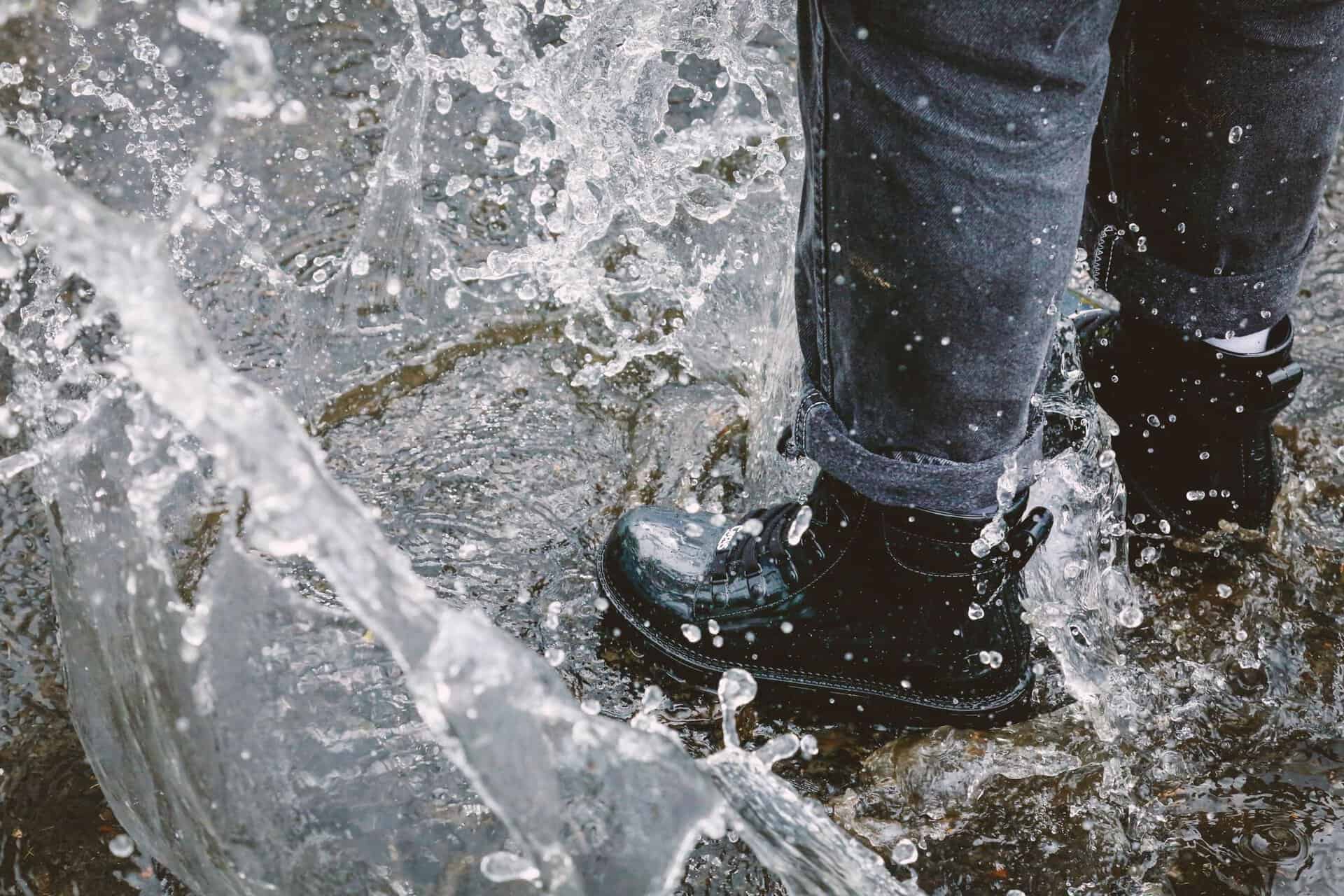
Waterproof shoes are useful during wetter months, but they are not essential for every Dublin day trip. Comfortable shoes with grip are the priority, especially if you will walk between several central attractions.
Many museums allow small backpacks, though rules on large bags, food, drink and lockers vary by venue. Check the official visitor information for each museum before travelling, particularly if you carry luggage.
A payment card will cover most day-to-day purchases in Dublin, but a small amount of cash can be useful as a backup. Keep cards and cash secure in a zipped pocket or bag compartment while sightseeing.

Matt Hook is a Canadian writer of Scottish and Irish heritage. He built his writing career creating detailed gaming guides, turning complex mechanics, history and lore into useful information for readers. Matt brings that same research-focused approach to Ireland Wide, where he writes about Irish travel, heritage, history and culture. He also holds CMA and CPA designations as a professional accountant, giving him a strong background in research, accuracy and attention to detail.
At Ireland Wide, our aim is to bring authentically Irish insights to you, wherever you are.
Whether you have some feedback or would like to offer some of your own insights for everyone else to explore, don't hesitate to get in touch with us!