

Malahide Castle is worth visiting if you want one Dublin-area attraction that combines a real medieval castle, substantial grounds, family-friendly extras, and an easy day-trip setup from the city. It suits history fans, families, and anyone who likes mixing a guided interior visit with time outdoors, though the full experience works best if you book ahead and check attraction-specific details before you go.
If you are comparing options, Malahide is one of the stronger all-round choices in the Dublin area because the estate offers more than a single house tour. For a broader shortlist, see our best castles in Ireland guide.
The big practical point is simple: the grounds are broad and the attractions operate separately. Castle tours run at scheduled times, while the Butterfly House, Fairy Trail, and gardens can have different seasonal arrangements, so a little planning saves a lot of hanging around.
Search by castle, county or nearby town, then click a marker to open the complete IrelandWide visitor guide.
Malahide Castle sits on the southwestern side of Malahide, the coastal town north of Dublin. It is close enough for a day trip from the city and also convenient if you are coming from Dublin Airport, which is often about ten minutes away by road in light traffic.
For most people without a car, the easiest route is the DART or mainline rail to Malahide, followed by a short walk through town toward the estate. If you are driving, the estate is usually treated as a straightforward suburban day-trip destination rather than a remote castle mission involving single-track roads and a mild breakdown.
If you are building out a wider Dublin plan, pair this with a city base and see our Dublin travel guide for transport and area planning.
The castle’s main draw is the mix of documented age and usable visitor infrastructure. This is not a ruin you admire for ten minutes through a gate. It is a long-inhabited house-castle with guided access to interior rooms, plus a large estate that gives you plenty to do before or after the tour.
Several details keep coming up when people compare it with other Dublin-area castles. The estate covers roughly 260 acres, the Talbot family connection runs for almost 800 years, and the site includes more than the castle itself: botanic gardens, a Butterfly House, a Fairy Trail, walking routes, and open parkland.
The official Malahide Castle & Gardens site describes the place as having an 800-year heritage and runs interior visits by guided tour. That guided format is a plus if you want context, but it also means you should not assume you can simply wander into the interior whenever you arrive.
The broad historical outline is well established. In 1174, King Henry II came to Ireland with the Norman knight Sir Richard de Talbot. Richard Talbot remained and established himself on lands at Malahide. The castle’s origins are tied to that grant and to the Talbot family’s long possession of the estate.
What you see now is not a single untouched medieval build. The structure developed over centuries, with additions and alterations from the medieval period through later eras. That layered architecture is part of the appeal. You are looking at a place that changed as the family, politics, taste, and practical needs changed.
The castle remained the home of the Talbot family for more than 800 years. The family connection ended in the 20th century, and the property later passed into state care. Another important later figure was Milo Talbot, remembered for developing the botanical collections on the estate.
Malahide also has a reputation for ghost stories and castle folklore. Those tales are part of the place’s public image and often come up in guided storytelling.
They should be treated as folklore, not documented history. If you enjoy that side of a castle visit, great. If not, the site has enough architectural and landscape interest without needing a spectral co-host.
The core interior experience is the guided castle tour. Official descriptions highlight opulent state rooms, art, and stories connected to the Talbot family and the building’s long history. One feature repeatedly noted in historical descriptions is the Great Hall, which is often singled out for retaining medieval character.
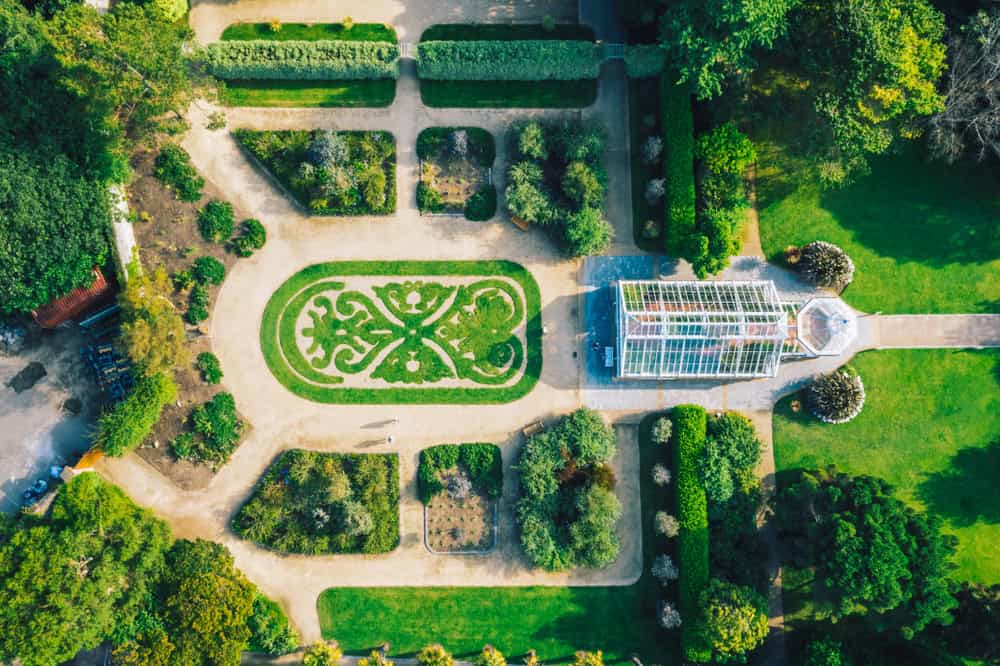
The estate beyond the interior is a major part of the day. The official site promotes the Botanic Gardens, Butterfly House, and Fairy Trail, and these are not throwaway add-ons. Families in particular tend to get more value from the wider grounds than from the castle tour alone.
There is also a practical advantage here: the grounds around the castle are open space, so your day does not hinge entirely on one timed entry. If a tour slot is later than you wanted, you can still walk, use the café, or explore the estate rather than pacing in a queue.
The interior is visited on a scheduled guided tour. The official guided tours page says tickets should be collected in advance at the Visitor Centre in the courtyard opposite the Abbey, and you are asked to arrive at the castle 10 minutes before your booked tour time for check-in and the health and safety briefing.
That small timing detail matters more than it sounds. If you arrive in Malahide village right on your slot time, stop for coffee, and then wander over casually, you are setting yourself up for unnecessary stress.
For the latest tour times, closures, and combination tickets, use the official Plan Your Visit page and the official booking portal. Those details can change by season, and popular times do sell out.
If your plan is just the guided castle tour and a short look around the grounds, two hours can work. If you want the castle, botanic gardens, Butterfly House, and some relaxed walking, half a day is much more comfortable.
Families with young children often need longer, not shorter. The Fairy Trail and open grounds make it easy to stretch the visit without it feeling padded.
The gardens are not an afterthought. Historical summaries regularly note the estate’s strong plant collections, and the botanic gardens are promoted as containing around 5,000 species and varieties. The botanical side of the estate owes a lot to Milo Talbot’s collecting and planting work.
The Butterfly House is one of the clearest reasons Malahide works well for mixed-age groups. A straight history tour can lose younger kids quickly. Butterflies usually do not have that problem.
The Fairy Trail adds another family-focused option in the grounds. If your group includes small children, this can be the difference between “interesting castle” and “best part of the day.”
Malahide is easier than many historic sites because it combines a formal attraction with broad public grounds and on-site facilities. Toilets, parking, and café access make the day simpler than at smaller heritage properties.
Accessibility at historic sites can vary between the grounds and the interior, especially in older buildings with stairs or uneven surfaces. Use the official operator’s accessibility information before travel so you know exactly what is possible for your group.
One practical complaint that comes up regularly is that people underestimate the size of the estate and the amount of walking involved. Comfortable shoes are the boring but sensible call, especially if you are adding the gardens and family attractions rather than treating the place as a quick castle stop.
For exterior shots, the best approach is to treat Malahide as an estate landscape as much as a single façade. Wide views across the grounds often work better than standing too close to the building and trying to force the whole thing into one frame.
The gardens give you more variety than the castle alone. If you like detail shots, look for planting textures, stonework, and pathway lines rather than only the obvious front elevation.
Inside the castle, follow the tour guide’s instructions on photography. Rules can change, and historic interiors are the sort of place where flash use is rarely winning anyone over.
Malahide village is the easiest add-on. Because the castle is a short walk from the village, you can combine the visit with time by the seafront, cafés, or an unhurried meal without needing more driving.
If you are planning a castle-focused route, compare it with our guides to Swords Castle and Ardgillan Castle. They make logical pairings in a north Dublin day or weekend, and if you are sketching out a longer trip beyond Dublin, our 7 day Ireland itinerary and advice for first time visitors to Ireland help put it in context.
For broader county planning, our County Dublin travel guide is the best place to map out nearby stops.
Yes, especially if you want a castle visit that feels substantial without becoming logistically annoying. You get real history, a long family story, estate walks, and enough side attractions to keep a mixed group happy.
If your only interest is military architecture or ruined fortifications, other Irish castles may suit you better. If you want one place that covers history, gardens, and an easy half-day trip from Dublin, Malahide is a strong pick. For contrast with places that lean more heavily toward dramatic setting or a different style of visit, see our Ross Castle visitor guide and Dunguaire Castle visitor guide.
Yes for the interior tour, ideally. Castle access is by guided tour at scheduled times, so advance booking is the safest option, especially on busy days and school holidays.
Allow 2 to 4 hours for most visits. Two hours can cover the castle and a short walk, while half a day is better if you want the gardens and family attractions too.
Yes, the grounds are a major part of the estate experience. The wider parkland is open to the public, while individual attractions and the castle interior operate on ticketed access.
Yes. The Fairy Trail, Butterfly House, playground, and open grounds make it one of the more family-friendly historic attractions near Dublin.
Yes. DART and mainline rail services connect Dublin with Malahide, and the castle is within walking distance of the village and station area.
No. The castle tour, gardens, Butterfly House, Fairy Trail, and special events can have different seasonal arrangements, so check the official site before you go.

Dan is the founder and editor of Ireland Wide. Born and raised in Ireland, he researches the country’s history, mythology and cultural traditions using museum collections, heritage authorities and historical sources. He leads the site’s editorial team, with a particular focus on distinguishing documented history from later folklore and modern interpretations.
At Ireland Wide, our aim is to bring authentically Irish insights to you, wherever you are.
Whether you have some feedback or would like to offer some of your own insights for everyone else to explore, don't hesitate to get in touch with us!