
Late May through July is usually the best time to visit Skellig Michael for the strongest mix of puffin sightings, landing-tour availability and long daylight hours. Boat trips and island landings remain dependent on Atlantic weather, so a trip can be cancelled even during the busiest part of the season.
Skellig Michael, off the coast of County Kerry, draws visitors for its seabird colonies, steep stone steps and early Christian monastery. The island is a UNESCO World Heritage Site, and access is carefully managed to protect both the landscape and visitors. A planning overview from Your Irish Adventure highlights the main decision facing travelers: choose a landing tour for time on the island, or a boat tour that views the Skelligs from the water.
Landing trips generally operate during the late-spring to early-autumn visitor season, usually beginning around May and finishing in late September. Exact dates, departures and landing conditions are set by licensed boat operators and can change with sea conditions, conservation requirements and operating decisions.
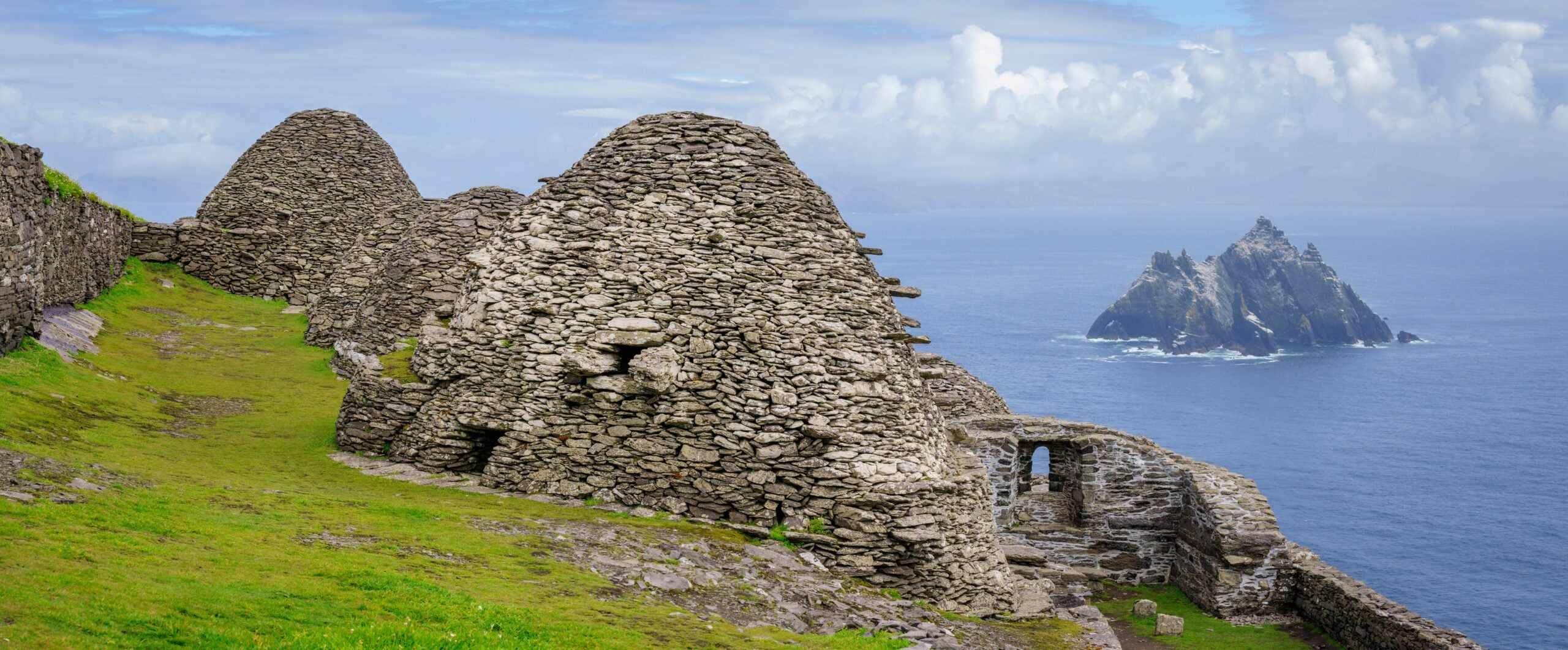
The Office of Public Works manages visitor access to Skellig Michael, where the monastic site is reached by a demanding climb of roughly 600 ancient stone steps. Landing visitors need to be comfortable on uneven ground, exposed slopes and a site with limited facilities. This is a small island in the Atlantic, not an attraction where a wet-weather backup plan appears by magic.
Book a landing boat well ahead for June, July and August, particularly if a Skellig visit is the central event in a Kerry itinerary. Travelers building a wider route can pair it with the Lakes of Killarney, but should avoid scheduling a flight home or another fixed commitment immediately after the boat trip.
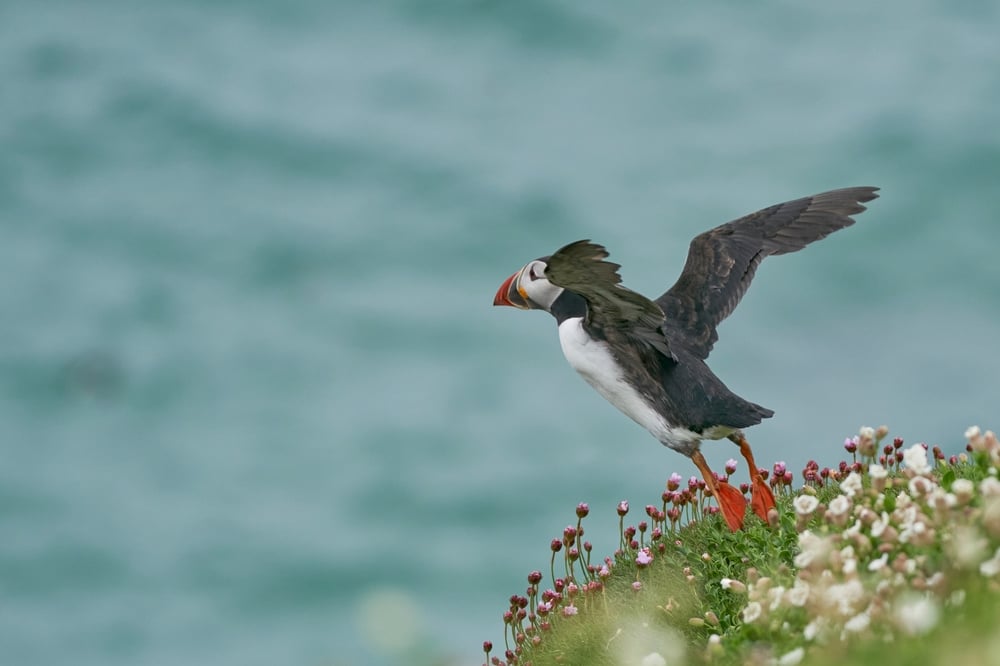
May, June and July offer the most reliable window for seeing puffins around Skellig Michael and Little Skellig. Puffins come ashore during the breeding season, and visitors on both landing and non-landing tours may see them close to the water or on the island’s grassy slopes.
June is often the strongest all-round choice for wildlife-focused travelers. Puffins are present, daylight is generous and operators are usually running a fuller schedule than at the fringes of the season. July remains a good option, although demand for trips can be higher during school holidays.
Puffin sightings are never guaranteed. Wind, rain, sea state and the birds’ own movements shape what can be seen on any departure. Little Skellig is especially important for seabirds, but visitors cannot land there because it is a protected bird sanctuary.
| Period | What to Expect | Best For |
|---|---|---|
| May | Landing season begins around this period, with puffins returning and variable spring weather. | Early-season visitors and birdwatchers. |
| June | Long days, active seabirds and strong demand for landing places. | Puffins, photography and full-day Kerry itineraries. |
| July | Established boat schedules, puffins still present and busy summer demand. | Families and travelers with limited dates. |
| August | Summer boat trips continue, while puffin viewing can become less dependable later in the month. | Boat tours and travelers prioritizing summer travel dates. |
| September | Fewer operating weeks remain, with shorter days and a higher chance that weather disrupts plans. | Flexible travelers seeking a quieter period. |
A landing tour allows passengers to disembark on Skellig Michael, climb to the monastic settlement and spend time on the island under the conditions set for the visit. It is the right choice for travelers who are physically prepared for the climb and want to see the historic site at close range.
A non-landing boat trip, often described as an eco tour or Skelligs cruise, stays on the water and circles or views the islands from sea level. These trips can suit visitors who want coastal scenery and seabirds without the steep walk, as well as those traveling outside the landing window.
Do not assume a boat trip includes a landing. Confirm the tour type, departure point, duration, cancellation policy and what happens if the skipper cannot safely put passengers ashore before paying a deposit.
Weather is the deciding factor for Skellig Michael trips. Calm-looking conditions on the mainland do not guarantee a comfortable crossing or a safe landing at the island. Swell, wind direction and sea conditions around the landing area matter as much as the forecast symbol on a phone screen.
Operators make the final call on departures and landings. A cancellation is disappointing, especially after a long drive to the coast, but it reflects the realities of a remote offshore site. Travelers should keep accommodation flexible where possible and avoid treating a Skellig booking as a fixed appointment.
Pack for wind and spray even on a bright day. A waterproof outer layer, warm mid-layer, secure footwear, water and food are sensible basics. For broader preparation, use this Ireland packing list for rain, walking and daily touring before heading to Kerry.
For June through August, book as early as practical once travel dates are set. Landing boats carry limited numbers of passengers, and a canceled sailing can place extra pressure on later departures when visitors try to rebook.
Contact operators directly before making non-refundable transport or hotel arrangements. Ask about the expected meeting time, parking, sea-sickness advice, age or mobility requirements, time ashore, refunds and alternative dates. A careful plan is particularly useful for first-time visitors following practical advice for planning an Ireland trip.
Skellig Michael is a protected archaeological and natural site, so the visit comes with conditions that do not apply at a typical mainland heritage attraction. Visitors should follow skipper and site-staff instructions, stay on permitted routes and give wildlife space.
The island’s monastery and beehive cells are the reward for the climb, but the route itself requires care. The visit suits travelers who can manage a sustained ascent without relying on rails, paved paths or regular rest facilities.
June is often the best single month for puffins on Skellig Michael because it falls within the breeding season and the core period for boat operations. May and July can also provide strong sightings, subject to weather and wildlife conditions.
Winter is not the normal season for Skellig Michael landings. Boat-only sightseeing options may also be limited because operators and sea conditions vary outside the main visitor period.
No. A booked landing can be canceled or changed if sea and weather conditions make the crossing or disembarkation unsafe. Booking early in a Kerry stay gives you the best chance of finding another departure.
A landing involves a boat crossing and a steep climb on historic stone steps, so it is not suitable for every visitor. A non-landing boat trip can provide views of the islands and seabirds without the island ascent.

Matt Hook is a Canadian writer of Scottish and Irish heritage. He built his writing career creating detailed gaming guides, turning complex mechanics, history and lore into useful information for readers. Matt brings that same research-focused approach to Ireland Wide, where he writes about Irish travel, heritage, history and culture. He also holds CMA and CPA designations as a professional accountant, giving him a strong background in research, accuracy and attention to detail.
At Ireland Wide, our aim is to bring authentically Irish insights to you, wherever you are.
Whether you have some feedback or would like to offer some of your own insights for everyone else to explore, don't hesitate to get in touch with us!