Glenveagh Castle is worth visiting if you want one of Ireland’s most complete castle-and-landscape days out, especially for walkers, gardeners, families, and anyone touring Donegal by car. The main caveat is simple: castle access can change, so check the official park update before you set off.
Set inside Glenveagh National Park on the shore of Lough Veagh, the castle works best as part of a longer half-day or full-day visit, not a quick photo stop. You get the Victorian house, formal gardens, mountain scenery, wildlife, and several walking options in one place. If you’re comparing options, our guide to the best castles in Ireland gives useful context before you commit to a Donegal detour.
For most people, the sweet spot is to combine the gardens, the castle if open, and the walk from the visitor area instead of rushing for a shuttle. That gives Glenveagh time to do its thing.
Search by castle, county or nearby town, then click a marker to open the complete IrelandWide visitor guide.
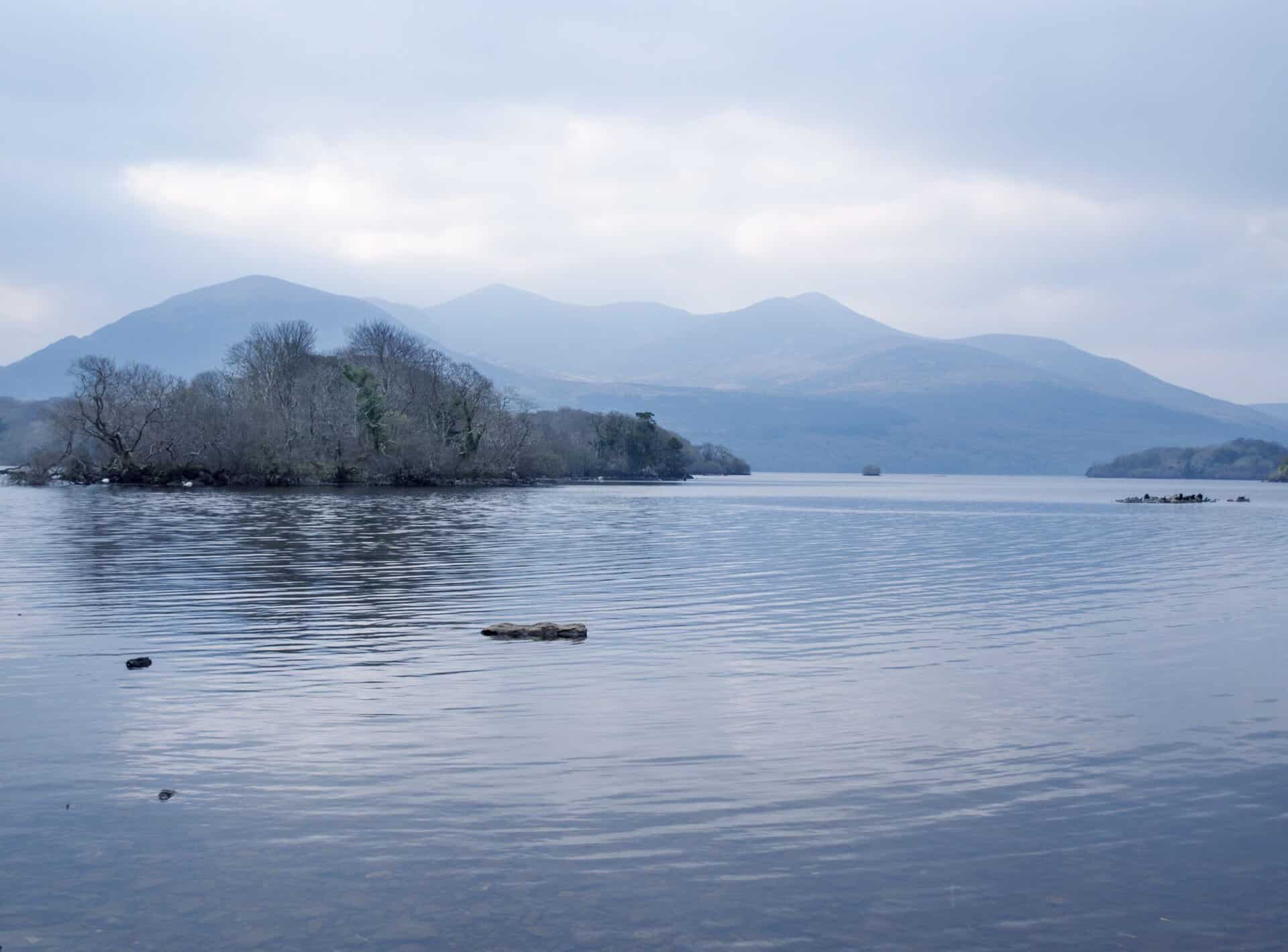
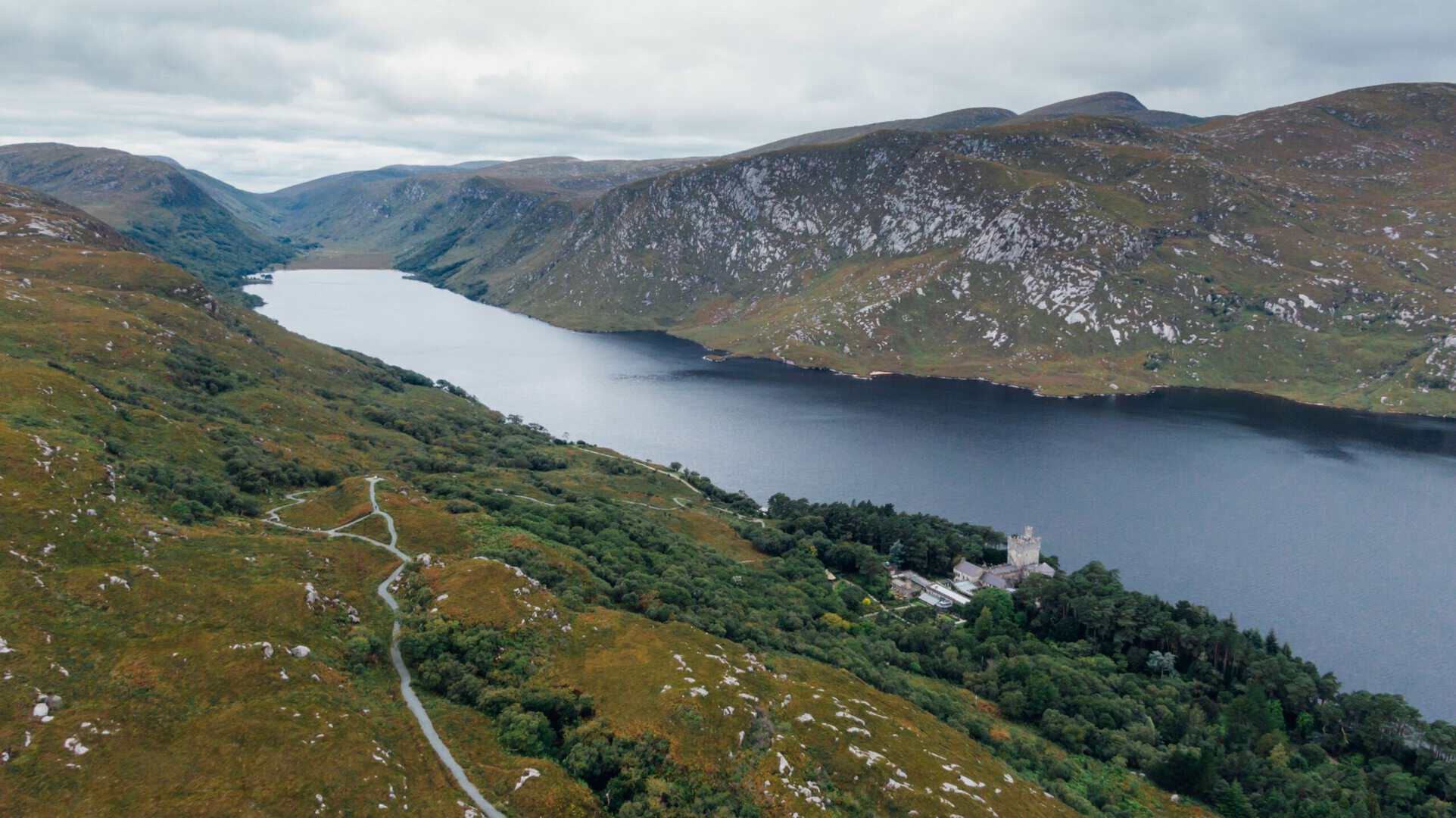
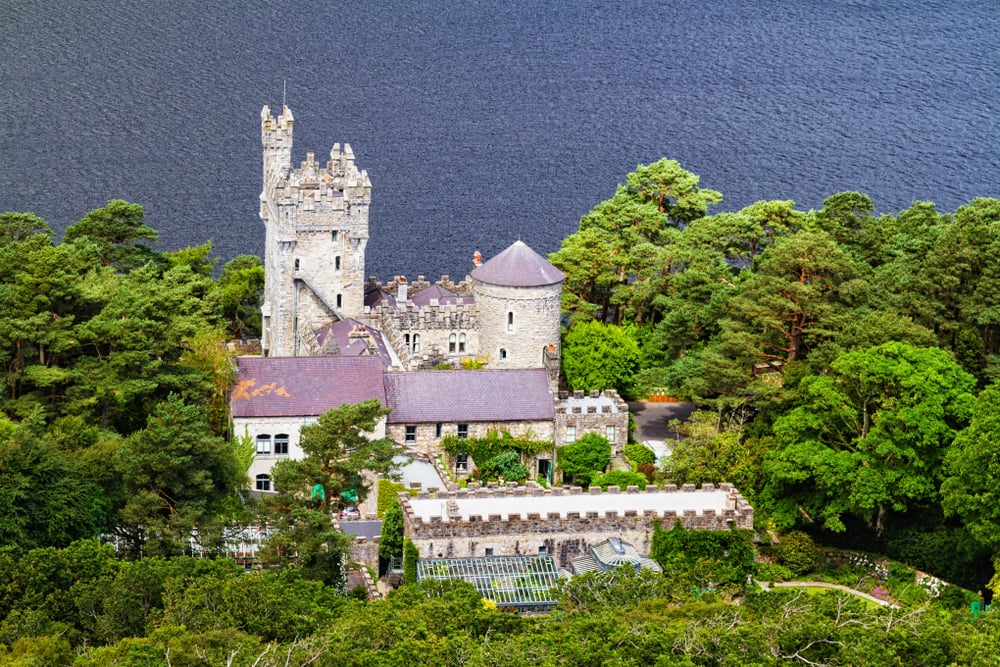
Glenveagh Castle sits inside Glenveagh National Park in the Derryveagh Mountains, about 24 kilometres northwest of Letterkenny. The park is the most northerly of Ireland’s national parks, and the setting is the whole point: mountains, Lough Veagh, woods, deer habitat, and a house that looks as if it was designed for dramatic weather.
People usually come for one of three reasons. Some want the castle interiors and the gardens. Some want a scenic Donegal walk that does not require a serious mountain day. Others want a mixed visit where children can roam, adults get proper views, and nobody has to pretend a heritage stop is thrilling for six straight hours.
If you are building a wider trip, pair this guide with our Donegal travel guide and the broader best castles in Ireland roundup. For a wider route-planning read, things to do in Ireland, where to stay and visit helps place Donegal in the bigger picture.
The park itself is open 7 days a week, but castle opening is more limited. The National Parks and Wildlife Service says Glenveagh Castle is closed on Mondays and Fridays in summer 2026, and it also warns that additional short-notice closures can happen. That detail was checked July 2026 on the official park information page.
This is the single most important planning point in any Glenveagh Castle and National Park Visitor Guide. If the castle interior is your main reason for going, confirm opening on the day through the official park channels before you leave Letterkenny, Gweedore, or Dunfanaghy.
Several visitor sources also note that the last castle entry or final self-guided tour slot is typically late afternoon, with 16:45 widely listed. Since schedules can change, treat that as a planning guide and verify it on the official operator site before travel.
From Letterkenny, the usual route is the N56 through Kilmacrenan, then the R255 toward Gweedore, according to the National Parks and Wildlife Service. Driving is the easiest option if you want flexibility for nearby stops such as Doe Castle, Errigal, or Dunfanaghy.
Local Link service 271 between Burtonport and Letterkenny passes through Glenveagh daily. The park notes that the bus can be picked up at the flagpole in the car park. Check the timetable before relying on it for a tight day plan.
You have two main choices. You can walk to the castle, or you can use the shuttle. The walk from the visitor area is generally described as about 3.5 to 4 kilometres each way, depending on the route description you read, and usually takes around 30 to 40 minutes. The shuttle is useful if weather turns or if you are travelling with anyone who would prefer to save their steps for the gardens.
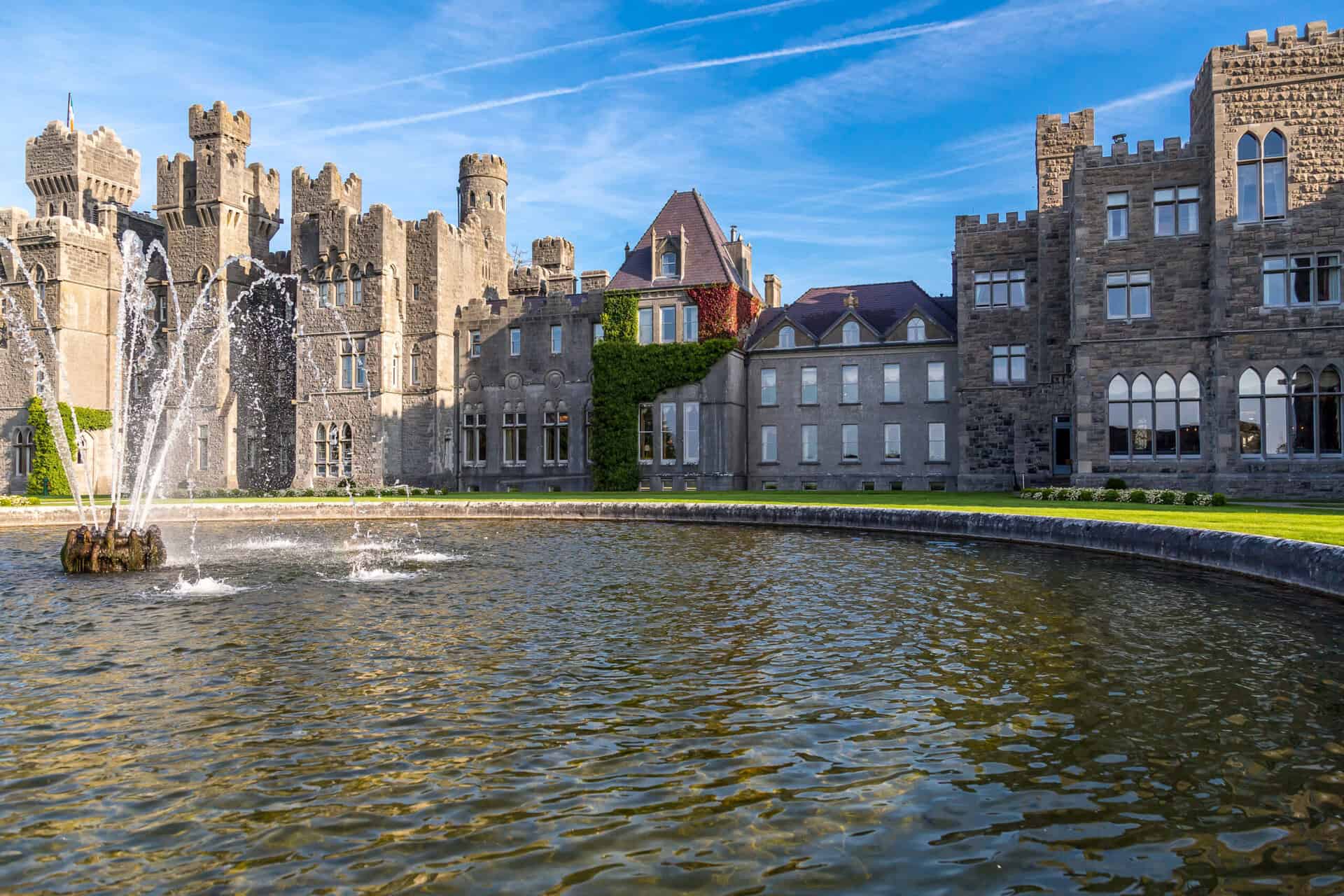
Glenveagh is not a medieval fortress. It is a romantic 19th-century mansion designed to look older and more rugged than it is, which is part of the appeal. Construction ran from 1867 to 1873 for landlord John George Adair, and the interiors are known for retaining original furnishings.
Later owners shaped the house’s social reputation as much as its architecture. Henry Plumer McIlhenny, who bought Glenveagh in 1938, used it as a second home and entertained high-profile guests there. Greta Garbo and Marilyn Monroe are regularly mentioned in Glenveagh’s visitor history, which gives the place an odd extra layer: remote Donegal scenery with a dash of old celebrity house-party energy. The estate was transferred to the Irish State in stages during the 1970s, which helped create the national park known today.
The hardest part of Glenveagh’s history is not decorative. John George Adair is closely associated with the Derryveagh Evictions, one of the most notorious landlord clearances in 19th-century Donegal. Sources widely cite around 244 to 250 tenants being expelled from the estate. That history changes the mood of the place. The scenery is lovely, but the estate story is not soft-focus Victoriana.
Official and interpretive material at Glenveagh also highlights later conservation work, including habitat protection and the reintroduction of golden eagles. The park is not just a house with grounds. It is a major protected landscape, covering roughly 16,000 hectares of mountains, lakes, bog, and woodland.
A local story says a woman affected by the evictions placed a curse on the castle so that its owners would have no children. It is a well-known tale linked to Glenveagh, but it should be treated as folklore, not documented fact.
The headline attractions are the castle interiors, the formal gardens, and the wider national park landscape. The gardens are often the surprise hit, especially if the castle interior is closed. Visitor information highlights the Gothic Orangery, Italian Terrace, Tuscan Garden, and the Pleasure Gardens.
Wildlife is part of the experience too. Red deer are a common talking point, and golden eagles are one of the park’s most famous conservation stories. Bring binoculars if wildlife is your main interest. A simple daypack is enough for most people here.
The visitor centre adds useful context through exhibitions and audiovisual material, including themes such as geology, woodland, local history, and conservation. If weather is rough, start there and decide how ambitious the rest of the day needs to be.
If you only want the house and gardens, 2.5 to 3 hours can work. For most people, 3 to 5 hours is the better plan. If you add a longer trail, nearby scenic drives, or a stop at Doe Castle, this easily becomes a full day.
The visitor centre is accessible, and some castle areas and some trails are accessible too, though not everything is suitable for wheelchair users. That partial-access pattern is common in large historic landscapes, so it is worth checking specific route suitability in advance if you need step-free planning.
For families, Glenveagh is an easy recommendation. The grounds give children room to move, the castle adds a clear focal point, and adults get proper visual drama without committing to a strenuous hill walk. Toilets and food on site also make life simpler.
The best general photos usually come on the approach to the castle and around the formal gardens, where the contrast between ordered planting and rough mountain backdrop is strongest. If the light is flat, lean into it. Glenveagh often looks better moody than sunny.
For castle shots, step back enough to include part of Lough Veagh or the surrounding slopes. Tight front-on photos can make the building look smaller and less dramatic than it feels in person.
Doe Castle is the obvious heritage pairing if you want a second castle in County Donegal. It gives you a very different experience from Glenveagh, with an older tower-house feel and a more compact site. See our Doe Castle visitor guide for planning details.
Errigal is one of Donegal’s best-known mountains and a natural add-on if your day is more about scenery than interiors. Glenveagh itself includes major mountain country, but Errigal has the name recognition and the classic roadside profile many people are after.
Dunfanaghy works well for food or an overnight base if you want to keep exploring northwest Donegal. If your trip includes more heritage stops, our Donegal castles guide pulls several options together.
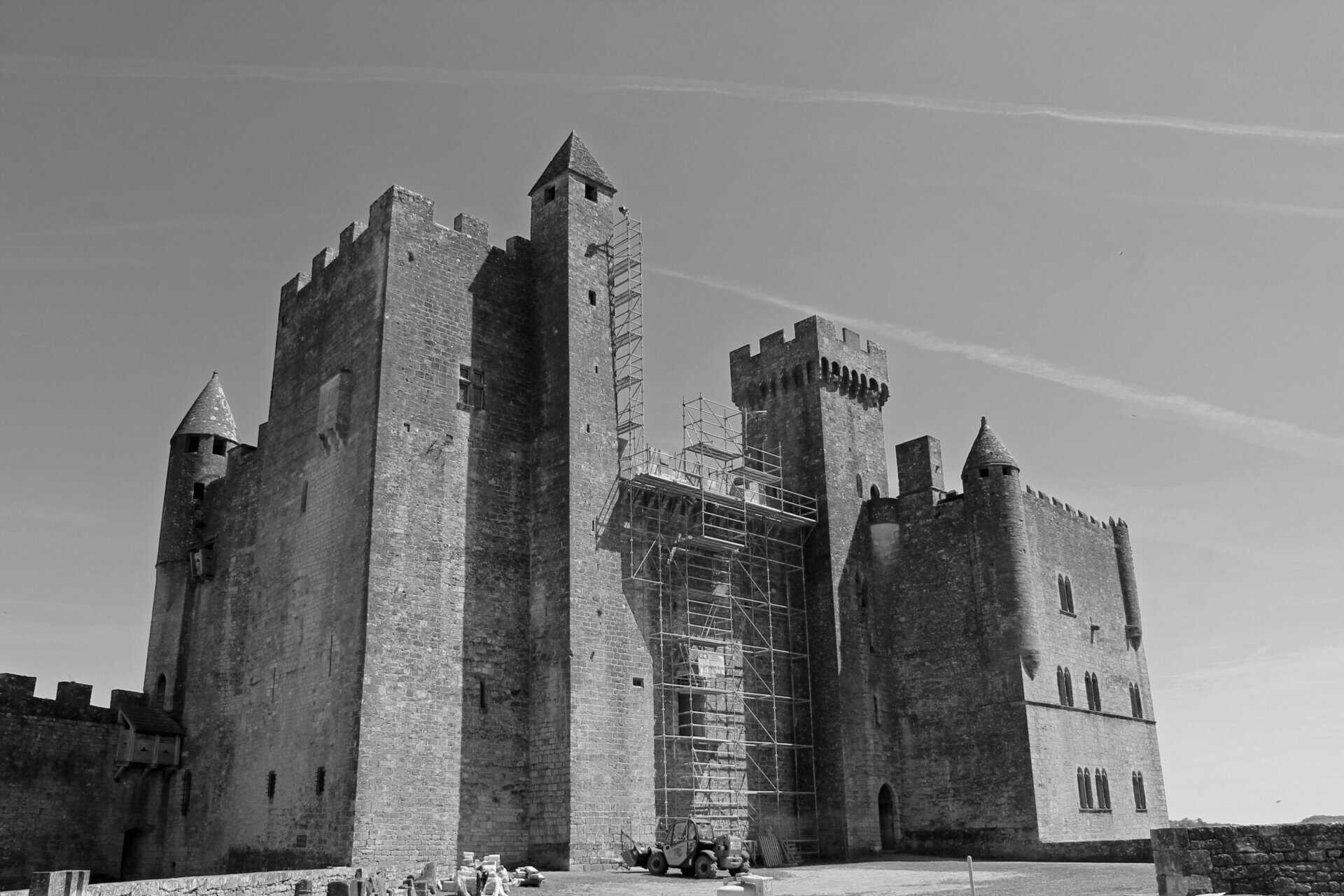
If your wider Ireland trip includes another major fortified site, our Cahir Castle visitor guide makes an interesting contrast with Glenveagh’s much later, romantic style. If you enjoy comparing castle styles, our Dunluce Castle visitor guide is a good Northern Ireland counterpoint: dramatic ruin, cliff-edge setting, much older bones.
Yes, especially if you like a mix of history, gardens, and landscape in one stop. It suits people who want more than a quick castle interior and more structure than a pure hiking day.
If you only care about medieval military architecture, Glenveagh may not be your favourite Donegal castle. If you want atmosphere, walking, and a strong sense of place, it earns the detour.
Park access and the grounds are widely promoted as free to enter, while castle interior visits have been separately ticketed. Prices can change, so confirm the latest castle admission on the official Glenveagh page before travel.
Yes. The walk is generally listed as about 3.5 to 4 kilometres and usually takes 30 to 40 minutes. Many people find it more rewarding than using the shuttle both ways.
No. The park may be open daily while the castle is not. The official summer 2026 notice says the castle is closed on Mondays and Fridays, with possible extra short-notice closures.
Yes. Families usually do well here because the site combines open space, short walking options, gardens, and a castle visit without requiring a full mountain hike.
Absolutely. The gardens, lakeside setting, visitor centre, and wider national park still make Glenveagh a worthwhile stop even when the house is closed.
Check castle opening status on the official operator site on the day of your visit. It matters more here than at many heritage sites because the park and castle do not always operate on the same schedule.

Dan is the founder and editor of Ireland Wide. Born and raised in Ireland, he researches the country’s history, mythology and cultural traditions using museum collections, heritage authorities and historical sources. He leads the site’s editorial team, with a particular focus on distinguishing documented history from later folklore and modern interpretations.
At Ireland Wide, our aim is to bring authentically Irish insights to you, wherever you are.
Whether you have some feedback or would like to offer some of your own insights for everyone else to explore, don't hesitate to get in touch with us!