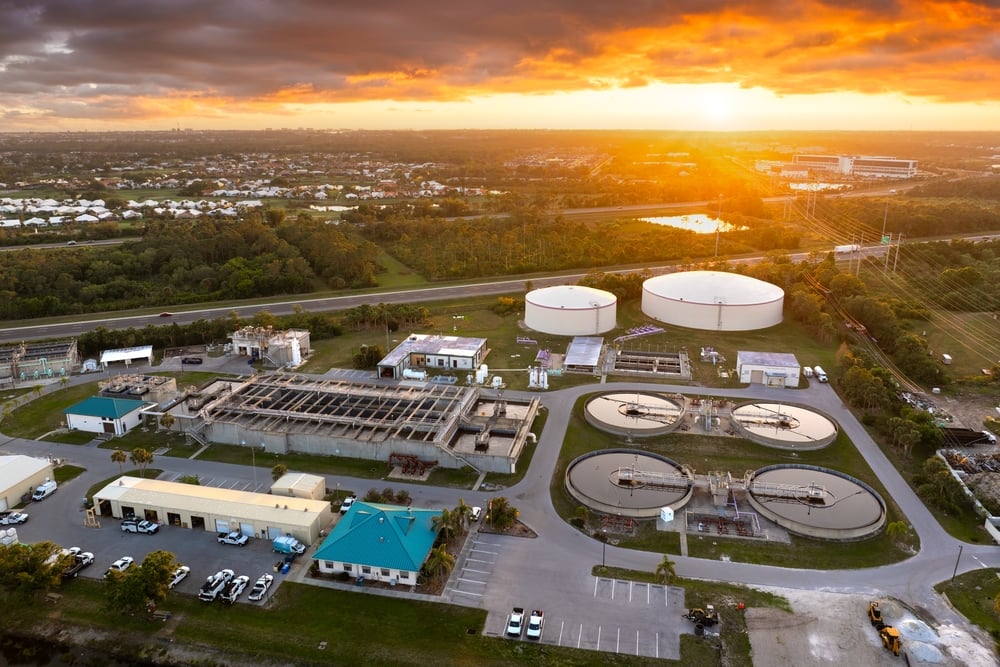
More than half of the wastewater treatment plants in Ireland discharged wastewater that failed to meet national standards designed to prevent pollution over the past year. The Environmental Protection Agency (EPA) puts the failure rate at 55% in its latest urban wastewater report, and it blames poor running of the plants for roughly half of those failures.
The agency’s criticism is aimed at Uisce Éireann, the national water utility that operates the plants. To be fair, the report also shows real progress on raw sewage, so the picture is mixed rather than all bad.
What the EPA found about plant failures
About half of those failures were down to inadequate operation and maintenance. That matters because the fixes are quicker than building new infrastructure.
Pat Byrne, Director of the EPA’s Office of Radiation Protection and Environmental Monitoring, said inspections continue to “identify poor operational practices and inadequate maintenance of wastewater infrastructure.” He added: “Many of these failures could and should have been prevented.” He called on Uisce Éireann to take immediate and effective action.
Byrne acknowledged that investment in new plants is helping to protect the environment. Even so, he said, poor operation and maintenance are still letting untreated wastewater out.
Large towns and cities missing EU standards
Treatment at 13 of Ireland’s 190 large urban areas did not meet EU standards in 2025. Together, those 13 areas produce 48% of the wastewater from the 190 large urban areas. The standards in question were set more than 30 years ago.
The EPA singles out the Ringsend plant in Dublin as “of particular concern”. It serves a population equivalent of more than 2 million. To be fair, a major upgrade designed to bring it into compliance has now been completed. In Cork, the plants that fell short of EU standards were Clonakilty, Cloyne, Rathcormac and Mitchelstown.
Raw sewage is down, but not gone
Eleven towns and villages were still discharging raw sewage every day in 2025, down from 29 at the start of 2023. They include plants serving Foynes, Glin, Kilkee and Howth (Doldrum Bay). Untreated wastewater from the equivalent of about 15,000 people still entered the environment daily as of mid-2026, and 39 areas that once discharged raw sewage have been connected to treatment plants since 2014.
Priority areas and the pace of upgrades
The EPA has identified 72 priority areas where action is “most urgently needed to prevent pollution and protect the environment”. That is down from 148 in 2017. Of the current 72, 35 are places where wastewater discharges continue to harm the quality of rivers, estuaries, lakes and coastal waters. Cork City, Dungarvan, Killarney and Tralee are among them.
The agency doesn’t mince its words on timing: Uisce Éireann “is taking too long to start delivering the improvements needed at three-quarters of these areas.” Upgrading deficient infrastructure is a longer-term challenge, the EPA says, “because of the scale of work involved and the investment required”.
How this compares with last year
The previous report, published in October 2025, found that 59% of treatment plants raised concerns and 15 towns and villages still discharged raw sewage daily. That edition identified 78 priority areas, against 72 now, and noted that the EPA had prosecuted Uisce Éireann 28 times.
Last year’s report also named 14 towns and cities failing EU standards, one more than the 13 recorded for 2025. Noel Byrne, an EPA programme manager, called the situation “simply not good enough.”
What comes next
The good news, such as it is: the EPA says the operational failures can be tackled in the short term through better day-to-day running and maintenance. The infrastructure is the slow part, and that’s where the agency is pressing Uisce Éireann to move faster at the priority areas.
FAQ
What percentage of Irish wastewater plants failed standards?
The EPA’s latest report found that 55% of wastewater treatment plants in Ireland failed to meet regulatory standards over the past year.
Why did the plants fail?
The EPA says about half of the failures were caused by inadequate operation and maintenance, and that many of them could and should have been prevented.
How many places still discharge raw sewage in Ireland?
Eleven towns and villages were still discharging raw sewage every day in 2025, down from 29 at the start of 2023.