

A sensible Killarney National Park packing list for day trips starts with waterproof layers, proper walking shoes, water, food and a charged phone with an offline map. The park can feel mild at the car park, then considerably wetter, cooler or windier by the lakes, on an open road or heading uphill. Ireland weather: not always interested in your plans.
You do not need expedition gear for a short walk around Muckross, Ross Castle, Torc Waterfall or the lake shore. Still, Killarney is a large park, with routes ranging from easy paths to long mountain days. Pack for the route you are actually doing, check conditions that morning, and leave a little room in the bag for the weather changing its mind.
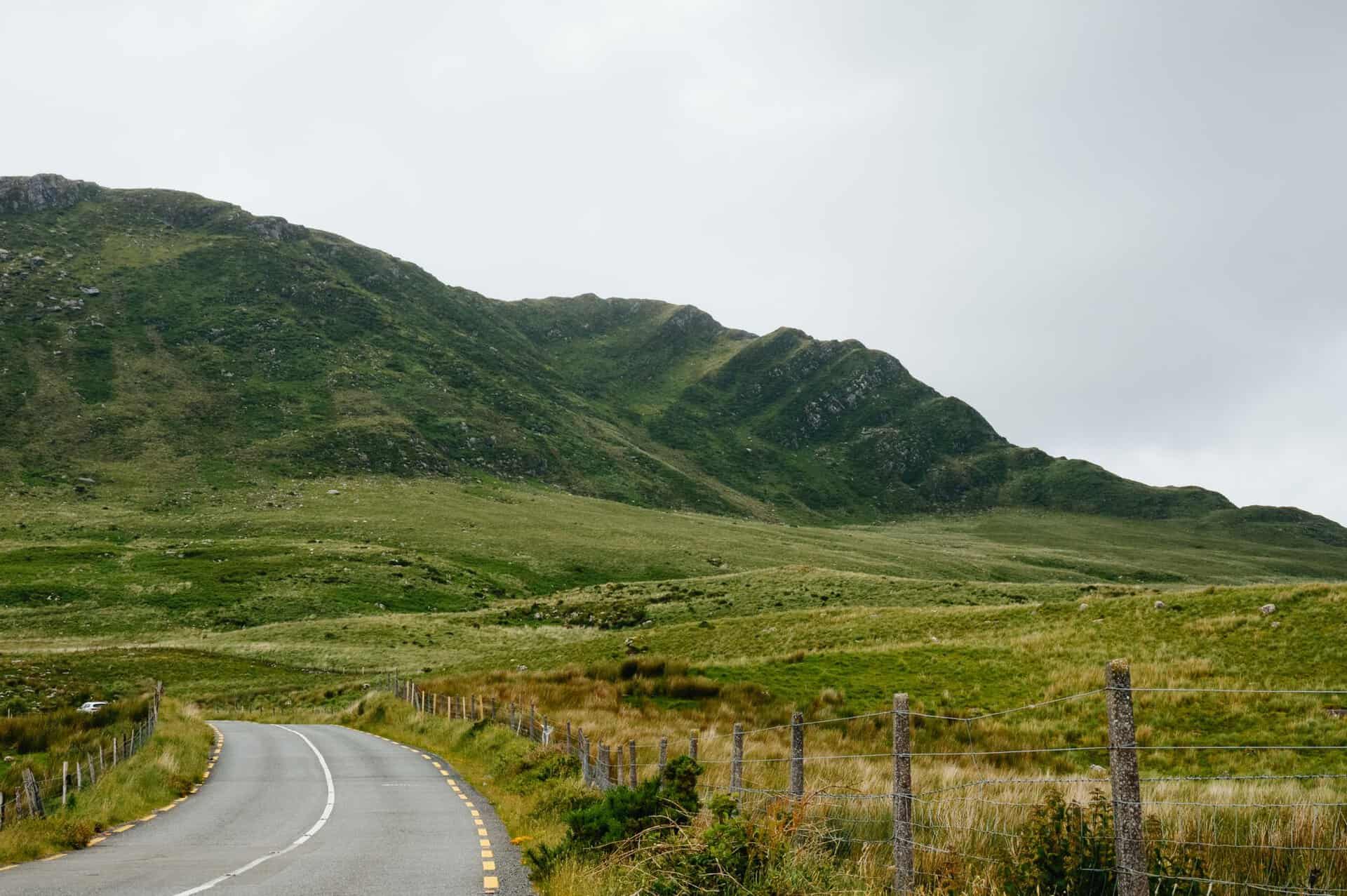
For most visitors planning a few hours of walking and sightseeing, this is the practical baseline:
If rain is likely, add waterproof trousers. If your plan includes longer trails, remote sections or higher ground, bring extra food, a torch or headlamp, and warmer clothing. A casual stroll can become a fairly long day once the lakes and viewpoints start distracting everybody.
A waterproof, windproof jacket is the item not to leave behind, even if the forecast begins with sunshine. Killarney’s Atlantic-influenced weather can change quickly, and a hoodie or water-resistant fashion jacket will not stay comfortable through steady rain.
Choose a jacket with a secure hood and enough room for a fleece underneath. Waterproof trousers are useful for wet grass, muddy tracks, cycling or longer walks. They can stay in the bag on a dry day, which is exactly where they belong until needed.
Check the latest forecast and any warnings through Met Éireann before setting out. Wind and heavy rain affect exposed routes far more than short walks around the main visitor areas, so use the forecast to choose your route as well as your outfit.

Skip jeans for a walking day if rain is possible. Denim stays wet for ages and gets heavy quickly. Quick-drying trousers or leggings are a more comfortable shout. If you are hiring a bike or planning a longer spin, this County Mayo cycling packing checklist has useful rain-gear and day-bag pointers too.
Wear closed shoes with reliable grip. Trail runners, walking shoes or broken-in hiking boots work well for most day trips, while waterproof boots are especially useful after rain and on uneven woodland trails.
Flat city sneakers may be fine for a brief stop at Ross Castle or a smooth lakeside path in dry conditions. They are less convincing on muddy ground, loose stone, wet roots and the approaches around waterfalls. Torc Waterfall can be slippery underfoot, particularly after rain.
Bring walking boots for a route with sustained climbs, rough terrain or a mountain objective. Do not start a more serious route in brand-new boots. Blisters are a fairly rubbish souvenir, and surprisingly good at ruining plans for the following day.

Pack clothing in layers so you can adjust without carrying a huge bag. The useful combination is a breathable base layer, a warm fleece or light insulated layer, and your waterproof shell. Temperatures can feel quite different between a sunny lakeside break and a breezy viewpoint.
Summer still calls for a warm layer in the bag. The sun can be strong when it appears, but shade, wind and a passing shower can cool things down quickly. For broader advice, see this Ireland packing list for rain, walking and daily touring.
Carry enough water and food for the time you expect to be out, plus a bit extra if your route runs long. Cafés and nearby facilities can be handy around the busier sights, but they should not be the only plan for a walk away from the main areas.
A refillable bottle, sandwiches or wraps, fruit, nuts and a few high-energy snacks cover most day trips. Pack food that survives being squashed in a daypack and can be eaten with cold hands. A flask of tea, coffee or soup is particularly welcome on a cold, wet day. Nothing fancy. It does the job.
Do not rely on untreated water from lakes, streams or waterfalls. Bring your own drinking water or use a suitable treatment method if you are undertaking a longer backcountry-style walk.

Bring a charged phone, but download your route or map before leaving accommodation. Mobile signal can be inconsistent in parts of a large national park, and a phone with no signal, no battery and an optimistic sense of direction is not a navigation plan.
The National Parks and Wildlife Service information for Killarney National Park is a good place to check official visitor updates, facilities and guidance before your visit. For longer or higher routes, take a paper map and know how to use it, especially if you are leaving the more developed visitor areas.
Give yourself plenty of daylight. Sunset comes early in winter, and woodland paths are not the place to discover that your phone torch is at 4%.
Killarney National Park is not only a hiking destination. Many day trips combine the lakes, Ross Castle, Muckross House and Gardens, Torc Waterfall, and a short scenic walk, so a few small sightseeing items make the day easier.
Compact binoculars are a decent shout if wildlife watching is part of the plan; this birdwatching packing guide explains the other useful basics. If Muckross House is part of the plan, check admission arrangements and opening information before you go. Opening times and tours can vary by season, so it is better to check than build a day around a closed door.
For a route built around the water, viewpoints and roadside stops, this Lakes of Killarney guide can help you decide where to spend your time. If the park is one stop on a wider drive, the one-day Ring of Kerry itinerary is useful for fitting it into a realistic day.
A longer walk calls for more than the basic sightseeing list. The important additions are spare warmth, extra food, dependable navigation and emergency equipment appropriate to the route and season.
Mountain routes require proper preparation, sound judgement and a willingness to change plans if the weather deteriorates. Mountaineering Ireland safety guidance is useful background for anyone moving beyond low-level park walks. For a more detailed overnight kit, see this multi-day hiking packing list, but do not bring everything simply because you can.
Tell someone your route and expected return time, then stick to the plan unless conditions make turning back the safer call.
Bring sunscreen, sunglasses, insect repellent and a cap alongside rain gear. Long daylight hours make it easier to fit in a walk and sightseeing, but busy parking areas and popular spots can fill up. An early start is usually less stressful.
Add waterproof trousers, spare socks and a warmer mid-layer. Trails can be muddy, leaves can hide uneven ground, and daylight reduces steadily through the season. Keep a torch in the daypack if there is any chance of finishing late.
Pack insulated layers, a hat, gloves, headlamp, extra food and a hot drink. Check forecasts carefully and keep plans conservative. Shorter, lower-level walks and sightseeing stops are often more realistic than a long route when weather and daylight are working against you.
Bring a small bag for your rubbish and take it away with you. Keep food scraps, tissues and biodegradable waste out of the park as well. They do not disappear just because they look harmless.
Stay on marked paths where possible, close gates behind you where required, and keep a respectful distance from wildlife. If travelling with a dog, check the current park guidance before arriving, as rules can vary by location, season and wildlife protection needs. The National Parks and Wildlife Service publishes visitor advice through its official Killarney National Park channels.
Never use a disposable barbecue or light a fire in the park. Dry vegetation and changing conditions can create a serious fire risk. This report on the Killarney National Park fire linked to human activity is a useful reminder why. Pack a picnic, enjoy it, and take every bit of it back out.
A daypack gets heavy quickly, so leave out items that do not earn their space. Large suitcases, bulky cotton layers, multiple changes of clothes and oversized camera equipment are usually more hassle than help for a normal park day.
There is no need to carry formal clothes if you are returning to your accommodation before dinner. Bring walking gear that is comfortable, pack one dry layer, and keep valuables to a minimum. The point is to be ready for Killarney’s conditions, not to move house for the afternoon.
Hiking boots are recommended for muddy, uneven, steep or longer trails. For short, dry walks around major sights, supportive walking shoes or trail runners with good grip are usually enough.
Yes. A lightweight waterproof jacket belongs in your daypack throughout the year because rain and wind can arrive quickly, including during summer sightseeing days.
Food and drinks may be available near busy visitor areas and nearby Killarney town, but availability depends on where you are and the season. Carry water and snacks if you will be walking away from the main attractions.
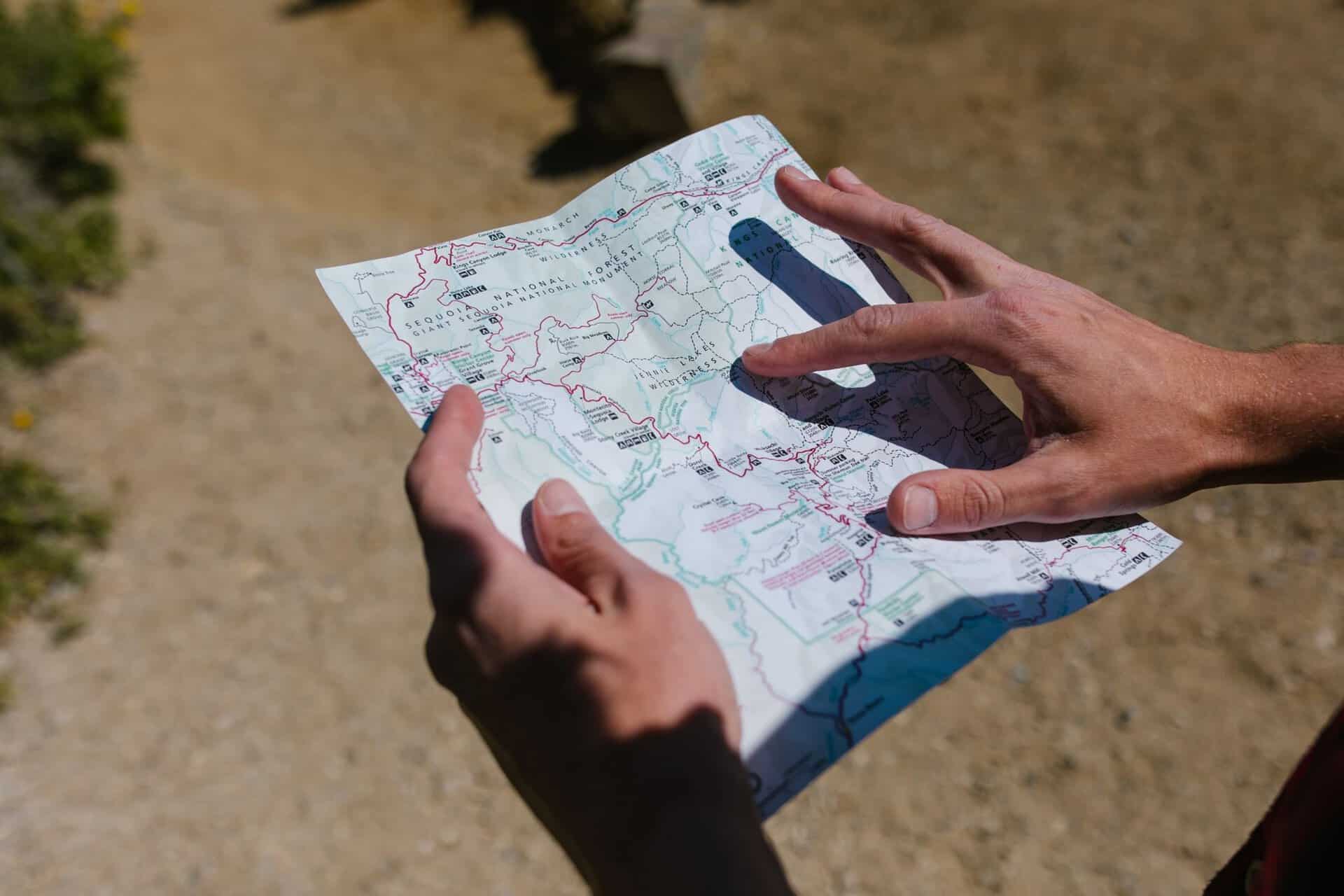
A phone with an offline map is useful for short, well-marked routes. Take a paper map and compass for longer walks, unfamiliar terrain or any route where a lost signal or flat battery would leave you without navigation.
Wear shoes with a grippy sole, bring a waterproof jacket, and keep valuables protected from spray and rain. The ground and steps can be slick, especially after wet weather.

Matt Hook is a Canadian writer of Scottish and Irish heritage. He built his writing career creating detailed gaming guides, turning complex mechanics, history and lore into useful information for readers. Matt brings that same research-focused approach to Ireland Wide, where he writes about Irish travel, heritage, history and culture. He also holds CMA and CPA designations as a professional accountant, giving him a strong background in research, accuracy and attention to detail.
At Ireland Wide, our aim is to bring authentically Irish insights to you, wherever you are.
Whether you have some feedback or would like to offer some of your own insights for everyone else to explore, don't hesitate to get in touch with us!