

If history is one of the things you enjoy most about travelling, there is a big difference between reading about a place and actually standing in it. Museums can provide the objects, dates and background, but visiting an old city, castle or archaeological site adds a sense of scale that is much harder to get from an exhibition.
That does not mean there is one definitive list of places every history lover needs to visit. Interests vary enormously. Some travellers are fascinated by the Roman Empire, while others would happily spend a week exploring medieval towns, old fortifications or the remnants of ancient civilisations.
The destinations below are simply a selection of options to consider when planning a holiday with history at its centre.

Historical holidays can benefit from a little more planning than a straightforward beach break. Opening hours, ticket availability and the distance between sites can make a surprisingly large difference to what you are able to see in a day.
It is also worth checking whether important attractions require timed tickets. Some major archaeological sites and monuments restrict entry numbers, particularly during busy periods. For example, the official Parco archeologico del Colosseo provides current visitor information for the Colosseum, Roman Forum and surrounding archaeological area.
Booking accommodation ahead of time can be beneficial too. You might find a room in a centuries-old hotel, or an apartment in the centre of town where you can hear the chiming of cathedral bells. You usually save by organising your accommodation and transport ahead of time, too. Travel insurance from providers like Staysure can provide financial protection for your trip in the event of cancellation or travel delays.
Before finalising an itinerary, it is worth checking:
| Type of trip | Places to consider | Why you might choose it |
|---|---|---|
| Ancient cities | Rome, Athens | Archaeology mixed with modern city life |
| Medieval towns | Bruges, Rothenburg, York | Historic streets, churches, walls and architecture |
| Castles | Cahir, Windsor | Military, political and social history |
| Ancient landmarks | Giza, Petra, Machu Picchu | Large-scale archaeological sites and engineering |
| UNESCO sites | Dubrovnik, Kraków | Places recognised for outstanding cultural significance |
Ancient cities are a good choice if you like seeing different periods of history sitting almost on top of one another. Modern roads, cafés and apartment buildings can exist only a short walk from structures that have survived for centuries or, in some cases, millennia.
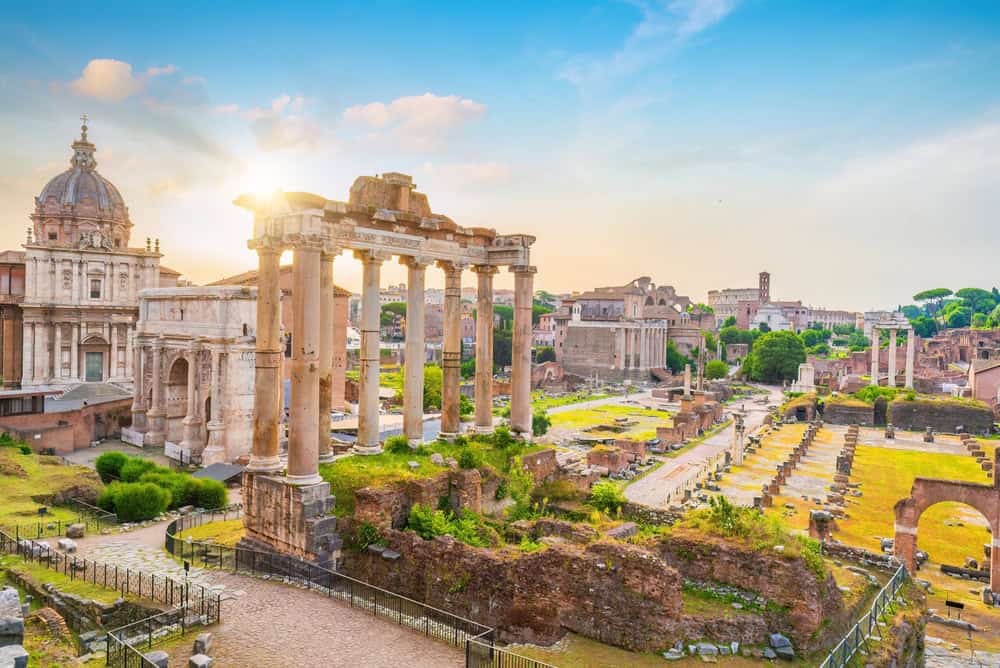
Rome is an obvious option for travellers interested in the Roman world. The Colosseum, Roman Forum and Pantheon are among the most recognisable remains, but part of the appeal is simply walking around the city and repeatedly coming across fragments of its past. Rome also allows you to combine archaeological sites with museums, churches, food and ordinary city sightseeing rather than making history the only focus of the trip.
Athens offers something similar from a Greek perspective, with ancient monuments forming part of a busy modern capital. The Acropolis naturally receives much of the attention, although museums and smaller archaeological locations throughout the city add considerably more context.
Popular ancient cities can become extremely busy during the summer. Doing the best European city breaks before summer can mean fewer crowds and, depending on the destination, more comfortable temperatures. Visiting major archaeological attractions early in the day is also often a sensible option.
For travellers more interested in the Middle Ages, smaller European towns can sometimes feel more immersive than large capitals. Street patterns, city walls, market squares and religious buildings can reveal how a town developed long before cars and modern urban planning arrived.
Europe has its wealth of beautiful towns where historic architecture remains a major part of the experience.
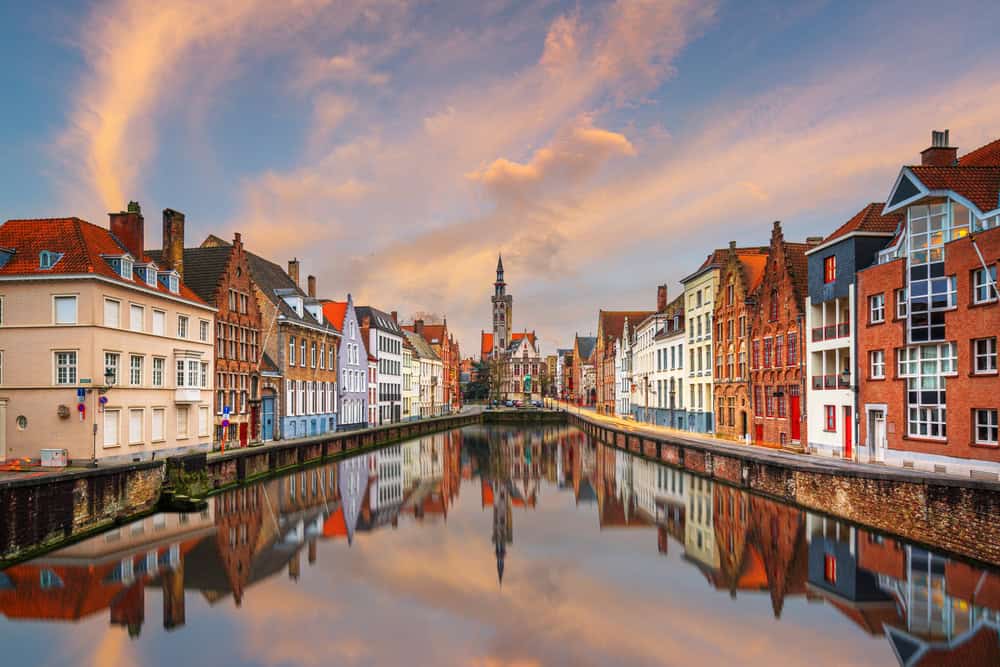
Bruges in Belgium is known for its canals, historic centre and market squares, while Rothenburg ob der Tauber in Germany has retained substantial stretches of its town walls and medieval street layout.
York is another option if you are travelling in the United Kingdom. York Minster, sections of the city walls and the narrow Shambles area can be explored within a relatively compact part of the city. The JORVIK Viking Centre also provides a look at an earlier period in York’s development.
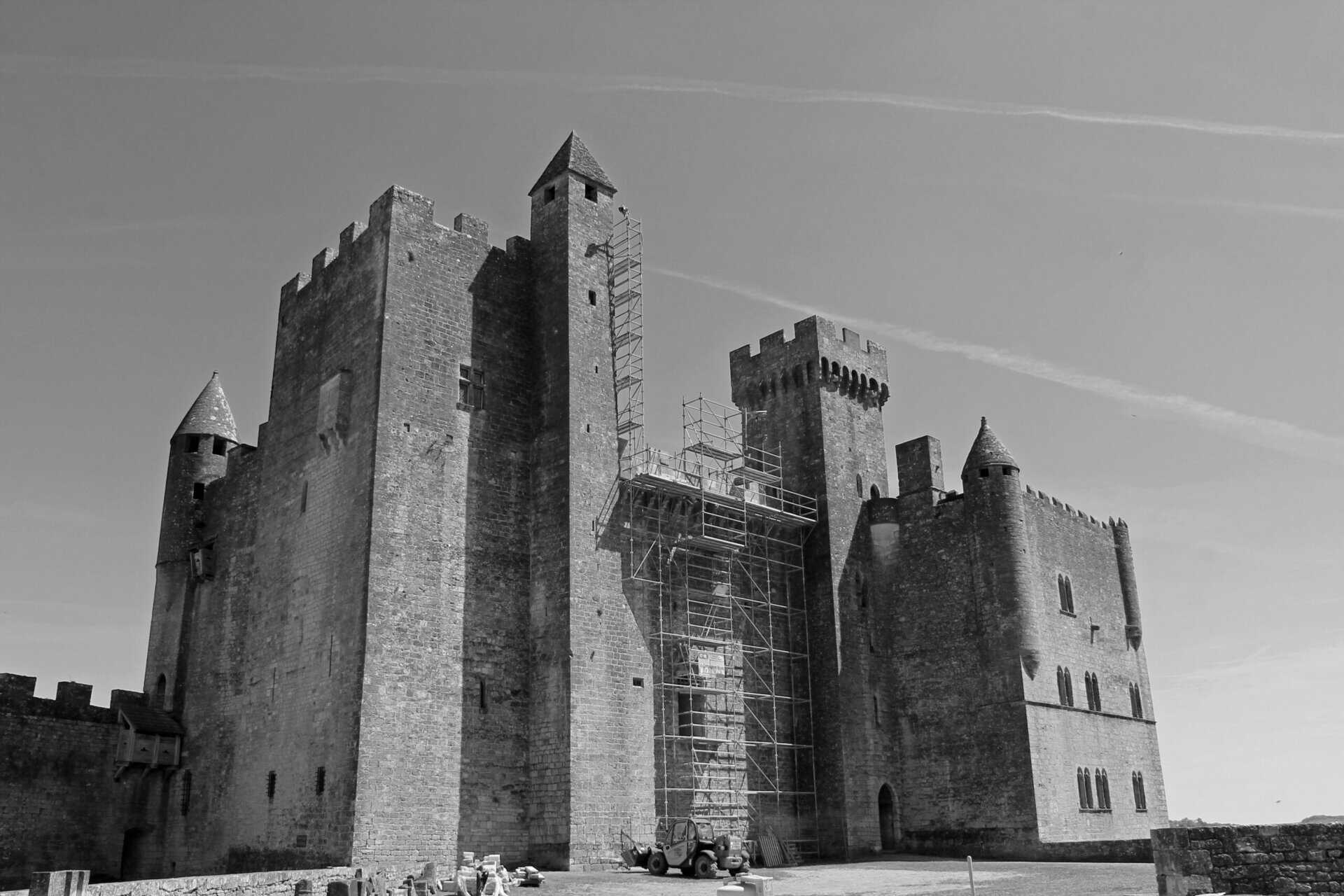
Castles offer a slightly different way into history. Rather than simply looking at what people built, you can often see how rulers attempted to defend territory, control important routes and demonstrate wealth and authority.
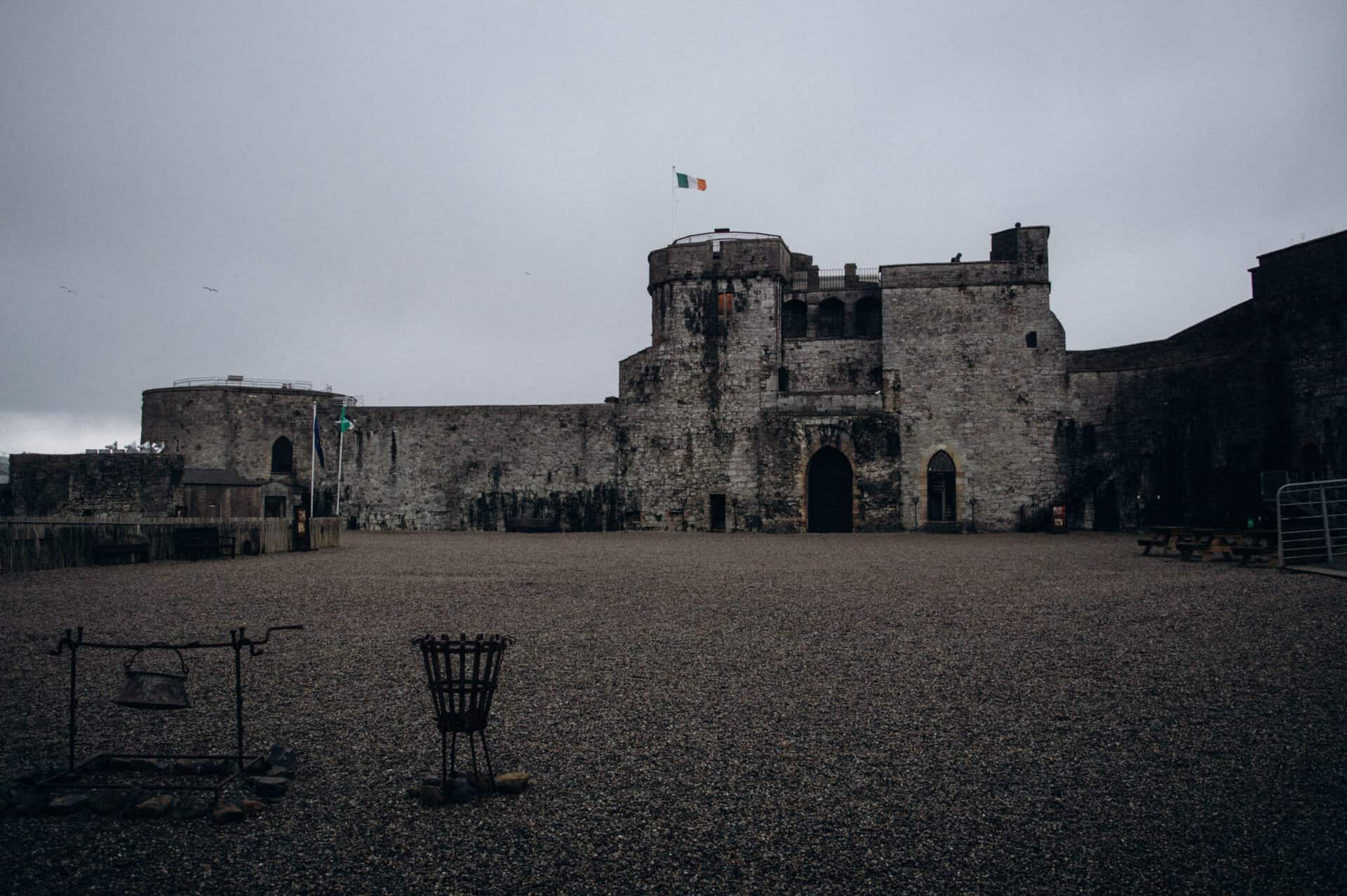
They also vary considerably. A ruined tower house provides a very different experience from a restored royal residence, so it is worth looking at the type of castle before adding it to an itinerary.
Ireland provides plenty of options. Travellers putting together a longer road trip can browse this guide to castles in Ireland, which includes everything from major visitor attractions to ruins and historic properties.
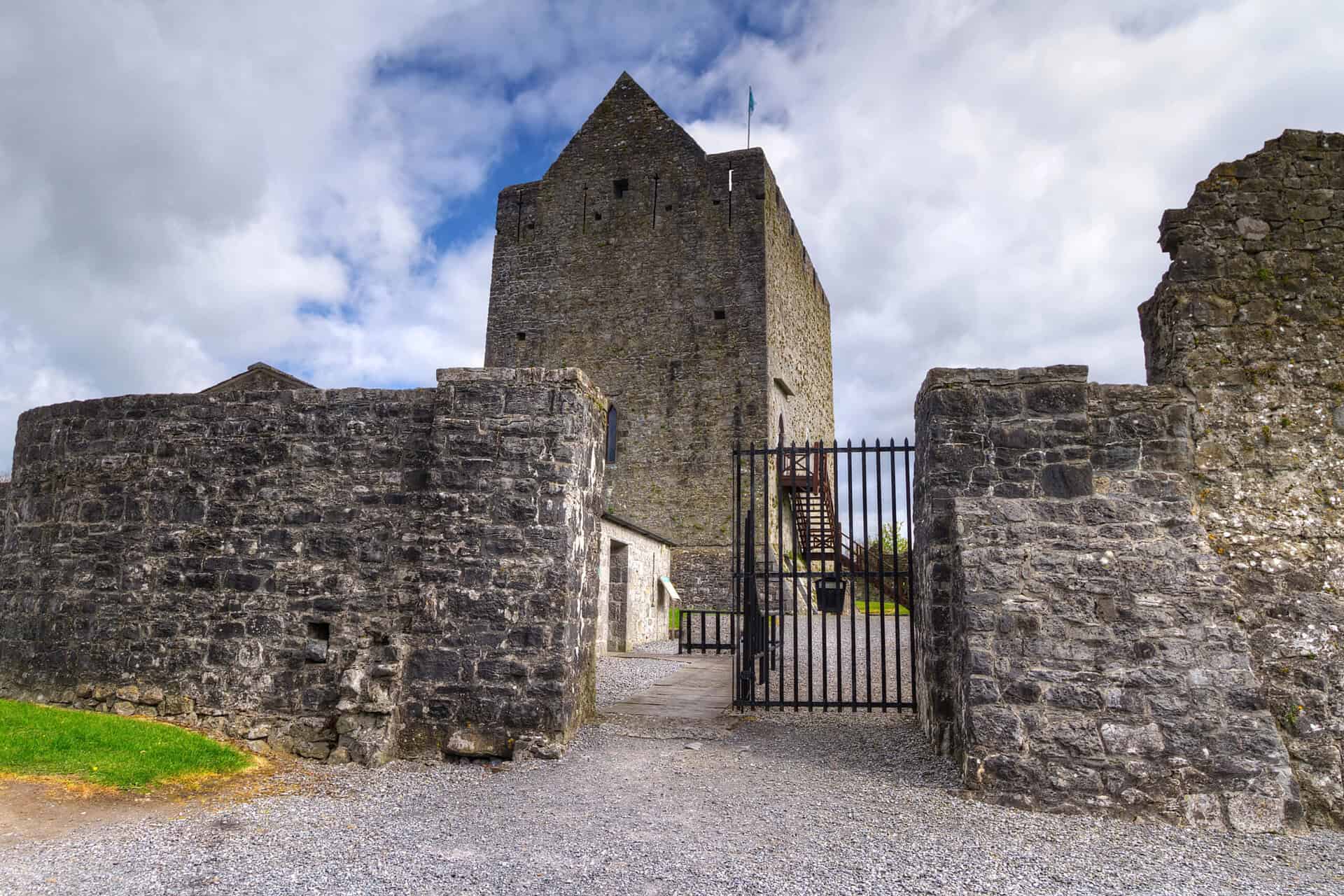
Cahir Castle in County Tipperary is one possibility. Built on a rocky island in the River Suir, it developed into an important stronghold associated with the Butler family. The official Heritage Ireland listing for Cahir Castle describes it as one of Ireland’s largest and best-preserved castles and provides current information for visitors.
Windsor Castle in England offers a very different experience. Rather than a medieval fortress preserved primarily as a historical attraction, it remains a working royal residence. That makes it useful for seeing how one site can change and expand across many different periods of British history.
Some historical landmarks are famous enough to appear on travel wish lists even for people who would not describe themselves as history enthusiasts. Their scale alone can make seeing them in person worthwhile.
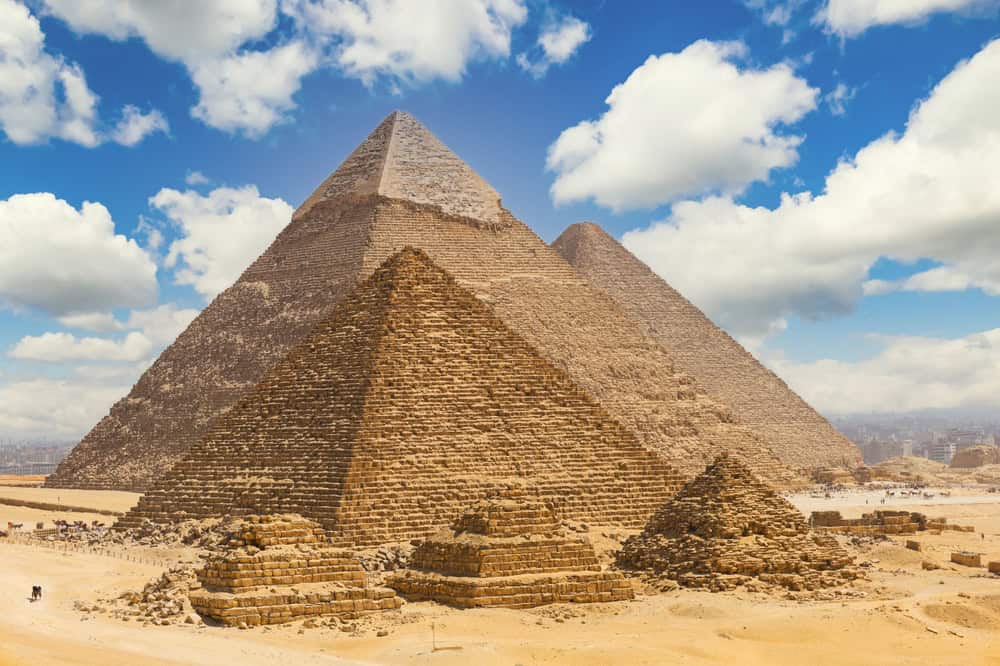
The Great Pyramid of Giza is perhaps the clearest example. Photographs can communicate its shape but have a harder time conveying the sheer size of the structure and its relationship with the surrounding pyramid complex.
Petra in Jordan offers something different again. Its rock-cut structures, including the famous Al-Khazneh or Treasury, form part of a much larger archaeological landscape, so visitors who have time to explore beyond the most photographed façade can get considerably more from the site.
Machu Picchu in Peru combines archaeology with a particularly dramatic mountain setting. Travellers can visit as part of a more conventional itinerary or, where appropriate permits and arrangements are available, reach the area through multi-day trekking routes such as the Inca Trail.
UNESCO World Heritage Sites can also be a useful starting point when researching historical trips. Inclusion does not simply mean somewhere is a popular tourist attraction. Sites are inscribed because UNESCO considers them to have outstanding universal value under its cultural or natural heritage criteria.
Dubrovnik’s Old Town in Croatia is one option for travellers interested in maritime and medieval history. Its fortifications, stone streets and historic buildings reflect the city’s long period as an important Adriatic trading power.
Kraków in Poland provides another kind of historical city break. Its medieval centre, churches, market square and later architecture allow visitors to explore several different eras within a relatively walkable area.
UNESCO recognition can be particularly helpful when you are travelling somewhere unfamiliar and want ideas beyond the most heavily advertised attractions. There are more than a thousand listed cultural and natural properties around the world, ranging from individual monuments to entire historic city centres and archaeological landscapes.
A historical holiday does not necessarily require travelling across Europe or booking a long-haul flight. Ireland has archaeological sites, castles, monastic settlements, museums and historic towns spread throughout the country, making it relatively easy to build history into a weekend or road trip.
If the weather makes an outdoor ruin less appealing, there are also plenty of indoor options. These free museums in Dublin, for example, provide another way to explore Irish history and culture without building the entire day around one major attraction.
Ultimately, the most useful destination is the one that matches the period of history you actually care about. Someone fascinated by Rome may get far more from two well-planned days around the Forum than from racing between five unrelated landmarks. Likewise, a traveller interested in medieval Ireland might prefer several smaller castles and historic towns to one famous European monument.
Choosing a period or theme first, then building the itinerary around it, can make a historical holiday feel much more connected and leave enough time to understand the places you are visiting rather than simply ticking them off a list.

The Irelandwide Editorial Team is a group of travel writers, researchers, and content creators dedicated to publishing accurate, up-to-date information about Ireland. Our content covers travel guides, castles, attractions, Irish culture, tourism news, and official data to help visitors and locals alike. We prioritize reliable research, clear writing, and trusted sources to create practical resources for exploring Ireland with confidence.
At Ireland Wide, our aim is to bring authentically Irish insights to you, wherever you are.
Whether you have some feedback or would like to offer some of your own insights for everyone else to explore, don't hesitate to get in touch with us!