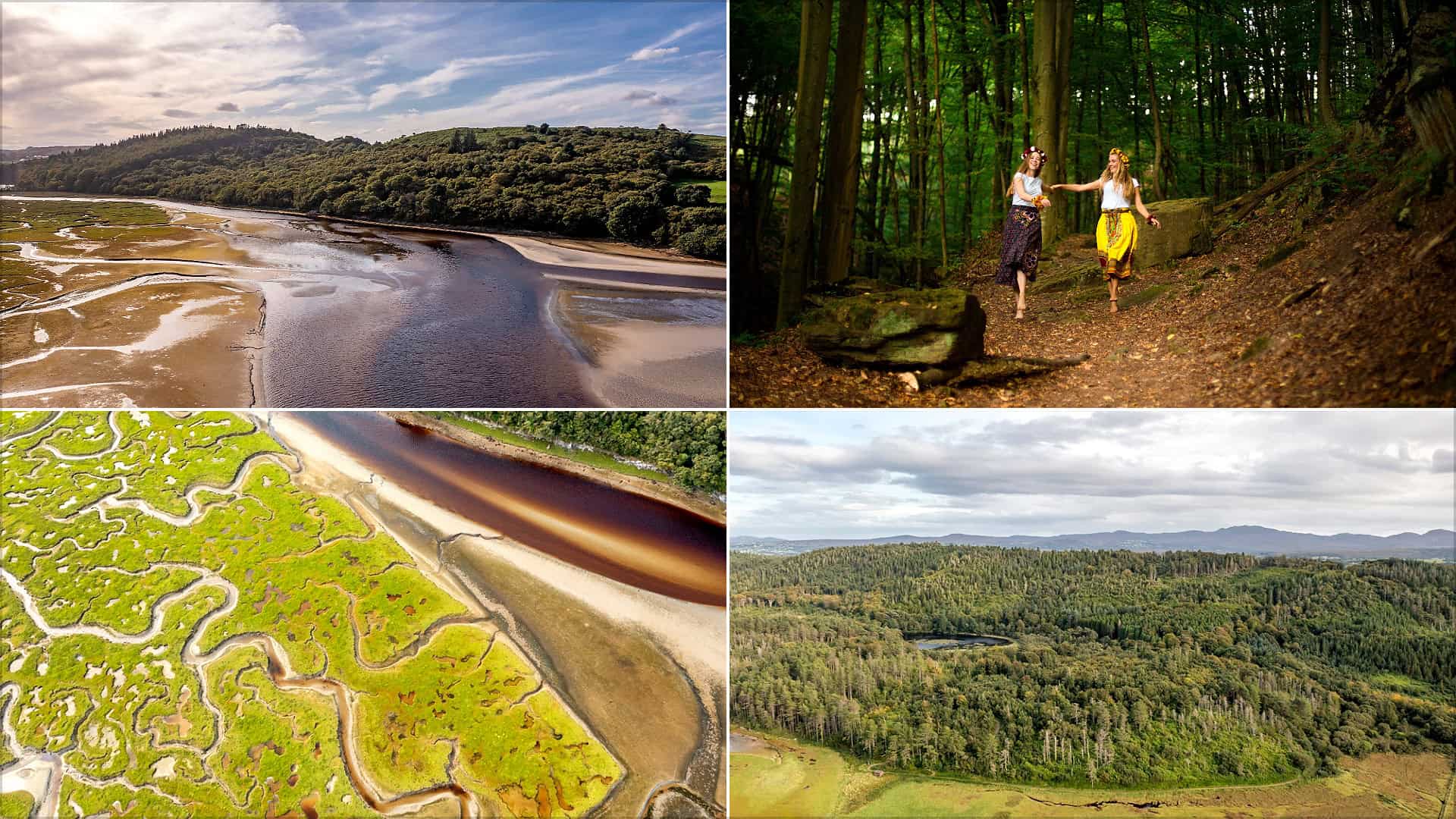
Ards Forest Park is one of Donegal’s best all-round outdoor days out, combining signposted woodland walks with beaches, dunes, salt marshes, lakes and coastal views on the N56 between Creeslough and Dunfanaghy.
Coillte manages this 480-hectare park, which has nine marked trails and enough variety to suit a short family stroll, a longer walk, or an unhurried day near Sheephaven Bay. Bring suitable shoes, allow more time than you first planned, and keep an eye on the park noticeboard for the most useful on-the-ground trail information.
This Ards Forest Park guide covers the walks, practical facilities, historical sites and planning details that make a visit easier. It also fits neatly into a west coast of Ireland road trip, particularly for anyone travelling through north Donegal on the N56.
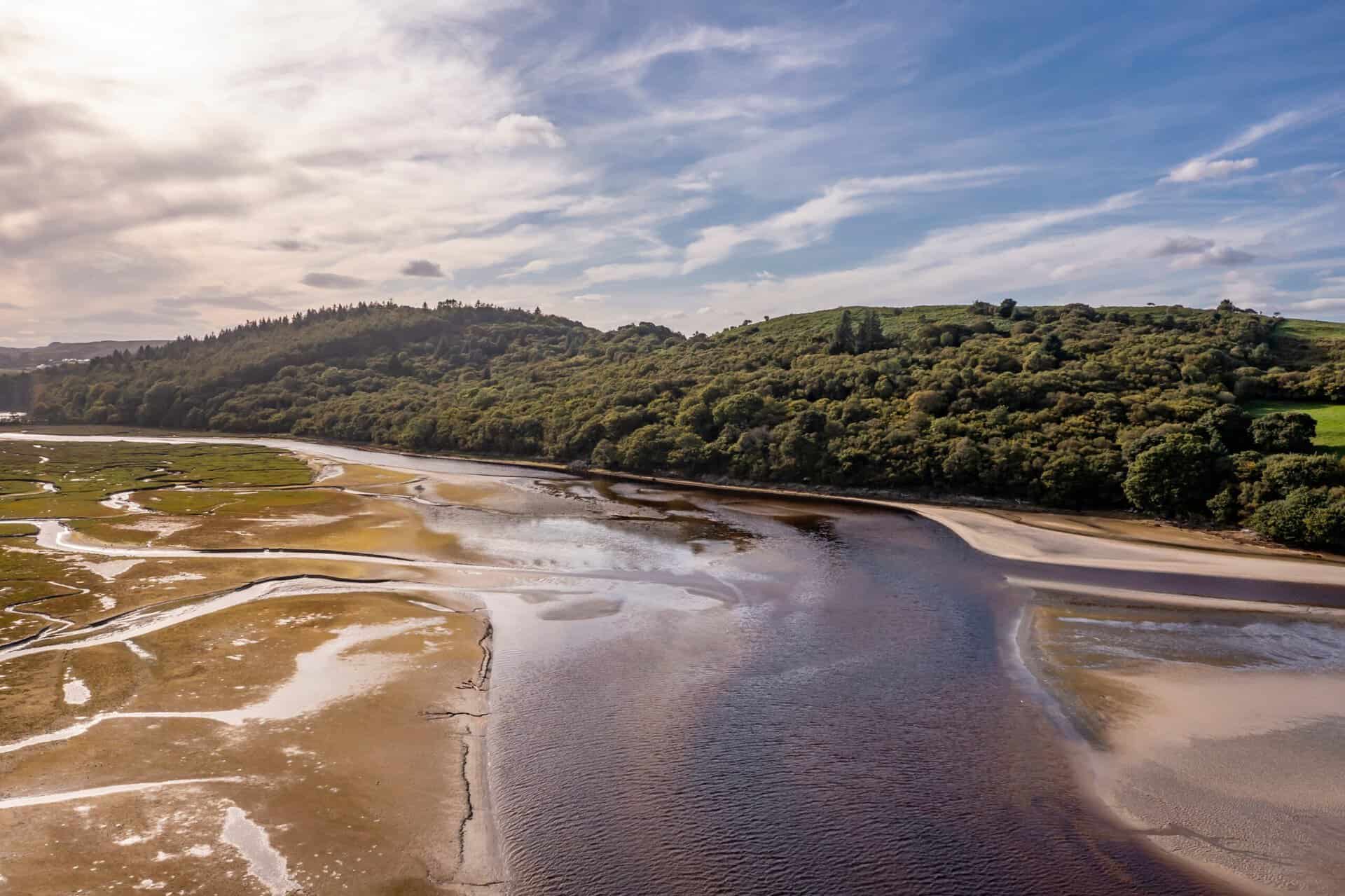
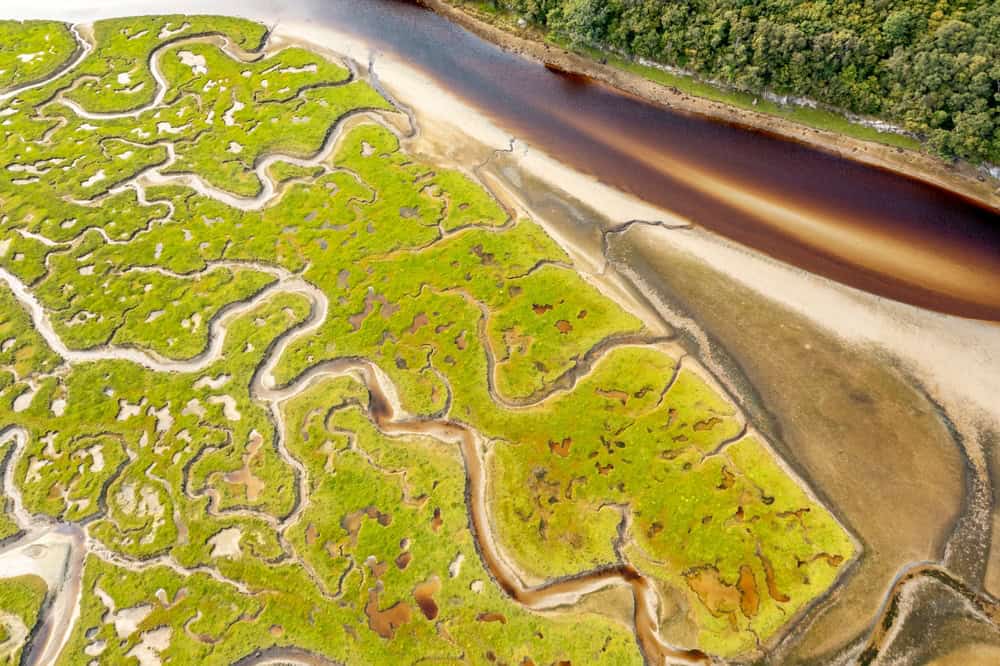
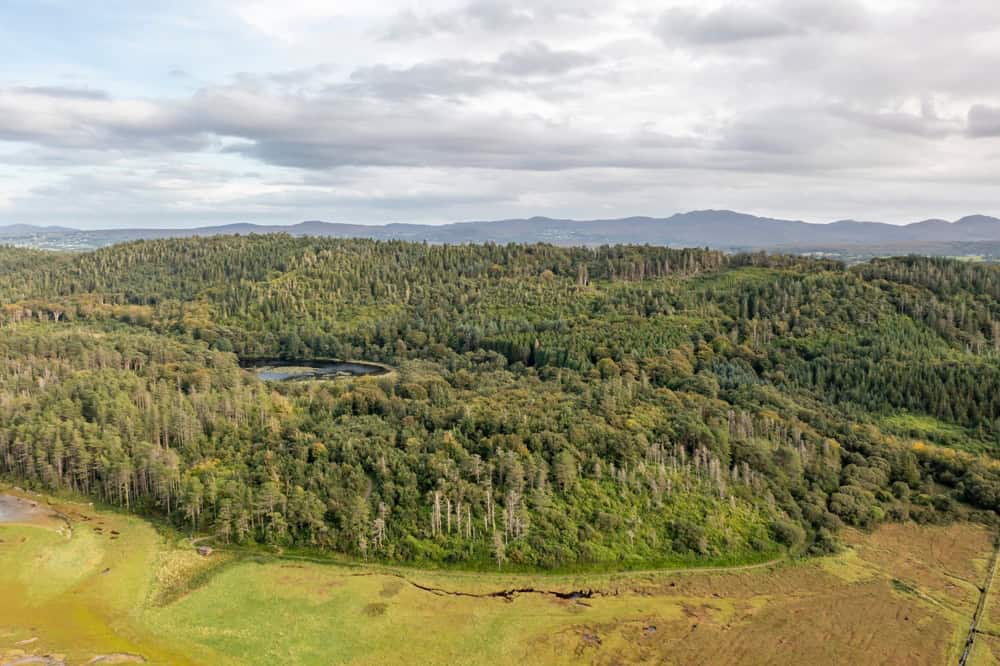
Ards Forest Park packs an unusual range of landscapes into about 1,200 acres. Its paths pass through deciduous and coniferous woodland, sand dunes, salt marsh, sandy coves, rocky shore and saltwater lakes. Few forest parks give you a beach walk and a shaded woodland route in the same outing.
The park occupies a peninsula on Sheephaven Bay, north of Creeslough and a short drive from Dunfanaghy. The setting gives the trails a properly coastal feel, with trees extending toward the water in places and Atlantic-facing views opening up along the shore.
Discover Ireland highlights Ards Forest Park for its mix of woodland, beaches, dunes and lakes, while Coillte notes several archaeological features within the grounds. It is a strong choice for groups where not everyone wants the same kind of walk, and a useful stop while exploring County Donegal and Ireland’s other counties.
There are nine signposted trails in Ards Forest Park. Trail markers and the map at the entrance are the sensible starting point, especially if you want to combine routes or avoid committing to a longer loop late in the day.
The Sand Dune Trail is the straightforward option for people who want a manageable walk with a good sample of the park’s coastal character. Discover Ireland estimates it takes around 90 minutes. It is a useful family route, particularly when paired with time at the playground and beach.
The 5km Ards Heritage Trail adds historical interest to the scenery. Ards contains the remains of four ring forts, along with a holy well and a mass rock. Check the park noticeboard map before setting off, as it identifies the locations of these features.
These are places to approach with care. The reward is not a polished museum-style display but a chance to encounter evidence of earlier settlement within the woods and coastal landscape.

The Red Trail is the longer commitment. At about 13km, it travels through forest and alongside Manus Lough. It has shortcut options back toward the start, which is handy if the weather changes, younger walkers run out of steam, or lunch becomes a more persuasive idea than another kilometre.
For wider coastal scenery, take the Binngorm Trail. For birdwatching, make time for the Salt Marsh Trail, where a hide overlooks the marsh and offers a quiet spot to watch feeding birds. Bring binoculars if you have them, but the trail is worthwhile even without them.
For the walking routes, a pair of waterproof walking boots is a practical choice after rain, when woodland paths and coastal ground can be wet or uneven.
Allow two to four hours for a relaxed first visit, including a short or medium trail, the beach area and a stop at the picnic grounds. A longer day makes sense if you plan to walk the Red Trail, join several routes together, or spend time looking for the archaeological sites.
Families can comfortably build a half-day around the Sand Dune Trail, the playground and the beach. Keen walkers can use the network to create a longer route through several habitat types. Discover Ireland suggests that linked trails can add up to more than 15km across the park.
The main entrance is on the N56, around 5km north of Creeslough, between Creeslough and Dunfanaghy. Ards Forest Park is approximately a 10-minute drive from Dunfanaghy, about 25 minutes from Downings and around 30 minutes from Letterkenny.
Parking has been listed at €5 per vehicle, with contactless card payment reported for the car park. Charges and payment arrangements can change, so check the entrance signage on arrival. Coillte also offers an annual pass for its recreation sites.
Published seasonal car-park hours have generally been 8am to 9pm from April through September and 8am to 5pm from October through March. Arrive with enough time to finish your chosen route well before the gates close, particularly during the shorter winter days.
Ards Forest Park works best when you slow down enough to notice the changes underfoot. One stretch can be thick with trees and bramble, then open toward dunes, salt marsh or a rocky edge of Sheephaven Bay. The mix supports wildlife including red squirrels, rabbits, foxes, badgers and hedgehogs, though wildlife sightings are never guaranteed.
Lough Lilly is another small highlight. In August, Discover Ireland recommends watching for the water lilies blooming on the lake as you head toward the shore. It is the sort of detail that can turn a route into a slower, more observant walk.
The four ring forts, holy well and mass rock add a human layer to the park. Use the entrance map to locate them, and do not rely on phone signal alone for navigation or interpretation. The wooded setting also gives a little context to old Irish forest folklore, including stories around Cernunnos, the Celtic god of forests.
Late spring through early autumn gives the longest opening hours and the best chance of lingering on the beach or picnic grounds. Summer is particularly good for families, although it is wise to carry layers because the coastal weather can turn quickly.
Autumn brings a quieter woodland feel and can be rewarding for longer walks. Winter is best for people prepared for short daylight hours and wet paths. The terrain is not demanding in the way of a mountain hike, but coastal rain has a talent for finding optimistic footwear.
Dunfanaghy is the most practical nearby base for people turning an Ards Forest Park visit into a wider Donegal break. It is around 10 minutes by car from the park and keeps you close to the N56 for exploring the surrounding coast.
Creeslough is also close to the entrance and may suit an itinerary travelling through north Donegal. For a day trip, begin at Ards early enough to park, check the trail map and choose a route before committing to the longer loops. People covering the country in a limited timeframe can also slot it into a 7-day Ireland itinerary with a north-western detour.
Parking at Ards Forest Park has been listed at €5 per vehicle. Payment methods and fees can change, so confirm the details on the car-park signage when you arrive.
Ards Forest Park has nine signposted trails. Options range from the approximately 90-minute Sand Dune Trail to the 13km Red Trail, with shorter links and route combinations available.
Yes. The park has a playground, picnic area, toilets, beach access and shorter marked walks. The Sand Dune Trail is a useful starting point for families who want a walk without taking on the 13km Red Trail.
Yes. The park contains four ring forts, a holy well and a mass rock. Check the map on the noticeboard near the entrance for their locations before beginning the Ards Heritage Trail.
Ards Forest Park is on the N56 in north County Donegal, between Creeslough and Dunfanaghy. It is about 5km north of Creeslough and roughly a 10-minute drive from Dunfanaghy.
For a first visit, start with the entrance map, choose one main trail and leave room for the beach and picnic area. The Sand Dune Trail and Ards Heritage Trail offer a balanced introduction, while the Red Trail is better for people looking for a longer day on foot.
Ards Forest Park earns its place on a Donegal itinerary because it does not ask you to choose between coast, woods, wildlife and local history. You get all four, plus a playground for the younger members of the expedition and a cafe for everyone else.

Matt Hook is a Canadian writer of Scottish and Irish heritage. He built his writing career creating detailed gaming guides, turning complex mechanics, history and lore into useful information for readers. Matt brings that same research-focused approach to Ireland Wide, where he writes about Irish travel, heritage, history and culture. He also holds CMA and CPA designations as a professional accountant, giving him a strong background in research, accuracy and attention to detail.
At Ireland Wide, our aim is to bring authentically Irish insights to you, wherever you are.
Whether you have some feedback or would like to offer some of your own insights for everyone else to explore, don't hesitate to get in touch with us!