A first trip to Ireland usually goes smoothly with a bit of planning. English is widely spoken, the island is compact enough for a multi-stop trip, and the mix of cities, coast, ruins, and pub culture makes it rewarding even if your itinerary is simple.
This guide covers the advice for first time visitors to Ireland that actually helps on the ground, especially if you are choosing between Dublin and the countryside, deciding whether to rent a car, or trying not to spend half your holiday repacking for rain. If you are still mapping out the basics, a 7 day Ireland itinerary for first timers can help you keep the route realistic.
The island is split between the Republic of Ireland and Northern Ireland. That matters most for money and transport planning. The Republic uses the euro. Northern Ireland, which is part of the United Kingdom, uses pound sterling.
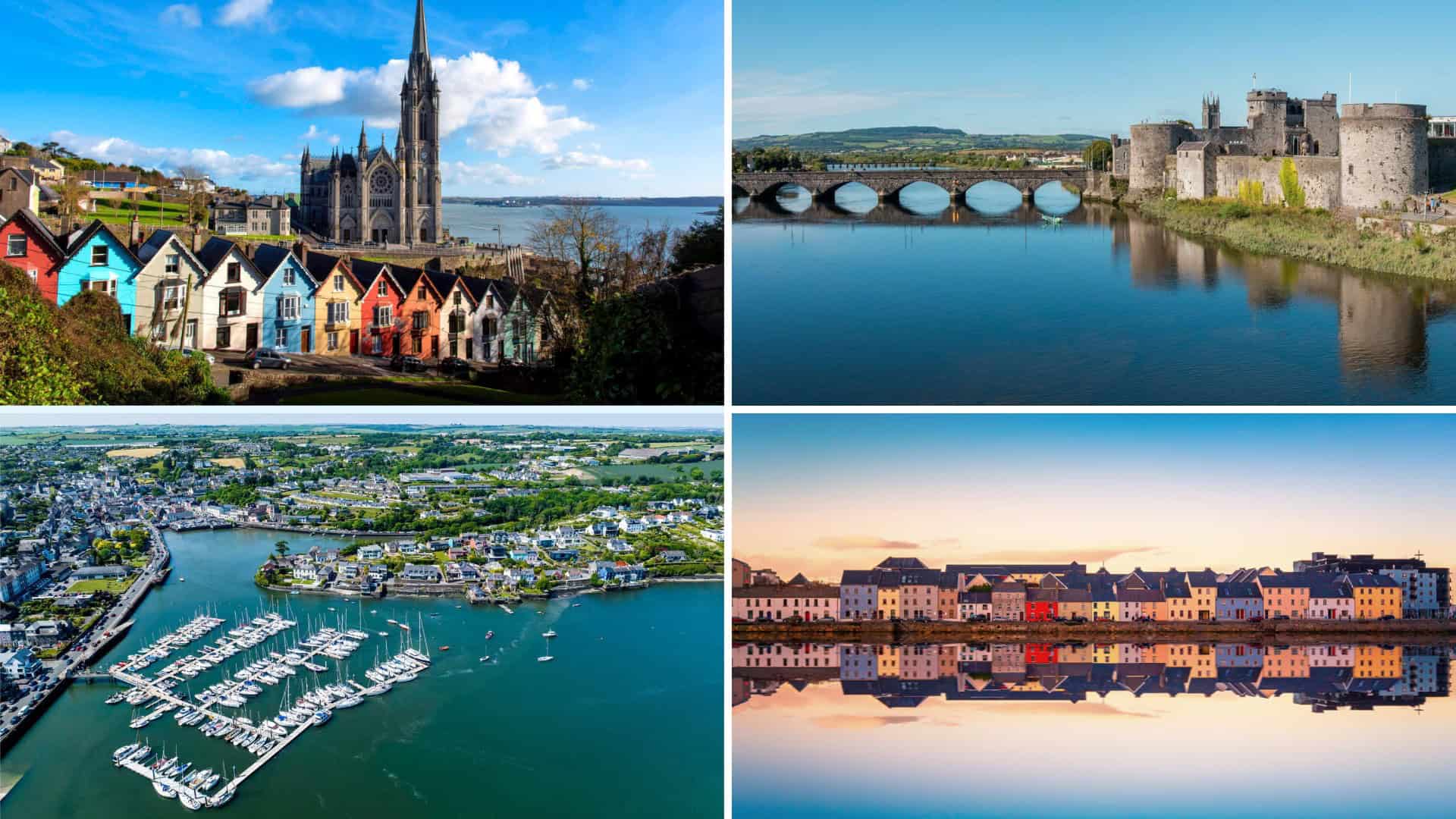
If your route includes places like Dublin, Cork, Killarney, Galway, or the Cliffs of Moher, you are in the Republic. If it includes Belfast or the Dark Hedges, you are crossing into Northern Ireland. Many first-time itineraries include both, so check your payment cards, mobile plan, and any car rental terms before you go. Border checks are not part of an ordinary tourist crossing, but mobile roaming and banking alerts can still behave as if you have made a much bigger leap.
The most reliable Ireland weather advice is also the least glamorous. Bring layers, a raincoat, and waterproof shoes. Conditions can swing from bright sun to drizzle to wind in a single afternoon, especially along the coast.
Ireland gets a fairly modest amount of annual sunshine, often cited in the 1,100 to 1,500 hours range, which helps explain why packing for a beach fantasy is rarely the smart move. Even in summer, a jumper and a light waterproof layer earn their place in your bag. Average daytime highs are usually around 18 to 20°C in July and August, so warm spells happen, but reliable heat is not the national specialty.
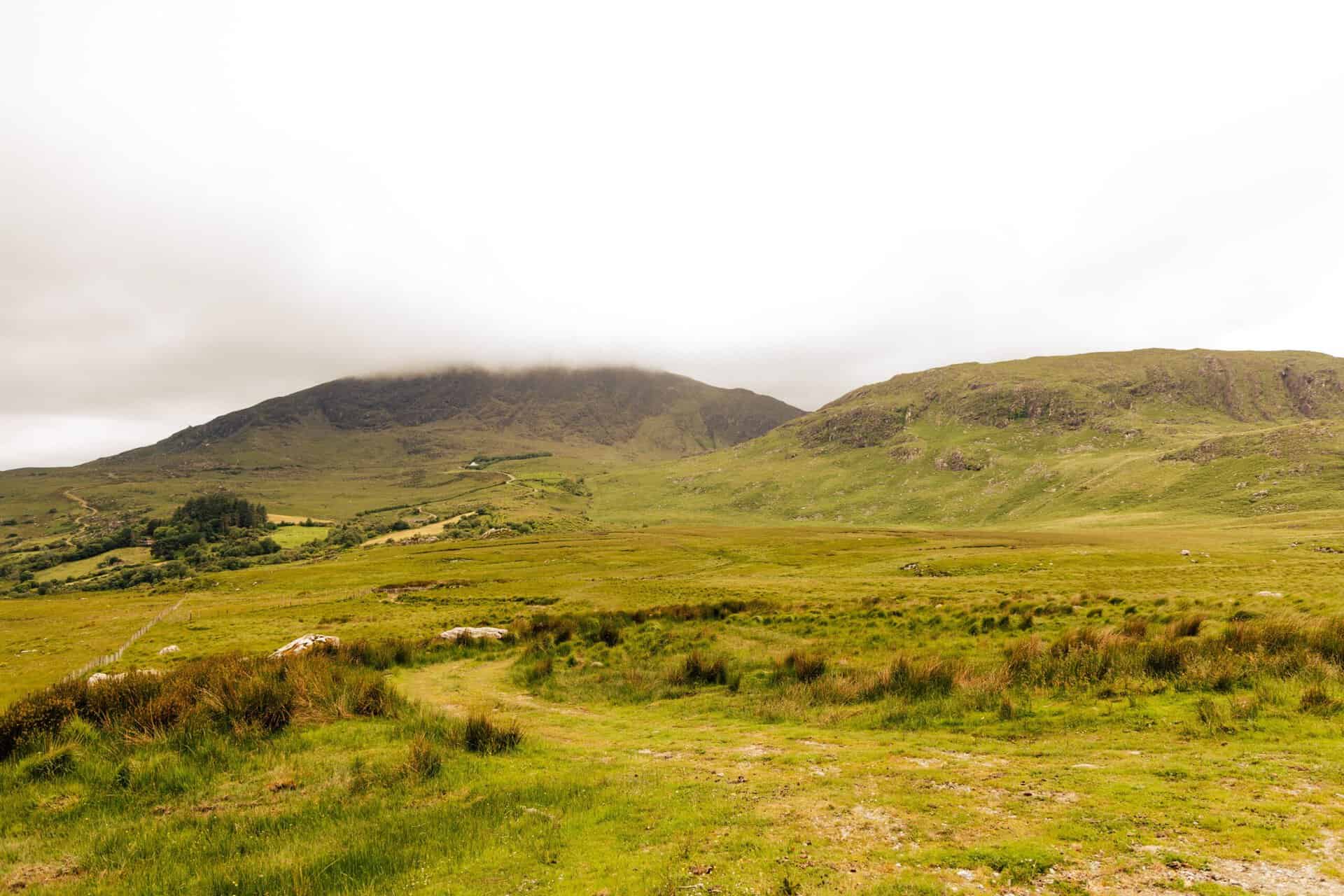
A compact rain shell is more useful than a heavy umbrella on exposed spots like Mizen Head or the Cliffs of Moher, where the wind can make umbrellas feel temporary.
Dublin is worth visiting, but first-timers who stay only in the capital miss a huge part of what makes Ireland memorable. The classic draw is the contrast between city time and the countryside: Georgian streets and museums in Dublin, then coastal roads, ruined abbeys, small towns, and mountain scenery once you leave it.
A simple first trip might pair Dublin with one or two of these areas:
If you only have a week, splitting time between Dublin and one scenic region usually works better than trying to tick off the whole island. Even a quick detour changes the feel of the trip completely.
This is one of the most useful bits of advice for first time visitors to Ireland. After a long flight, staying near your arrival city is usually the sensible move. If you land in Dublin Airport, book your first night in Dublin or nearby instead of collecting a car and heading straight onto rural roads while tired.
The same logic applies at the end of the trip. Spending your last night close to your departure airport cuts down the stress of an early flight, traffic, or a missed turn on unfamiliar roads.
Dublin hotels can fill up well in advance, especially on summer weekends, around major concerts, and during big sporting fixtures, so book early if your trip starts or ends there. If you are comparing stays, this guide to Ireland hotels and B&Bs for first timers is a useful next step.
A rental car is often the easiest way to reach the parts of Ireland people daydream about: peninsulas, national parks, small villages, viewpoints, castle ruins, and stretches of coast the train network does not touch well.
There are two catches. Ireland drives on the left, and many rural roads are much narrower than overseas visitors expect. A route that looks quick on a map can involve hedge-lined local lanes where meeting an oncoming vehicle becomes a small negotiation.
If you plan to drive:
If driving sounds stressful, build your trip around Dublin, Galway, Cork, or Belfast and use a mix of rail, bus, and day tours. Drivers regularly mention that parking in older town centres can be fiddly and expensive, while the countryside is easy right up until a tractor appears on a lane made for half a tractor.
Ireland has bus and rail services, but they are not equally useful everywhere. Iarnród Éireann serves key rail routes, though the network is limited compared with what many first-time visitors expect. It works best for certain intercity journeys, not for reaching every scenic corner.
In and around Dublin, the Leap Card is the practical option for public transport and is also used in cities including Cork, Galway, Limerick, Waterford, Sligo, and Athlone. If you plan to spend several days using buses, trams, or local services, it is worth sorting out early.
For a trip focused on major cities, public transport can be enough. For routes built around places like the Dingle Peninsula, County Kerry, or scattered sights in the west, a car saves a lot of waiting around. Bus coverage has improved on some corridors, but Sunday schedules and rural connections still catch people out.
A week is a good minimum for a first trip that includes Dublin and one other region. Two weeks gives you room to drive at a sane pace and linger in smaller places without turning the holiday into a relay race.
The common first-trip mistake is cramming in Dublin, Galway, Killarney, Cork, Belfast, and every famous coastal stop in one sweep. Ireland looks compact, and it is, but scenic driving is slower than motorway driving in bigger countries. You will enjoy it more if you trim the list. A route with fewer hotel changes nearly always feels better by day four.
Some famous places are best early in the day. The Cliffs of Moher are a good example. They are one of the country’s signature sights, and arriving early usually means easier parking, lighter foot traffic, and a calmer visit before buses build up.
The same general rule helps in central Dublin too. If you want a smoother start at major sights, museums, or busy breakfast spots, an early start is often rewarded. Timed-entry attractions in Dublin can sell out in peak season, so leaving bookings until the night before is a gamble.
Irish pub culture is a real part of the trip, but first-timers do not need to treat every pub like a performance. Some places are lively and musical, some are quiet local rooms, and some are mostly for food. Read the room, order simply, and settle in.
At restaurants and pubs serving meals, a 10 to 15 percent tip is a normal guide when service is good. It is not a place where you need to tip automatically on every tiny purchase. Card machines often prompt for a tip, but many people still tip only for table service.
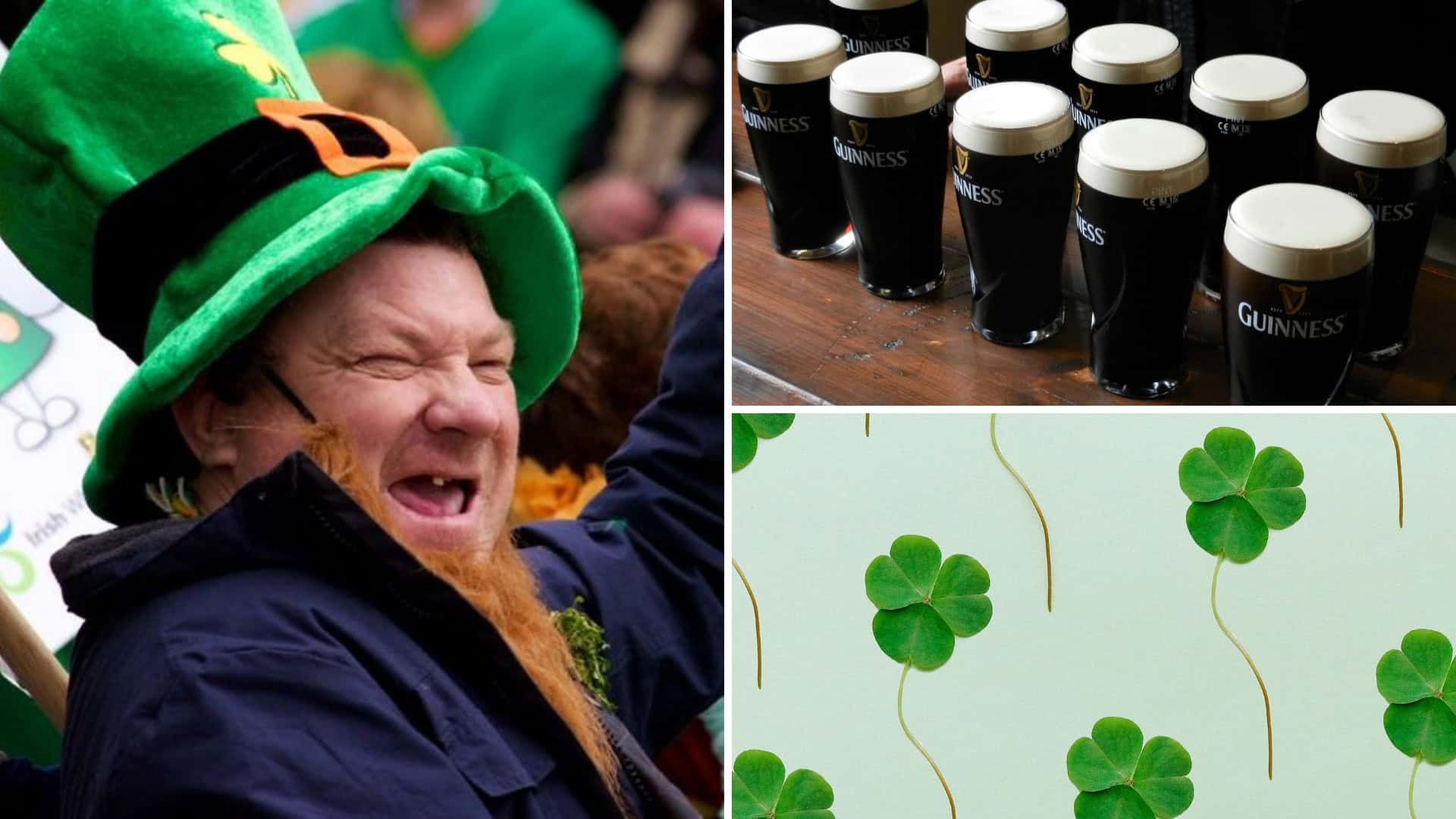
If you want the famous stout experience, Guinness gets most of the attention, but it is not the only name worth knowing. Murphy’s is another well-known Irish stout you may see, especially further south.
You do not need Irish language skills for a first trip. English is widely spoken across Ireland, including in rural areas. That said, Irish is not just decorative. Road signs in the Republic are often bilingual, and in some Gaeltacht areas you may see signage in Irish only.
It is useful to know this in advance so a road sign does not suddenly look like your map app has developed a personality. Place names can differ quite a bit between Irish and English versions, which is mildly confusing for about ten minutes and then becomes part of the fun.
It sounds obvious until jet lag joins the conversation. Traffic moves on the left, so when you cross the road, the first direction to check is often to your right. This catches people out in Dublin more than in rural areas simply because cities create more autopilot moments.
Cards are widely accepted, especially in cities and larger towns. Still, carrying a bit of cash is handy for small purchases, rural stops, or the odd place where you would rather not be fumbling with payment options. Contactless payment is routine in Ireland, including in many taxis, cafés, and convenience stores.
Coins become mildly annoying at the end of a trip, especially if you have crossed between euro and sterling areas. Use them up before you leave.
You do not need much specialist gear for Ireland, but a couple of items make life easier. Waterproof shoes matter more than fashion, and a small day bag works well for layers, snacks, and a rain shell during long sightseeing days.
No products found.
If this is your first visit, keep the plan straightforward. Start in Dublin, add one scenic region such as Killarney, Galway, or the Wicklow Mountains, and leave room for weather, slower roads, and the occasional long lunch in a pub you had not planned to find.
Ireland rewards people who plan the framework and then stop trying to control every hour. Pack for rain, respect the roads, book Dublin early, and get out of the capital for at least part of the trip. If you are travelling on your own, it is also worth reading whether Ireland is safe for solo female travelers. If paperwork is still on your list, check whether US citizens need a visa for Ireland before you book. That covers a surprising amount.

The Irelandwide Editorial Team is a group of travel writers, researchers, and content creators dedicated to publishing accurate, up-to-date information about Ireland. Our content covers travel guides, castles, attractions, Irish culture, tourism news, and official data to help visitors and locals alike. We prioritize reliable research, clear writing, and trusted sources to create practical resources for exploring Ireland with confidence.
At Ireland Wide, our aim is to bring authentically Irish insights to you, wherever you are.
Whether you have some feedback or would like to offer some of your own insights for everyone else to explore, don't hesitate to get in touch with us!