These 25 facts about Ireland cover the island’s geography, ancient monuments, political setup, language, music and everyday culture. Ireland is a small island with a complicated history and a habit of fitting an awful lot into a short drive.
Jump to: geography and languages · history and national symbols · landscapes and wildlife · culture and weather
Some facts apply to the whole island of Ireland, while others apply only to the independent state officially called Ireland. That distinction comes up often, and getting it right saves a bit of confusion.
The island of Ireland contains the independent state of Ireland and Northern Ireland, which is part of the United Kingdom. Ireland has 26 counties and Northern Ireland has six, making 32 counties across the island. The 32 counties fit into four traditional provinces. For a clearer breakdown, see the differences between Northern Ireland and Ireland and this guide to the 32 counties of Ireland.
Dublin sits on Ireland’s east coast at the mouth of the River Liffey. It is the seat of the national parliament, government and president, as well as the country’s largest urban centre.
The Republic of Ireland adopted the euro on 1 January 1999; euro banknotes and coins entered circulation in January 2002. Northern Ireland uses pound sterling. A cross-border trip therefore involves two currencies, even when you mostly pay by card.
Ireland joined what was then the European Economic Community on January 1, 1973, alongside Denmark and the United Kingdom. EU membership remains a major part of Ireland’s trade, travel and public-policy framework.
Article 8 of the Constitution names Irish as the first official language and English as the second official language. English is the everyday language for most residents, while Irish remains a living community language in designated Gaeltacht areas and is taught in schools nationwide.
Irish, also called Gaeilge, belongs to the Goidelic branch of Celtic languages, alongside Scottish Gaelic and Manx. It is not English with unfamiliar spelling, fair warning: its grammar follows its own rules.
The four provinces are Leinster, Munster, Connacht and Ulster. Their boundaries do not match the modern political border: Ulster has nine counties, six of which are in Northern Ireland and three in the Republic: Cavan, Donegal and Monaghan.
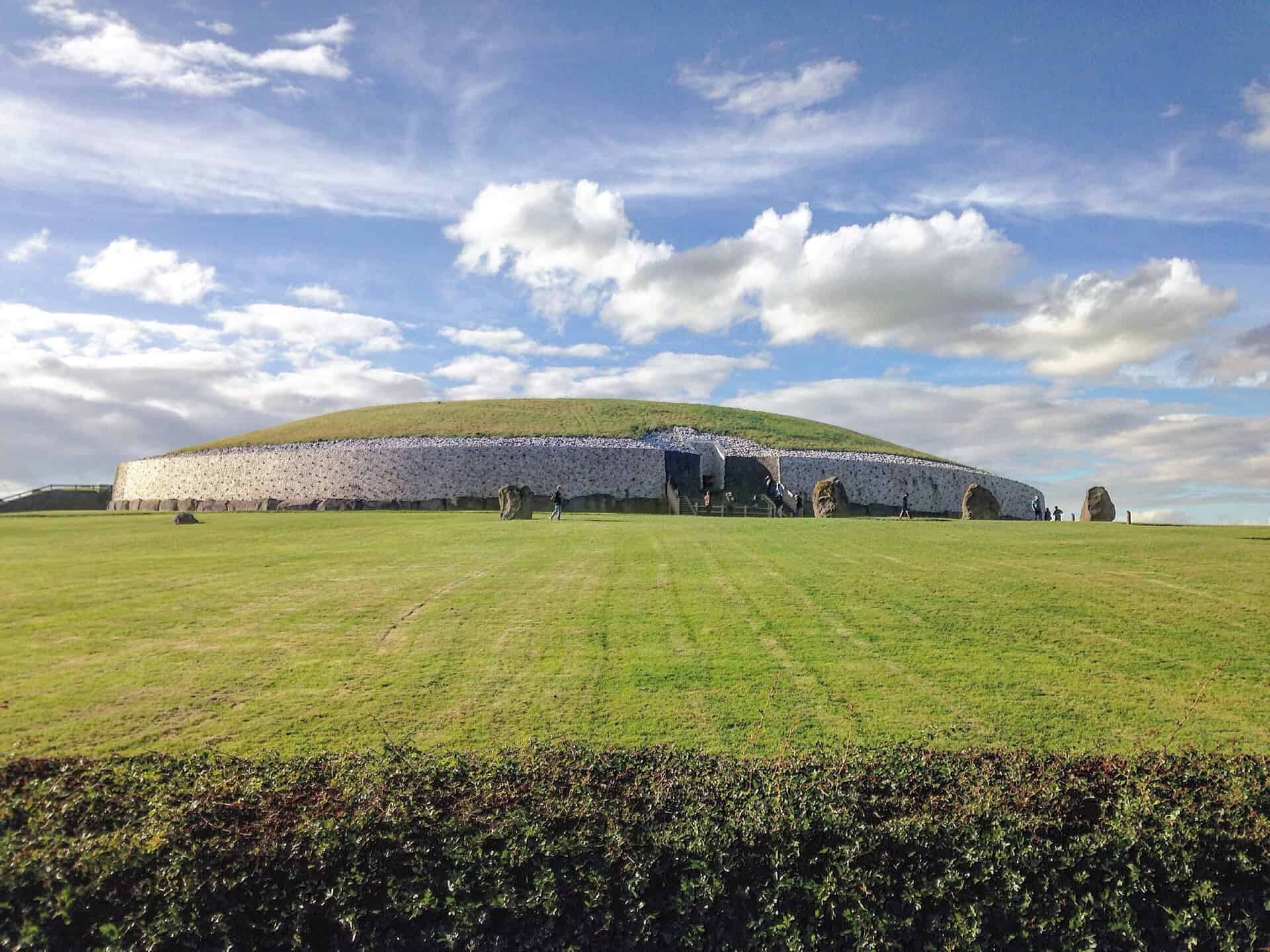
Newgrange, in County Meath’s Brú na Bóinne complex, was built around 3200 BC. It predates Stonehenge’s famous great stone circle and the Great Pyramid of Giza. Its passage aligns with sunrise around the winter solstice. For another archaeological story, read about two ancient tombs discovered in Galway.
Patrick was born in Britain; his precise birthplace is uncertain. In his surviving Confessio, he describes being taken captive to Ireland at about sixteen. He later returned as a Christian missionary and became central to Irish religious tradition.
March 17 is the feast day of St. Patrick and a public holiday in Ireland. Parades, music and community events take place around the country, while celebrations abroad have made the date a global expression of Irish heritage. If dates affect your plans, check the full list of Ireland’s public holidays before booking.
The shamrock is widely associated with St. Patrick and Irish identity. The harp is the official state emblem of Ireland, appearing on the national coat of arms, euro coins and many state documents. There are plenty more traditional Irish things to know about, but these two are easy enough to confuse.
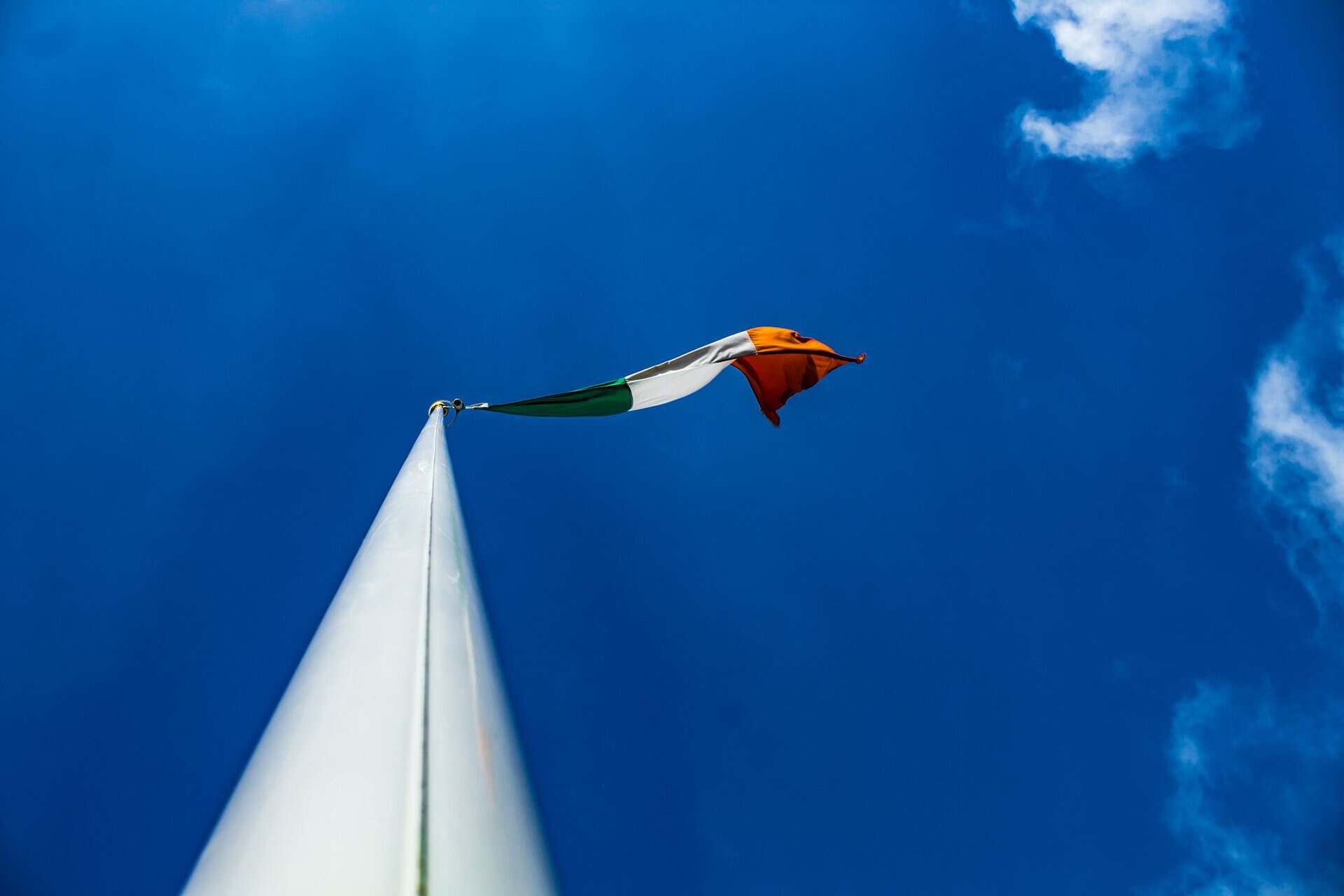
Ireland’s tricolour is green, white and orange. In its original political symbolism, green represented the Gaelic and Catholic tradition, orange represented the Protestant tradition associated with William of Orange, and white stood for peace between them.
The Republic of Ireland Act 1948 took effect on 18 April 1949. The state’s constitutional name remains Ireland, while “Republic of Ireland” is its statutory description. The name and description are related, but they are not the same legal wording. The 1949 commencement order confirms the effective date.
Bunreacht na hÉireann, Ireland’s Constitution, came into effect on 29 December 1937. Today, amendments require approval in a referendum, giving voters a direct role in constitutional change.
Ireland’s president is head of state and has largely constitutional and representative duties. The Taoiseach is head of government and leads the executive branch, broadly comparable to a prime minister.
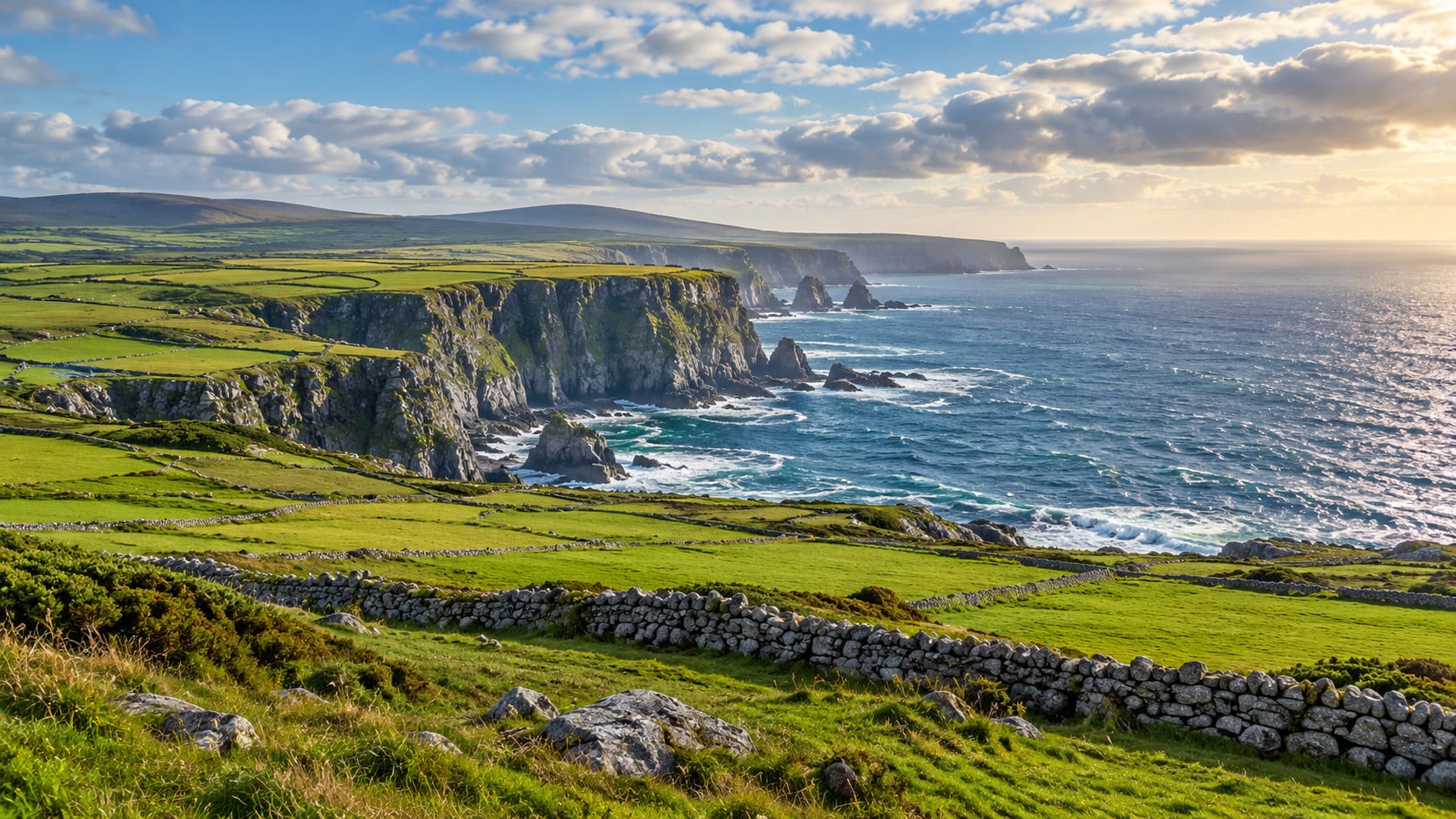
The Wild Atlantic Way is a signed coastal touring route running from County Donegal to County Cork. It follows sections of the Atlantic-facing coast through places including Donegal, Mayo, Galway, Clare, Kerry and West Cork, so it is better tackled in sections than rushed over a weekend.
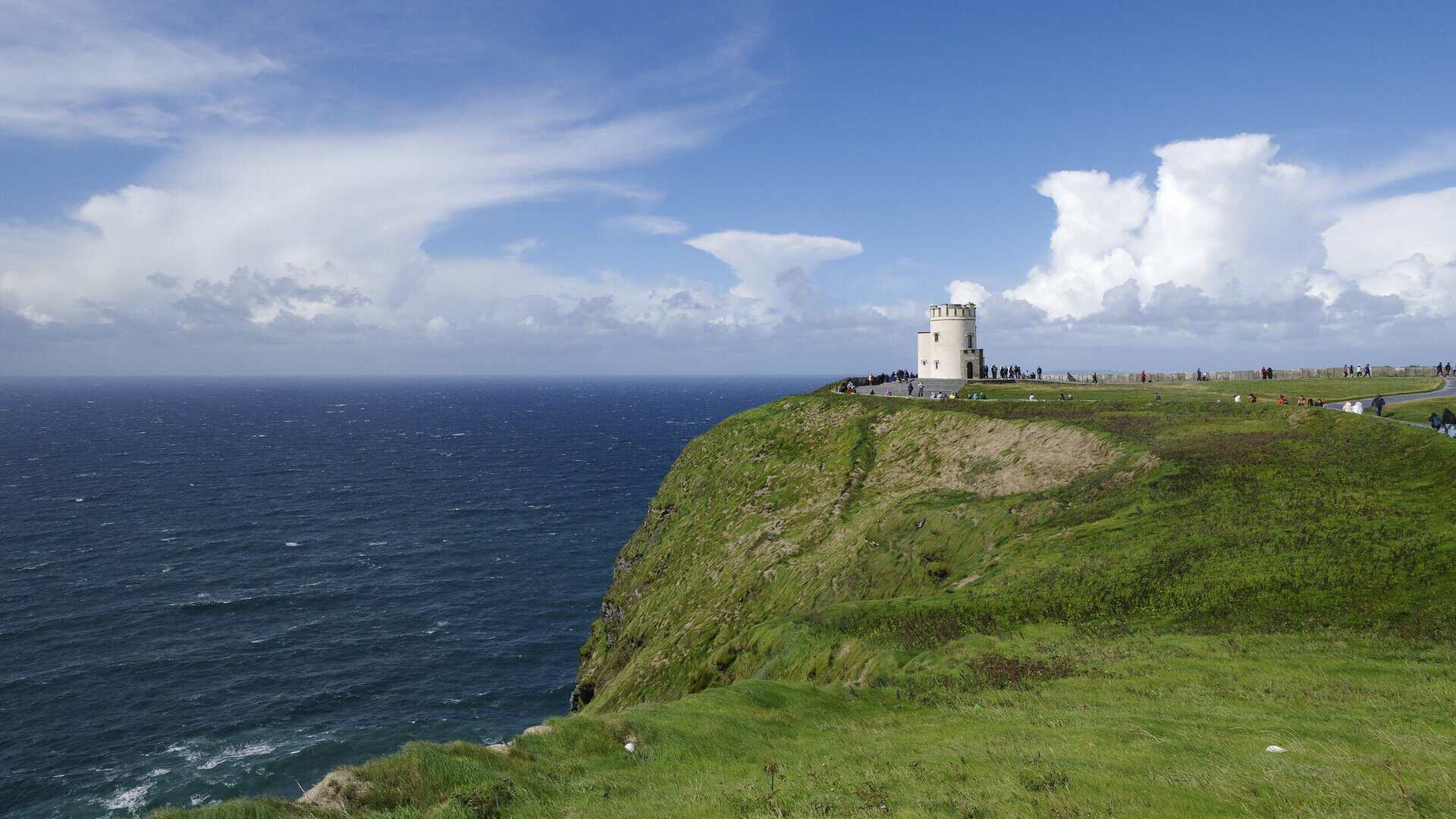
The Cliffs of Moher form part of the Burren and Cliffs of Moher UNESCO Global Geopark. Their highest point is about 214 metres above sea level, and weather can change quickly along the exposed cliff edge. The Cliffs of Moher’s official site gives their maximum height.
Ireland has no native snake population. The familiar story that St Patrick drove snakes away is a legend, not a documented wildlife event. Native fauna reflects the island’s geographic and environmental history; Patrick is not a substitute for that explanation. The National Museum of Ireland’s reptile collection notes confirm the absence of native snakes.
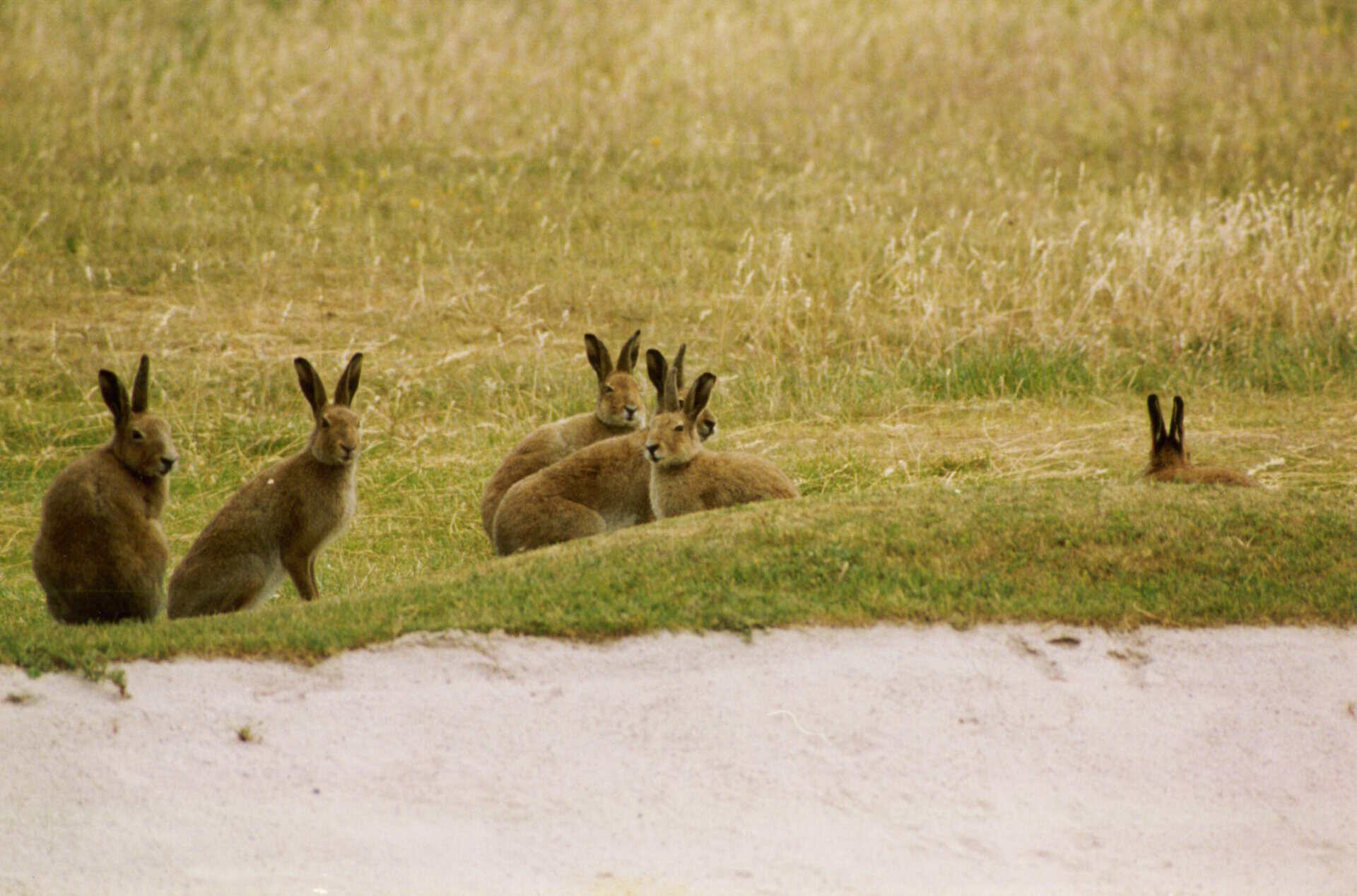
The Irish hare, Lepus timidus hibernicus, is a subspecies of the mountain hare, not a separate hare species. The National Biodiversity Data Centre’s profile identifies it as native to Ireland and records habitats including grassland, farmland, coasts and bogs.
Bogs formed over thousands of years as waterlogged ground slowed the decay of plant material. They store carbon, support specialised wildlife and preserve archaeological finds, which is why peatland restoration has become an important environmental issue. Protected peatlands have specific management rules, so visitors should stick to marked access where it is provided. The EPA’s BOGLAND research explains their environmental importance.
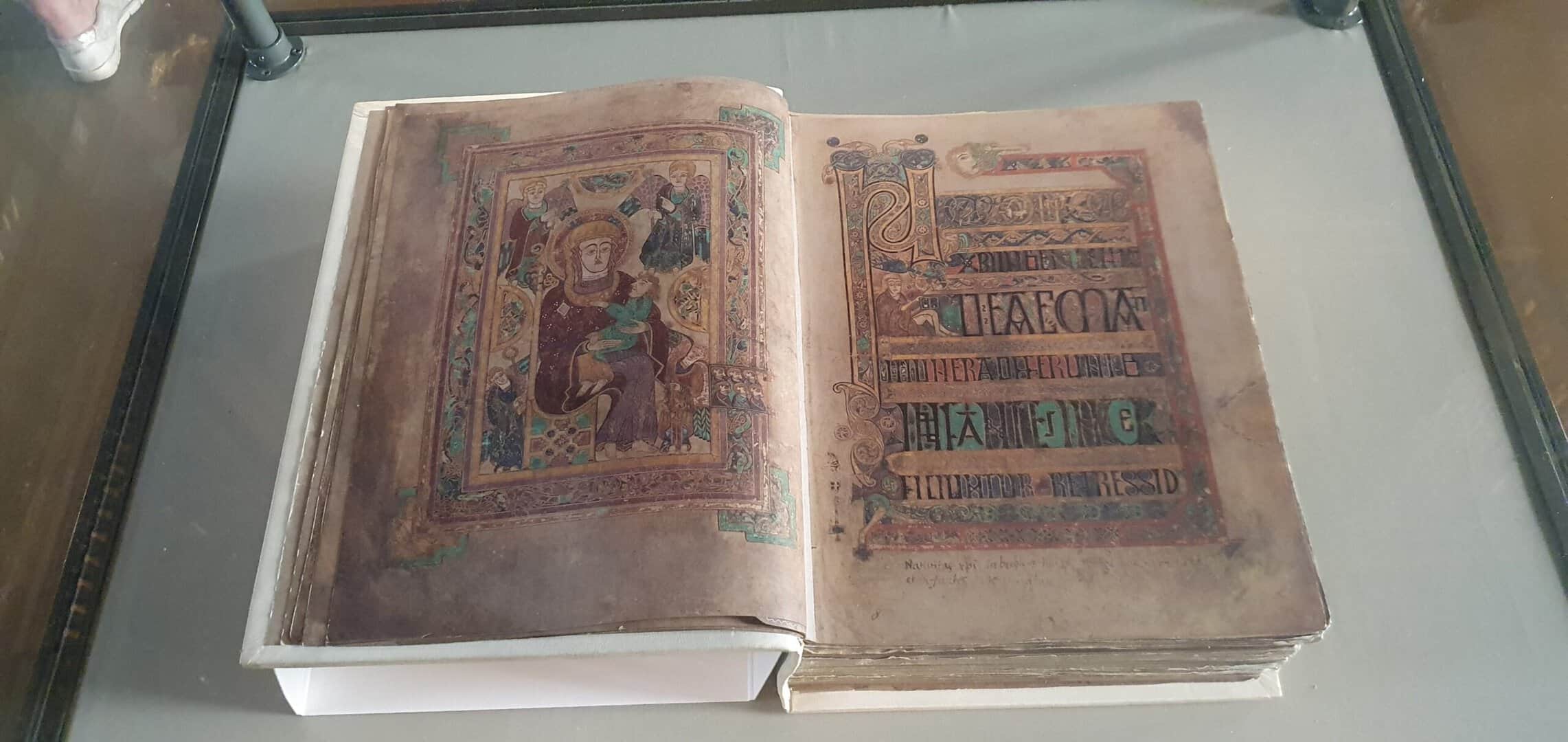
The Book of Kells is an illuminated manuscript of the four Gospels in Latin, produced around AD 800. It is held at Trinity College Dublin and displayed as part of the Book of Kells Experience. Check current exhibition arrangements before visiting; a photographed facsimile is not the original manuscript.
Samhain marked the end of the harvest season and the beginning of winter in the Gaelic calendar. Modern Halloween developed through several traditions over time, but Ireland’s association with Samhain is one reason the season remains a major cultural fixture here. For more background, see the ancient Celtic holidays from Samhain to Beltane. Check local listings before travelling for Halloween and Samhain events, as dates and locations vary.
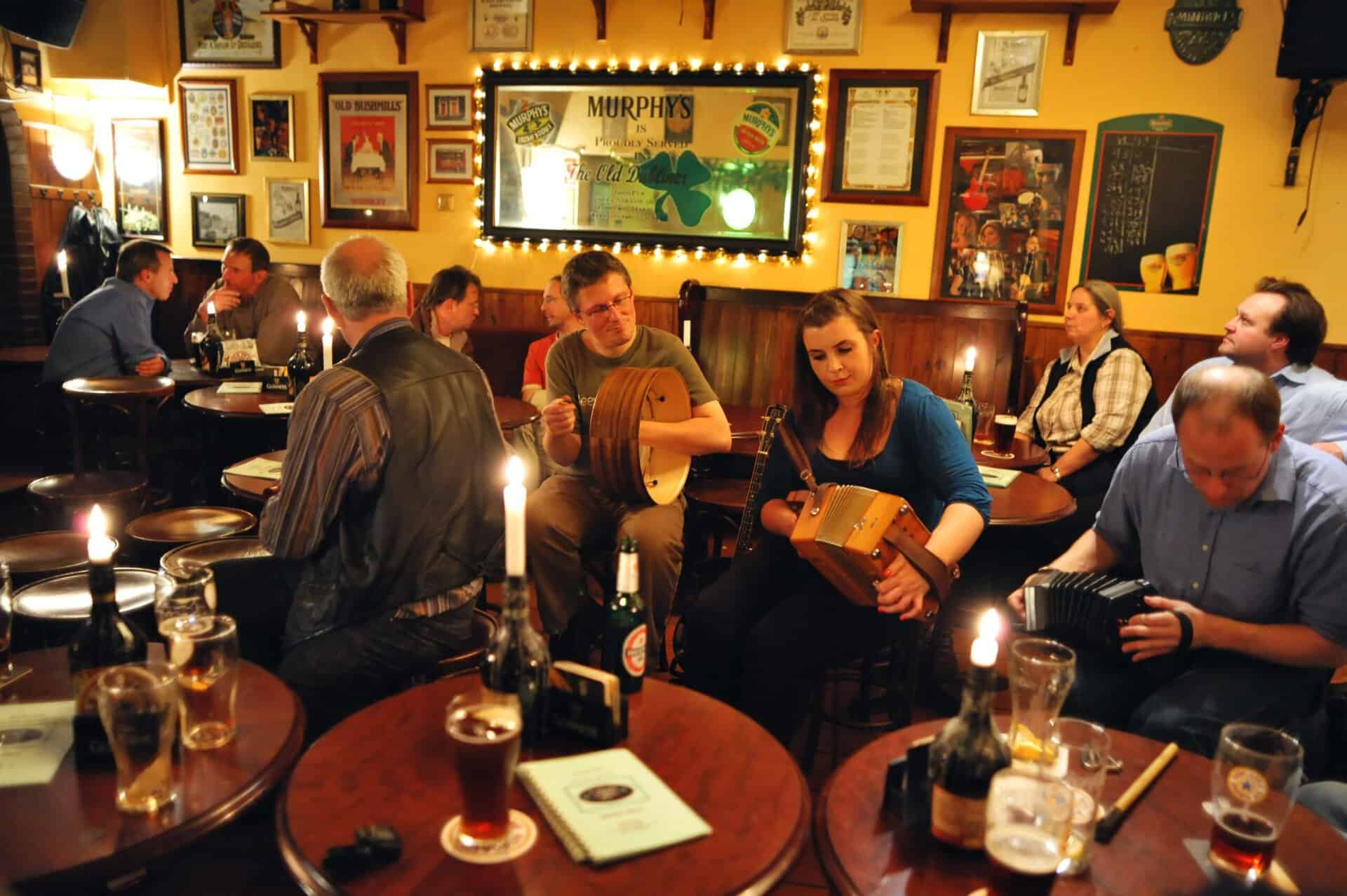
Traditional Irish music commonly features fiddle, flute, tin whistle, uilleann pipes, accordion, concertina, harp and bodhrán. Informal gatherings of musicians are often called sessions, built around shared tunes. The tradition also thrives in concerts, recordings and formal performance; a session is one setting, not the whole story.
Hurling is a fast stick-and-ball game played with a wooden hurley and a small ball called a sliotar. It is governed by the Gaelic Athletic Association and, along with Gaelic football, is played through local clubs and county competitions across Ireland.
Ireland has a temperate oceanic climate shaped by the Atlantic Ocean. Temperatures are usually moderate compared with places at a similar latitude, but rain and wind can arrive with very little ceremony. Pack waterproof layers and shoes that can handle wet ground; they are useful for a first visit. A practical Ireland packing list for rain and walking can help keep things simple. Met Éireann explains the Atlantic’s moderating influence.
Start with the map and the political distinction between Ireland and Northern Ireland, then build an itinerary around a manageable region. A few days in Dublin and Wicklow is easy enough; combining Donegal, Cork and the west coast in the same short trip is possible, but it becomes a lot of driving. Our guide to exploring Ireland from one base with day trips explains where that approach works, and where there’s a catch.
For a first trip, practical questions about transport, timing and planning matter more than trying to see every corner. Ireland rewards a slower schedule. The roads will still be there tomorrow. For broader route ideas, see our guide to where to stay and visit in Ireland and advice for first-time visitors.
No. Ireland is an independent country. Northern Ireland is part of the United Kingdom, and both sit on the island of Ireland.
Ireland is known for its ancient monuments, literary heritage, traditional music, Gaelic games, coastline, castles and strong international diaspora. It is also known for a culture that values conversation, though nobody is required to become instantly witty at passport control. If castles are on your list, this guide to 50 castles in Ireland is a decent place to start.
English is the main everyday language across most of Ireland. Irish is also an official language and remains widely visible on road signs, public services and in Gaeltacht communities.
The island of Ireland has 32 counties. The independent state of Ireland has 26 counties, while Northern Ireland has six.
Late spring through early autumn offers longer daylight hours than winter, which helps with touring. Rain is possible in every season. Winter has shorter days and some attractions reduce their hours; choose dates around your planned activities and check opening times before booking.

Matt Hook is a Canadian writer of Scottish and Irish heritage. He built his writing career creating detailed gaming guides, turning complex mechanics, history and lore into useful information for readers. Matt brings that same research-focused approach to Ireland Wide, where he writes about Irish travel, heritage, history and culture. He also holds CMA and CPA designations as a professional accountant, giving him a strong background in research, accuracy and attention to detail.
At Ireland Wide, our aim is to bring authentically Irish insights to you, wherever you are.
Whether you have some feedback or would like to offer some of your own insights for everyone else to explore, don't hesitate to get in touch with us!