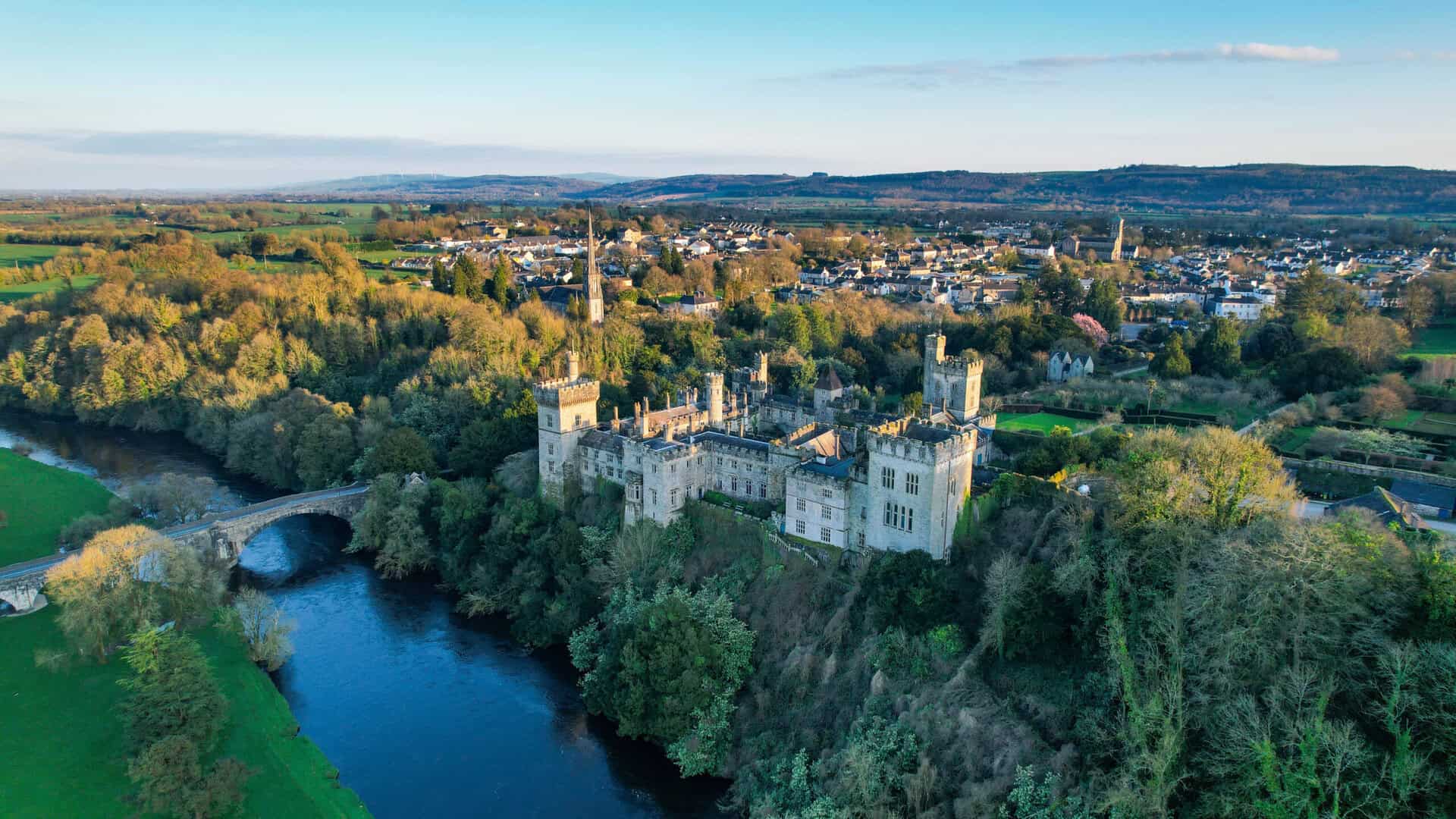
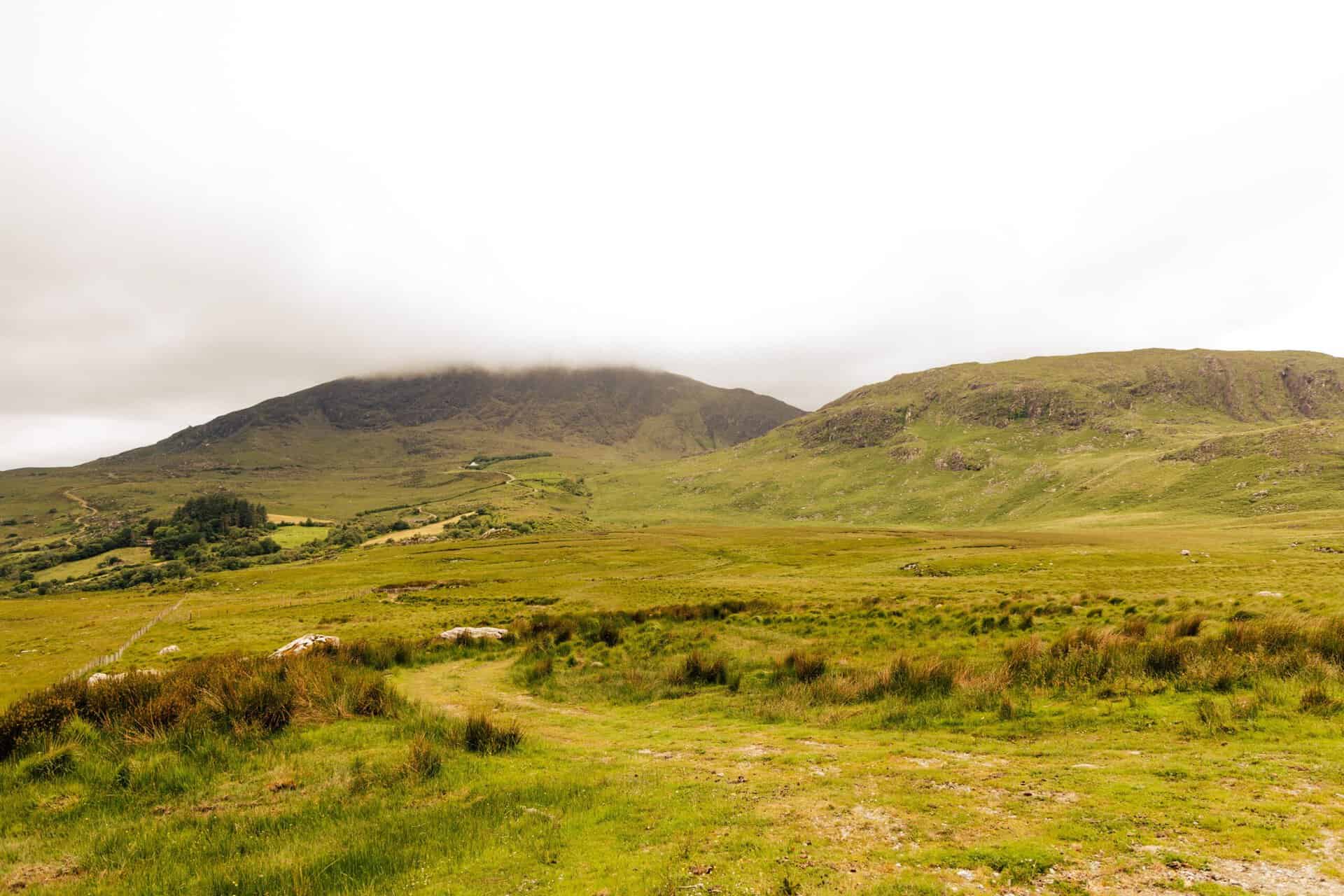
Parke’s Castle is worth visiting if you want a compact, easy-to-reach Irish castle with real historical depth, a striking lakeside setting and a manageable one-hour visit. It suits day-trippers from Sligo, families, history-minded road trippers and anyone building an itinerary around the best castles in Ireland.
This is not a ruin you glance at from a car window. Parke’s Castle has restored interiors, guided access and documented layers of Gaelic and plantation history, all on the shore of Lough Gill in County Leitrim.
If you are comparing castles in the northwest, Parke’s works especially well with a Sligo base, and it belongs on any wider trip-planning list of the best castles in Ireland. It also fits neatly into broader west-coast routing if you are piecing together a few days using a west coast of Ireland travel guide.
Search by castle, county or nearby town, then click a marker to open the complete IrelandWide visitor guide.
| County | Leitrim |
|---|---|
| Jurisdiction | Republic of Ireland |
| Castle Type | Restored early 17th-century fortified manor house on the site of an earlier tower house |
| Century / Built Dates | Early 17th century for the present castle; earlier late-medieval structure on site. Some secondary sources place the manor house in the 1630s, so exact dating should be treated with a little caution. |
| Builder / Associated Families | Captain Robert Parke; earlier site associated with Sir Brian O’Rourke and the O’Rourke family of West Breifne |
| Current Status | State-managed heritage site under Heritage Ireland / Office of Public Works |
| Interior Access | Yes, via guided or self-guided admission depending on operations |
| Typical Visit Time | About 1 hour |
| Coordinates | Not confirmed here. Use the official operator map for navigation. |
| Parking | Car park and coach parking |
| Public Transport | No verified direct scheduled public transport detail confirmed here. The site is on the R286, 11 km from Sligo Town and 7 km from Dromahair. |
| Accessibility | Ground floor access and wheelchair-accessible toilet; uneven walkways are noted by the operator |
| Toilets | Yes |
| Food | No on-site cafe confirmed |
| Family Suitability | Good for families, especially for a short stop with a courtyard, exhibition areas and lake views |
| Official URL | Heritage Ireland: Parke’s Castle |
| Changing Details Checked | July 2026 |
Parke’s Castle is open 14 March to November 2026. The published hours are March to October, daily 10:00 to 18:00, last admission 17:15, and October to November, daily 09:00 to 17:00, last admission 16:00.
Admission listed by the official operator is Adult €5, Senior €4, Student/Child €3, Family €13 and Group rate €4. Because state heritage sites can change hours for operational or weather reasons, it is sensible to double-check the official listing on the day you go.
The site also notes guided tours, and other local listings commonly mention hourly tours. If your timing matters, especially on a packed Sligo day trip, confirm the exact tour pattern before leaving.
Parke’s Castle stands on the northern shore of Lough Gill at Kilmore, Fivemilebourne, County Leitrim, F91 FP71. The official directions place it on the R286, about 11 km from Sligo Town and 7 km from Dromahair.
For most people, this is an easy car stop rather than a public transport outing. The good news is that the drive itself is part of the appeal. Lough Gill is one of those places where the approach starts setting the mood before you even reach the gate.
If you are planning a wider northwest itinerary, this guide pairs naturally with an Sligo travel guide, especially if you are using Sligo Town as your base. It also works well as a stop on shorter trips mapped out with a 7 day Ireland itinerary.
Parke’s Castle is not simply a medieval tower house. The building you see is a restored 17th-century fortified manor house, built for the English planter Robert Parke on a site that had earlier belonged to the O’Rourkes of West Breifne.
That mixed identity is the reason the place feels more interesting than a standard single-period castle. You get defensive features that still speak to insecurity, but you also see the shift toward a more domestic manor-house layout, including larger windows and more comfortable interior spaces.
The official operator also highlights the late-20th-century restoration, carried out with traditional Irish oak and traditional craftsmanship. When you walk inside, the site reads as a building again, not just as walls and labels.
Here is the documented outline, keeping folklore and guesswork out of it.
That sequence gives the castle its real punch. This is a place where Gaelic lordship, plantation history, family tragedy and modern conservation all sit in the same footprint.
The most obvious survival is the restored manor house itself, but the site is more than one building. The courtyard preserves evidence of the earlier defended structure, and several accounts also point to a reconstructed blacksmith’s forge within the grounds.
Inside, expect spaces such as the banquet hall, family rooms and circulation areas that help explain how the castle balanced comfort and security. Local tourism material also notes a permanent display of 17th-century artefacts, replica costumes and furniture.
The result is a castle where the restoration is part of the story. Purists who only want untouched ruins may prefer somewhere else. Most people will find that being able to read the building clearly is the whole point.
The documented history is strong enough that Parke’s Castle does not need ghost stories bolted onto it. The key facts supported by official and heritage material are the O’Rourke connection, the later Robert Parke manor house, the 1677 drowning of two Parke children, and the modern restoration.
I have not included any local legends or supernatural tales here because they were not verified in the source material used to build this guide. With a site like this, the real history is already dramatic enough.
Parke’s Castle is a good pick if you want a heritage stop without a punishing uphill approach. Official information lists ground-floor disabled access, a wheelchair-accessible toilet, standard toilets, baby changing, bicycle parking, car parking and coach parking.
The caveat is terrain. The operator flags uneven walkways, so full access across every part of the site should not be assumed. Assistance dogs are permitted, and the restrictions specifically note assistance dogs only.
For families, this is one of those places that works because it is not overlong. You get a courtyard, a waterside setting and enough visual variety to keep children engaged without needing a full-day attention span.
The obvious shot is the castle with Lough Gill behind or beside it, but do not rush straight into wide photos and leave. The building also rewards close detail: timber work, stone textures, stair angles and courtyard lines all photograph well.
Official material specifically calls out the castle’s silhouette at sunset. If late light fits your schedule and opening hours, that is the time to lean into the lakeside mood. Earlier in the day, overcast weather can actually help with stone detail and interior contrast. Irish light likes to keep you guessing.
Sligo Town is the obvious base, only about 11 km away by the official directions. That makes Parke’s Castle an easy addition to a day focused on Lough Gill or a broader northwest road trip.
Dromahair, around 7 km away, is the nearest small-town reference point in the official directions and can be a practical stop on the route.
If you want another heritage stop, the official Parke’s Castle page also notes the Rose of Innisfree Boat Tour, which from 1 July 2026 departs every Wednesday from Doorly Park Jetty, Sligo at 10:30, reaches the castle for an 11:30 guided tour, then returns to Sligo by about 13:30. That is a very specific add-on, and a good one, if you like the idea of approaching the castle across Lough Gill rather than by road.
For readers building a castle-heavy route, this guide should also connect well with your main Ireland castles guide, and with other restored castle stops such as the Ross Castle visitor guide or the Dunguaire Castle visitor guide.
Yes, especially if you value clear interpretation, manageable scale and a strong setting. It is one of the better castle stops for people who want more than a photo but do not want to commit half a day.
It is less ideal if your only interest is massive battlements or untouched ruin aesthetics. Parke’s Castle is about historical layers and careful restoration, and that is exactly why many people end up liking it more than they expected.
Official admission listed for Parke’s Castle is Adult €5, Senior €4, Student/Child €3, Family €13 and Group rate €4. Check the official operator page before visiting in case prices change.
About one hour is the standard visit length referenced by Discover Ireland. Allow a little longer if you like guided tours, photography or combining the stop with a boat trip on Lough Gill.
Yes. The site offers interior access and is presented as a guided or self-guided heritage visit, not just an exterior viewpoint.
Yes. It is a compact visit with restored rooms, courtyard space and lake views, so it works well for families who want a cultural stop without a huge time commitment.
Partly. Official information confirms access for disabled users on the ground floor and a wheelchair-accessible toilet, but the site also warns of uneven walkways.
No direct public transport detail was verified for this guide. Most people visit by car from Sligo Town or nearby parts of Leitrim.
The best time is usually during daylight in the main open season, with enough slack in your schedule to join a tour. Late afternoon can be especially good for photos over Lough Gill, subject to seasonal closing times.

Dan is the founder and editor of Ireland Wide. Born and raised in Ireland, he researches the country’s history, mythology and cultural traditions using museum collections, heritage authorities and historical sources. He leads the site’s editorial team, with a particular focus on distinguishing documented history from later folklore and modern interpretations.
At Ireland Wide, our aim is to bring authentically Irish insights to you, wherever you are.
Whether you have some feedback or would like to offer some of your own insights for everyone else to explore, don't hesitate to get in touch with us!