

Irish last names that start with U are rare. In older surname indexes, the letter U has only a short run of entries compared with letters like O, M, or B. That makes this one of the smallest surname groups in Irish naming, especially when set beside much longer lists such as Irish last names that start with O or Irish last names that start with M.
Most of these names come from older Irish and Norman forms that were later anglicized, altered, or absorbed into more familiar surnames. So if you are searching for Irish Last Names that Start with U, you will find a real but very limited set of names, many of them preserved in historical records more than in everyday use.
If you are building a family tree, checking a Gaelic spelling, or just working through the alphabet, this guide covers the traditional U surnames recorded in Irish surname indexes, along with pronunciation help and brief context. For broader surname research, see our guides to Irish Last Names, Common Irish Surnames, and the full A to Z surname hub.
Introduction
The reason U is so thin on Irish surnames is simple. Traditional Irish family names usually began with Ó, Mac, or a root name that later appeared under other letters in English. That pattern shows up all over Irish surname study, including in better-known groups like Irish last names that start with C and Irish last names that start with B. When surnames were anglicized, many forms moved away from U entirely, or survived only in older written Irish.
That means a U-list often includes archaic Gaelic forms, Latinized or Norman-influenced spellings, and names that look unfamiliar beside modern Irish surnames like Murphy, Kelly, or Byrne. For genealogy, that is useful. A strange-looking U surname in an old record may point to a much older naming layer.
The list below follows recorded Irish surname forms under U and keeps the meanings cautious. Where a precise meaning is uncertain, it is better to say so than to dress it up. Irish surname history is messy enough without adding fairy dust.
Full List of Irish Last Names that Start with U
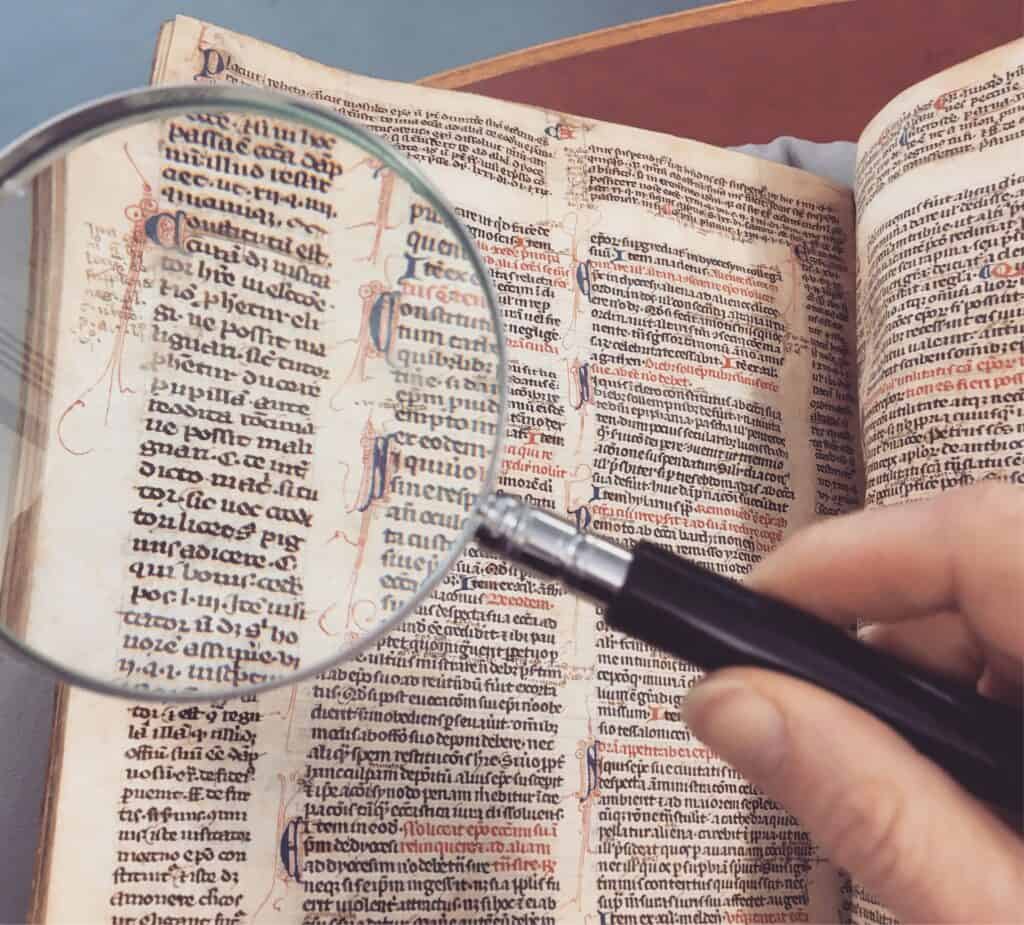
Note: Many of these are historical Irish surname forms rather than common modern everyday surnames. Pronunciations are approximate and aimed at American readers.
Uachan
Pronunciation: OO-akh-an
Origin/Meaning: Likely derived from a personal name in Irish. A firm modern meaning is not consistently preserved in common surname references.
Context: This is the kind of name you are more likely to meet in an index of older Irish surnames than on a present-day school roster.
Uada
Pronunciation: OO-ah-da
Origin/Meaning: An old Irish name form, probably tied to a personal ancestor’s name rather than a descriptive word.
Context: Short early Gaelic forms like this often survive in medieval records but disappear in later anglicized usage.
Uadlóc
Pronunciation: OO-ad-lohk
Origin/Meaning: An early Irish form, likely built from an older personal name. A reliable plain-English meaning is uncertain.
Context: The spelling shows how far some historic Irish surnames can sit from the English versions families used later.
Úgán
Pronunciation: OO-gawn
Origin/Meaning: Probably from a personal name. The fada matters here, marking a long vowel in Irish.
Context: If you are tracing handwritten records, accented forms like Úgán are easy to lose when names move into English documents.
Uaidín
Pronunciation: OO-ah-deen
Origin/Meaning: A surname form based on a personal name, possibly from a diminutive pattern in Irish.
Context: The ending makes it look compact and modern, but it belongs to the older naming world of Irish family history.
Uaisléigh
Pronunciation: OO-ash-lay
Origin/Meaning: Connected to the Irish word for noble or high-born, though surname meanings can shift over time.
Context: This is one of the more visually distinctive U surnames, and one of the few where the root sense is more transparent.
Uaithne
Pronunciation: OO-EN-yeh
Origin/Meaning: Derived from an old Irish personal name. Some early Irish names with similar roots are linked to green or verdant associations, but surname usage is not always straightforward.
Context: This is the sort of form that can puzzle American researchers because the spelling does not hint much at the sound.
Ualdrán
Pronunciation: OO-ahl-drawn
Origin/Meaning: Likely a Gaelic form of a personal name with Norse or continental influence, though exact pathways differ by record set.
Context: Irish surname history was never sealed off. Viking, Norman, and church-record influences all left fingerprints.
Uasdún
Pronunciation: OO-az-doon
Origin/Meaning: A Gaelic surname form associated with a name that later appears in anglicized Norman-Irish contexts.
Context: This is a good reminder that not every old Irish surname under U stayed under U once English spelling took over.
Uicstéid
Pronunciation: ICK-stayj
Origin/Meaning: An Irish rendering of a non-Gaelic surname, probably from a Norman or English family name adapted into Irish spelling.
Context: Names like this show the two-way traffic of naming in Ireland. Families could become culturally Irish while keeping an adapted foreign-origin surname.
Uidheas
Pronunciation: EE-us or OO-yas
Origin/Meaning: A historical Irish surname form tied to a personal name. The exact English equivalent is not always obvious from the Irish spelling alone.
Context: This is the kind of entry that matters more in archival work than in everyday surname lists.
Uilis
Pronunciation: IL-ish
Origin/Meaning: An Irish form related to William.
Context: Once you know the connection, the name makes more sense. Before that, it looks like it arrived from another planet.
Uileamóid
Pronunciation: il-ya-MOHDJ
Origin/Meaning: Another Irish form built from William, probably reflecting a Norman-Irish surname tradition.
Context: Variants connected to William became widespread in Ireland, but the older Gaelic spellings are much less familiar to modern readers.
Uingil
Pronunciation: IN-gil
Origin/Meaning: A historical Irish adaptation of an imported surname or personal-name root.
Context: This is a strong example of how Irish scribes often reshaped foreign names into Irish phonetic patterns.
Uingséil
Pronunciation: ing-SHAYL
Origin/Meaning: A Gaelicized surname form, likely adapted from a non-native family name.
Context: If your family records shift between English and Irish spellings, names like this can explain why one line seems to vanish for a generation.
Uinnseadún
Pronunciation: WIN-sha-doon
Origin/Meaning: An Irish form associated with the surname Winston or a related imported name, though exact historical matching can vary.
Context: This is one of several names where Irish spelling preserves pronunciation habits more than modern English recognition.
Uinseann
Pronunciation: IN-shan
Origin/Meaning: An Irish form related to Vincent.
Context: More often seen as a given name form, it also appears in surname indexing and older Irish naming records.
Uiséir
Pronunciation: ish-AIR
Origin/Meaning: A Gaelic rendering of the surname Ussher.
Context: The better-known English form is Ussher, a surname with a long Irish association, especially in historical church and public records.
Ulf
Pronunciation: ULF
Origin/Meaning: From the Norse personal name Ulf, meaning wolf.
Context: This is one of the clearest reminders that Norse settlement shaped parts of Irish naming, especially in coastal and urban medieval Ireland.
Ultach
Pronunciation: UL-takh
Origin/Meaning: Literally associated with Ulster or a person from Ulster.
Context: As a byname, it makes immediate sense. Regional labels often hardened into hereditary surnames over time.
Ultachán
Pronunciation: UL-ta-kawn
Origin/Meaning: A diminutive or derivative form built from Ultach.
Context: The suffix points to the layered way Irish surnames could grow from place-based identity into family names.
Unfraidh
Pronunciation: UN-free or OON-ree
Origin/Meaning: An Irish form related to Humphrey.
Context: This is another surname form shaped by Norman and English influence but preserved in Irish-language spelling.
Uptún
Pronunciation: UP-toon
Origin/Meaning: An Irish rendering of Upton, an English locational surname.
Context: Not every surname in Irish records began as Gaelic. Some were imported, settled, and then fitted neatly into Irish spelling conventions.
Ussher
Pronunciation: USH-er
Origin/Meaning: A surname of occupational origin in English, but long established in Ireland.
Context: Ussher is one of the few U surnames many readers may recognize immediately, especially from historical and ecclesiastical references in Ireland.
Upton
Pronunciation: UP-ton
Origin/Meaning: An English locational surname that appears in Irish usage and in Irish-language form as Uptún.
Context: It is not native Gaelic in origin, but it belongs in any realistic conversation about surnames under U in Ireland.
Notable Names and What Stands Out
If you came here hoping for dozens of common family names under U, bad news. The letter simply does not carry that weight in Irish surnames. What it does offer is a compact lesson in how Irish naming actually worked.
Ussher and Upton stand out because they are still recognizable in English. They also show that an Irish surname list is not limited to native Gaelic roots. Ireland’s surname history includes Old Irish, Norman, English, and Norse layers, all bumping into each other over centuries.
Ultach is notable because its meaning is unusually clear. It points to Ulster identity, and regional bynames like that are a familiar pattern in older naming systems.
Uilis, Uileamóid, Uinseann, and Unfraidh are useful for genealogists because they reveal how familiar European personal names were absorbed into Irish. If your family line seems to shift between Gaelic and English records, these kinds of forms can be the missing bridge.
Ulf also deserves a mention. It is short, sharp, and unmistakably Norse. In a country where Viking contact left marks on trade, towns, and language, finding a surname with that background is not surprising, even if it is uncommon.
For most readers, the big takeaway is this: Irish Last Names that Start with U are more historical than common. They matter less as a modern popularity list and more as clues in old records, parish registers, surname dictionaries, and family-history notes.
FAQ
Are there many Irish last names that start with U?
No. Compared with other letters, U has very few traditional Irish surname entries. Many Irish surnames that might once have appeared in Gaelic under unusual spellings became much more familiar under different English letters.
What is the most recognizable Irish surname starting with U?
Ussher is probably the most recognizable to many readers. Upton also appears in Irish records, though it is not Gaelic in origin.
Are all U surnames in Ireland originally Gaelic?
No. Some are clearly Gaelic, while others are Irish-language spellings of Norman, English, or Norse names that became established in Ireland.
Why do these names look so different from common Irish surnames?
Because many survive in older Irish forms. Modern readers are more used to anglicized surnames like Murphy, Doyle, or Donovan. Historical U entries often preserve Irish spelling patterns that fell out of everyday use.
Related Guides
If you are working through Irish surnames by letter, keep going with the broader surname guides on Irelandwide:
- Irish Last Names A to Z
- Irish Last Names
- Common Irish Surnames
And if your real interest is first names rather than family names, it is worth comparing how different the letter U looks in that category with Irish first names that start with U. Irish given names have their own patterns, and they are often a bit more forgiving than surnames. Surnames, on the other hand, keep old history alive long after everyday spelling has moved on.
That is exactly why this tiny letter list is useful. Irish Last Names that Start with U may be few, but they open a door into older Gaelic spelling, imported surname traditions, and the complicated road from medieval Ireland to modern family records.


