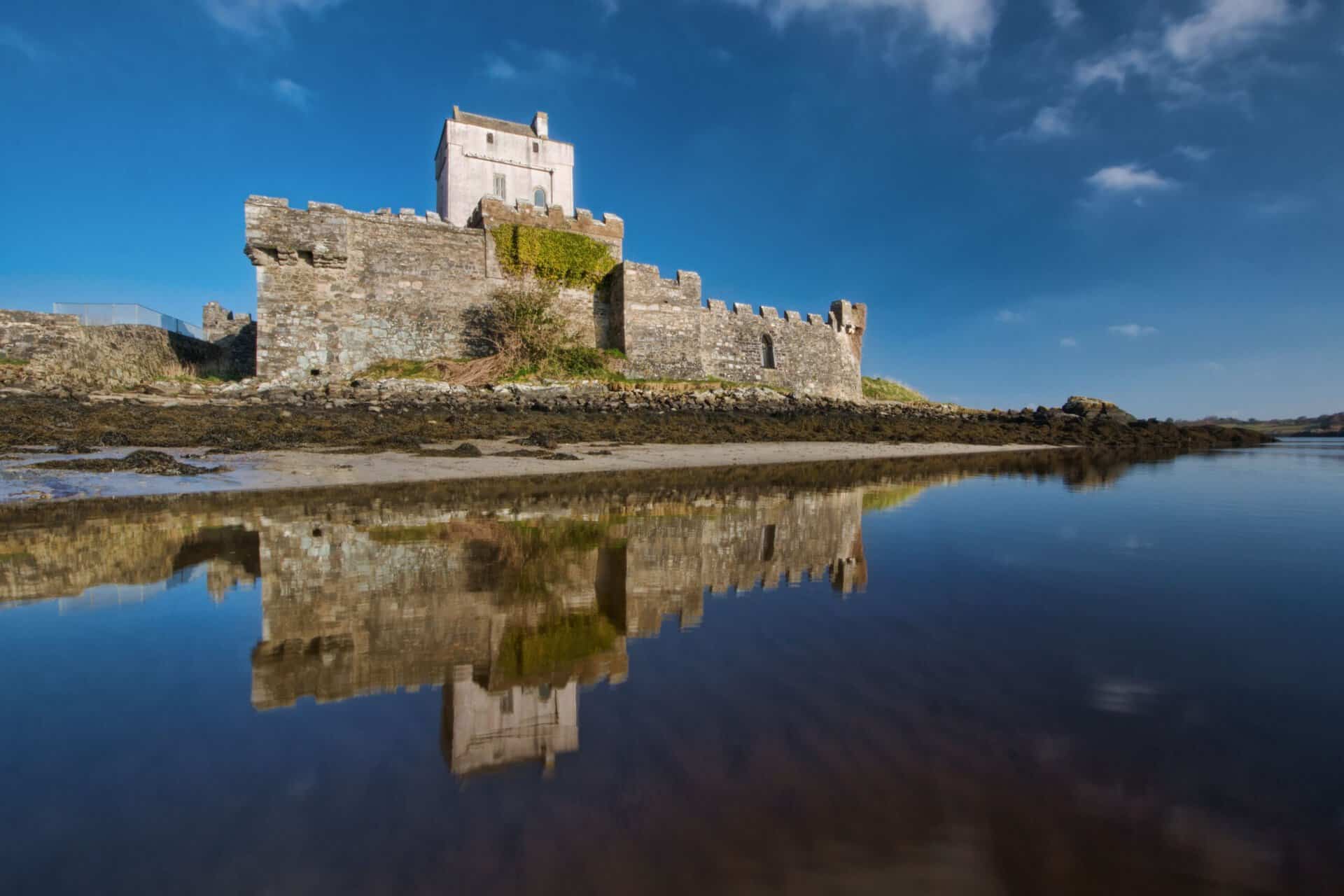
Walsh is an Irish surname that usually means “Welshman”. In Irish, the name is tied to Breathnach, a word used for a Welsh person or, more broadly in older usage, an outsider from Britain.
For most families, the name points back to Welsh or Cambro-Norman people who came to Ireland in the wake of the Anglo-Norman invasion of the 12th century. Over time, Walsh became fully woven into Irish life and is now one of the country’s best-known surnames.
If you’re tracing family roots, the key places to keep in mind are Counties Kilkenny, Waterford, Laois, Dublin, and Mayo. Those counties come up again and again in the history and spread of the name.
Meaning: Walsh generally means Welshman.
Irish form: Breathnach.
Origin in Ireland: Most often linked to Welsh and Cambro-Norman settlers and soldiers who arrived in Ireland after the 1169–1170 invasion.
Where the name is strongest: Historically in the southeast, especially Kilkenny, Waterford, Laois, and Dublin, with strong modern presence in places such as Mayo.
Why it matters for family history: Walsh is a classic example of a surname that began as a label for origin and then turned into one of Ireland’s most established family names.
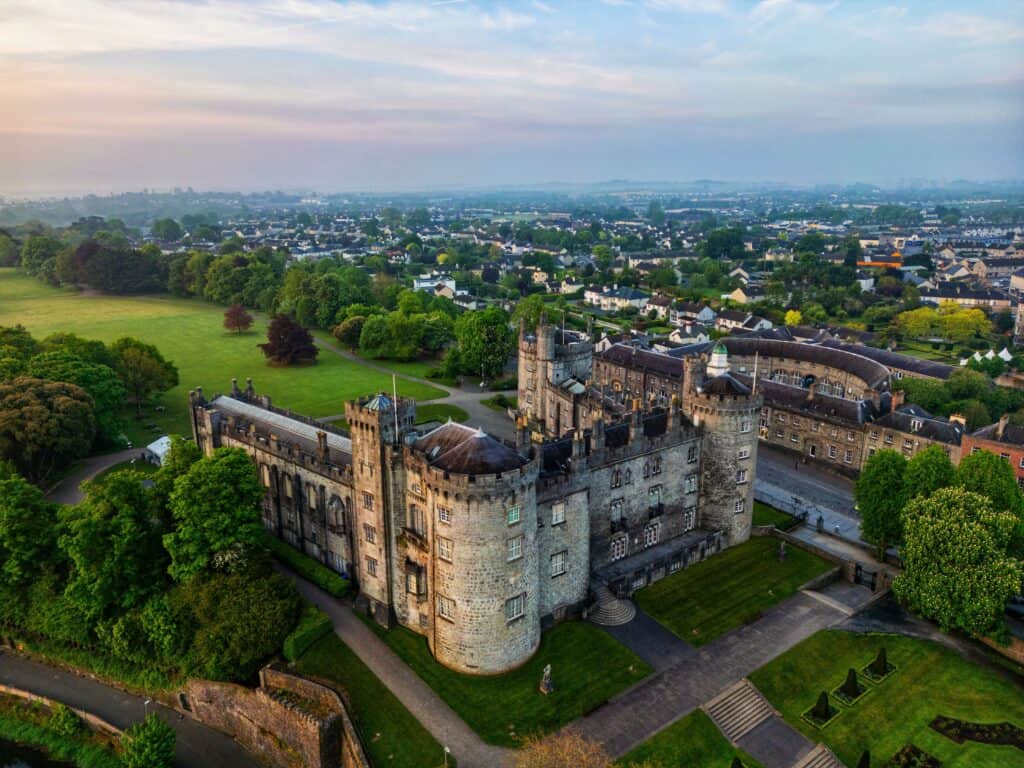
The surname Walsh comes from a Middle English form of Welsh. In plain terms, it identified someone from Wales, or someone seen as Welsh by the local population.
Its Irish-language equivalent is Breathnach. That is the key Gaelic form to know if you’re reading Irish family history, parish records, or older surname studies. You may also see the anglicized form Brannagh, which reflects the sound of the Irish surname rather than the English form Walsh.
Older descriptions sometimes gloss the name as Briton or foreigner. That can sound broader than “Welshman,” and in medieval naming it often was. Still, for the surname Walsh, the most useful and safest plain-English meaning is Welshman.
That origin fits a very common pattern in Irish surnames. Some names began with a father’s name. Others began with a trade, a personal feature, or a place of origin. Walsh belongs in that last group. It started as a way of saying, more or less, “the Welsh one.”
If you’re building out a broader family-name project, it also helps to compare Walsh with other common Irish surnames that came from identity labels, migration, or language shifts over time.
In most of the English-speaking world, Walsh is pronounced WAWLSH or WOLSH.
A simple audio-style guide is:
Irish pronunciation varies by speaker and dialect, so you may hear small differences in Breathnach. The final sound is the throatier Irish ch, like the sound in the German Bach, not a hard English “k.”
There is also a useful regional note with Walsh itself. In parts of southern and western Ireland, the surname has often been said closer to “Welsh” in everyday speech. If you hear that in family conversation, it is not a different surname. It is a long-established local pronunciation.
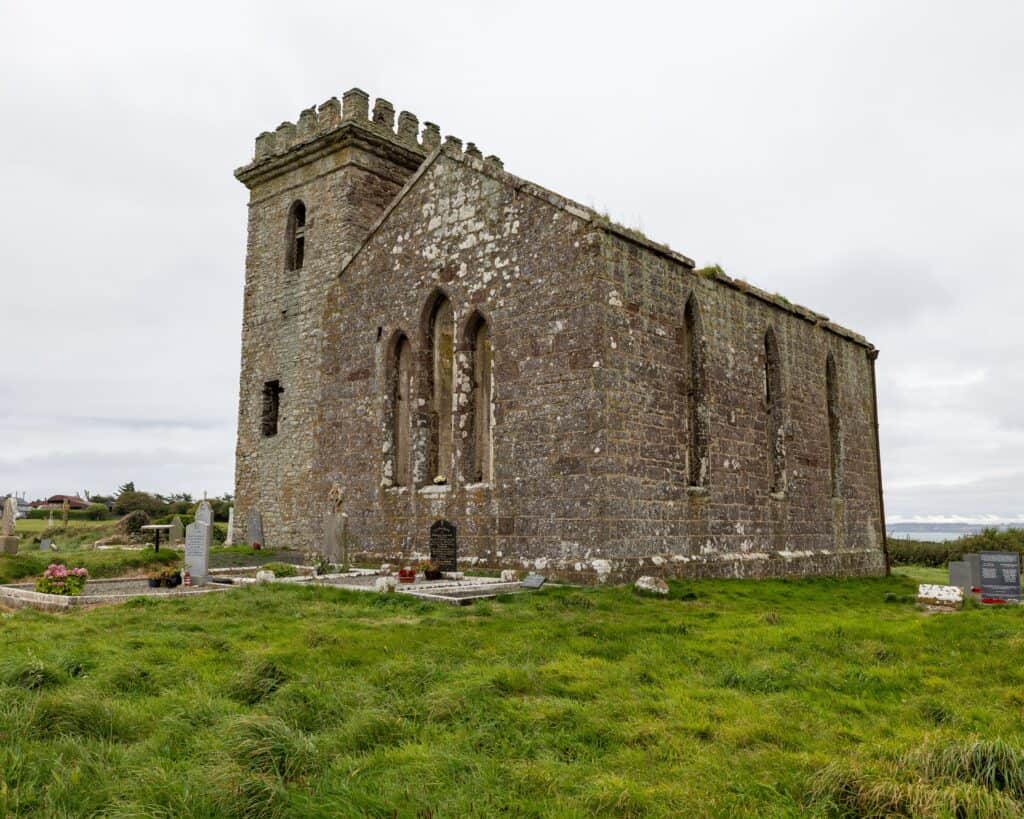
The most widely accepted explanation places the surname in Ireland after the Anglo-Norman invasion of the late 12th century, especially around 1169 and 1170. Welsh and Cambro-Norman soldiers and settlers came with the invasion forces, and Irish communities identified many of them by origin. “The Welshman” was a practical label. Over generations, it became hereditary.
That broad explanation is the sturdy one, and it fits what shows up again and again in Irish surname history. The name became especially rooted in the southeast of Ireland, where Norman influence was strong.
Several early traditions connect important Walsh lines to men described as Welsh who arrived with major Norman figures. One recurring story links the family to a man remembered as Walynus or to Philip of Wales, sometimes treated as the same figure in later accounts. Another tradition refers to Philip the Welshman as an early ancestor. Genealogy at this depth gets murky fast, and medieval families were not always kind enough to leave modern researchers neat paperwork.
What is much clearer is the geography. Early Walsh families are repeatedly associated with County Kilkenny, County Laois, County Waterford, and County Dublin. Those counties make sense in the context of Norman settlement and power in eastern and southeastern Ireland.
One of the better-known branches was the Walsh of the Mountains in County Kilkenny, associated with Castlehale, also called Castle Hoel or Castlehowel in some traditions. Another line was associated with Carrickmines Castle in County Dublin. These are reminders that Walsh was not just common. In some places, it was tied to landholding families and fortified sites.
Some Walsh families also had recognized coats of arms, including branches associated with Ballykilcaven in County Laois, Castlehale in County Kilkenny, and Carrickmines Castle in County Dublin. As always with heraldry, the practical rule is simple: a coat of arms belongs to a specific family line, not to everyone with the surname. It is a detail that gets lost very quickly once gift-shop genealogy enters the chat.
The name kept spreading beyond those early strongholds. By the late medieval and early modern periods, Walsh families were established across much of Ireland, and the surname no longer pointed to someone newly arrived from Wales. It had become fully Irish.
Walsh is often ranked as the fourth most common surname in Ireland, which tells you just how widely it spread. Recent surname rankings still regularly place it among Ireland’s top five surnames, so this is not just an old historical quirk that faded away.
That last point matters for anyone researching ancestry. A Walsh line in Kilkenny may have a different local story from a Walsh family in Mayo or Dublin. The surname is common enough that you should expect many unrelated Walsh branches, not one single family tree waiting politely at the end of a DNA test.
If you’re trying to place the surname on the Irish map, start with the southeast. Historical references repeatedly tie Walsh to Kilkenny, Waterford, Laois, and Dublin.
County Kilkenny is especially important. The Walsh of the Mountains branch and the association with Castlehale give the county a central place in surname history. County Waterford also appears often in early references, which fits the larger Norman footprint along the southeast coast.
County Laois, historically called Queen’s County or Leix in older records, is another county to watch, especially in family and heraldic references. County Dublin enters the story through families associated with Carrickmines Castle, showing the surname’s foothold near the capital.
In more modern surname distribution, County Mayo is frequently mentioned as a strong county for Walsh. That sometimes surprises people who assume the name would remain mostly southeastern. Irish surnames rarely stay put that neatly over several centuries.
For genealogy work, it helps to divide Walsh into two broad patterns:
If your family story points to County Wexford, that is also worth checking. Wexford was central to the Anglo-Norman arrival, and many southeastern surnames overlap there even when the strongest surviving concentration appears in neighboring counties.
The main surname is Walsh, but several related forms appear in records and family histories.
Walshe is a straightforward variant and often appears in Irish records. Welsh and Welch can overlap in English-language documents, especially outside Ireland. Breathnach is the Irish form, and Brannagh is an anglicized version based on that Irish pronunciation.
If you are searching church registers, census substitutes, immigration papers, or gravestones, try several spellings. Surnames shifted constantly before spelling was standardized. A family may appear as Walsh in one generation, Walshe in another, and with an Irish-language form in local records or oral tradition.
If you’re comparing name patterns more widely, it can also help to look at popular Irish surnames and Celtic Irish surnames to spot where Walsh fits and where it stands apart.
Because Walsh is so common, there have been many notable people with the name across politics, sports, literature, religion, and public life. The surname turns up often in Ireland and across the Irish diaspora.
Rather than force a long list of half-related names, the useful point is this: Walsh is not tied to one narrow family identity. It became so widespread that prominent Walsh figures emerged from many different counties and social backgrounds.
That wide spread also explains why the surname is common in the United States, Britain, Canada, and Australia. Nineteenth-century emigration, especially during and after the Great Famine, carried the name abroad on a large scale, and Walsh remains familiar in Irish American communities. If you are an American tracing a Walsh line, you may need to work backward through local records, naturalization papers, church records, and county of origin in Ireland before the trail becomes precise. The broader story overlaps with American Irish surnames more generally, where very common names can be the most stubborn ones to pin down.
A surname can give you a clue. It cannot do the whole job.
With Walsh, the clue is strong but broad. The name suggests Welsh-linked ancestry in medieval Ireland, often through the Norman world. It does not tell you one exact county, one coat of arms, or one founding ancestor for every family.
If you are researching a Walsh family, these are the best starting questions:
Printed surname studies by Irish historians such as Edward MacLysaght remain useful background tools, especially once you already have a county in mind. For broader context on Irish names, county histories often help more than generic surname lists. If you’re planning a roots trip as part of the search, a practical 7-day Irish ancestry itinerary can help turn those county clues into an actual route.

The Irish surname form is Breathnach. The spelling matters. The final ch has no fada, and the word is not usually written with an accent mark in standard modern form.
In older and anglicized records, the sound of Breathnach sometimes produced forms like Brannagh. That can look unrelated at first glance, but it belongs to the same surname story.
If your family has a strong Irish-language tradition, you may find that Breathnach survived in oral history or local memory even when official English-language records used Walsh.
Both, in a way. The surname in Ireland usually began as a label for someone of Welsh origin, but it became thoroughly Irish over many centuries. Today it is one of the most established Irish surnames.
The Irish form is Breathnach, meaning Welshman. Older explanations may also use terms like Briton or foreigner, but Welshman is the clearest everyday meaning.
Very common. It is widely ranked among the most common surnames in Ireland, often placed fourth.
The earliest strong associations are with the southeast, especially Kilkenny, Waterford, Laois, and Dublin. In modern distribution, Mayo is also strongly associated with the surname.
Usually, yes. Walshe is a common variant of Walsh, and families may move between the two spellings in different records.
A simple guide is BRAH-nukh. The final sound is the soft guttural ch, not a hard English “k.”
No. The surname likely developed in several lines tied to Welsh-origin settlers in Ireland. Many Walsh families are unrelated to one another in any close genealogical sense.
Walsh is one of those Irish surnames that tells a big story in a compact way. It begins with migration from Wales into medieval Ireland, passes through the Norman world, takes root in counties like Kilkenny, Waterford, Laois, and Dublin, and then spreads so widely that it becomes part of the fabric of the whole country.
For family historians, that makes Walsh both exciting and a little stubborn. The meaning is clear. The surname history is strong. The exact family path still depends on county, parish, records, and a bit of patience. Irish genealogy rarely gives everything away on the first page, which is probably why people keep doing it.
The Irelandwide Editorial Team is a group of travel writers, researchers, and content creators dedicated to publishing accurate, up-to-date information about Ireland. Our content covers travel guides, castles, attractions, Irish culture, tourism news, and official data to help visitors and locals alike. We prioritize reliable research, clear writing, and trusted sources to create practical resources for exploring Ireland with confidence.
At Ireland Wide, our aim is to bring authentically Irish insights to you, wherever you are.
Whether you have some feedback or would like to offer some of your own insights for everyone else to explore, don't hesitate to get in touch with us!