

Irish last names that start with Q are rare. In Irish, the letter Q is not native to traditional Gaelic spelling, so most surnames you see under Q are Anglicized forms of older names that originally began with C or sometimes Mac.
If you are looking for Irish Last Names that Start with Q, the short answer is that the list is real but small. The best-known examples are Quinn, Quigley, Quinlan, Quin, Quill, Quirk, Quail, Quigg, and Quan, with a few less common family forms such as Quain, McQuaid, McQuaker, McQuiggan, and McQuillan also appearing in surname records.
For family history, that matters because a Q surname in Ireland often points you back to an older Gaelic form. If you are building a tree, start with the modern spelling, then check variant forms in IrishGenealogy.ie and surname references before assuming every similar-looking Q name shares the same origin.
The main pattern with Irish Q surnames is simple. Most are English spellings of Gaelic names whose sounds carried over even when the letters changed. A surname like Quinn comes from Ó Cuinn. Quigley comes from Ó Coigligh. The sound survived. The spelling moved.
That is why this letter looks sparse compared with S, O, or M. Irish surnames developed in Gaelic, and traditional Irish orthography does not use Q in the way English does. So if you are scanning a list of Irish surnames by letter, Q is always going to feel a bit underbooked, especially beside bigger groups like Irish last names that start with O or Irish last names that start with M.
Another useful point for American readers: some Q surnames found in the United States can have Irish, Scottish, or English branches. Quail, for example, can appear in Irish records, but not every Quail family has Irish roots. Genealogy gets messy fast. That is part of the fun, up to a point.
If you want broader surname context after this list, see our guides to Irish Last Names, Common Irish Surnames, and the full Irish surname letter hub.

There are not 25 historically solid, widely accepted native Irish surnames beginning with Q. The true list is short, and that is the honest version. Below are the best-known Irish surnames and recognized Irish-associated variants found under Q.
Meaning: descendant of Conn, a personal name associated with head, chief, or intelligence.
Origin: from the Gaelic Ó Cuinn.
Pronunciation: KWIN.
Context: Quinn is one of the most established Irish Q surnames and is especially associated with old Irish families, including lines in Clare and Longford. It is also by far the most visible Q surname in modern records, which is why many people meet it long before they come across rarer names such as Quain or Quigg.
Meaning: the same root meaning as Quinn.
Origin: a shortened or alternate Anglicized form of Ó Cuinn.
Pronunciation: KWIN.
Context: Quin is less common than Quinn, but it appears in Irish surname records and family lines as a simplified spelling. In practice, it is worth searching beside Quinn every time, because clerks and census takers were not exactly famous for consistency.
Meaning: descendant of Coigleach, a personal name linked with someone untidy or unkempt.
Origin: from the Gaelic Ó Coigligh.
Pronunciation: KWIG-lee.
Context: Quigley is a well-known Irish surname whose English spelling stays quite close to the older Irish sound. It turns up regularly in Ulster family history, and it is one of the easier Q names to trace across Irish and American records because the spelling stayed fairly stable.
Meaning: usually given as descendant of Caoinlean, with the personal name understood as slender.
Origin: from the Gaelic Ó Caoindealbháin or related historical forms is sometimes suggested in surname discussions, but the surname is widely treated in modern name references as linked to Ó Caoindealáin and the personal name Caoinlean.
Pronunciation: KWIN-lan.
Context: Quinlan is one of the more recognizable Irish family names in the United States, and it often gets used as a first name too. That first-name crossover can muddy searches a bit, so it helps to filter records carefully when you are working through census databases.
Meaning: the exact meaning can vary by family line.
Origin: an Irish surname form found in records, sometimes treated as related to names such as Quillan or similar Anglicized variants.
Pronunciation: KWIL.
Context: Quill is short, distinctive, and uncommon, which makes it memorable but not always easy to pin down without local family evidence. Short surnames often collect spelling noise in older handwritten records, so this is one to search with a bit of patience.
Meaning: commonly connected with a Gaelic root rendered in English as Quirk or Quirke.
Origin: the standard Irish surname form is often written Quirke, itself an Anglicized surname from Gaelic.
Pronunciation: KWERK.
Context: In practice, Quirk and Quirke are best treated together when you are searching records. County Tipperary comes up often with this surname, and family lines can bounce between the two spellings without much warning.
Meaning: same family root as Quirk.
Origin: an Irish Anglicized surname form preserved with the final -e in many family branches.
Pronunciation: KWERK.
Context: If your family uses Quirke, search both spellings in church and civil records. Record keepers were not always loyal to one version, and neither were the families.
Meaning: not reliably one single Irish meaning across all families.
Origin: found among Irish-associated surnames, though some Quail lines are not Irish in origin.
Pronunciation: KWAYL.
Context: Quail appears on lists of Irish surnames beginning with Q, but it is a surname where regional and family-specific evidence matters a lot. This is the sort of name where one branch may be clearly Irish while another heads off in a completely different direction.
Meaning: uncertain without tracing a specific family branch.
Origin: a recognized Irish surname in modern records, especially in Ulster-linked family history discussions.
Pronunciation: KWIG.
Context: Quigg is compact, rare, and worth checking alongside nearby variants if you are researching northern Irish roots. It sits in that awkward category of being uncommon enough to feel distinctive, but common enough that there can still be more than one unrelated line.
Meaning: meaning varies by line and is not safely reduced to one universal definition here.
Origin: an Irish surname recorded under Q, though much less common than Quinn or Quigley.
Pronunciation: KWAHN or KWAN.
Context: Quan is a good example of why rare surnames need record-based research more than quick online assumptions. Even a small change in pronunciation or spelling can send you into the wrong county.
Meaning: uncertain from surname lists alone.
Origin: appears in Irish surname compilations and family-name indexes under Q.
Pronunciation: KWAYN.
Context: Quain is uncommon enough that even small spelling changes can matter when tracking families across counties or across the Atlantic. If you hit a dead end, check nearby spellings before assuming the line disappears.
Meaning: a Mac surname meaning son of an earlier personal name, though the exact personal-name interpretation can vary by source.
Origin: an Irish surname found in surname indexes under Q because of its Anglicized spelling.
Pronunciation: muh-KWAYD.
Context: McQuaid is one of the better-known Irish Mc- surnames filed under Q in alphabetical lists. Depending on the source, you may also want to search MacQuaid, which can save you from missing the obvious.
Meaning: uncertain from simple surname lists.
Origin: appears as an Irish-associated surname form in name indexes.
Pronunciation: muh-KWAY-ker.
Context: This is not a common surname, so family records and locality become more useful than broad surname summaries. With rarer Mc- names, parish records often do more work than big surname databases.
Meaning: not securely established here without line-specific evidence.
Origin: an Irish surname form listed under Q in Irish surname references.
Pronunciation: muh-KWIG-an.
Context: McQuiggan is rare enough that you should search with and without the Mc prefix if records are thin. It also helps to keep an eye on nearby phonetic spellings, because older indexes can be gloriously unhelpful.
Meaning: a Mac surname tied to an earlier personal name.
Origin: an Irish surname found in Ulster and in surname lists under Q.
Pronunciation: muh-KWIL-an.
Context: McQuillan is one of the more recognizable Irish Q-adjacent surnames, especially for readers with northern family roots. If you are comparing it with other Ulster surnames, it can be useful to browse nearby groups such as Irish last names that start with R and Irish last names that start with C, where many older Gaelic roots ended up under different modern spellings.
Quinn is the standout. It is the best-known Irish surname under Q by a wide margin, and it also crossed over into first-name use in the United States. If your starting point is just one Irish Q surname to recognize, this is the one.
Quigley is notable because its meaning is unusually vivid. Many surname meanings are tied to fathers, chiefs, or places. This one points back to a descriptive personal name linked with being untidy or unkempt, which gives it a little more personality than most.
Quinlan is one of those names Americans often meet before they realize it is a surname at all. It has the familiar sound of Quinn, but it carries a separate history and should not be folded into Quinn by default.
Quirke and Quirk show why surname research needs flexibility. A final letter that looks trivial on paper can split a family across multiple search results. If you are using Irish genealogy record access through gov.ie, search both spellings.
For context, early 20th-century Irish birth registration counts and later U.S. census totals show just how concentrated this letter is. Quinn, Quigley, Quinlan, Quin, Quill, Quirk, Quail, Quigg, and Quan are the recurring names that turn up with meaningful frequency. After that, the list drops off fast.
If you are organizing records at home, a simple surname-reference notebook can help keep variant spellings straight while you compare certificates and census entries.
Very few. Q is one of the smallest surname groups in Irish naming. The most widely recognized examples are Quinn, Quin, Quigley, Quinlan, Quill, Quirk or Quirke, Quail, Quigg, and Quan, plus a handful of rarer Mc- forms listed under Q.
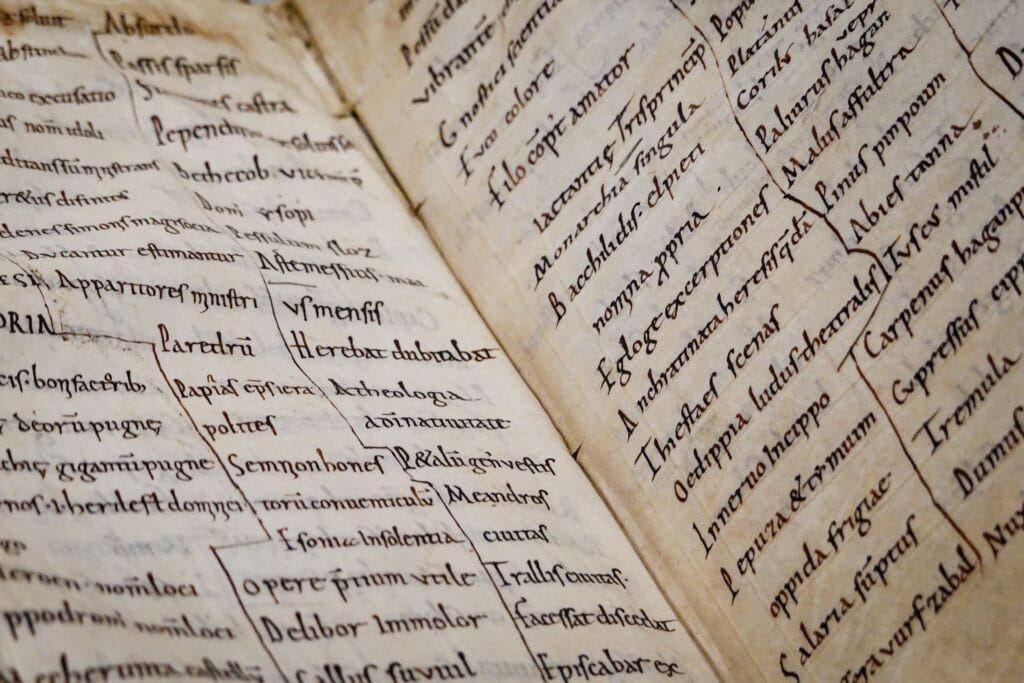
Traditional Irish Gaelic did not use Q the way English does. Many modern Q surnames are Anglicized spellings of older names that originally began with C or another Gaelic form. That is why the sounds can feel Irish even when the letter looks less so.
Yes, Quinn is generally the best-known and most common Irish surname under Q. It appears far more often than most other Q surnames in Irish and U.S. surname counts.
Yes. They are treated as related Irish surname forms, and both spellings appear in records. If you are researching a family line, check both every time.
Absolutely. That is the rule more than the exception. Quinn from Ó Cuinn is the clearest example.
If this list sent you down a surname rabbit hole, there are worse ways to spend an afternoon. Keep going with our guides to Irish surnames by letter, Irish Last Names, and Common Irish Surnames.
And if your family name under Q is rare enough that it barely appears in standard lists, do not panic. Rare does not mean wrong. It usually means the paper trail will matter more than the quick-answer version, and that is where Irish family history gets interesting.

The Irelandwide Editorial Team is a group of travel writers, researchers, and content creators dedicated to publishing accurate, up-to-date information about Ireland. Our content covers travel guides, castles, attractions, Irish culture, tourism news, and official data to help visitors and locals alike. We prioritize reliable research, clear writing, and trusted sources to create practical resources for exploring Ireland with confidence.
At Ireland Wide, our aim is to bring authentically Irish insights to you, wherever you are.
Whether you have some feedback or would like to offer some of your own insights for everyone else to explore, don't hesitate to get in touch with us!