
Four days in Ireland is not enough to see everything, but it is enough to put together a trip that feels like Ireland rather than a blur of motorway service stops and rushed selfies.
If you want a short route with a good hit rate, start in Dublin, add a day on the west side for Galway and the Cliffs of Moher, and keep the rest of the plan tight. That gives you city history, live music, coastal drama, and at least one stretch of green countryside that explains why “Emerald Isle” stuck.
This guide is built for people who want a realistic itinerary, not a fantasy one. You can do it by train and guided day tour, or with a rental car if you are comfortable driving on the left. For a trip this short, less is more, and if you already know you want more time on the road, a 7-day Ireland itinerary makes a lot more sense.
Ireland rewards slow travel, but a 4-day itinerary still works if you avoid trying to cover Dublin, Cork, Kerry, Galway, Belfast, and Donegal in one heroic mistake.
This route focuses on places that come up again and again for good reason. Dublin gives you history, pubs, and easy flight connections. Galway adds a livelier west coast feel. The Cliffs of Moher and the Burren give you the landscape most people came for in the first place.
If Blarney Castle, Cork, or the Ring of Kerry is your main priority, that is a different trip. Those deserve their own route and more road time.
Your first day in Dublin should be gentle. Jet lag and ambitious sightseeing are a bad pairing, and Dublin is better when you give it a bit of room.
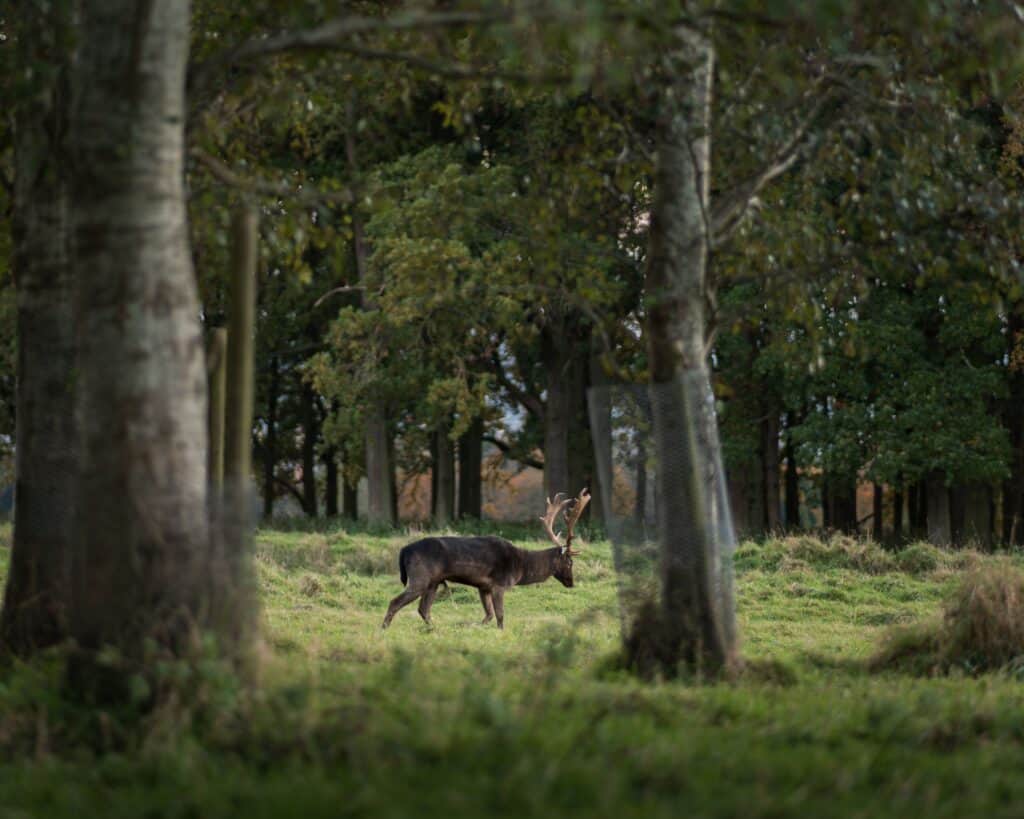
Start with a walk through Phoenix Park, a huge green space that covers 1,750 acres. It was established as a royal hunting ground in 1662, and it still works well as a reset button after a flight. It is also one of the easiest places in the city to shake off travel brain.
After that, keep your route central. St. Patrick’s Cathedral is one of the city’s defining landmarks, and St. James’s Gate Brewery is hard to miss even if you are not making a full Guinness pilgrimage. Dublin’s history stretches back more than 1,000 years, to its Viking roots in the 9th century, so even a basic city walk gives you layers of Viking, medieval, and Georgian Ireland without much effort.
For evening plans, stay local and unstructured. A short trip does not need a packed first night. Save your energy for the west.
For a 4-day trip, stay somewhere central enough that you can walk to major sights or easily reach an early coach departure. If you plan to take a west coast day tour, being close to O’Connell Street or College Green makes the morning much easier.
Use your second day for the city itself. If you like structured sightseeing, a Go City Dublin Pass can make sense if you are planning to stack multiple paid attractions in one day. Dublin is the most expensive city in the Republic of Ireland, so bundling admissions can help.
A practical city day usually includes a mix of churches, museums, parks, and one iconic food or drink stop. Teeling Whiskey Distillery is a well-known option if whiskey is your thing. If stout is more your speed, you are in the right city and you knew that already.
Leave enough time to wander without a checklist. Parts of Dublin work best that way. Short streets, pub corners, buskers, and small historical details do a lot of the heavy lifting.
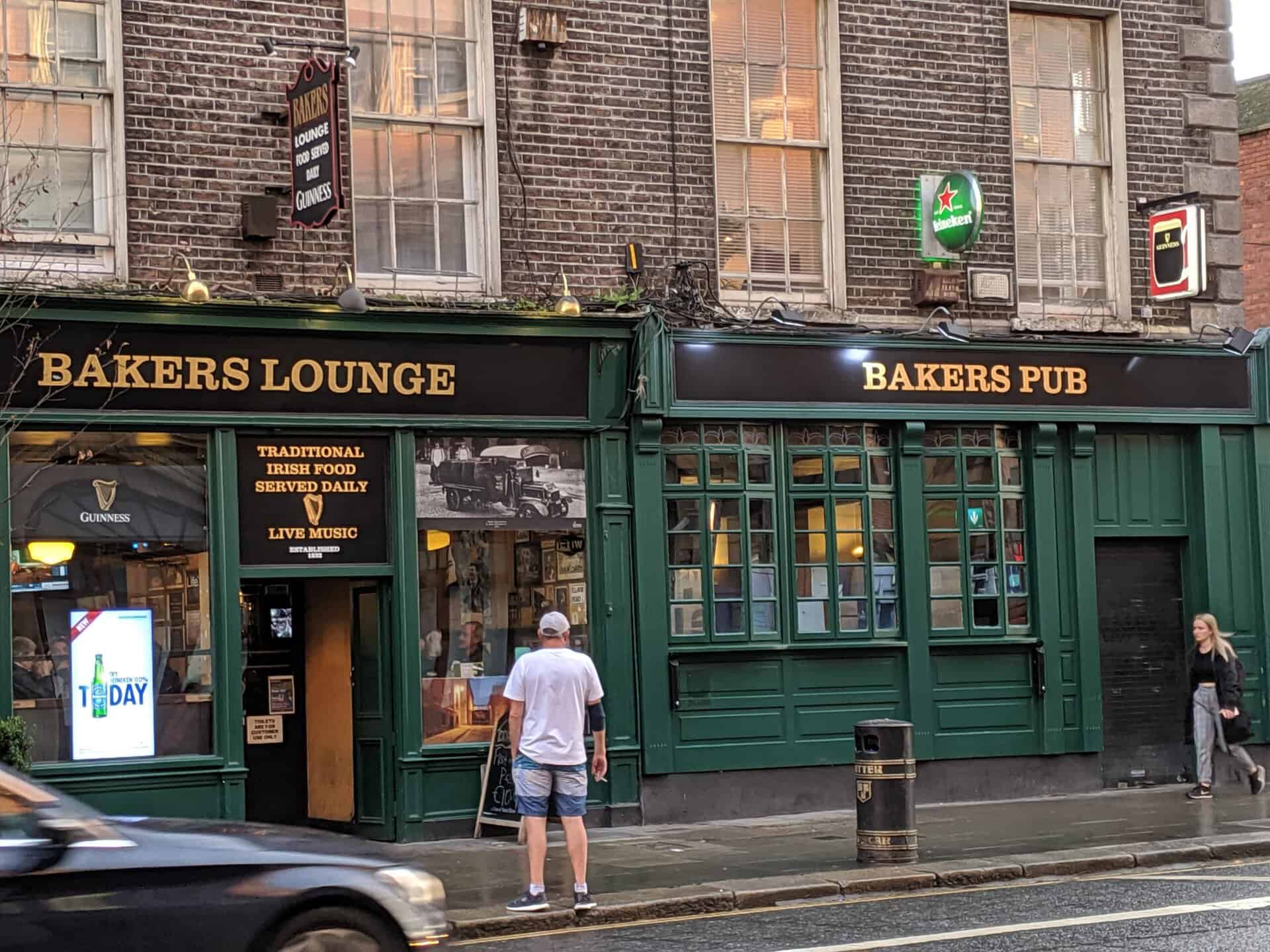
Keep this simple and specific. Order a proper pint in a pub that is busy enough to feel alive but not so busy you spend the night guarding bar space. If you see trad music advertised, that can be a good call. If the room looks like it came preloaded with stories, even better.
For a short trip, this is also the day to pick up anything you forgot to pack. Ireland’s weather has a habit of becoming damp at the exact moment you thought your light jacket would be fine.
If you only add one full-day excursion from Dublin, make it the Cliffs of Moher and Galway. It is long, but it is efficient, and it covers the west coast scenery many first-time visitors really want to see.
One commonly used coach schedule leaves central Dublin at 6:55 a.m. from Hotel Riu Plaza The Gresham or 7:00 a.m. from 33 College Green. A standard fare on this route is listed from €70, and it includes entry to the Cliffs of Moher Visitor Experience. On that itinerary, you get around 2 hours at the cliffs and about 2 hours in Galway.
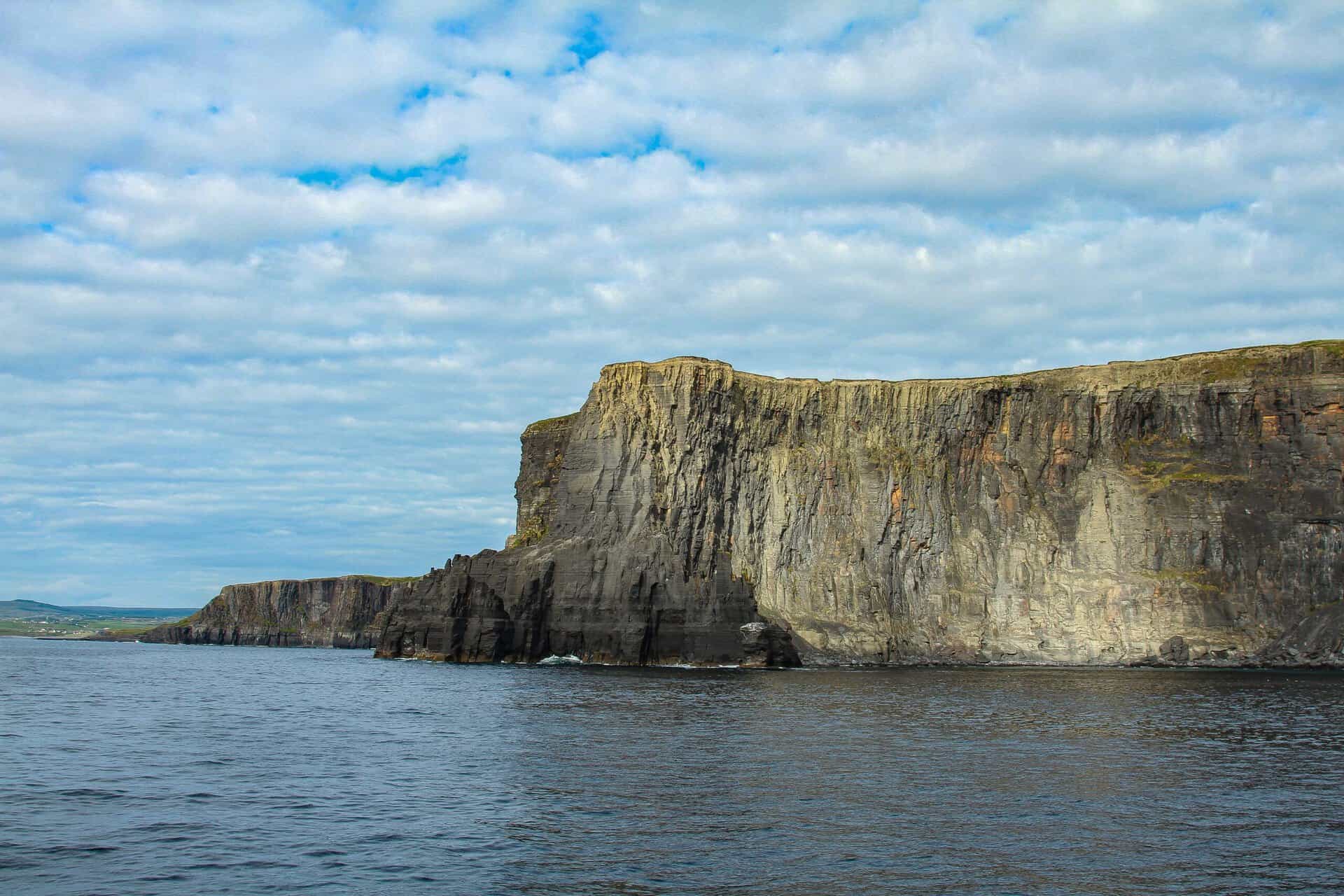
The cliffs rise to about 214 meters, with views over the Atlantic and toward the Aran Islands on a clear day. This is Ireland doing the dramatic coastal thing very well, so if the weather cooperates, linger and walk rather than treating it as a five-minute photo stop. Wind can be fierce even in summer, and low cloud or sideways rain is common enough that a hooded waterproof is more useful than an umbrella.
Most Dublin day tours also pass through or alongside the Burren, one of the country’s strangest landscapes, and may roll past Bunratty Castle and Lahinch on the way. That gives the day more variety than just out-and-back cliff viewing.
For four days in Ireland, yes, often it is. A coach tour removes the stress of navigation, parking, and a very long return drive after a full day. It also lets you see the west coast without changing hotels.
If you are confident with rural driving and want more flexibility, a rental car can work, but you will need discipline. The temptation to add “just one more stop” is how a scenic day turns into a twelve-hour slog.
This is the main fork in the road for a short Ireland trip.
If you did the Cliffs of Moher as a coach trip from Dublin, your fourth day can be a final half-day in Dublin before flying out. That is the simplest plan, especially if your flight is early.
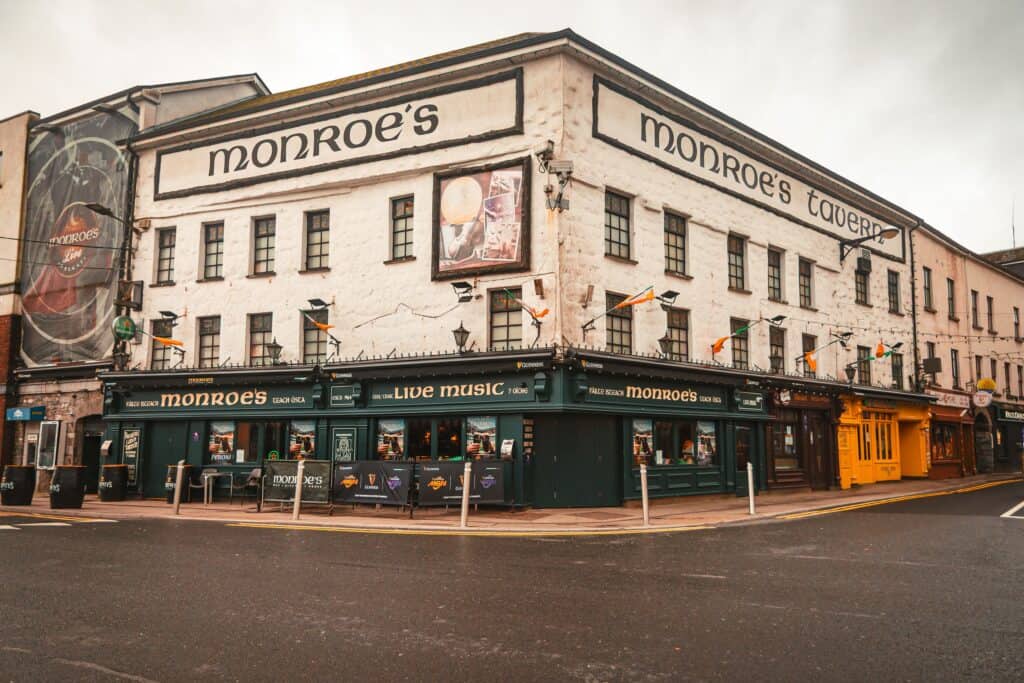
If you prefer a slightly less rushed trip, spend night three in Galway and use day four there before heading back to Dublin by train or coach. Galway is often described as Ireland’s cultural heart, and it has a different rhythm from the capital. Street performers, traditional music, and a compact center make it easy to enjoy on foot.
For a short stay, Galway works best when you avoid overplanning. Walk the center, have lunch, listen for live music, and leave a little room for weather, because Irish itineraries that pretend weather does not exist usually get humbled.
The easiest months for this itinerary are the shoulder seasons, especially May to June and mid-September to mid-October. Those periods usually bring pleasant weather with average highs around 15°C to 18°C, while avoiding some of the heaviest summer crowds.
That said, rain is possible in any month. Pack for it, expect it, and then be pleasantly surprised when the sun appears for twenty glorious minutes and everyone suddenly looks delighted.
A small day bag helps on coach tours and city walks, especially when you are carrying a layer, water, and rain gear without wanting to lug your full suitcase around.

Ireland can be expensive, especially in Dublin, but short trips are easier to control because you are only paying for a few nights and a handful of major activities.
Food costs depend heavily on how often you sit down for full meals in central Dublin. A mix of pub meals, bakery stops, and one nicer dinner usually keeps things sensible. In central Dublin now, a casual pub main often lands around €18 to €28, while coffee and a pastry can still save a morning budget if you are not aiming for a full sit-down breakfast.
You can, but not on this exact schedule without making the whole trip thinner. Blarney Castle, Cork, and the Ring of Kerry are well-known highlights for good reason, and they come up on longer Ireland tours again and again.
But with only four days, adding southwest Ireland usually means giving up Galway and the Cliffs of Moher, or accepting a lot more moving around. If your heart is set on kissing the Blarney Stone or driving Kerry, build a south-focused itinerary, look at the 1 day Ring of Kerry itinerary, and save the west for another trip.
Yes, if you keep your route focused. Four days is enough for a satisfying first look at Ireland, especially if you combine Dublin with one strong west coast day and avoid trying to chase every famous stop on the map.
If you leave wanting more, that is normal. Ireland is very good at that. Start with Dublin, Galway, and the Cliffs of Moher, and let the next trip handle Cork, Kerry, Belfast, or the places you only heard about from the person at the next pub table. If you already know a longer return is coming, this 10-day Ireland itinerary gives you far more room to breathe.

The Irelandwide Editorial Team is a group of travel writers, researchers, and content creators dedicated to publishing accurate, up-to-date information about Ireland. Our content covers travel guides, castles, attractions, Irish culture, tourism news, and official data to help visitors and locals alike. We prioritize reliable research, clear writing, and trusted sources to create practical resources for exploring Ireland with confidence.
At Ireland Wide, our aim is to bring authentically Irish insights to you, wherever you are.
Whether you have some feedback or would like to offer some of your own insights for everyone else to explore, don't hesitate to get in touch with us!