


The Ultimate 3 Day Ireland Itinerary from USA works best when you keep it simple: base yourself in Dublin, take one well-chosen countryside day trip, and accept that three days is a long weekend, not a full island tour.
That approach gives you history, pubs, riverside walks, and a proper look at Ireland without spending half the trip in transit. It also plays nicely with the reality of arriving from the US on an overnight flight and trying to function like a human shortly after landing.
This itinerary follows the same logic many experienced Ireland planners use: Dublin first, Wicklow Mountains second, and a final Dublin day for anything you missed.
If you only have three days, Dublin is the smartest base. Dublin first for a 3-day trip is usually the right call. You avoid changing hotels, you cut down on packing and repacking, and you can use the city as a launch point for a day trip into County Wicklow.
Ireland rewards slow movement more than speed. A tight plan with one overnight base usually beats a rushed loop that tries to touch half the island and ends up feeling like a bus timetable with sightseeing attached.
For most US arrivals, the best pattern is:
If you have longer than a long weekend, this can also work as the front end of a 7 day Ireland itinerary for first-timers, but for three days the main job is staying realistic.
Start in the city centre rather than trying to push straight into a big day trip. After an overnight flight, Dublin is a better place to ease in than to sprint through.
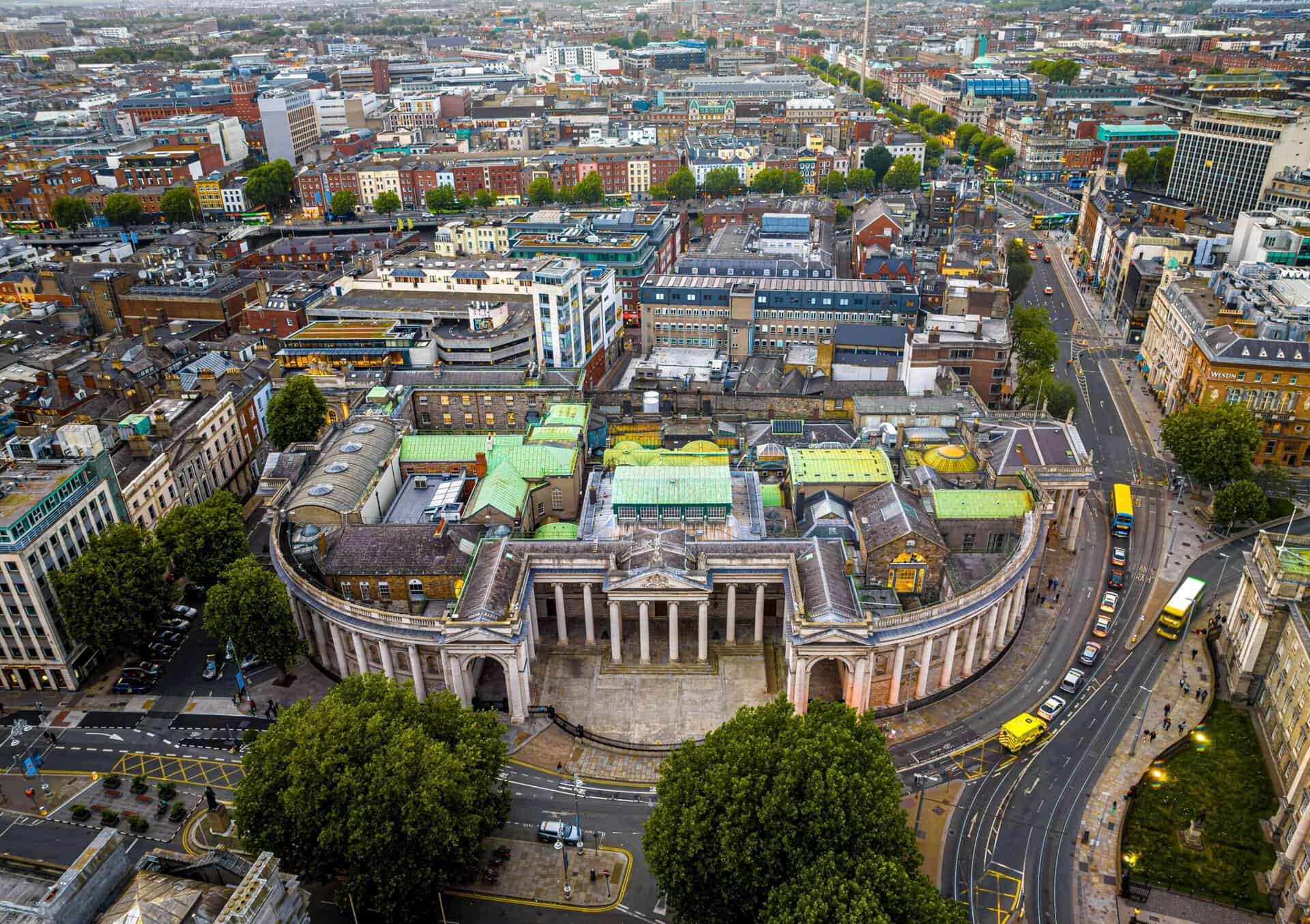
A practical first loop begins at Dublin Castle, then moves next door to the Chester Beatty on the castle grounds. Both sit in the historic core, so you can cover them on foot without wasting time on transport. Dublin Castle anchors the city’s political history, while Chester Beatty is one of the best places in town for manuscript, art, and object collections that feel much larger than the building suggests. Chester Beatty is still free to enter, which is handy on a first day when you may want options without overcommitting.
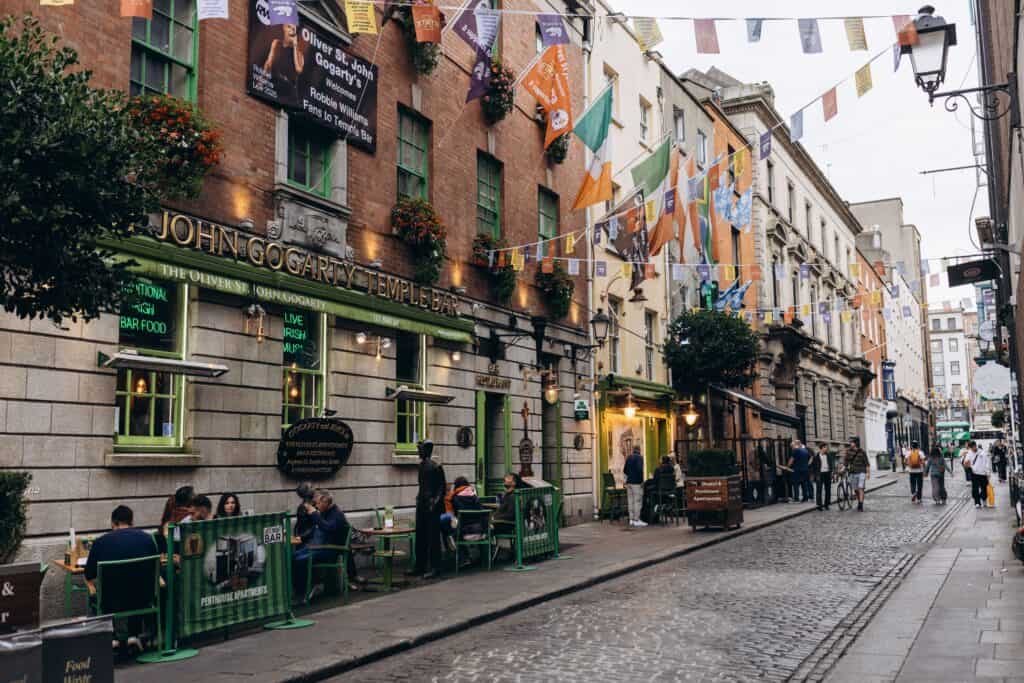
From there, walk into the pedestrian streets around Temple Bar and the River Liffey. Temple Bar is touristy, yes, and the usual complaint is obvious enough: pints and meals here often cost more than they do a few streets away. It is still where plenty of first-timers get their first dose of Dublin pub energy. If you want a more polished stop, aim for a classic city-centre pub such as The Brazen Head, which is widely known as Dublin’s oldest pub. It is the sort of place where a quiet pint turns into dinner if you stay long enough, which is usually the point.
For dinner, keep it central and easy. A first-night meal in Dublin should be about convenience and atmosphere, not trying to “beat” the city with an elaborate tasting menu after a red-eye. If you want one efficient food stop, look for a restaurant in the South City Centre so you can get back to your hotel without a cross-city trek.
Jet lag tip: walk as much as possible on Day 1, even if you feel slightly wobbly. Dublin’s compact centre helps, and fresh air tends to do more than a heroic nap ever will.
For a 3-day itinerary, location matters more than luxury. Choose a place near St Stephen’s Green, Trinity College, or the south side of the River Liffey so your walking days stay simple and your taxi rides stay short.
That area puts you close to Dublin Castle, Temple Bar, and the main shopping and dining streets without locking you into the noisiest part of the nightlife zone. It also makes early starts easier if you plan to join a day tour on Day 2. If you are weighing a fully car-free break, staying central also makes it easier to copy some of the logic behind these day trips from Dublin by train without adding station transfers to a short trip.
If Dublin is the historical half of the trip, County Wicklow is the change of pace. A day trip into the Wicklow Mountains is one of the cleanest ways to add scenery without creating a logistics headache.
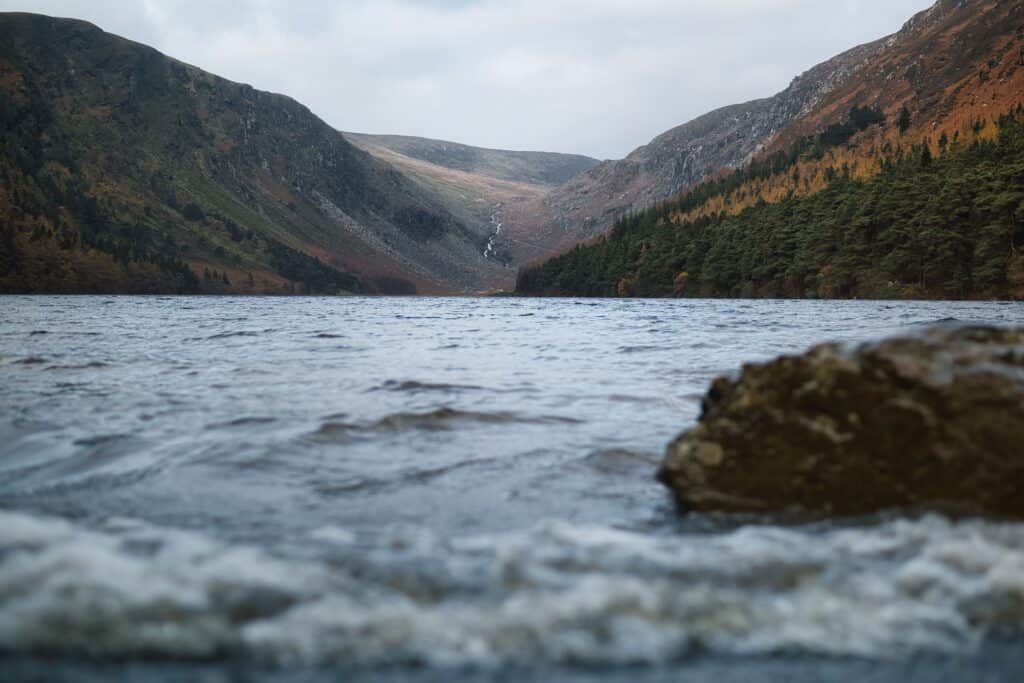
The most popular stop is Glendalough, the monastic site in a glacial valley south of Dublin. It combines lakes, walking trails, and the round tower and ruins that make it one of Ireland’s most recognizable inland sights. It is also easy to understand in a short visit, which helps when you only have a few days and do not want your countryside stop to require a lecture and a nap. The monastic city itself is free to visit, though parking charges apply on site.
If you are doing this on a guided day tour, look for one that includes both the Wicklow Mountains National Park area and Glendalough, plus time for a scenic drive through the region. If you are self-driving, start early and keep the route compact. The roads get narrow in places, and some people find the bends and slow-moving tour coaches mildly character-building in the least glamorous sense. You do not want to spend the whole day staring at the clock.
For a different Wicklow angle, some itineraries add the Powerscourt Estate and Gardens near Enniskerry. It is a more formal stop than Glendalough, with landscaped grounds and a house-and-gardens setting that pairs well with a half-day in the mountains. If you only pick one countryside focus, Glendalough usually gives more variety for a short trip. If mountain walks are the part you are most looking forward to, you might also like this guide to the best hiking holidays across Europe, the UK and Ireland.
Best use of the day: spend your time on one major outdoor area and one village or estate stop, not four different “quick” pauses that quietly become your entire afternoon.
Your final day should stay flexible. If your flight leaves late, you can fit in another museum, a shopping stroll, or a better lunch than the one you would normally allow yourself on a travel day.
A strong option is Trinity College Dublin, especially if you want to see the campus setting and pair it with nearby sights in the city centre. Another easy stop is the National Museum of Ireland on Kildare Street, which gives you a deeper look at Irish archaeology and history without requiring a big time commitment. The museum’s permanent collections are free, and that makes it one of the easiest last-day additions in the city. If the weather turns damp, museums save the day. Dublin knows how to drizzle with commitment.
For a more relaxed finale, walk Grafton Street, then cross into St Stephen’s Green for a last bit of open space in the centre of town. That route keeps you close to restaurants, coffee stops, and taxi stands, which is useful if you are squeezing the most out of a departure day.
Finish with a final meal in the city centre. If you want something classic, choose a pub lunch or an early dinner with Irish staples rather than overcomplicating the last few hours. The goal is to leave with a good memory of Dublin, not with a hotel checkout story.
For this itinerary, you do not need a car in Dublin. The centre is walkable, and taxis are easy to use when your feet start giving you opinions. For the Wicklow day trip, choose between a guided coach tour and a rental car. A guided trip is easier if you want to avoid driving on the left after a transatlantic flight. A car gives you more control if you are comfortable with Irish roads and want to stop more freely.
If you are planning to spend all three days in Dublin with no countryside detour, you can keep the whole trip car-free. That is one of the rare instances where a short Ireland trip gets easier when you stop trying to cover distance.
With only three days, a few bookings matter more than the rest:
If you prefer a simple rule, book the things that affect time first. In a short Ireland itinerary, time is the expensive part.
This version of The Ultimate 3 Day Ireland Itinerary from USA suits first-time visitors, couples on a quick break, and anyone who wants a short but satisfying introduction to Ireland. It also works well if you are combining Ireland with another European city and need the Dublin portion to stay tidy and efficient.
It is less suitable if your main goal is to drive the Wild Atlantic Way, see the Cliffs of Moher, or tick off several far-apart regions in one trip. Three days can do a lot, but it cannot do everything without turning unpleasantly frantic. If what you really want is Atlantic coast scenery, extra road time, and more room to wander, have a look at the west coast of Ireland for a trip that gives those places proper space.
You do not need much, but a few items earn their space in a carry-on. A compact day bag helps on the Dublin walking days and during a Wicklow outing, especially if you are carrying a water bottle, charger, and light layer. A pair of comfortable waterproof walking shoes is also worth packing because Dublin pavements and Wicklow paths are not interested in your fashionable but impractical footwear.
Keep the packing list lean. Three days in Ireland does not require a suitcase the size of a small refrigerator. Layers are usually smarter than one heavy coat, and checking the weather in Ireland before you fly will tell you quickly if you need extra rain gear or just a light waterproof.
The best short trips to Ireland do not try to “see it all.” They choose one base, one countryside day, and enough flexibility to leave room for good meals, short walks, and the occasional pub stop that runs longer than planned.
If you keep Dublin as your anchor and Wicklow as your one big escape into the landscape, The Ultimate 3 Day Ireland Itinerary from USA feels full without becoming frantic. That is the sweet spot for a long weekend in Ireland, and it is a much nicer way to leave than feeling like you lost a battle with the map.

Matt Hook is a Canadian writer of Scottish and Irish heritage. He built his writing career creating detailed gaming guides, turning complex mechanics, history and lore into useful information for readers. Matt brings that same research-focused approach to Ireland Wide, where he writes about Irish travel, heritage, history and culture. He also holds CMA and CPA designations as a professional accountant, giving him a strong background in research, accuracy and attention to detail.
At Ireland Wide, our aim is to bring authentically Irish insights to you, wherever you are.


Whether you have some feedback or would like to offer some of your own insights for everyone else to explore, don't hesitate to get in touch with us!