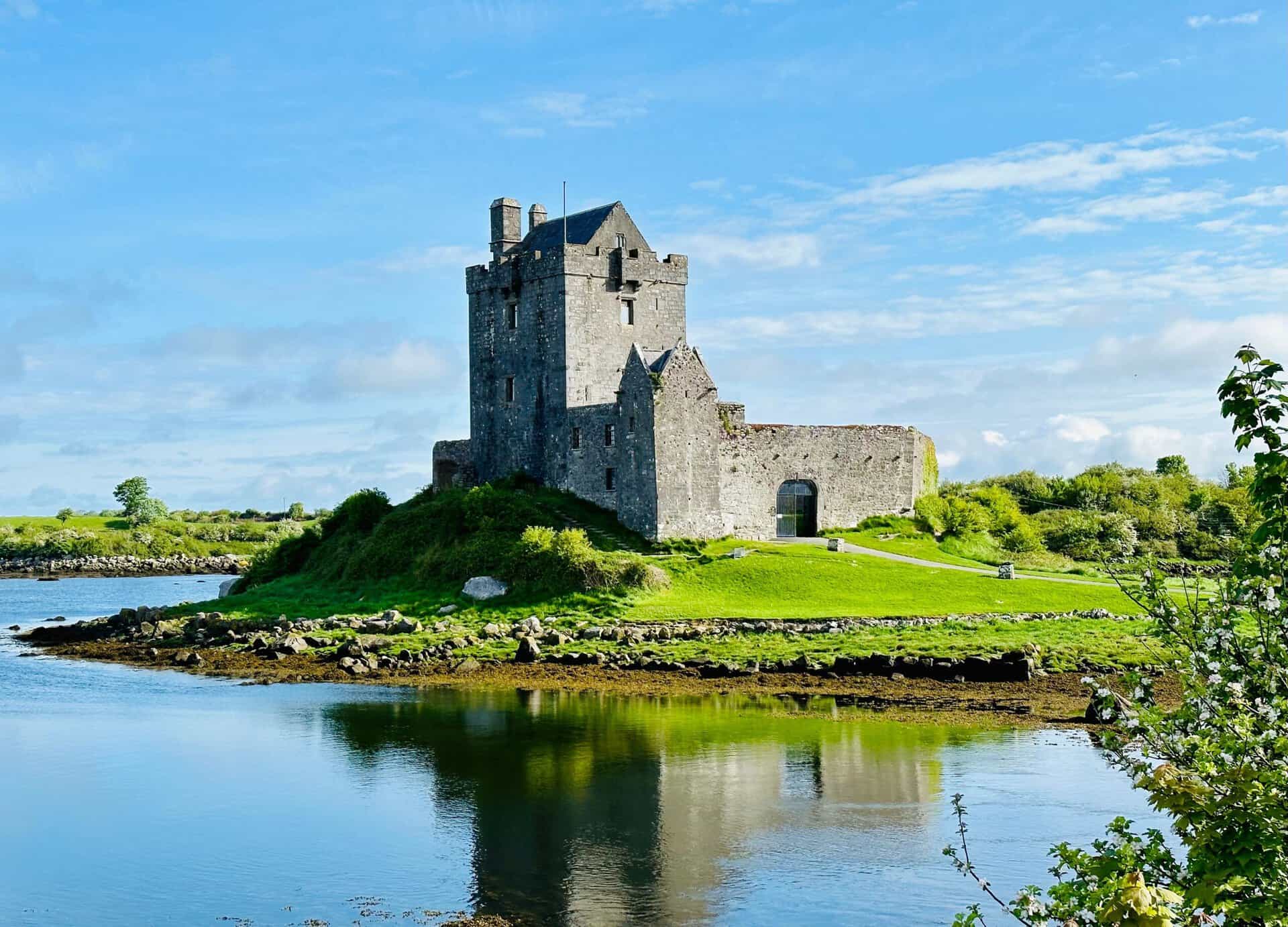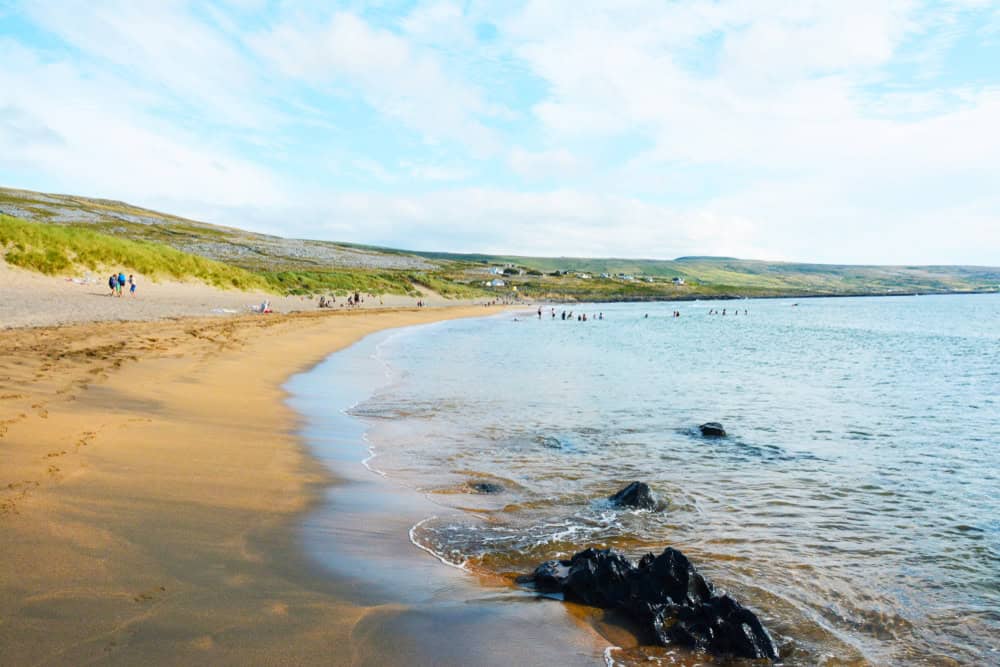


Ten days in Ireland is enough time to see the country properly without treating every day like a transfer day. You can land in Dublin, work your way through the south and west, and still have time for a slow pint, a coastal walk, or a morning that starts after coffee instead of before dawn.
This 10-Day Ireland Itinerary: The Ultimate Guide for American Travellers is built for first-time U.S. visitors who want a sensible route. It focuses on the classic southern and western loop: Dublin, Wicklow, Cork, Kerry, Clare, and Galway, with driving that makes sense on the ground. If you want to compare it with a shorter version, the 7 day Ireland itinerary for first timers follows a similar logic with less breathing room.
If you are planning where to sleep along the way, the route naturally splits into a few easy bases. Dublin works for your first and last nights, while Killarney, Dingle, or Galway can anchor the middle of the trip depending on how much driving you want to do.
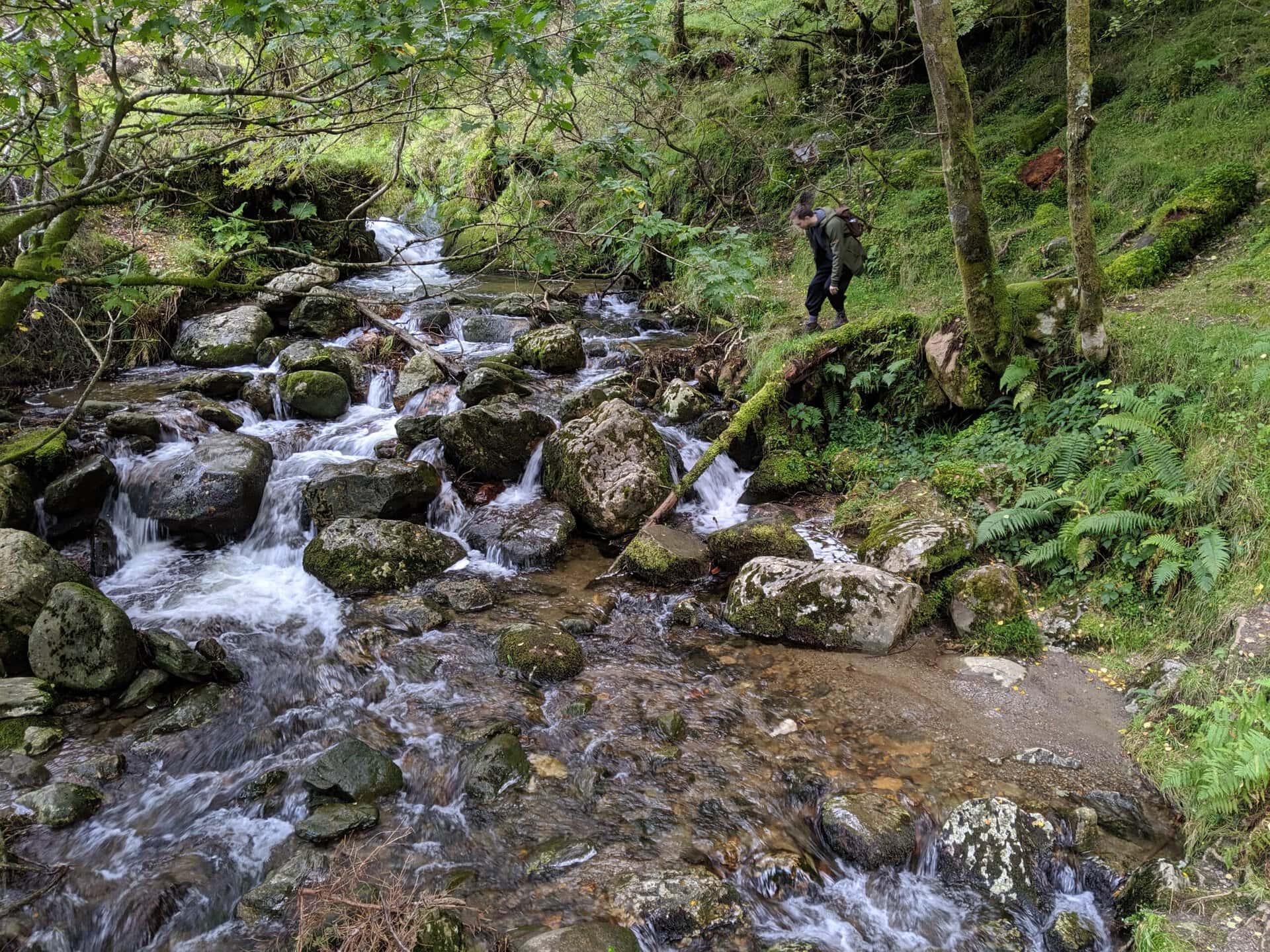
Ireland rewards people who keep the plan tight. The country is small enough for a road trip, but the roads are slower than map apps often suggest, especially once you leave the motorways. On many rural roads in Kerry, Clare, and Connemara, an average of 50 to 70 km/h is more realistic than whatever your phone optimistically suggests. A clean loop avoids doubling back and leaves room for weather, which matters here more than people like to admit.
This itinerary follows a practical south and west circuit because it keeps the most famous sights in a logical order. You start with Dublin, move into the Wicklow Mountains, continue through Cork and Kerry, then finish with the Cliffs of Moher, Galway, and a return to Dublin. It is the kind of route many first-time American visitors end up wanting anyway, especially if they are drawn to the west coast of Ireland without wanting to spend the whole trip repacking.
Most American travellers fly into Dublin Airport, which has direct transatlantic routes from major U.S. cities including New York, Boston, Chicago, and Los Angeles. If your trip leans heavily toward the west coast, Shannon Airport in County Clare can save time because it puts you much closer to Galway and the Cliffs of Moher.
U.S. passport holders do not need a visa for short stays of up to 90 days. Another useful detail: if you fly home through Dublin or Shannon, you usually clear U.S. customs and immigration before departure, which makes the arrival back in the States feel less chaotic than it otherwise would.
For road trips, book a rental car only if you are comfortable driving on the left. Irish roads are narrower than most American drivers expect, and rural lanes can be properly tight. Automatic rentals are available, but they usually cost more and sell out earlier than manual cars in the busy summer months. The upside is freedom. The downside is that a single sheep can become a traffic event.
If you want a smoother first day, check the official planning advice from Tourism Ireland and the airport information on Dublin Airport before you book.
Assuming a morning arrival, keep day one light. Drop your bags, walk a little, and get your bearings before the jet lag turns into a personality trait. Dublin is compact enough that you do not need to race through it.
Good first-day anchors include the Trinity College area, St Stephen’s Green, and the River Liffey corridor. If you have the energy, the Guinness Storehouse and St Patrick’s Cathedral are both straightforward sights for a first visit. The key is to pick a small cluster and stop there. If churches and historic buildings are your thing, a quick look through these cathedrals in Ireland helps put Dublin’s big-name stops in context.
Stay in central Dublin so your arrival day is not wasted on taxis. If you want a proper base for the city, this is a sensible night to use one of the itinerary’s shorter walking days before the road trip begins.
Leave Dublin after breakfast and head into County Wicklow for the green, hilly start many American travellers picture when they imagine Ireland. Glendalough is the standout stop here, with its monastic ruins and valley setting. It is one of those places that works even if the weather is moody, which in Wicklow is often the default setting.
Use the rest of the day for the Wicklow Mountains National Park drive, then continue south. This keeps you from burning a full morning on backtracking later. If you are self-driving, aim to keep stops short and practical rather than trying to pack in every viewpoint on the map.
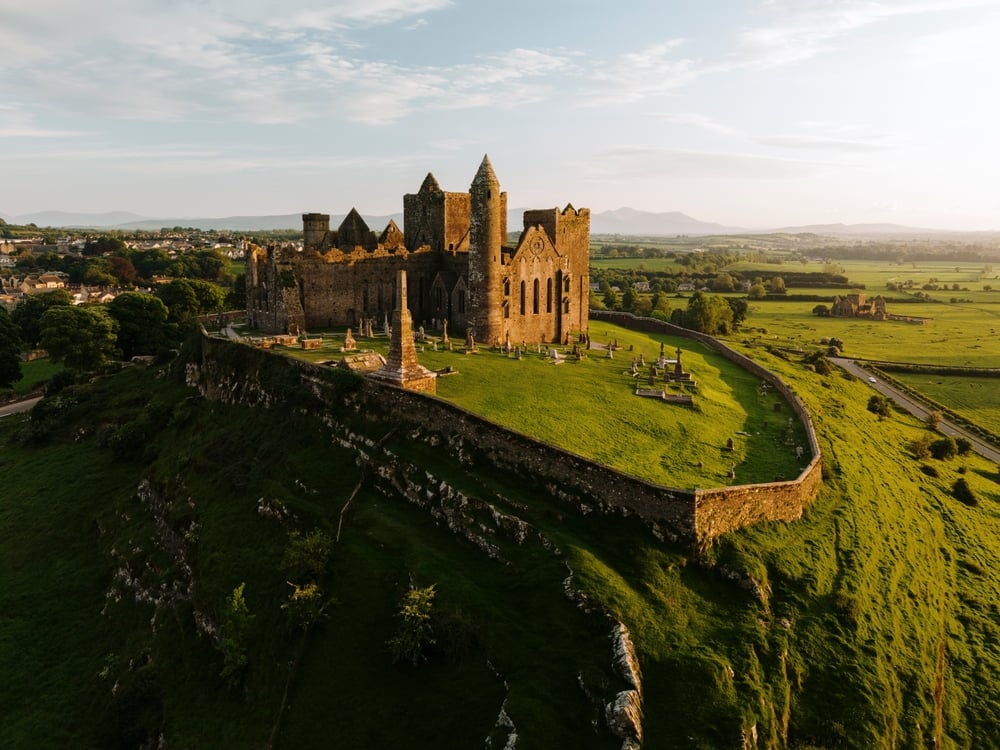
Head toward Cork and break the drive with the Rock of Cashel in County Tipperary. This is one of the easiest historic stops to fit into a cross-country route, and it gives the day more shape than a pure motorway slog. Allow roughly 1.5 to 2 hours on site if you want time for the main complex without lingering all afternoon.
Once in Cork, base yourself in the city rather than rushing onward. Cork works well as a food and pub stop, and it also keeps the route balanced before you continue into Kerry. If you are the sort of person who enjoys a city that feels lived-in rather than staged, Cork usually lands well.
Keep this day realistic. You are not trying to see all of Cork County in one go. You are just setting up the next stretch without making your legs hate you.
Use this day for two of the most useful south-coast stops: Cobh and Kinsale. Cobh is closely tied to Ireland’s emigration story and remains one of the most recognisable harbour towns on the route. Kinsale is the prettier lunch-and-stroll stop, with a compact center that is easy to enjoy without needing a long list of errands.
If you like maritime history, Spike Island is worth considering from Cobh, though you will want to check ferry times and build the day around them. If you prefer a slower pace, stay on land and spend more time on the harbor front instead. Cobh can feel quite busy when cruise ships are in, while Kinsale is often short on parking in the middle of the day, so an earlier start helps.
This is also a good night to use a stay base in or near Cork if you want to split the southern leg into more manageable chunks.
Drive west to Killarney, which is the easiest practical base for the Ring of Kerry. Many people try to do Kerry as a huge day trip, then discover why local advice tends to favor staying overnight. A base in Killarney gives you a better shot at seeing the scenery without a stopwatch glued to the dashboard.
If you have to choose between speed and sanity, choose sanity. The Ring of Kerry is famous for a reason, but it is better enjoyed with time for stops along the route, not just a loop of hurried viewpoints. The full drive is roughly 179 km, and with stops it can easily take a full day. If the weather shifts, Killarney also gives you enough indoor and short-walk backup to keep the day useful. If you want a more detailed breakdown of the route, this 1 day Ring of Kerry itinerary is handy.
No products found.
Use your second Kerry day for the Dingle Peninsula or for a more relaxed version of the Ring of Kerry if the first day was weather-heavy. Dingle gives you coastal drama without needing to cram in every possible stop, and it has the kind of small-town rhythm that makes a long trip feel less like a checklist.
If you are choosing between the two, Dingle often works better for travellers who prefer a slightly less formal route and do not mind a few extra curves. Slea Head Drive is the main draw, but roads can be narrow and slow in peak season, with tour buses, cyclists, farm traffic, and occasional parking scrambles at the popular viewpoints. The peninsula is scenic in the way road trips are supposed to be scenic, not in the artificial sense that comes from pulling over every twenty minutes because a brochure told you to.
Spend the night in Killarney or Dingle depending on how much repositioning you want to do the next morning. Either is workable; the point is to keep the route moving west in a clean line.
Today is the longer driving day, so start early and keep expectations sensible. The Cliffs of Moher are the obvious target, and they are still worth the effort even after a day on the road. The best approach is to arrive with enough daylight left to enjoy the paths without feeling rushed.
If you are using a rental car, this is the day to be disciplined about breaks. Stop for lunch, stretch your legs, and do not try to turn the whole west coast into one giant sprint. Ireland punishes overplanning with fog, traffic, and tiredness, usually in that order. Wind and mist can cut visibility dramatically at the cliffs, and on rough-weather days the grand Atlantic reveal sometimes turns into a very expensive cloud. That is annoying, but also fairly normal.
For route planning and the latest visitor information, check the official pages for the Cliffs of Moher Visitor Experience.
Base yourself in Galway and give the city a proper day. Galway is one of the easiest places on this route to enjoy without overthinking it. The center is walkable, the atmosphere is lively, and you can build the day around food, shops, music, and the harbor rather than another long drive.
If you want a side trip, consider the Aran Islands or a shortened coastal outing, but only if the ferry or weather is cooperating. Galway itself has enough going on that you do not need to force a big add-on. Summer streets in the Latin Quarter can be crowded and noisy late into the evening, which is fun for some people and tiring for others, so pick your hotel location accordingly.
This is a strong night for one of the itinerary’s most useful hotel searches. Staying in Galway keeps the last leg manageable and gives you a cleaner route back to Dublin.
If you have the energy, head into Connemara for a day of open landscape, lakes, and slower roads. If you do not, stay in Galway and enjoy the fact that a good itinerary leaves room for doing less. That is not laziness. That is trip design.
This buffer day is one of the main reasons a 10-day plan works so well. Weather can shift, ferries can be awkward, and some people simply need one day where the only agenda is breakfast and a decent walk. Typical daytime temperatures across much of the west coast sit around 59 to 67°F in summer and 43 to 50°F in winter (as of July 2026), so a spare day is useful when conditions swing from clear skies to sideways rain before lunch.
Keep dinner in Galway and leave yourself an early night if you are flying home the next day. Your future self will thank you on the airport transfer.
Drive back to Dublin with enough time built in for traffic, fuel, and the occasional wrong turn that comes from trusting a sign too much. If your flight is from Dublin, the city-to-airport transfer is straightforward enough, but Irish road trips reward a buffer. Build one in.
If your return flight leaves from Shannon instead, this itinerary can be flipped at the start or end, especially if you want to reduce backtracking on the west coast. That is one of the reasons the route stays flexible for American travellers.
Before leaving, check your airport requirements and baggage timing with the airline and the airport itself. It sounds dull, but airport dull is better than airport panicky.
The most comfortable version of this itinerary uses three main bases: Dublin, Killarney or Dingle, and Galway. That setup keeps drives reasonable and avoids the worst kind of travel day, the one where you are changing hotels, navigating, and sightseeing all before lunch.
If you want the simplest city options, Dublin is best at the start and end, Killarney works well for Kerry, and Galway makes the west coast feel less rushed. If you prefer fewer moves, you can combine Cork and Killarney into a single longer stay and skip an extra change.
For booking flexibility, compare central city hotels with parking and breakfast included, especially if you are self-driving. In Ireland, a decent location often matters more than a flashy room. In Dublin and Galway in particular, parking fees and one-way street layouts can be more annoying than the room itself, so double-check access before booking.
Yes, if you keep the plan focused. Ten days is long enough for Dublin, the south, and the west coast without turning the trip into a relay race. You will not see every county, and that is fine. A smart first trip usually beats an overstuffed one.
If you want a fuller, slower version later, Ireland rewards repeat visits. For a first American trip, though, this route gives you the classic mix of city, countryside, coastal drives, and historic stops that people usually want from the country.

Matt Hook is a Canadian writer of Scottish and Irish heritage. He built his writing career creating detailed gaming guides, turning complex mechanics, history and lore into useful information for readers. Matt brings that same research-focused approach to Ireland Wide, where he writes about Irish travel, heritage, history and culture. He also holds CMA and CPA designations as a professional accountant, giving him a strong background in research, accuracy and attention to detail.
At Ireland Wide, our aim is to bring authentically Irish insights to you, wherever you are.
Whether you have some feedback or would like to offer some of your own insights for everyone else to explore, don't hesitate to get in touch with us!